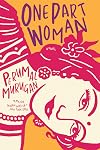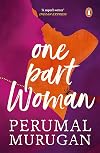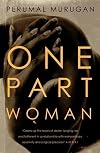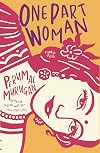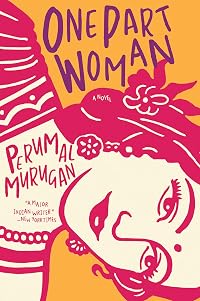
One Part Woman
by Perumal Murugan
On This Page
Description
The "intimate and affecting" novel of an Indian couple's quest for a child that sparked national conversations about caste and female empowerment (Laila Lalami,New York Times Book Review). Set in South India during the British colonial period, One Part Woman tells the story of Kali and Ponna, a married couple unable to conceive. The predicament is of major concern for their families--and the crowing amusement of Kali's male friends. From making offerings at different temples to show more circumambulating a mountain supposed to cure barren women, Kali and Ponna try everything to solve the problem. But a more radical plan is required. The annual chariot festival, a celebration of the god Maadhorubaagan, who is part male and part female, may provide the answer. On the eighteenth night of the festival, the rules of marriage are relaxed, and consensual sex between unmarried men and women is overlooked, for all men are considered gods. The festival may be the solution to Kali and Ponna's problem, but it soon threatens to drive the couple apart as much as to bring them together. Wryly amusing and deeply poignant,One Part Womanis a powerful exploration of a loving marriage strained by the expectations of others, and an attack on the rigid rules of caste and tradition that continue to constrict opportunity and happiness.Longlisted for the National Book Award show lessTags
Recommendations




Member Reviews
This novel of unresolved tensions due to societal pressures to produce children is an eye-opening look at rural life during the colonial period in Tamil Nadu, southern India. In a culture where the need for a successor generation is so critical that a lack of pregnancy in the first month of marriage is cause for consternation, a loving couple, farmers Kali and Ponna, are on the verge of having their happy marriage torn apart by infertility. Kali’s refusal to take a second wife, and their tenderness and care of each other, are brilliantly portrayed. The climax of the tale is Ponna’s attendance at an annual religious celebration offering the chance for barren women to become pregnant by other men outside of marriage. Although the show more novel ends before Ponna makes a life-altering decision on the last night of the chariot festival, the bonds of caste and family loyalty are seemingly stretched beyond repair.
The lack of access to medical assistance to resolve the issue (not knowing if the technology was even available at the time), and at what might have been an insurmountable financial cost, is surprising and tragic to a modern reader. To ponder also: is the lack of a child still seen as ruination in a rural society where many hands are required for sustenance, or has technology has reduced the hardship?
This book, which had been published years earlier, came to the attention of right wing religious circles when the conservative Modi administration came to power. As a result of the descriptions of the licentious actions of men and women in the novel, and the negative view of the half-male, half-female god celebrated at the festival, the author was forced to denounce his own work and stop writing, due to threats of violence by religious extremists. For a time, he became a Salman Rushdie in his own state. Later, courts ruled that Murugan was free to write on whatever topic he chose, and he rejoined the literary world. show less
The lack of access to medical assistance to resolve the issue (not knowing if the technology was even available at the time), and at what might have been an insurmountable financial cost, is surprising and tragic to a modern reader. To ponder also: is the lack of a child still seen as ruination in a rural society where many hands are required for sustenance, or has technology has reduced the hardship?
This book, which had been published years earlier, came to the attention of right wing religious circles when the conservative Modi administration came to power. As a result of the descriptions of the licentious actions of men and women in the novel, and the negative view of the half-male, half-female god celebrated at the festival, the author was forced to denounce his own work and stop writing, due to threats of violence by religious extremists. For a time, he became a Salman Rushdie in his own state. Later, courts ruled that Murugan was free to write on whatever topic he chose, and he rejoined the literary world. show less
3.5/5
Hmm, so my opinion and views are all over the place.
I enjoyed the several allegories employed by the author. I loved the mixture of different tales, made up or real. I love the setting of the book - author painted a good picture of the Colonial rural setting.
The themes intrigued me - it showed the treatment of society and social isolation faced by those that lived outside general societal norms and it highlighted the hypocritical isolation they met towards the people of lower caste and it throws the clutches of superstition and religion to the extent of self destruction. The author did a remarkable job highlighting these themes in a direct or indirect way without it feeling to on-the-nose.
Now, where it lost me, as a novel that show more relies on a combination of plot and character driven elements - the plot and character both at the last 20% of the book failed me. I like the ending as an idea but I did not love the execution. Without accidentally spoiling it, while I did not find the eventual actions of the characters inherently inconsistent, I did find the steps that led up to those events unconvincing.
Overall, I'd recommend it to people who are intrigued by the themes. It is a pretty fast read, it is gripping and interesting. show less
Hmm, so my opinion and views are all over the place.
I enjoyed the several allegories employed by the author. I loved the mixture of different tales, made up or real. I love the setting of the book - author painted a good picture of the Colonial rural setting.
The themes intrigued me - it showed the treatment of society and social isolation faced by those that lived outside general societal norms and it highlighted the hypocritical isolation they met towards the people of lower caste and it throws the clutches of superstition and religion to the extent of self destruction. The author did a remarkable job highlighting these themes in a direct or indirect way without it feeling to on-the-nose.
Now, where it lost me, as a novel that show more relies on a combination of plot and character driven elements - the plot and character both at the last 20% of the book failed me. I like the ending as an idea but I did not love the execution. Without accidentally spoiling it, while I did not find the eventual actions of the characters inherently inconsistent, I did find the steps that led up to those events unconvincing.
Overall, I'd recommend it to people who are intrigued by the themes. It is a pretty fast read, it is gripping and interesting. show less
I took up this book mainly because of the controversy surrounding it, and because I liked its synopsis.
I liked the characters a lot; their struggles seemed all too real. Their rustic life captured my attention. The author has a way with words, especially the sensual scenes.
The way they (the protagonists) longed for a child, and did every single thing in their power to please the upset deities (though, all in vain) was kind of heartbreaking.
The society they lived in too wasn't really one to let them live in peace; they always had to interfere and say something about their personal matters. They taunted, spread rumors and whatnot.
The one scene about the dispute regarding Uncle Nallupayyan's inheritance was absolutely hilarious and I show more LOL'd hard.
Also, the scene where the grandfather tricks everyone into believing that he had thrown the rock across the lake was extremely cunning and amusing. But blaming that incident for them not having a child was lunacy.
Reading about the controversy I feel really bad for the author. I'm all for the freedom of expression, and this has been a blatant violation of it IMO. Read the following excerpt taken form the Wikipedia page of the novel:
*WARNING: Major spoilers ahead!*
One of the major reasons why this book didn't score well for me was its ending. I mean really, you're gonna leave me hanging like that? It's s**t like that that kills it for me. show less
I liked the characters a lot; their struggles seemed all too real. Their rustic life captured my attention. The author has a way with words, especially the sensual scenes.
The way they (the protagonists) longed for a child, and did every single thing in their power to please the upset deities (though, all in vain) was kind of heartbreaking.
The society they lived in too wasn't really one to let them live in peace; they always had to interfere and say something about their personal matters. They taunted, spread rumors and whatnot.
The one scene about the dispute regarding Uncle Nallupayyan's inheritance was absolutely hilarious and I show more LOL'd hard.
Also, the scene where the grandfather tricks everyone into believing that he had thrown the rock across the lake was extremely cunning and amusing. But blaming that incident for them not having a child was lunacy.
Reading about the controversy I feel really bad for the author. I'm all for the freedom of expression, and this has been a blatant violation of it IMO. Read the following excerpt taken form the Wikipedia page of the novel:
In January 2015, Perumal Murugan, 48, has a post which reads like a suicide note. It is by P Murugan on behalf of Perumal Murugan. “Author Perumal Murugan is dead. He is no God. Hence, he will not resurrect. Hereafter, only P Murugan, a teacher, will live,” it reads. The note thanks everyone who supported the author and upheld the freedom of expression, and announces the withdrawal of all his novels, short stories and poems. It calls on his publishers not to sell his books and promises to compensate their losses. The readers have been advised to burn their copies of his books. The note ends with an appeal to caste, religious, political and other groups to end their protests and leave the writer alone since he has withdrawn all his books
*WARNING: Major spoilers ahead!*
One of the major reasons why this book didn't score well for me was its ending. I mean really, you're gonna leave me hanging like that? It's s**t like that that kills it for me. show less
Even though it all went wrong
Translated by Aniruddhan Vasudevan
Media:Audio
Read by Peter Holdway
Length: 6 hrs and 19 mins
This is a story of a married couple Kali and Ponna in Southern India who have been happy for many years but who have been unable to conceive a child. For many years they have pondered going to the festival of the god Maadhorubaagan. Maadhorubaagan is half woman, half man. On the eighteenth day of the annual festival this god allows men and women to have consensual sex outside of marriage. The men in this case become gods. If the problem of conception is Kali, then there’s a chance that if Ponna attends the festival on the eighteenth day, she will conceive.
Neither Kali or Ponna have wanted Ponna to attend, though all show more but one of their families’ members have encouraged this course of action. If Ponna does not have a child Kali worries she will regret it. If she doesn’t have a child Ponna worries that Kali will regret it. What can they do?
The story is set during colonial rule, though colonial actions do not play a proactive part in the main story. It’s more about the daily lives of Kali and Poona, and their friends and family, as they live mostly happy lives in rural India. Until. Or maybe forever. You’ll have to read the book.
I doubt many of you will have my delightful experience though. I “read” the book using an electronic copy from the US Talking Books library. It’s read by Peter Holdway, a non-professional volunteer who does an excellent job. At times he repeats a phrase. There was at least one time when I heard an intake of breath and the sound of a turning page. It was sort of comforting, like having a real live person reading to me.
The book was written in Tamil. Many Tamil writers have written in English. This includes Sri Lankan Anuk Arudpragasam who noted, … English is the language of aspiration and opportunity in Sri Lanka, as in many other former British colonies, and it is taught to those of us in Sri Lanka who have the privilege, even if our parents were educated in Tamil or Sinhalese. Very few people in South Asia are capable of writing and speaking in sophisticated English, but almost all South Asian writing disseminated internationally has been originally written in English, because it is financially and institutionally supported globally. in A SMALL WINDOW OF CONSCIOUSNESS
On listening to One Part Woman I could feel the authenticity of the book. Whether it was because it was originally written in the writer’s native language , or because of the Audible page-turning of the narrator, I’m unsure. Whichever it was, or perhaps it was both, I found it a gentle and pleasant read. show less
Translated by Aniruddhan Vasudevan
Media:Audio
Read by Peter Holdway
Length: 6 hrs and 19 mins
This is a story of a married couple Kali and Ponna in Southern India who have been happy for many years but who have been unable to conceive a child. For many years they have pondered going to the festival of the god Maadhorubaagan. Maadhorubaagan is half woman, half man. On the eighteenth day of the annual festival this god allows men and women to have consensual sex outside of marriage. The men in this case become gods. If the problem of conception is Kali, then there’s a chance that if Ponna attends the festival on the eighteenth day, she will conceive.
Neither Kali or Ponna have wanted Ponna to attend, though all show more but one of their families’ members have encouraged this course of action. If Ponna does not have a child Kali worries she will regret it. If she doesn’t have a child Ponna worries that Kali will regret it. What can they do?
The story is set during colonial rule, though colonial actions do not play a proactive part in the main story. It’s more about the daily lives of Kali and Poona, and their friends and family, as they live mostly happy lives in rural India. Until. Or maybe forever. You’ll have to read the book.
I doubt many of you will have my delightful experience though. I “read” the book using an electronic copy from the US Talking Books library. It’s read by Peter Holdway, a non-professional volunteer who does an excellent job. At times he repeats a phrase. There was at least one time when I heard an intake of breath and the sound of a turning page. It was sort of comforting, like having a real live person reading to me.
The book was written in Tamil. Many Tamil writers have written in English. This includes Sri Lankan Anuk Arudpragasam who noted, … English is the language of aspiration and opportunity in Sri Lanka, as in many other former British colonies, and it is taught to those of us in Sri Lanka who have the privilege, even if our parents were educated in Tamil or Sinhalese. Very few people in South Asia are capable of writing and speaking in sophisticated English, but almost all South Asian writing disseminated internationally has been originally written in English, because it is financially and institutionally supported globally. in A SMALL WINDOW OF CONSCIOUSNESS
On listening to One Part Woman I could feel the authenticity of the book. Whether it was because it was originally written in the writer’s native language , or because of the Audible page-turning of the narrator, I’m unsure. Whichever it was, or perhaps it was both, I found it a gentle and pleasant read. show less
One Part Woman by Perumal Murugan is a book that made the author an object of controversy. The book is about a couple in rural Tamil Nadu in Independent India. Kali and Ponna have been married for twelve years but do not have children and this has made their otherwise blissful life, unbearable.
The story puts forward the kind of criticism and social discrimination the couple face together and as individuals in the society. It weaves together various stories about ancestors, Gods and even animals and manages to make the reading experience a beautiful one. The story shows how Kali and Ponna's relationship is affected by something that is considered essential in a marriage in our society. It has been successfully portrayed the family show more dynamics that was and still is predominantly seen in our country
Overall, a well written book. It is short but it does a good job in keeping you engaged and the storyline moves very well and includes a lot of important topics including social hierarchy, gender issues, caste and untouchability without deviating from the story. show less
The story puts forward the kind of criticism and social discrimination the couple face together and as individuals in the society. It weaves together various stories about ancestors, Gods and even animals and manages to make the reading experience a beautiful one. The story shows how Kali and Ponna's relationship is affected by something that is considered essential in a marriage in our society. It has been successfully portrayed the family show more dynamics that was and still is predominantly seen in our country
Overall, a well written book. It is short but it does a good job in keeping you engaged and the storyline moves very well and includes a lot of important topics including social hierarchy, gender issues, caste and untouchability without deviating from the story. show less
Ratings
Members
- Recently Added By
Lists

Fêtes worse than death? — Village festivals in fiction
37 works; 7 members

Books Read in 2020
4,379 works; 123 members

Books written in uncommon languages
97 works; 7 members
Author Information

41 Works 787 Members
Perumal Murugan is an author, scholar and literary chronicler who writes novels in Tamil. C.S. Lakshmi (Ambai) is a renowned author of literary fiction in Tamil and scholar of women's studies.
Some Editions
Awards and Honors
Work Relationships
Is contained in
Common Knowledge
- Original title
- Madhorubhagan
- Original publication date
- 2010 (Tamil) (Tamil); 2014 (English translation) (English translation)
- Important places
- India
- Original language
- Tamil
Classifications
- Genres
- General Fiction, Fiction and Literature
- DDC/MDS
- 894.8 — Literature & rhetoric Literatures of other languages Literatures of Altaic, Uralic, Hyperborean, Dravidian languages; literatures of miscellaneous languages of south Asia Dravidian literatures
- LCC
- PL4758.9 .P389 .M3313 — Language and Literature Languages and literatures of Eastern Asia, Africa, Oceania Languages of Eastern Asia, Africa, Oceania Dravidian languages
- BISAC
Statistics
- Members
- 248
- Popularity
- 129,424
- Reviews
- 5
- Rating
- (3.71)
- Languages
- English, German
- Media
- Paper, Audiobook, Ebook
- ISBNs
- 12
- ASINs
- 8