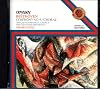
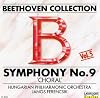
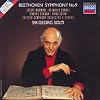
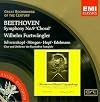
Beethoven : Symphony no.9 in D minor, op.125, 'Choral' [sound recordings]
by Ludwig van Beethoven (Composer), Friedrich Schiller (Author)
Beethoven : Symphony no.9 (sound recording)
On This Page
Description
Examines backround, history, and structure of Beethoven's Ninth symphony in an illustrated and interactive program.Tags
Recommendations








Member Reviews
2 "Kurfürsten Sonaten - E Flat Major, WoO47-1 & in f minor WoO47-2 /No. 2 A Major Op.2-2 / No. 3 C Major Op.2-3 / No. 4 E Flat Major Op.7 / No. 5 c minor, Op.10-1 / No. 6 F Major Op.10-2 / No. 7 D Major, Op.10-3 / No. 8 c minor "Pathétique, Op.13 / No. 10 G Major Op. 14-1 / No. 11 B Flat Major Op. 22 / No. 12 A Major Op. 26 / No. 13 in xx, Op.27-1 / No. 14 in c sharp minor, Op.27-2 "Mondschein" / No. 15 D Major, Op. 28 "Pastoral" /No. 16 G Major, Op.31-1 / No. 17 in d minor, Op .31-2 "Tempest" / No. 18 E flat Major, Op.31-3 "The Hunt / No. 19 g minor Op.49-1 / No. 20 G Major Op.49-2 / No.21 C Major, Op.53 "Waldstein" / No. 23 f minor, Op. 57 "Appassionata" / No.24 F sharp Major Op.78 / No.25 in G Major, Op.79 / No.26 E Flat Major, show more Op.81a "Les Adieux / No. 27 in e Minor Op.90 / No. 28 A Major, Op.101 / No. 29 B Flat Major Op.106 "Hammerklavier" / No. 30 E Major, Op.109 / No. 31 A Flat Major, Op.110
Ontbreken: Op. 2-1 / Op. 111 show less
Ontbreken: Op. 2-1 / Op. 111 show less
11 Bagatelles Op. 119
6 Bagatelles Op.126
7 Bagatelles Op.33
Ziemlich Lebhaft In B Flat Major WoO 60
Rondo A Capriccio In G Major 'Rage Over A Lost Penny' Op.129
Rondo In C Major Op.51-1
Rondo In G Major Op.51-2
Allegretto In C Minor WoO53
6 Ecossaises WoO83
Bagatelle In A Minor 'Für Elise' WoO 59
Polonaise In C Major Op.89
6 Bagatelles Op.126
7 Bagatelles Op.33
Ziemlich Lebhaft In B Flat Major WoO 60
Rondo A Capriccio In G Major 'Rage Over A Lost Penny' Op.129
Rondo In C Major Op.51-1
Rondo In G Major Op.51-2
Allegretto In C Minor WoO53
6 Ecossaises WoO83
Bagatelle In A Minor 'Für Elise' WoO 59
Polonaise In C Major Op.89
Eroica' Variations In E Flat Major Op.35
5 Variations On 'Rule Britannia' In D Major WoO 79
7 Variations On 'God Save The King' In C Major WoO78
12 Variations On A Russian Dance From Wranitsky's Ballet 'Das Waldmädchen' In A Major WoO71
6 Variations On An Original Theme In F Major Op.34
6 Variations On A Theme From 'The Ruins Of Athens' In D Major Op.76
32 Variations On An Original Theme In C Minor WoO80
7 Variations From Winter's Opera 'Das Unterbrochene Opferfest' In F Major WoO75
24 Variations On Righini's Air 'Venni Amore' In D Major WoO65
6 Variations On The Duet From Paisello's 'La Molinara' In G Major WoO70
8 Variations On Süssmayr's Theme 'Tändeln Und Scherzen' In F Major WoO76
13 Variations On Dittersdorf's Air 'Es War Einmal Ein Alter show more Mann' In A Major WoO66
10 Variations On Salieri's Air 'La Stessa, La Stessissima' In B Flat Major WoO73
6 Easy Variations On A Swiss Air In F Major WoO64
9 Variations On Paisello's Air 'Quant È Più Bello' In A Major WoO69
6 Variations On An Original Theme In G Major WoO77
8 Variations On Grétry's Air 'Un Fièvre Brûlante' In C Major WoO 2 show less
5 Variations On 'Rule Britannia' In D Major WoO 79
7 Variations On 'God Save The King' In C Major WoO78
12 Variations On A Russian Dance From Wranitsky's Ballet 'Das Waldmädchen' In A Major WoO71
6 Variations On An Original Theme In F Major Op.34
6 Variations On A Theme From 'The Ruins Of Athens' In D Major Op.76
32 Variations On An Original Theme In C Minor WoO80
7 Variations From Winter's Opera 'Das Unterbrochene Opferfest' In F Major WoO75
24 Variations On Righini's Air 'Venni Amore' In D Major WoO65
6 Variations On The Duet From Paisello's 'La Molinara' In G Major WoO70
8 Variations On Süssmayr's Theme 'Tändeln Und Scherzen' In F Major WoO76
13 Variations On Dittersdorf's Air 'Es War Einmal Ein Alter show more Mann' In A Major WoO66
10 Variations On Salieri's Air 'La Stessa, La Stessissima' In B Flat Major WoO73
6 Easy Variations On A Swiss Air In F Major WoO64
9 Variations On Paisello's Air 'Quant È Più Bello' In A Major WoO69
6 Variations On An Original Theme In G Major WoO77
8 Variations On Grétry's Air 'Un Fièvre Brûlante' In C Major WoO 2 show less
Piano Sonatas
No. 21 in C Major, Op.53 "Waldstein"
No. 23 in f minor, Op.57 "Appassionata"
No. 30 in E Major, Op.109
No. 31 in A Flat Major, Op.110
No. 21 in C Major, Op.53 "Waldstein"
No. 23 in f minor, Op.57 "Appassionata"
No. 30 in E Major, Op.109
No. 31 in A Flat Major, Op.110
No.1 in F Major, Op.18-1 / No.2 in G Major, Op.18-2 / No.3 in D Major, Op.18-3 / No. 4 in c minor, Op.18-4 / / No.5 in A Major, Op.18-5 / No.6 in B Flat Major, Op.18-6 / No.7 in F Major, Op.59-1 / No. 8 in e minor, Op.59-2 / No. 9 in C Major, Op.59-3 / No.10 in E Flat Major, Op.74 / No.11 In f minor, Op.95 / No.12 in E Flat Major, Op.127 / No.13 In B Flat Major, Op.130 / / No.14 in c sharp minor, Op.131 / No.15 in a minor, Op.132 / Grosse Fugue in B Flat Major, Op.133 / No.16 In F Major, Op.135
No. 1 f minor Op. 2-1 / No. 2 A Major Op.2-2 / No. 3 C Major Op.2-3 / No. 4 E Flat Major Op.7 / No. 5 c minor, Op.10-1 / No. 6 F Major Op.10-2 / No. 7 D Major, Op.10-3 / No. 8 c minor "Pathétique, Op.13 / No. 9 E Major Op. 14-1 / No. 10 G Major Op. 14-1 / No. 11 B Flat Major Op. 22 / No. 12 A Major Op. 26 / No. 13 in xx, Op.27-1 / No. 14 in c sharp minor, Op.27-2 "Mondschein" / No. 15 D Major, Op. 28 "Pastoral" /No. 16 G Major, Op.31-1 / No. 17 in d minor, Op .31-2 "Tempest" / No. 18 E flat Major, Op.31-3 "The Hunt / No. 19 g minor Op.49-1 /
No. 20 G Major Op.49-2 / No.21 C Major, Op.53 "Waldstein" / No. 22 F Major, Op.54 / No. 23 f minor, Op. 57 "Appassionata" / No.24 F sharp Major Op.78 / No.25 in G Major, Op.79 / No.26 E Flat Major, show more Op.81a "Les Adieux / No. 27 in e Minor Op.90 / No. 28 A Major, Op.101 / No. 29 B Flat Major Op.106 "Hammerklavier" / No. 30 E Major, Op.109 / No. 31 A Flat Major, Op.110 / No. 32 c minor, Op.111 show less
No. 20 G Major Op.49-2 / No.21 C Major, Op.53 "Waldstein" / No. 22 F Major, Op.54 / No. 23 f minor, Op. 57 "Appassionata" / No.24 F sharp Major Op.78 / No.25 in G Major, Op.79 / No.26 E Flat Major, show more Op.81a "Les Adieux / No. 27 in e Minor Op.90 / No. 28 A Major, Op.101 / No. 29 B Flat Major Op.106 "Hammerklavier" / No. 30 E Major, Op.109 / No. 31 A Flat Major, Op.110 / No. 32 c minor, Op.111 show less
No. 28 in A Major, Op.101 / No. in B Flat Major Op.106 "Hammerklavier" / No. 30 in E Major, Op.109 / No. 31 in A Flat Major, Op.110 / No. 32 in c minor, Op.111
Members
- Recently Added By
Lists

Book Titles Mentioned In Newberry Medal And Honor Books
884 works; 3 members
Author Information

Ludwig van Beethoven was born in Bonn, Germany, in 1770. His father Johann van Beethoven, a court musician and tenor, recognized early on that his son had great promise. Young Beethoven gave his first piano recital when he was 7 years old. After a period of training in piano, he enjoyed a career as a musician with the Bonn orchestra until 1787 show more when he left to study in Vienna with the famous Mozart. He was called back to Bonn almost immediately upon the death of his mother and assumed the major responsibility for caring for his family. In 1792 he returned to Vienna where he studied with Haydn, Albrechtsberger, Schenck, and Salieri. Beethoven gained a reputation as a pianist esteemed for brilliant improvisations. He was much admired by members of court, and patrons supported him as he continued to study and compose works of his own. As early as 1798 Beethoven noted a hearing loss that by 1818 left him completely deaf. Unable to admit his affliction, he withdrew from the public and distanced himself from family and friends. Contemplating ending his life, Beethoven finally confessed his illness to his brothers. Slowly, he began to communicate in writing with close friends. His letters are called the conversation notebooks, some of which survive today. There has been speculation about the identity of his Immortal Beloved addressed in the love letters, which were found after his death in March 1827. Beethoven's major output consists of nine symphonies, seven concertos, seventeen string quartets, thirty-two piano sonatas, ten sonatas for violin and piano, five sonatas for cello and piano, one opera, two masses, several overtures and numerous sets of piano variations, including the famous Fifth Symphony and Moonlight Sonata. Beethoven is considered one of the greatest composers of all time and his music remains part of our rich cultural heritage. (Bowker Author Biography) show less

Friedrich Schiller was born in Marbach, Germany, the son of an army surgeon, a profession for which he himself was later educated. He never wanted to practice medicine, however, and found an outlet for his dissatisfaction in writing poetry and plays. Schiller's first play was to be performed was The Robbers (1781), a rallying cry for the freedom show more and idealism of youth against the tyranny and hypocrisy that Schiller saw all around him. The play was an immediate success, but Schiller, who had taken unauthorized leave from his regiment to watch the performance, was arrested and forbidden by the ruling Duke to write anything but medical books in the future. In defiance of the order, Schiller fled the duchy and, although suffering great poverty, continued to write. The remainder of Schiller's life was a struggle against poverty and, in his last years, a struggle against tuberculosis. Each of Schiller's nine plays is a masterpiece of situation, characterization, subtle psychology, and brilliant dramatic technique. Most of his plays focus on historical subjects, such as Mary Queen of Scots, Joan of Arc, or the Swiss hero William Tell. Schiller uses these period characters and settings to suit his own themes, which center on individual freedom, justice, and heroism. He often sacrifices historical accuracy in order to make a point. Schiller's place in German literature is very near the top. Among German dramatists there are none better, and perhaps only his friend German poet and playwright Goethe can be called an equal. (Bowker Author Biography) show less
Some Editions
Series

Belongs to Publisher Series
Work Relationships
Is contained in
Beethoven : Symphony no.1 in C major, op.21 + Symphony no.2 in D major, op.36 + Symphony no.3 in E-flat major, op.55, 'Eroica' + Symphony no.4 in B-flat major, op.60 + Symphony no.5 in C minor, op.67 + Symphony no.6 in F major, op.68, 'Pastoral' + Symphony no.7 in A major, op.92 + Symphony no.8 in F major, op.93 + Symphony no.9 in D minor, op.125, 'Choral' [sound recordings] by Ludwig van Beethoven
Beethoven : Coriolan overture + Creatures of Prometheus : Overture + Egmont : Overture + Symphony no.1 in C major, op.21 + Symphony no.2 in D major, op.36 + Symphony no.3 in E-flat major, op.55, 'Eroica' + Symphony no.4 in B-flat major, op.60 + Symphony no.5 in C minor, op.67 + Symphony no.6 in F major, op.68, 'Pastoral' + Symphony no.7 in A major, op.92 + Symphony no.8 in F major, op.93 + Symphony no.9 in D minor, op.125, 'Choral' [sound recording] {Norrington} by Ludwig van Beethoven (indirect)
Beethoven : Coriolan overture + Egmont : Overture + Symphony no.1 in C major, op.21 + Symphony no.2 in D major, op.36 + Symphony no.3 in E-flat major, op.55, 'Eroica' + Symphony no.4 in B-flat major, op.60 + Symphony no.5 in C minor, op.67 + Symphony no.6 in F major, op.68, 'Pastoral' + Symphony no.7 in A major, op.92 + Symphony no.8 in F major, op.93 + Symphony no.9 in D minor, op.125, 'Choral' [sound recording] {Karajan/Philharmonia} by Ludwig van Beethoven (indirect)
Beethoven : Coriolan overture + Egmont : Overture + Leonore op.72a : Overture no.2 + Leanore op.72b : Overture no.3 + Symphony no.1 in C major, op.21 + Symphony no.2 in D major, op.36 + Symphony no.3 in E-flat major, op.55, 'Eroica' + Symphony no.4 in B-flat major, op.60 + Symphony no.5 in C minor, op.67 + Symphony no.6 in F major, op.68, 'Pastoral' + Symphony no.7 in A major, op.92 + Symphony no.8 in F major, op.93 + Symphony no.9 in D minor, op.125, 'Choral' [sound recording] {Karajan/Berlin Philharmonic} by Ludwig van Beethoven (indirect)
Beethoven : Coriolan overture + Creatures of Prometheus : Overture + Egmont : Overture + Leonore, op.72a : Overture no.2 + Leonore, op.72b : Overture no.3 + Symphony no.1 in C major, op.21 + Symphony no.2 in D major, op.36 + Symphony no.3 in E-flat major, op.55, 'Eroica' + Symphony no.4 in B-flat major, op.60 + Symphony no.5 in C minor, op.67 + Symphony no.6 in F major, op.68, 'Pastoral' + Symphony no.7 in A major, op.92 + Symphony no.8 in F major, op.93 + Symphony no.9 in D minor, op.125, 'Choral' [sound r by Ludwig van Beethoven (indirect)
Beethoven : Creatures of Prometheus : Overture and ballet music + Missa solemnis, op.123 + Romance for violin and orchestra no.1, Op.40 + Romance for violin and orchestra no.2, Op.50 + Symphony no.1 in C major, Op.21 + Symphony no.2 in D major, Op.36 + Symphony no.3 in E flat major, Op. 55 'Eroica' + Symphony no.4 in B flat major, Op.60 + Symphony no.5 in C Minor, Op.67 + Symphony no.6 in F major, Op.68 'Pastoral' + Symphony no.7 in A major, Op.92 + Symphony no.8 in F major, Op.93 + Symphony no.9 in D minor by Ludwig van Beethoven (indirect)
Beethoven : Calm sea and prosperous voyage, op.112 {excerpts} + Coriolan overture + Egmont : Overture + Leonore, op.72a : Overture no.2 + Symphony no.1 in C major, op.21 + Symphony no.2 in D major, op.36 + Symphony no.3 in E-flat major, op.55, 'Eroica' + Symphony no.4 in B-flat major, op.60 + Symphony no.5 in C minor, op.67 + Symphony no.6 in F major, op.68, 'Pastoral' + Symphony no.7 in A major, op.92 + Symphony no.8 in F major, op.93 + Symphony no.9 in D minor, op.125, 'Choral' [sound recording] {Abbado} by Ludwig van Beethoven (indirect)
Beethoven : Fidelio : Overture, op.72c + Leonore, op.138 : Overture no.1 +Leonore, op.72a : Overture no.2 + Leonore, op.72b : Overture no.3 + Symphony no.1 in C major, op.21 + Symphony no.2 in D major, op.36 + Symphony no.3 in E-flat major, op. 55, 'Eroica' + Symphony no.4 in B-flat major, op.60 + Symphony no.5 in C minor, op.67 + Symphony no.6 in F major, op.68, 'Pastoral' + Symphony no.7 in A major, op.92 + Symphony no.8 in F major, op.93 + Symphony no.9 in D minor, op.125, 'Choral' [sound recording] {Bar by Ludwig van Beethoven (indirect)
Beethoven : Egmont : Overture + Leonore, op.138 : Overture no.1 + Leonore, op.72a : Overture no.2 + Leonore, op.72b : Overture no.3 + Symphony no.1 in C major, op.21 + Symphony no.2 in D major, op.36 + Symphony no.3 in E-flat major, op. 55, 'Eroica' + Symphony no.4 in B-flat major, op.60 + Symphony no.5 in C minor, op.67 + Symphony no.6 in F major, op.68, 'Pastoral' + Symphony no.7 in A major, op.92 + Symphony no.8 in F major, op.93 + Symphony no.9 in D minor, op.125, 'Choral' [sound recording] {Toscanini 1 by Ludwig van Beethoven (indirect)
Beethoven : Consecration of the house, op.124 : Overture + Coriolan overture + Creatures of Prometheus : Overture + Egmont : Overture + Ruins of Athens, op.113 {excerpts} + Symphony no.1 in C major, op.21 + Symphony no.2 in D major, op.36 + Symphony no.3 in E-flat major, op. 55, 'Eroica' + Symphony no.4 in B-flat major, op.60 + Symphony no.5 in C minor, op.67 + Symphony no.6 in F major, op.68, 'Pastoral' + Symphony no.7 in A major, op.92 + Symphony no.8 in F major, op.93 + Symphony no.9 in D minor, op.125, by Ludwig van Beethoven (indirect)
Beethoven : Consecration of the house, op.124 : Overture + Egmont : Overture + King Stephen, op.117 : Overture + Leonore, op.72a : Overture no.2 + Leonore, op.72b : Overture no.3 + Symphony no.1 in C major, op.21 + Symphony no.2 in D major, op.36 + Symphony no.3 in E flat-major, op. 55, 'Eroica' + Symphony no.4 in B-flat major, op.60 + Symphony no.5 in C minor, op.67 + Symphony no.6 in F major, op.68, 'Pastoral' + Symphony no.7 in A major, op.92 + Symphony no.8 in F major, op.93 + Symphony no.9 in D minor, by Ludwig van Beethoven (indirect)
Beethoven : Concertos + Diabelli Variations + Fidelio + Missa Solemnis + Overtures + Piano, Violin & Cello Sonatas + Piano Trios + Symphonies [sound recording] by Ludwig van Beethoven (indirect)
Beethoven : Coriolan overture + Egmont : Overture + Leonore op.72b : Overture no.3 +Symphony no.1 in C major, op.21 + Symphony no.2 in D major, op.36 + Symphony no.3 in E-flat major, op. 55, 'Eroica' + Symphony no.4 in B-flat major, op.60 + Symphony no.5 in C minor, op.67 + Symphony no.6 in F major, op.68, 'Pastoral' + Symphony no.7 in A major, op.92 + Symphony no.8 in F major, op.93 + Symphony no.9 in D minor, op.125, 'Choral' [sound recording] {Karajan/Philharmonia 1951-1955} by Ludwig van Beethoven (indirect)
Beethoven : Overtures + Symphonies nos.1-9 [sound recording] {unknown} by Ludwig van Beethoven (indirect)
Beethoven : Consecration of the house, op.124 : Overture + Coriolan overture + Creatures of Prometheus + Egmont + Große Fuge, op.133 + King Stephen, op.117 : Overture + Leonore, op.138 : Overture no.1 + Leonore, op.72a : Overture no.2 + Leonore, op.72b : Overture no.3 + Symphony no.1 in C major, op.21 + Symphony no.2 in D major, op.36 + Symphony no.3 in E-flat major, op.55, 'Eroica' + Symphony no.4 in B-flat major, op.60 + Symphony no.5 in C minor, op.67 + Symphony no.6 in F major, op.68, 'Pastoral' + by Ludwig van Beethoven (indirect)
Beethoven : Creatures of Prometheus : Overture + Egmont : Overture + Leonore, op.72b : Overture no.3 + Symphony no.1 in C major, op.21 + Symphony no.2 in D major, op.36 + Symphony no.3 in E-flat major, op.55, 'Eroica' + Symphony no.4 in B-flat major, op.60 + Symphony no.5 in C minor, op.67 + Symphony no.6 in F major, op.68, 'Pastoral' + Symphony no.7 in A major, op.92 + Symphony no.8 in F major, op.93 + Symphony no.9 in D minor, op.125, 'Choral' [sound recording] {Cluytens 1957-1960} by Ludwig van Beethoven (indirect)
Beethoven : Egmont : Overture + Fidelio : Overture, op.72c + King Stephen, op.117 + La Marseillaise + Symphony no.1 in C major, op.21 + Symphony no.2 in D major, op.36 + Symphony no.3 in E-flat major, op. 55, 'Eroica' + Symphony no.4 in B flat major, op.60 + Symphony no.5 in C minor, op.67 + Symphony no.6 in F major, op.68, 'Pastoral' + Symphony no.7 in A major, op.92 + Symphony no.8 in F major, op.93 + Symphony no.9 in D minor, op.125, 'Choral' + Symphony no.9 rehearsal sketch [sound recording] {Monteux} by Ludwig van Beethoven (indirect)
Beethoven : Symphony no.3 in E-flat major, op.55, 'Eroica' + Symphony no.5 in C minor, op.67 + Symphony no.6 in F major, op.68, 'Pastoral' + Symphony no.8 in F major, op.93 + Symphony no.9 + Haydn : Symphonies Nos 45, 88, 92, 94, 95, 96, 98, 100, 101, 102, 103, 104 + Mozart : Symphonies Nos 25, 29, 34, 35, 36, 38, 39, 40, 41 [sound recording] by Ludwig van Beethoven
Has the adaptation
Has as a reference guide/companion
Common Knowledge
- Canonical title
- Beethoven : Symphony no.9 in D minor, op.125, 'Choral' [sound recordings]
- Original publication date
- 1824 (composition) (composition)
- Original language
- German
- Disambiguation notice
- This work is for recordings which are solely of the ninth symphony. Please do not combine with recordings containing additional pieces, nor with any editions of the score (full, piano / vocal, miniature, etc.).
Classifications
Statistics
- Members
- 542
- Popularity
- 54,840
- Reviews
- 22
- Rating
- (4.59)
- Languages
- 7 — Dutch, English, Finnish, German, Korean, Spanish, No linguistic content
- ISBNs
- 6
- UPCs
- 37
- ASINs
- 158