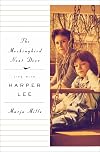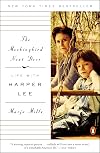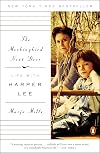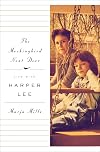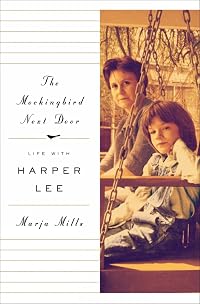
The Mockingbird Next Door: Life with Harper Lee
by Marja Mills
On This Page
Description
"One journalist's memoir of her personal friendship with Harper Lee and her sister, drawing on the extraordinary access they gave her to share the story of their lives. To Kill a Mockingbird by Harper Lee is one of the best loved novels of the twentieth century. But for the last fifty years, the novel's celebrated author, Harper Lee, has said almost nothing on the record. Journalists have trekked to her hometown of Monroeville, Alabama, where Harper Lee, known by her friends as Nelle, has show more lived with her sister, Alice, for decades, trying and failing to get an interview with the author. But in 2001, the Lee sisters opened their door for Chicago Tribune reporter Marja Mills. It was the beginning of a long conversation-and a friendship that has continued ever since. In 2004, with the Lees' encouragement, Mills moved into the house next door to the sisters. She spent the next eighteen months there, talking and sharing stories over meals and daily drives in the countryside. Along with members of the Lees' tight inner circle, the sisters and Mills would go fishing, feed the ducks, go to the Laundromat, watch the Crimson Tide, drink coffee at McDonald's, and explore all over lower Alabama. Nelle shared her love of history, literature, and the quirky Southern way of life with Mills, as well as her keen sense of how journalism should be practiced. As the sisters decided to let Mills tell their story, Nelle helped make sure she was getting the story-and the South-right. Alice, the keeper of the Lee family history, shared the stories of their family. The Mockingbird Next Door is the story of Mills's friendship with the Lee sisters. It is a testament to the great intelligence, sharp wit, and tremendous storytelling power of these two women, especially that of Nelle. Mills was given a rare opportunity to know Nelle Harper Lee, to be part of the Lees' life in Alabama, and to hear them reflect on their upbringing, their corner of the Deep South, how To Kill a Mockingbird affected their lives, and why Nelle Harper Lee chose to never write another novel"-- show lessTags
Recommendations


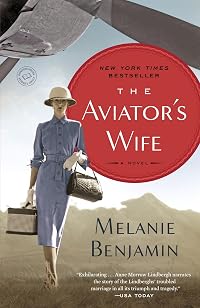
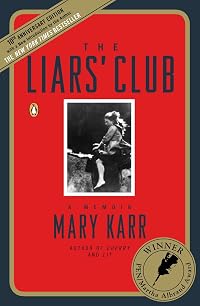
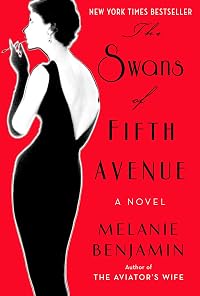
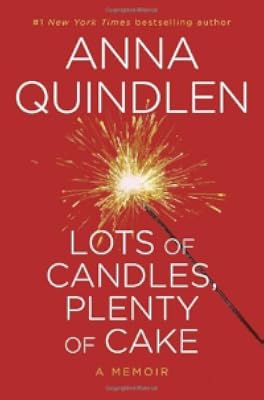
Member Recommendations
akblanchard In both books, journalists get personally involved with their subjects.
Member Reviews
Audiobook narrated by Amy Lynn Stewart
3.5***
Chicago Tribune journalist Marja Mills was sent to Monroeville Alabama on an assignment – the Chicago Public Library had picked To Kill a Mockingbird for it’s “One Book, One Chicago” project and her editor wanted some background. She had no real hope of interviewing Harper Lee, but decided she had to at least try. So she went to the Lee sisters’ home and rang the doorbell. She met Alice who graciously invited her in and spoke at length and on the record for the newspaper article. The next day Alice gave Mills more time and introduced her to their long-time friend and minister. And then the unexpected happened… Nelle Harper Lee called Mills and suggested they meet.
Over time Mills show more became friends with the sisters. A health crisis required her to take a bit of a sabbatical, and a warmer climate and gentler lifestyle were recommended, so she decided to rent a house in Monroeville. And that house was right next door to the Lees. In this book, Mills tries to chronicle her experiences over several years of shared meals, drives in the country, trips to the cemetery, and Scotch on the front porch, and what she learned from the sisters about the South, religion, faith, family and justice.
I found it engaging and interesting, though at time repetitive. I’m aware of the controversy that surrounded its publication, but that did nothing to diminish my enjoyment of this book.
Amy Lynn Stewart does a fine job of narrating the audiobook. There were times when I felt that Nelle or Alice was speaking directly to me, relating a story about their parents or a cousin’s automobile mishap. show less
3.5***
Chicago Tribune journalist Marja Mills was sent to Monroeville Alabama on an assignment – the Chicago Public Library had picked To Kill a Mockingbird for it’s “One Book, One Chicago” project and her editor wanted some background. She had no real hope of interviewing Harper Lee, but decided she had to at least try. So she went to the Lee sisters’ home and rang the doorbell. She met Alice who graciously invited her in and spoke at length and on the record for the newspaper article. The next day Alice gave Mills more time and introduced her to their long-time friend and minister. And then the unexpected happened… Nelle Harper Lee called Mills and suggested they meet.
Over time Mills show more became friends with the sisters. A health crisis required her to take a bit of a sabbatical, and a warmer climate and gentler lifestyle were recommended, so she decided to rent a house in Monroeville. And that house was right next door to the Lees. In this book, Mills tries to chronicle her experiences over several years of shared meals, drives in the country, trips to the cemetery, and Scotch on the front porch, and what she learned from the sisters about the South, religion, faith, family and justice.
I found it engaging and interesting, though at time repetitive. I’m aware of the controversy that surrounded its publication, but that did nothing to diminish my enjoyment of this book.
Amy Lynn Stewart does a fine job of narrating the audiobook. There were times when I felt that Nelle or Alice was speaking directly to me, relating a story about their parents or a cousin’s automobile mishap. show less
Well, that was a waste of time.
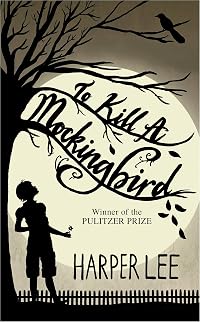
After having read the very good Go Set a Watchman and rereading the excellent To Kill a Mockingbird, I figured it would be good to get a little insight into the author of both, and how she came to write the novel that has been famous for almost six decades.
Instead, I got a story about a black hole. Basically, this is a novel about the author and her daily eating, driving and hanging out with the Lee sisters. She wastes a serious amount of narrative on unimportant things like how Harper likes to eat, etc. She also repeats things that were brought up in the first quarter of the book and relays them, word for word, a second time.
But possibly the most frustrating thing, at least to me, was the whole black hole show more effect.
Black holes can't be seen. The only reason we know they are there is due to all of the activity that goes on around them. This is essentially how Mills approached this book. She talks constantly about the hours and hours and hours of wonderful stories she captured on tape from the sisters...but doesn't tell us any of them. She alludes to a wonderful story that Harper tells her during one of their many outings...but doesn't actually relay it.
She also mentions quite early that Harper's decision to not write a second novel was not a single decision, but a series of small ones that accumulated over time...but doesn't show us any of those.
She addresses the Truman Capote issue reasonably straight on, but that's about it.
Oh, and she has no problem letting us know how the Lee sisters constantly state how highly they regard her, as well as her journalistic integrity.
So, really, this is an almost 300-page advertisement for a writer that is not very good. But hey, she got to hang with Harper Lee for over a year.
Too bad she couldn't have found something engaging to write about in all that time. show less
After having read the very good Go Set a Watchman and rereading the excellent To Kill a Mockingbird, I figured it would be good to get a little insight into the author of both, and how she came to write the novel that has been famous for almost six decades.
Instead, I got a story about a black hole. Basically, this is a novel about the author and her daily eating, driving and hanging out with the Lee sisters. She wastes a serious amount of narrative on unimportant things like how Harper likes to eat, etc. She also repeats things that were brought up in the first quarter of the book and relays them, word for word, a second time.
But possibly the most frustrating thing, at least to me, was the whole black hole show more effect.
Black holes can't be seen. The only reason we know they are there is due to all of the activity that goes on around them. This is essentially how Mills approached this book. She talks constantly about the hours and hours and hours of wonderful stories she captured on tape from the sisters...but doesn't tell us any of them. She alludes to a wonderful story that Harper tells her during one of their many outings...but doesn't actually relay it.
She also mentions quite early that Harper's decision to not write a second novel was not a single decision, but a series of small ones that accumulated over time...but doesn't show us any of those.
She addresses the Truman Capote issue reasonably straight on, but that's about it.
Oh, and she has no problem letting us know how the Lee sisters constantly state how highly they regard her, as well as her journalistic integrity.
So, really, this is an almost 300-page advertisement for a writer that is not very good. But hey, she got to hang with Harper Lee for over a year.
Too bad she couldn't have found something engaging to write about in all that time. show less
Like so many other, I’ve always loved To Kill a Mockingbird. In 2011 I took a road trip and we visited the Mockingbird museum in Monroeville, Alabama. We got to see the original site where Harper Lee and Truman Capote’s homes were and we even ate at a few local places said to be Lee’s favorites. I think that trip is a huge part of why I enjoyed this book so much.
Reading about the author’s own trips to the same place brought back great memories. Her first person account of getting to know the Lee sisters takes place in the tiny town of Monroeville. We had stayed in the same hotel and ate at the same restaurants. Mills visits Lee’s hometown for a simple article, assuming she’ll never have the opportunity to speak with the show more infamous author herself. Yet over the course of the next few years she actually becomes friends with the author and rents a house next door for a while. They watched movies from Netflix together and shared the occasional cup of coffee in the morning.
It was like sinking into a porch rocker on a humid afternoon. Mills tells you about the slow, unexpected friendship in a leisurely way that suits the setting. Lee comes across as witty and feisty. If the whole things had been fiction I wouldn’t have been surprised because it reads like such a dream for any fan of TKAM.
Mill’s portrait is exactly how I always pictured Lee would actually be. I’ve heard about the recent complaints about the authenticity of the book. I hope it’s all unfounded. I suppose there’s no way to know for sure, but in my opinion I felt like the author was constantly respectful of the Lees and their privacy. There’s no feel of privacy being evaded or secrets being aired to the public. It’s just a glimpse into their quiet world.
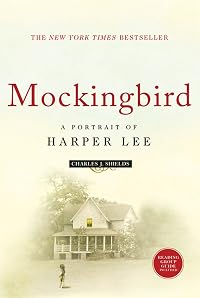
A few years ago I read Mockingbird: A Portrait of Harper Lee by Charles J. Shields. It came across as dry and a bit boring. I think the thing that was obviously missing is that irreplaceable spark that Harper Lee herself provides.
I loved the honest way it addressed Lee’s complicated relationship with fame. The sincerity about being proud of her work, but hating the attention and press that came with it. She was honored when she won the Pulitzer, but she still didn’t want to go through the stress of publishing another book.
BOTTOM LINE: A wonderful read for any fan of To Kill a Mockingbird. It’s also a great way to get excited before the release of Go Set a Watchman on July 14th! show less
Reading about the author’s own trips to the same place brought back great memories. Her first person account of getting to know the Lee sisters takes place in the tiny town of Monroeville. We had stayed in the same hotel and ate at the same restaurants. Mills visits Lee’s hometown for a simple article, assuming she’ll never have the opportunity to speak with the show more infamous author herself. Yet over the course of the next few years she actually becomes friends with the author and rents a house next door for a while. They watched movies from Netflix together and shared the occasional cup of coffee in the morning.
It was like sinking into a porch rocker on a humid afternoon. Mills tells you about the slow, unexpected friendship in a leisurely way that suits the setting. Lee comes across as witty and feisty. If the whole things had been fiction I wouldn’t have been surprised because it reads like such a dream for any fan of TKAM.
Mill’s portrait is exactly how I always pictured Lee would actually be. I’ve heard about the recent complaints about the authenticity of the book. I hope it’s all unfounded. I suppose there’s no way to know for sure, but in my opinion I felt like the author was constantly respectful of the Lees and their privacy. There’s no feel of privacy being evaded or secrets being aired to the public. It’s just a glimpse into their quiet world.
A few years ago I read Mockingbird: A Portrait of Harper Lee by Charles J. Shields. It came across as dry and a bit boring. I think the thing that was obviously missing is that irreplaceable spark that Harper Lee herself provides.
I loved the honest way it addressed Lee’s complicated relationship with fame. The sincerity about being proud of her work, but hating the attention and press that came with it. She was honored when she won the Pulitzer, but she still didn’t want to go through the stress of publishing another book.
BOTTOM LINE: A wonderful read for any fan of To Kill a Mockingbird. It’s also a great way to get excited before the release of Go Set a Watchman on July 14th! show less
Marja Mills' The Mockingbird Next Door: Life With Harper Lee will tell you everything you ever wanted to know about Marja Mills.
Negative reviewers on Goodreads are often urged to give a thought to the writers behind the books. These writers have hearts and souls and hopes and dreams. They care about what people say about their books.
Fair enough. But what if all we ever hear about in a book is the heart and soul and hopes and dreams of the author in question, when what we were really hoping for was a peek at the person the book's supposed to be about?
Perhaps reading this book is fitting punishment for anyone who wanted to read this book in the first place. Harper Lee, after all, insists that this book was not written with her approval or show more consent.
If you need a better reason not to read it, how about: it's boring.
Even if every word Mills wrote about Harper Lee is God's own truth, you're better off reading Lee's Wikipedia entry. It has more information, and it's short and to the point.
Reading this book will expose you to such deathless prose as Marja Mills taking an entire paragraph to knock on Harper Lee's door:
I raised my hand to knock and stopped. It occurred to me my cardigan might smell like the mildew that was my unwelcome roommate for the time being. The baskets of scented Walmart pine cones I placed strategically around the house only meant that the place now smelled of mildew with an odd note of cinnamon. Me, too? I lifted my forearm to my face and sniffed. Not great but passable. I knocked.
That's right, kids. She gets to Lee's door, thinks about knocking on the door, and then knocks on her door, only taking about a hundred words to do so.
If the door drama sounds almost too exciting, bear in mind that there are also paper towels.
Julia put the bowl on the counter to my left and set out a paper towel.
"For the seeds."
Mills obediently slips her scuppernong seeds into the paper towel a few paragraphs later. And then, on the next page:
I realized I was still holding the crumpled paper towel.
"Is there a..."
"I'll take that," Julia said. She threw away the paper towel and returned to the stove.
If that's not enough paper-product drama for you, have no fear! About forty pages later, there are: more paper towels!
The paper towel dispenser was on the wall, several steps from where Alice stood. To reach it, she would have had to grip her walker with wet hands. I handed her a paper towel.
Alice dried her hands and then matter-of-factly wiped clean the area around the sink.
There's more, but I'm having a hard time staying awake so you're just going to have to imagine it.
If you need more reasons not to read this book, or something to help you fall asleep tonight, I offer you the following lengthy, pointless mess:
Late one morning, Nelle [Harper Lee] and I were taking the long way back from McDonald's to West Avenue. Instead of making the usual right onto Alabama, Nelle took the back way out of the McDonald's lot. She made a left onto the Highway 21 Bypass. We sped along past the Subway sandwich shop and the Ace Hardware store, both to our left, and up the incline to the intersection with Pineville Road. The Bypass ended here. Turn right and you were on the rural stretch of highway to Julia Munnerlyn's house in the country and, just beyond, to the tiny town of Peterman.
Turn left on Pineville, as we did, and you were headed toward the Methodist church. Immediately to our right, we drove past a couple of abandoned structures, a weathered house and a dilapidated gas station, neither of which looked to have been occupied since the Depression, give or take. We passed Dale's large redbrick Baptist church on our right. Nelle slowed and glanced over at me. We were coming up on First Methodist, its white steeple stately against a blue sky.
"Do you mind if we stop off in the cemetery?"
I did not mind.
She knew her way around the cemetery and idled the car in front of a few headstones. They weren't names I recognized. She didn't volunteer information about the interred and I didn't ask. Something reminded her of a story and a smile spread.
"Has Alice told you about our Aunt Alice and Cousin Louie encountering a problem at the cemetery?" Nelle laughed.
I'd heard about other Aunt Alice capers, to be sure, but none in a cemetery.
"You see, Cousin Louie took Aunt Alice and a couple of other old ladies to pay a visit to the cemetery." This was not in Monroeville but, she thought, Atmore. They paid their respects at a number of graves, and were having a perfectly pleasant outing, as cemetery visits go. Then Louie, who was driving, got the underside of the car caught on a mound of grass – more of a small, steep hill – she tried to drive over. The car was stuck there, like a turtle on a short pole.
Louie tried to go forward. Nothing. She tried to put the sedan in reverse. Nothing. They were stuck. The ladies peered out the car windows. They would have to half-step, half-drop out of the car to get out. And then there still would be the problem of what to do next.
Louie clambered down onto the grass from the driver's seat. She took several steps back and surveyed the situation. She walked around the car, perched firmly atop the grass mound, and issued her report to the others, who remained in the vehicle.
"What confronts us," Louie declared, "is a problem of physics."
Nelle dissolved into laughter as she said this, so much so that I never did hear the solution.
I hope you didn't doze off and miss key details like passing the Subway sandwich shop on the way to that unfinished, only-funny-if-you-were-there-for-it non-story.
If reading that made you hunger for a couple of hundred more pages of such writing, read this book. If it inspired you to Google Steve Martin's frenzied rant on how not everything is an anecdote, don't. show less
Negative reviewers on Goodreads are often urged to give a thought to the writers behind the books. These writers have hearts and souls and hopes and dreams. They care about what people say about their books.
Fair enough. But what if all we ever hear about in a book is the heart and soul and hopes and dreams of the author in question, when what we were really hoping for was a peek at the person the book's supposed to be about?
Perhaps reading this book is fitting punishment for anyone who wanted to read this book in the first place. Harper Lee, after all, insists that this book was not written with her approval or show more consent.
If you need a better reason not to read it, how about: it's boring.
Even if every word Mills wrote about Harper Lee is God's own truth, you're better off reading Lee's Wikipedia entry. It has more information, and it's short and to the point.
Reading this book will expose you to such deathless prose as Marja Mills taking an entire paragraph to knock on Harper Lee's door:
I raised my hand to knock and stopped. It occurred to me my cardigan might smell like the mildew that was my unwelcome roommate for the time being. The baskets of scented Walmart pine cones I placed strategically around the house only meant that the place now smelled of mildew with an odd note of cinnamon. Me, too? I lifted my forearm to my face and sniffed. Not great but passable. I knocked.
That's right, kids. She gets to Lee's door, thinks about knocking on the door, and then knocks on her door, only taking about a hundred words to do so.
If the door drama sounds almost too exciting, bear in mind that there are also paper towels.
Julia put the bowl on the counter to my left and set out a paper towel.
"For the seeds."
Mills obediently slips her scuppernong seeds into the paper towel a few paragraphs later. And then, on the next page:
I realized I was still holding the crumpled paper towel.
"Is there a..."
"I'll take that," Julia said. She threw away the paper towel and returned to the stove.
If that's not enough paper-product drama for you, have no fear! About forty pages later, there are: more paper towels!
The paper towel dispenser was on the wall, several steps from where Alice stood. To reach it, she would have had to grip her walker with wet hands. I handed her a paper towel.
Alice dried her hands and then matter-of-factly wiped clean the area around the sink.
There's more, but I'm having a hard time staying awake so you're just going to have to imagine it.
If you need more reasons not to read this book, or something to help you fall asleep tonight, I offer you the following lengthy, pointless mess:
Late one morning, Nelle [Harper Lee] and I were taking the long way back from McDonald's to West Avenue. Instead of making the usual right onto Alabama, Nelle took the back way out of the McDonald's lot. She made a left onto the Highway 21 Bypass. We sped along past the Subway sandwich shop and the Ace Hardware store, both to our left, and up the incline to the intersection with Pineville Road. The Bypass ended here. Turn right and you were on the rural stretch of highway to Julia Munnerlyn's house in the country and, just beyond, to the tiny town of Peterman.
Turn left on Pineville, as we did, and you were headed toward the Methodist church. Immediately to our right, we drove past a couple of abandoned structures, a weathered house and a dilapidated gas station, neither of which looked to have been occupied since the Depression, give or take. We passed Dale's large redbrick Baptist church on our right. Nelle slowed and glanced over at me. We were coming up on First Methodist, its white steeple stately against a blue sky.
"Do you mind if we stop off in the cemetery?"
I did not mind.
She knew her way around the cemetery and idled the car in front of a few headstones. They weren't names I recognized. She didn't volunteer information about the interred and I didn't ask. Something reminded her of a story and a smile spread.
"Has Alice told you about our Aunt Alice and Cousin Louie encountering a problem at the cemetery?" Nelle laughed.
I'd heard about other Aunt Alice capers, to be sure, but none in a cemetery.
"You see, Cousin Louie took Aunt Alice and a couple of other old ladies to pay a visit to the cemetery." This was not in Monroeville but, she thought, Atmore. They paid their respects at a number of graves, and were having a perfectly pleasant outing, as cemetery visits go. Then Louie, who was driving, got the underside of the car caught on a mound of grass – more of a small, steep hill – she tried to drive over. The car was stuck there, like a turtle on a short pole.
Louie tried to go forward. Nothing. She tried to put the sedan in reverse. Nothing. They were stuck. The ladies peered out the car windows. They would have to half-step, half-drop out of the car to get out. And then there still would be the problem of what to do next.
Louie clambered down onto the grass from the driver's seat. She took several steps back and surveyed the situation. She walked around the car, perched firmly atop the grass mound, and issued her report to the others, who remained in the vehicle.
"What confronts us," Louie declared, "is a problem of physics."
Nelle dissolved into laughter as she said this, so much so that I never did hear the solution.
I hope you didn't doze off and miss key details like passing the Subway sandwich shop on the way to that unfinished, only-funny-if-you-were-there-for-it non-story.
If reading that made you hunger for a couple of hundred more pages of such writing, read this book. If it inspired you to Google Steve Martin's frenzied rant on how not everything is an anecdote, don't. show less
Periodically, there is a book that I don't want to end, one that haunts and stays with me long after the last page is finished. This is such a book.
The author had the very rare, precious experience of gaining the Lee women's trust. Since 1964, Harper Lee refused interviews. When this journalist/author began a relationship with Alice Lee and Nelle Harper Lee, she knew she walked on precious ground and needed to tread softly on specific topics.
Learning about southern mores and Monroeville, Alabama where Harper Lee and her elderly sister Alice reside, provided insight into the motivation for To Kill a Mockingbird.
I could write paragraphs about my love of To Kill a Mockingbird, but in the end, it all comes down to one thing. In my mind and show more heart, there is no other book like this one. An avid reader since childhood, I've read thousands of books. Since reading To Kill a Mockingbird in 1969, there are none to compare.
Marja Mills writes slowly, lovely, and gives a wonderful telling of these two spunky, highly intelligent ladies. This is not a trashy tell all book, rather it is a sweet, wonderful tale of two women who live quietly, humbly in a small town populated by 7,000 people.
It was wonderful to learn, but not surprising, that their tiny, humble house is overtaken by books, books and more books. To be invited inside the home of Harper Lee via the author is a rare and wonderful treat.
Fortunately, the author was able to pull together an incredible book based on thousands of conversations and years of knowing the Lee sisters.
A few years ago, Harper sustained a massive stroke, and now resides in a managed care facility. Hard of hearing, suffering from severe memory loss, the author was able to capture a time before Harper Lee struggled with so many health issues.
This books is highly recommended for those like me who love To Kill a Mockingbird!
Five Wonderful Stars show less
The author had the very rare, precious experience of gaining the Lee women's trust. Since 1964, Harper Lee refused interviews. When this journalist/author began a relationship with Alice Lee and Nelle Harper Lee, she knew she walked on precious ground and needed to tread softly on specific topics.
Learning about southern mores and Monroeville, Alabama where Harper Lee and her elderly sister Alice reside, provided insight into the motivation for To Kill a Mockingbird.
I could write paragraphs about my love of To Kill a Mockingbird, but in the end, it all comes down to one thing. In my mind and show more heart, there is no other book like this one. An avid reader since childhood, I've read thousands of books. Since reading To Kill a Mockingbird in 1969, there are none to compare.
Marja Mills writes slowly, lovely, and gives a wonderful telling of these two spunky, highly intelligent ladies. This is not a trashy tell all book, rather it is a sweet, wonderful tale of two women who live quietly, humbly in a small town populated by 7,000 people.
It was wonderful to learn, but not surprising, that their tiny, humble house is overtaken by books, books and more books. To be invited inside the home of Harper Lee via the author is a rare and wonderful treat.
Fortunately, the author was able to pull together an incredible book based on thousands of conversations and years of knowing the Lee sisters.
A few years ago, Harper sustained a massive stroke, and now resides in a managed care facility. Hard of hearing, suffering from severe memory loss, the author was able to capture a time before Harper Lee struggled with so many health issues.
This books is highly recommended for those like me who love To Kill a Mockingbird!
Five Wonderful Stars show less
This is not a biography, as Mills respected the privacy of Nelle Harper Lee and did not share all she was told. What we do learn is that Nelle (pronounced 'Nell') had a complex personality. We also grow to appreciate her older sister Alice who stayed in Monroeville and followed their father's calling as a lawyer and was a fount of knowledge about local history and personages. At times a reciting of daily minutiae, these happenings are put together well enough that the tale is never boring. It does make one hope that Mills will write a more expansive book about the family after the sisters have died, but I suspect that this may never happen because of the energy-draining effects of her lupus. At the very least, one hopes that her notes show more will be preserved for future historians.
The deliberate, reasonable tone of voice of this audiobook supported the cautious, protective writing about Mills' friendship with this famous author. show less
The deliberate, reasonable tone of voice of this audiobook supported the cautious, protective writing about Mills' friendship with this famous author. show less
Like J.D. Salinger, Harper Lee is a mysterious figure in twentieth-century American literature. Her first and only novel, To Kill a Mockingbird (1960) was an instant success that won a Pulitzer Prize and was made into an Oscar-winning movie, yet Lee never wrote again for publication. Notoriously publicity-shy, she turned down all requests for interviews, until one day in 2001, when Chicago Tribune reporter Marja Mills knocked the door of the house Lee shared with her sister, Alice, in Monroeville, Alabama. Mills developed a close friendship with Lee (Nelle to her friends) and Alice, and even moved into the house next door to them. For fifteen months, Mills shared in the elderly ladies' daily routines, which mostly consisted of going out show more to dinner or coffee with them and their various Monroeville friends.
And that's about it.
If you are hoping for a tell-all biography that will reveal the hidden aspects (or dirty laundry) of Nelle Harper Lee's life, this isn't that book. At the beginning of Mill's project, the sisters told the reporter that they would trust her judgment regarding what she would include and what she would leave out. Mills writes that "[w]ith the Lees as my teachers, I learned more about literature, family, history, faith, friendship, and fun than I did in any classroom" (p. 2). That may be, but Mills keeps much of what she learned rather vague. For example, the Lee sisters, especially Alice, were involved in their Methodist congregation, and Alice was active at the denominational level, but what their faith meant to them on as believers is not discussed. Perhaps the Lee sisters did not think that that was a proper topic of conversation.
Remarkably, the author of To Kill a Mockingbird and her sister, a lawyer who is described repeatedly as "Atticus Finch in skirts", have nothing to say about the current state of race relations in the South other than that they hope that their African-American housekeeper "knows how much [they] love her." (p. 136).
This book is a heartfelt tribute to the two Lee sisters and to the "old days" of Monroeville. I can't bring myself to be too critical of this book. Nonetheless, the narrative moves at a snail's pace, and I would only recommend it for readers who really loved To Kill a Mockingbird. show less
And that's about it.
If you are hoping for a tell-all biography that will reveal the hidden aspects (or dirty laundry) of Nelle Harper Lee's life, this isn't that book. At the beginning of Mill's project, the sisters told the reporter that they would trust her judgment regarding what she would include and what she would leave out. Mills writes that "[w]ith the Lees as my teachers, I learned more about literature, family, history, faith, friendship, and fun than I did in any classroom" (p. 2). That may be, but Mills keeps much of what she learned rather vague. For example, the Lee sisters, especially Alice, were involved in their Methodist congregation, and Alice was active at the denominational level, but what their faith meant to them on as believers is not discussed. Perhaps the Lee sisters did not think that that was a proper topic of conversation.
Remarkably, the author of To Kill a Mockingbird and her sister, a lawyer who is described repeatedly as "Atticus Finch in skirts", have nothing to say about the current state of race relations in the South other than that they hope that their African-American housekeeper "knows how much [they] love her." (p. 136).
This book is a heartfelt tribute to the two Lee sisters and to the "old days" of Monroeville. I can't bring myself to be too critical of this book. Nonetheless, the narrative moves at a snail's pace, and I would only recommend it for readers who really loved To Kill a Mockingbird. show less
Members
- Recently Added By
Lists

C'ville Page Turners
6 works; 1 member

Author Information
1 Work 590 Members
Awards and Honors
Awards
Distinctions
Common Knowledge
- Original publication date
- 2014
- People/Characters
- Harper Lee
- Important places
- Monroeville, Alabama, USA
- Dedication
- For my parents, Dave and Carla Mills
- First words
- In the summer of 2005, I was having coffee at Burger King with Harper Lee. -Prologue
"Do you want to take a trip? You can say no." -Chapter One - Canonical DDC/MDS
- 813.54
- Canonical LCC
- PS3562.E353
Classifications
Statistics
- Members
- 590
- Popularity
- 49,737
- Reviews
- 30
- Rating
- (3.44)
- Languages
- English
- Media
- Paper, Audiobook, Ebook
- ISBNs
- 7
- ASINs
- 5