Seventeenth Summer
by Maureen Daly
On This Page
Description
Seventeen-year-old Angie, living with her family in Fond du Lac, Wisconsin, finds herself in love for the first time the summer after high school graduation.Tags
Recommendations










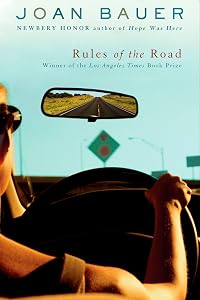
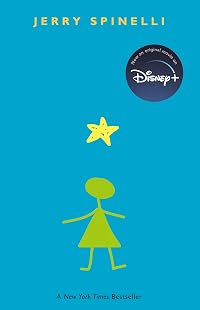
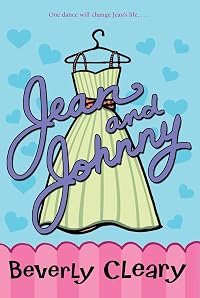


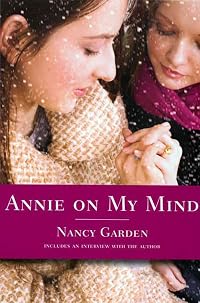








Member Reviews
It was really hard to get into this one, but I decided to picture Angie as a young Katherine Hepburn, and that helped me stay in the right era (well, almost).
As a historical artifact, this book shows so much about gender roles and expectations, and class issues of the time. It also displays the kind of simplistic, rosy atmosphere of the literature for young people 65 years ago. However, I don't necessarily think that this book needs to be relegated to the archives just yet. While the characters are extraordinarily bland, much detail and description is given to the landscape. Also, the overly melodramatic tone of Angie's thoughts is sure to appeal to readers the way that Anne Shirley's and Jo March's do.
Seventeen Summer makes an show more excellent read-together with The Disreputable History of Frankie Landau-Banks (Lockhart), because it perfectly represents the world that Frankie is so ardently rebelling against.
In the end, I found myself becoming rather sentimental about ol' Angie and Jack, very much the way I might when watching old movies. As contemporary fiction, this book is rather appalling; but as historical fiction, I think it still works. show less
As a historical artifact, this book shows so much about gender roles and expectations, and class issues of the time. It also displays the kind of simplistic, rosy atmosphere of the literature for young people 65 years ago. However, I don't necessarily think that this book needs to be relegated to the archives just yet. While the characters are extraordinarily bland, much detail and description is given to the landscape. Also, the overly melodramatic tone of Angie's thoughts is sure to appeal to readers the way that Anne Shirley's and Jo March's do.
Seventeen Summer makes an show more excellent read-together with The Disreputable History of Frankie Landau-Banks (Lockhart), because it perfectly represents the world that Frankie is so ardently rebelling against.
In the end, I found myself becoming rather sentimental about ol' Angie and Jack, very much the way I might when watching old movies. As contemporary fiction, this book is rather appalling; but as historical fiction, I think it still works. show less
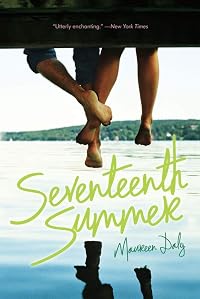
The cover design is misleading; this is a reprint of a book that was originally published in 1942, more than a quarter century before the publication of Forever by Judy Blume. The themes are similar, but there is a monumental difference in the style and quality of writing as well as the characters' attitudes about sexuality. To be fair, Daly wrote Seventeenth Summer in college, and Blume was considerably older and had more writing experience when she wrote Forever; still, Seventeenth Summer would be a much shorter book without quite so much description (many things are described as "oddly sensuous," and there is much about the garden and the moon, etc.).
These books reflect the time periods in which they were written. Blume writes show more straightforwardly about teenage relationships and sex, and her character Katherine seems to know her own mind and be in touch with her own feelings; she has real discussions with friends, parents, and her boyfriend Michael. Her parents' attitudes are much more progressive than those of the parents of Angie, Daly's protagonist. Blume's honest handling of teenage sexuality, in fact, caused (and still causes, to some extent) much controversy.
Angie Morrow, however, hardly resembles Katherine. She and her family - mother, often-absent father (he is a traveling salesman of sorts, often gone during the week and home at weekends), two older sisters and one younger - are much more conservative, and this is reflected in their speech, activity, and thoughts. They seem to do little other than clean house, prepare for and eat dinner (lunch) and supper, drink tea, and garden. Everyone is reticent about their thoughts and feelings. Angie feels older away from her family, with friends: "At home they cared about what I thought, of course, but in a different way. They cared whether I would rather have pork chops or steak for dinner or whether I would rather have a white collar on my dress or no collar at all, but they didn't seem to think much or care what was actually in my head" (119). Frankly, however, what is in Angie's head isn't that interesting, and doesn't seem clear even to her. We know she is experiencing feelings that are new to her, but she can't articulate them even to herself, let alone anyone else. "After all, what would my mother say if she knew that I, who had just been out of high school six weeks, was feeling the way I was? Families just don't understand about such things."
Perhaps this is partially explained by her thought that "it was something like voting, that you weren't really supposed to start feeling with your heart until you were at least twenty-one" (152). This struck me as odd, especially at a time when people tended to get married younger. Angie, however, is wary of her mother even mentioning Jack, fearing the questions she might ask (e.g., "Wasn't I a little young to be liking a boy?")(203). Angie's parents seem to prefer that she date different boys rather than "go steady" with Jack - they think it is too early to be serious about any one boy, and Angie has internalized this opinion to some extent.
There is a significant difference between daytime and nighttime in the book. Angie's friend Margie says to her, "You know, Angie, that shows when a boy really likes a girl - when he wants to kiss her in the daytime!" (186). (Again, we are 30 years before Forever - kissing is as scandalous as it gets.) Yet even under the cover of the darkness of night, Angie is too shy (repressed?) to tell Jack how she feels about him; it really seems like she doesn't know, though twice he confesses his own feelings first, giving her an opportunity to reply (she doesn't. And he, bizarrely, doesn't press for a response). In the car with him one night, Angie reflects, "As often as I had seen Jack and as much as I liked him I still felt almost afraid to be alone with him." There is such a lack of honest, clear communication between the two that it is no wonder she still feels uncomfortable and shy. Later, after he gives her the news that he is moving to Oklahoma with his family, she thinks, "I knew he expected me to say something...But I couldn't. I couldn't break down the shyness that always kept me from saying what I really thought and felt. It was, somehow, too embarrassing to be affectionate in the daytime and I couldn't even make myself touch his hand" (259-260).
Overall, I found this book to be overlong and a bit frustrating. Angie says goodbye to Jack and goes off to college without ever replying to his "I love you"; she never once truly confides in any of her sisters, her friends, or her mother, and even though the narration is first person, the reader isn't entirely clear on Angie's thoughts and feelings. Her feelings resemble a crush or the very beginning of a relationship more than they do love as it is thought of today - so perhaps she was right not to reply to Jack after all. show less
These books reflect the time periods in which they were written. Blume writes show more straightforwardly about teenage relationships and sex, and her character Katherine seems to know her own mind and be in touch with her own feelings; she has real discussions with friends, parents, and her boyfriend Michael. Her parents' attitudes are much more progressive than those of the parents of Angie, Daly's protagonist. Blume's honest handling of teenage sexuality, in fact, caused (and still causes, to some extent) much controversy.
Angie Morrow, however, hardly resembles Katherine. She and her family - mother, often-absent father (he is a traveling salesman of sorts, often gone during the week and home at weekends), two older sisters and one younger - are much more conservative, and this is reflected in their speech, activity, and thoughts. They seem to do little other than clean house, prepare for and eat dinner (lunch) and supper, drink tea, and garden. Everyone is reticent about their thoughts and feelings. Angie feels older away from her family, with friends: "At home they cared about what I thought, of course, but in a different way. They cared whether I would rather have pork chops or steak for dinner or whether I would rather have a white collar on my dress or no collar at all, but they didn't seem to think much or care what was actually in my head" (119). Frankly, however, what is in Angie's head isn't that interesting, and doesn't seem clear even to her. We know she is experiencing feelings that are new to her, but she can't articulate them even to herself, let alone anyone else. "After all, what would my mother say if she knew that I, who had just been out of high school six weeks, was feeling the way I was? Families just don't understand about such things."
Perhaps this is partially explained by her thought that "it was something like voting, that you weren't really supposed to start feeling with your heart until you were at least twenty-one" (152). This struck me as odd, especially at a time when people tended to get married younger. Angie, however, is wary of her mother even mentioning Jack, fearing the questions she might ask (e.g., "Wasn't I a little young to be liking a boy?")(203). Angie's parents seem to prefer that she date different boys rather than "go steady" with Jack - they think it is too early to be serious about any one boy, and Angie has internalized this opinion to some extent.
There is a significant difference between daytime and nighttime in the book. Angie's friend Margie says to her, "You know, Angie, that shows when a boy really likes a girl - when he wants to kiss her in the daytime!" (186). (Again, we are 30 years before Forever - kissing is as scandalous as it gets.) Yet even under the cover of the darkness of night, Angie is too shy (repressed?) to tell Jack how she feels about him; it really seems like she doesn't know, though twice he confesses his own feelings first, giving her an opportunity to reply (she doesn't. And he, bizarrely, doesn't press for a response). In the car with him one night, Angie reflects, "As often as I had seen Jack and as much as I liked him I still felt almost afraid to be alone with him." There is such a lack of honest, clear communication between the two that it is no wonder she still feels uncomfortable and shy. Later, after he gives her the news that he is moving to Oklahoma with his family, she thinks, "I knew he expected me to say something...But I couldn't. I couldn't break down the shyness that always kept me from saying what I really thought and felt. It was, somehow, too embarrassing to be affectionate in the daytime and I couldn't even make myself touch his hand" (259-260).
Overall, I found this book to be overlong and a bit frustrating. Angie says goodbye to Jack and goes off to college without ever replying to his "I love you"; she never once truly confides in any of her sisters, her friends, or her mother, and even though the narration is first person, the reader isn't entirely clear on Angie's thoughts and feelings. Her feelings resemble a crush or the very beginning of a relationship more than they do love as it is thought of today - so perhaps she was right not to reply to Jack after all. show less
"…It wasn’t puppy love, or infatuation, or love at first sight, or anything that people always talk about and laugh… People can’t tell you about things like that, you have to find them out for yourself."
I happened upon Seventeenth Summer while perusing the bookshelf in my seventh grade English class, back in middle school. Read and loved the book but, naturally, had to return it to the classroom shelf when I was through, so I procured a used copy for myself in my twenties and reread it. Still loved it.
Angie doesn’t relate a loud, racy, speedy, or sappy account about herself and Jack. The story’s (to steal a word from a quote I’m about to use because it’s in my head now and it fits) mellow essence and beautiful show more descriptions take you right into the warmth and leisure of a summer that is soon saturated with emotion, experience, and reflection without disturbing the ease of it all. Angie’s particular reflection about a wonderful oddity at the end of June is what most made me remember the book from my adolescence to my adulthood.
"And the thought in my mind was as warm and mellow as the sunlight. How odd, I thought. How wonderfully, wonderfully odd to be kissed in the middle of the afternoon."
It’s not a late 20th or early 21st Century romance and isn’t meant to be read like one. Even as a preteen, I relished the idea of a time and place where an afternoon kiss, even in the midst of a summer romance, would have been odd. Of course, being an 80s baby, I wouldn’t be able to testify about what young love was really like back in 1942, when the book was first published, and as another of course, this is only one story. One lone, fictional story. But the imagery is pleasing and unforgettable, the kind that makes a girl hope and dream—occupations in harmony with a summer of any number, one’s seventeenth or otherwise.
A lovely book, easily added to my all-time favorites. show less
I happened upon Seventeenth Summer while perusing the bookshelf in my seventh grade English class, back in middle school. Read and loved the book but, naturally, had to return it to the classroom shelf when I was through, so I procured a used copy for myself in my twenties and reread it. Still loved it.
Angie doesn’t relate a loud, racy, speedy, or sappy account about herself and Jack. The story’s (to steal a word from a quote I’m about to use because it’s in my head now and it fits) mellow essence and beautiful show more descriptions take you right into the warmth and leisure of a summer that is soon saturated with emotion, experience, and reflection without disturbing the ease of it all. Angie’s particular reflection about a wonderful oddity at the end of June is what most made me remember the book from my adolescence to my adulthood.
"And the thought in my mind was as warm and mellow as the sunlight. How odd, I thought. How wonderfully, wonderfully odd to be kissed in the middle of the afternoon."
It’s not a late 20th or early 21st Century romance and isn’t meant to be read like one. Even as a preteen, I relished the idea of a time and place where an afternoon kiss, even in the midst of a summer romance, would have been odd. Of course, being an 80s baby, I wouldn’t be able to testify about what young love was really like back in 1942, when the book was first published, and as another of course, this is only one story. One lone, fictional story. But the imagery is pleasing and unforgettable, the kind that makes a girl hope and dream—occupations in harmony with a summer of any number, one’s seventeenth or otherwise.
A lovely book, easily added to my all-time favorites. show less
It's been almost 50 years since I've read this book, but when I received note on Facebook asking me to list the 15 books that have always stuck with me, this booked popped into my mind and I was stunned that I could still remember the last sentence from the book: "An now I knew that it could come an come forever, slipping by in the breath of a moment, and yet never again would there by anything quite as wonderful as that seventeenth summer.
This book is a simple story of Angie and Jack. Jack is a boy from Fond du Lac High School in Wisconsin. Angie is from there too, but she's gone to a private girls' school and is a little up in class from Jack's family. Jack, however, is one of the popular boys in town - a star on the basketball team, show more class president & very good looking. He first notices Angie at the local drug store and asks her for a date sailing. What follows is the bittersweet story of first love, sett in the 1940's when the world was slower and simpler and girls savored a first kiss and still asked their parents permission to go out on dates.
Angie is headed to college; Jack is headed towards work, so you know that there will be an end to this romance. Still the reader savors the sweet longings of first love and a shy girl's insecurities navigating the teenage social milieu in a small town.
One can quibble with the writing - certainly that of a young woman who hasn't learned about realistic metaphors ("My thought slipped down like egg whites through my fingers" - indeed!) - but the emotions of Angie are so real and so true that the story remains timeless.
It's sad that today young people are so eager to experience sex that they are unable to see the true sweetness of that first, tentative kiss. show less
This book is a simple story of Angie and Jack. Jack is a boy from Fond du Lac High School in Wisconsin. Angie is from there too, but she's gone to a private girls' school and is a little up in class from Jack's family. Jack, however, is one of the popular boys in town - a star on the basketball team, show more class president & very good looking. He first notices Angie at the local drug store and asks her for a date sailing. What follows is the bittersweet story of first love, sett in the 1940's when the world was slower and simpler and girls savored a first kiss and still asked their parents permission to go out on dates.
Angie is headed to college; Jack is headed towards work, so you know that there will be an end to this romance. Still the reader savors the sweet longings of first love and a shy girl's insecurities navigating the teenage social milieu in a small town.
One can quibble with the writing - certainly that of a young woman who hasn't learned about realistic metaphors ("My thought slipped down like egg whites through my fingers" - indeed!) - but the emotions of Angie are so real and so true that the story remains timeless.
It's sad that today young people are so eager to experience sex that they are unable to see the true sweetness of that first, tentative kiss. show less
First published in 1942, the difference between writing today and several decades ago is very apparent in this lazy summer read.
Angie’s, the main character, home life is that of the forties and to the generation of today some of the expectations set forth upon her by her parents and society can be maddening.
When Angie and Jack fall in love the summer after their high school graduation Angie is slowly changed into what she never was before. She went to venues she never inhabited before, went to parties where kids did things she was never exposed to, and she was welcomed into a circle of friends which lived a little more daring and loosely then her.
To say Angie and Jack had a romantic summer fling could be misleading. Angie and Jack show more shared a courtship taking walks, going sailing, sharing picnics, taking drives, and going to daring house parties. Their personal growth made most of the story, as they grew into adults and grew together.
As slow as the story started it was abruptly ended with what I felt like unresolved feelings. Though the writing was thorough at times it dragged on spending pages upon pages of observations which could have been cut in half to make way for more of a story and the ongoing, slightly messy plot.
Even with the society that wasn’t our own and a relationship that might not seem fruitful to some I thought this was a great read to be shown a small glimpse of what living in the 40’s and 50’s were like. This is a great summer read. show less
Angie’s, the main character, home life is that of the forties and to the generation of today some of the expectations set forth upon her by her parents and society can be maddening.
When Angie and Jack fall in love the summer after their high school graduation Angie is slowly changed into what she never was before. She went to venues she never inhabited before, went to parties where kids did things she was never exposed to, and she was welcomed into a circle of friends which lived a little more daring and loosely then her.
To say Angie and Jack had a romantic summer fling could be misleading. Angie and Jack show more shared a courtship taking walks, going sailing, sharing picnics, taking drives, and going to daring house parties. Their personal growth made most of the story, as they grew into adults and grew together.
As slow as the story started it was abruptly ended with what I felt like unresolved feelings. Though the writing was thorough at times it dragged on spending pages upon pages of observations which could have been cut in half to make way for more of a story and the ongoing, slightly messy plot.
Even with the society that wasn’t our own and a relationship that might not seem fruitful to some I thought this was a great read to be shown a small glimpse of what living in the 40’s and 50’s were like. This is a great summer read. show less
I found this book at a library sale last year. It's a 2002 pb edition of Seventeenth Summer, first published in 1942. But I'd heard of the book years ago when I was still in college and then again while I was teaching in the early 70s. I guess I was curious to know what kind of a young adult book had managed to stay in print continuously for over sixty years. Because that is quite a feat in today's book world. Well, I found out. It's a very sweet, heartfelt book. A bit dated perhaps, but the quality of the writing holds up very well. The emotional rollercoaster of being 16 or 17 years old and "in love" for the first time in your life hasn't really changed all that much. The innocence of narrator Angie, at 17 and already a high school show more grad, is a bit much in today's world. Perhaps a 14 or 15 year-old could relate a bit more easily now. I was also looking for references to WWII, and how it might have affected these kids on the threshhold of adulthood. But there was no mention at all of the war, so I have to assume that Daly wrote the book in 1940 or 1941 (and it didn't get published until '42), before Pearl Harbor made the war such an immediate part of everyone's world. The descriptions of midwest, fairly small town life were excellent. The walks into town to the drugstore for a coke and peanuts, the movies, the home deliveries of baked goods and milk - the overall innocence and simplicity of a way of life that is gone now. All these things make this a book that is still fun to read. I will say that this is a very "girly" book in its point-of-view, so I confess to skimming much of it. My wife and my mother both quite enjoyed it though. Maureen Daly just died this past year, and her obituary cited Seventeenth Summer (written while she was still a college student) as one of her most important works. Still around after sixty-seven years? That's quite a legacy in itself. If you have a young teenage daughter or relative, this is a good book for her. It didn't really grab me, but that was mostly a gender thing. Good writing is still good writing. show less
A story of teen love in the 1940’s, this young adult book takes the reader back to the days of soda pop at the corner shop, while at the same time capturing the fluttering excitement of a first serious relationship. Angie and Jack, kids from two different backgrounds, experience the excitement of falling in love for the first time, and the bittersweet feeling when the summer must end. Maureen Daly writes with exquisite detail, and an authenticity that captures the mind’s eye and draws the reader into the scene with the characters.
Members
- Recently Added By
Lists

Books Set in Wisconsin
25 works; 7 members

Favorite Childhood Books
1,651 works; 515 members

Books Read in 2014
2,343 works; 89 members

Before Austen Comes Aesop
318 works; 9 members
Author Information
20+ Works 1,326 Members
Awards and Honors
Common Knowledge
- Canonical title
- Seventeenth Summer
- Original publication date
- 1942
- People/Characters
- Jack Duluth; Angie Morrow; Fiitz; Jane; Kitty; Lorraine (show all 9); Margie; Swede; Tony
- Important places
- Fond du Lac, Wisconsin, USA
- First words
- I don't know just why I'm telling you all this.
Classifications
Statistics
- Members
- 909
- Popularity
- 29,596
- Reviews
- 43
- Rating
- (3.20)
- Languages
- English, German
- Media
- Paper, Audiobook, Ebook
- ISBNs
- 30
- ASINs
- 14