On This Page
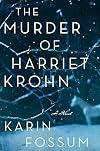
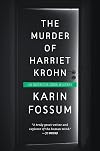
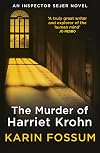
Description
"Tantalizing." — Washington Post"One of the standouts of the Nordic thriller boom." — New York Magazine
"No one can thoroughly chill the blood the way Karin Fossum can." — Los Angeles Times
"A truly great writer and explorer of the human mind." — Jo Nesbø
"The queen of Norwegian crime fiction . . . Prolific and brilliant." —Men's Journal
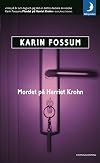
Charlo Torp, a newly recovered gambler, makes his way through the slush to Harriet Krohn's apartment, flowers in hand. Determined to pay off show more his debts, Charlo plans to steal the old woman's antique silver collection. But he didn't expect her to put up a fight. The following morning, Inspector Sejer is called to the scene to investigate. Harriet is dead, her silver missing, and the only clue in the apartment is an abandoned bouquet. When Charlo sees the news, he knows he should be relieved, but he's heard of Sejer's amazing record — the detective has solved every case he's ever been assigned to.
Told through the eyes of a killer, The Murder of Harriet Krohn poses the question: How far would you go to turn your life around, and could you live with yourself afterward?
. show less
Tags
Recommendations


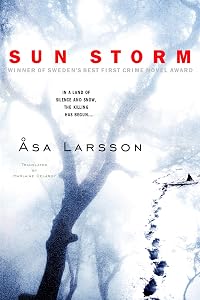
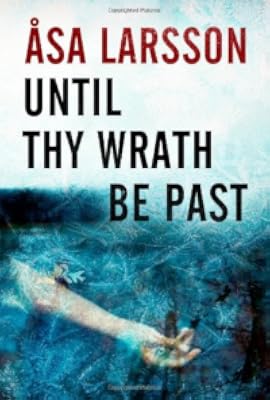


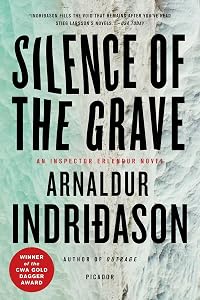
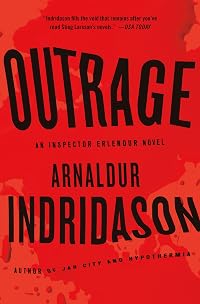
















Member Reviews
This is the saddest of Fossum's books I've read by far. It fits into the "What if an essentially good person who goes astray and does a very bad thing, does it for good reasons?". Of course it's not as simple as that but Fossum's skill in telling the story from the murderer's point of view is that I actually liked him and felt sorry for him, despite the terrible thing he does. As such it's a bleak and unrelenting tale.
Anyone who picks up The Murder of Harriet Krohn and expects to read a typical Konrad Sejer police procedural is in for a rude shock. This seventh book in the series is told from the killer's point of view. At the beginning, this is a successful ploy as we get to see just how messed up Charles Olav Torp's life is, how he's ruined his relationship with his 16-year-old daughter, how far he's willing to go in an attempt to straighten everything out-- and ultimately how self-deluded he is. Harriet Krohn isn't particularly sympathetic as a murder victim. She's abrasive, judgmental, and wrapped in a thick batting of entitlement. No, this book is all about Charlo... and the Sejer-sized shadow that looms ever larger in the background.
I've read show more the other books in Fossum's marvelous series, and as Charlo committed robbery and murder, I mentally cataloged each clue that he left for Sejer and his team to find. As certain things were released to the press, I smiled because I knew the inspector was closing in, and it certainly was interesting to see an interrogation through the killer's eyes. But Charlo just wasn't the right character to carry the entire weight of the narrative. Perhaps if he were an intelligent sort of killer capable of playing cat and mouse with a worthy adversary like Sejer, but he isn't. Charlo isn't particularly smart; he's self-centered, whiny, and pathetic, and after a while all his whining, all his complaints, all his justifications have gathered enough strength to pull a reader's interest right down into the dust.
It wasn't until I'd had time to digest this book a bit more that I felt a chill moving up my spine. Most criminals are exactly like Charles Olav Torp. They're not very smart. They can never accept responsibility for their own actions. They whine and complain. The Murder of Harriet Krohn may be Karin Fossum's warning to us all: Be careful. There are many more Charlos out there than we can ever realize, and they're all bringing their clouds of disaster with them. To share. show less
I've read show more the other books in Fossum's marvelous series, and as Charlo committed robbery and murder, I mentally cataloged each clue that he left for Sejer and his team to find. As certain things were released to the press, I smiled because I knew the inspector was closing in, and it certainly was interesting to see an interrogation through the killer's eyes. But Charlo just wasn't the right character to carry the entire weight of the narrative. Perhaps if he were an intelligent sort of killer capable of playing cat and mouse with a worthy adversary like Sejer, but he isn't. Charlo isn't particularly smart; he's self-centered, whiny, and pathetic, and after a while all his whining, all his complaints, all his justifications have gathered enough strength to pull a reader's interest right down into the dust.
It wasn't until I'd had time to digest this book a bit more that I felt a chill moving up my spine. Most criminals are exactly like Charles Olav Torp. They're not very smart. They can never accept responsibility for their own actions. They whine and complain. The Murder of Harriet Krohn may be Karin Fossum's warning to us all: Be careful. There are many more Charlos out there than we can ever realize, and they're all bringing their clouds of disaster with them. To share. show less
Any book by Karin Fossum is going to be a good book, but if the reader is looking for Inspector Sejer to appear front and centre in The Murder of Harriet Krohn, they are going to be disappointed. The book is entirely told through the murderer’s point of view, and I have to admit I would have enjoyed the book more if just the first third was written this way. At first I enjoyed this front row seat into the mind of a killer, but in this case, this was not a mind I cared to spend much time in.
This approach is very different for the series and I missed reading about Inspector Sejer and his painstaking method of solving a crime. In this case, Charles Torp, is looking for a solution to his gambling debts and so arrives at the home of show more Harriet Krohn, a frail and elderly woman who he thinks will be an easy target to rob. Of course Harriet has no intention of allowing herself to be robbed and the ensuing scuffle gets very violent. We find out what a weak character Charles Torp is and how he justifies the crime to himself. Of course little does he know that he left behind many clues for the Inspector and his team to follow. We feel the presence of the police just behind Torp and getting closer all the time. Torp pays off his gambling debt, and puts his efforts into mending fences with his daughter by buying her a horse.
I didn’t know in advance of the plot device that Fossum adopted for The Murder of Harriet Krohn but it was a clever and brave attempt at looking at a murder and it’s aftermath in a different way. The story is well executed, and her changing a police procedural into a psychological examination was interesting. Personally I hope this was a one-off as I am now ready to go back to the author’s original style. show less
This approach is very different for the series and I missed reading about Inspector Sejer and his painstaking method of solving a crime. In this case, Charles Torp, is looking for a solution to his gambling debts and so arrives at the home of show more Harriet Krohn, a frail and elderly woman who he thinks will be an easy target to rob. Of course Harriet has no intention of allowing herself to be robbed and the ensuing scuffle gets very violent. We find out what a weak character Charles Torp is and how he justifies the crime to himself. Of course little does he know that he left behind many clues for the Inspector and his team to follow. We feel the presence of the police just behind Torp and getting closer all the time. Torp pays off his gambling debt, and puts his efforts into mending fences with his daughter by buying her a horse.
I didn’t know in advance of the plot device that Fossum adopted for The Murder of Harriet Krohn but it was a clever and brave attempt at looking at a murder and it’s aftermath in a different way. The story is well executed, and her changing a police procedural into a psychological examination was interesting. Personally I hope this was a one-off as I am now ready to go back to the author’s original style. show less
The preoccupation for Scandinavian crime fiction of many readers is sometimes questioned. One response is to get people to read Karin Fossum's Inspector Konrad Sejer series. Within the one series, Fossum is able to shift the perspective, analyse the reasons why, explore the outcomes and long-term effects of crime, and play with accepted perceptions of clear cut resolutions. In THE MURDER OF HARRIET KROHN, whilst still part of the Sejer series, she's tipped the perspective completely - this is not a whodunnit, or even necessarily a whydunnit, but a how do you live with what you've just done.
There's absolutely no doubt from the opening set up of this book who Charlo Torp is, what a self-inflicted mess he's made of his life, and what his show more solution to the problem is. It's quite a chilling portrayal. The matter-of-fact way in which Torp sets out to murder Harriet Krohn and his initial reactions post the crime.
It would be an easy thing to have him remain ambivalent, self-justifying. Comfortable that his decision is what was required to sort out his own life and his relationship with his daughter. Certainly post his crime, and as a result of the money and possessions he steals, his life takes a turn for the better. He's able to reconnect with his daughter, he can provide her with the one thing she longs for more than anything else. But somewhere in the middle of all that happy ever after there's something more than just the pressure he's feeling from Inspector Sejer's investigation.
The investigation does take a back seat in this book, but fans of crime fiction that's all about the "chase" would be doing themselves a disservice by missing THE MURDER HARRIET KROHN. This is a carefully laid out, conservatively presented, seeringly understated, big dose of what goes around, comes around. The frightening thing is how blithely ignorant Torp is of what's happening, how his choices impact other people, and what he could have done differently. Until it's way too late.
http://www.austcrimefiction.org/review/review-murder-harriet-krohn-karin-fossum show less
There's absolutely no doubt from the opening set up of this book who Charlo Torp is, what a self-inflicted mess he's made of his life, and what his show more solution to the problem is. It's quite a chilling portrayal. The matter-of-fact way in which Torp sets out to murder Harriet Krohn and his initial reactions post the crime.
It would be an easy thing to have him remain ambivalent, self-justifying. Comfortable that his decision is what was required to sort out his own life and his relationship with his daughter. Certainly post his crime, and as a result of the money and possessions he steals, his life takes a turn for the better. He's able to reconnect with his daughter, he can provide her with the one thing she longs for more than anything else. But somewhere in the middle of all that happy ever after there's something more than just the pressure he's feeling from Inspector Sejer's investigation.
The investigation does take a back seat in this book, but fans of crime fiction that's all about the "chase" would be doing themselves a disservice by missing THE MURDER HARRIET KROHN. This is a carefully laid out, conservatively presented, seeringly understated, big dose of what goes around, comes around. The frightening thing is how blithely ignorant Torp is of what's happening, how his choices impact other people, and what he could have done differently. Until it's way too late.
http://www.austcrimefiction.org/review/review-murder-harriet-krohn-karin-fossum show less
A father writes a heartfelt letter to his estranged daughter. She is clearly the most important thing in his life, the reason, really, that he lives. Why won't she have anything to do with him?
Karin Fossum answers that question and more in The Murder of Harriet Krohn, an absorbing character study and crime novel. The father, Charlo, has had a serious gambling problem. His wife dying of cancer didn't help. He even gambled away the money they had put aside to buy a horse for his darling daughter.
Now that there is the chance his gambling creditors will come after him, Charlo has finally hit bottom. He's got to do something. So he does. He buys flowers and takes the bouquet one late, snowy night to the home of an elderly woman, Harriet show more Krohn, who lives alone.
Fossum, who often experiments with crime fiction tropes in her novels, next switches the focus to Harriet Krohn. She is small-minded, tightly wound, regimented, a skinflint. She is crippled with arthritis, but she is not a figure of sympathy. When the murder occurs, it's easy to see how the killer, over time, begins to blame the victim. If only she hadn't done this or done that, if only she had just let him take the silver and the cash, and leave.
This is just the beginning of the story. The major portion of the novel deals with what Charlo does after the fact. Will he get away with it? Will he feel guilty? Will he be reconciled with his daughter? And what of the police? Fossum's best character is Inspector Sejer. Is he going to show up?
Without incorporating spoilers, let's just say the rest of the book flies by as suspense grows over these questions. Charlo is a fascinating, flawed character who makes his own problems and is a victim of his choices and what matters to him. This is not a novel in which the author asks the reader to feel pity or empathy for the main character. Rather, it is an examination of what might lead a man to think murder is the only way to solve his problems, and how does someone go on after that happens? For an author who has done unusual things in her novels before, Fossum does not disappoint here. She shows how to let character dictate story. The Murder of Harriet Krohn is a remarkable book by an author who can explore ideas while entertaining. show less
Karin Fossum answers that question and more in The Murder of Harriet Krohn, an absorbing character study and crime novel. The father, Charlo, has had a serious gambling problem. His wife dying of cancer didn't help. He even gambled away the money they had put aside to buy a horse for his darling daughter.
Now that there is the chance his gambling creditors will come after him, Charlo has finally hit bottom. He's got to do something. So he does. He buys flowers and takes the bouquet one late, snowy night to the home of an elderly woman, Harriet show more Krohn, who lives alone.
Fossum, who often experiments with crime fiction tropes in her novels, next switches the focus to Harriet Krohn. She is small-minded, tightly wound, regimented, a skinflint. She is crippled with arthritis, but she is not a figure of sympathy. When the murder occurs, it's easy to see how the killer, over time, begins to blame the victim. If only she hadn't done this or done that, if only she had just let him take the silver and the cash, and leave.
This is just the beginning of the story. The major portion of the novel deals with what Charlo does after the fact. Will he get away with it? Will he feel guilty? Will he be reconciled with his daughter? And what of the police? Fossum's best character is Inspector Sejer. Is he going to show up?
Without incorporating spoilers, let's just say the rest of the book flies by as suspense grows over these questions. Charlo is a fascinating, flawed character who makes his own problems and is a victim of his choices and what matters to him. This is not a novel in which the author asks the reader to feel pity or empathy for the main character. Rather, it is an examination of what might lead a man to think murder is the only way to solve his problems, and how does someone go on after that happens? For an author who has done unusual things in her novels before, Fossum does not disappoint here. She shows how to let character dictate story. The Murder of Harriet Krohn is a remarkable book by an author who can explore ideas while entertaining. show less
If I’d been paying attention I probably wouldn’t have downloaded this particular book even though I’m a huge fan of Karin Fossum’s because stories told from the perspective of the killer are not one of my favourite things. But I started listening to Sean Barrett’s delightful narration (I admit I have a bit of a crush) before realising that this was one of those books and by the time I worked that out I was hooked. In an efficiently told (though somewhat confronting) opening set piece Fossum introduces us to our murder victim and her killer and even provides the motivation for the heinous act. Having taking care of in a few pages the things most crime novels require a whole book to resolve, she moves on to the issue of what show more consequences, if any, the murderer will incur either legally or…cosmically…for want of a better word. Given its unusual focus the book is probably not for everyone but I thought it a terrific read (listen).
Charlo Torp, the murdering anti-hero of the story, is a well drawn character, giving weight to my claim that characters don’t have to be likeable to engage me. He’s not a foaming-at-the-mouth killer (that would have been dull) but rather an ordinary man who has made a mess of his life and chooses the most unpleasant escape route imaginable. But that’s the point of him…you can imagine a real person (hopefully not yourself or anyone you know) doing exactly what he does out of … desperation … narcissism…a lost grip on reality. I think it would be impossible to like Torp and I couldn’t really feel too sorry for him even though his troubles were not all of his own making but I did find myself captivated by his narrative and his ability to convince himself of his good qualities. At one point he even tries to measure his worthiness by awarding points for each good and bad act of his life…a subjective exercise indeed but a fascinating insight into his character.
My favourite part of the novel though is the final third which introduces Fossum’s series hero, Inspector Sejer. In this novel his role is smaller than usual as the traditional investigation is not described for readers, though we become aware that it has been going on off-set as it were. But when Sejer arrives to interview Torp, first quite cordially and then more insistently, we see a master at work. His interview style is very low key but demonstrates a man who understands what makes people – especially the criminals he has dealt with all his working life – really tick.
At the time I thought the ending of the novel was a little abrupt but I can’t now imagine what else there was to say so perhaps that was just a product of my being wrapped up in the excellent narration. Most of the questions posed by the novel are at least partially answered and if the big cosmic question about justice being served is not entirely dealt with that is probably as it should be. I guess Fossum fans won’t need any encouragement to read the novel, but I can see myself recommending this to people who aren’t die hard genre fans too. show less
Charlo Torp, the murdering anti-hero of the story, is a well drawn character, giving weight to my claim that characters don’t have to be likeable to engage me. He’s not a foaming-at-the-mouth killer (that would have been dull) but rather an ordinary man who has made a mess of his life and chooses the most unpleasant escape route imaginable. But that’s the point of him…you can imagine a real person (hopefully not yourself or anyone you know) doing exactly what he does out of … desperation … narcissism…a lost grip on reality. I think it would be impossible to like Torp and I couldn’t really feel too sorry for him even though his troubles were not all of his own making but I did find myself captivated by his narrative and his ability to convince himself of his good qualities. At one point he even tries to measure his worthiness by awarding points for each good and bad act of his life…a subjective exercise indeed but a fascinating insight into his character.
My favourite part of the novel though is the final third which introduces Fossum’s series hero, Inspector Sejer. In this novel his role is smaller than usual as the traditional investigation is not described for readers, though we become aware that it has been going on off-set as it were. But when Sejer arrives to interview Torp, first quite cordially and then more insistently, we see a master at work. His interview style is very low key but demonstrates a man who understands what makes people – especially the criminals he has dealt with all his working life – really tick.
At the time I thought the ending of the novel was a little abrupt but I can’t now imagine what else there was to say so perhaps that was just a product of my being wrapped up in the excellent narration. Most of the questions posed by the novel are at least partially answered and if the big cosmic question about justice being served is not entirely dealt with that is probably as it should be. I guess Fossum fans won’t need any encouragement to read the novel, but I can see myself recommending this to people who aren’t die hard genre fans too. show less
This was not one of my favorite Fossums for the simple reason that Inspector Sejer only appears at the very end, with none of the usual characters that accompany him (but with a new puppy). Instead, Fossum gets inside the head of an "accidental" killer, who killed in the course of a burglary undertaken to pay off his gambling debts and try to get back in the good graces of his 16-year-old daughter. Told from the perspecive of the killer, this is a very claustrophobic book, because the inside of Charlo's head is not a good place to be. I will keep reading Fossum, but hope for more Sejer in the future.
Members
- Recently Added By
Lists

Scandinavian Crime Fiction
224 works; 37 members

Reading List - Scandinavian Fiction
134 works; 3 members
Author Information

51+ Works 10,447 Members
Series

Belongs to Publisher Series
Mirabilia (182)
Common Knowledge
- Canonical title
- The Murder of Harriet Krohn
- Original title
- Drapet på Harriet Krohn
- Original publication date
- 2005
- People/Characters
- Inspector Konrad Sejer; Inspector Jakob Skarre
- First words
- Dearest Julie,
Do you read my letters? - Last words*
- (Click to show. Warning: May contain spoilers.)Hyvä Jumala, Julie, sinun täytyy uskoa minua!
- Original language
- Norwegian
*Some information comes from Common Knowledge in other languages. Click "Edit" for more information.
Classifications
- Genres
- Fiction and Literature, Mystery
- DDC/MDS
- 839.823 — Literature & rhetoric German & related literatures Other Germanic literatures Danish and Norwegian literatures Norwegian literature Norwegian Bokmål fiction
- LCC
- PT8951.16 .O735 .D7313 — Language and Literature German, Dutch and Scandinavian literatures Norwegian literature Individual authors or works 1961-2000
- BISAC
Statistics
- Members
- 406
- Popularity
- 76,609
- Reviews
- 16
- Rating
- (3.29)
- Languages
- 10 — Danish, Dutch, English, Estonian, Finnish, German, Norwegian (Bokmål), Norwegian, Spanish, Swedish
- Media
- Paper, Audiobook, Ebook
- ISBNs
- 45
- ASINs
- 10