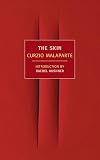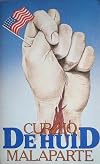
The Skin
by Curzio Malaparte
On This Page
Description
"'It is a shameful thing to win a war.' The reliably unorthodox Curzio Malaparte's own service as an Italian liaison officer with the Allies during the invasion of Italy was the basis for this searing and surreal novel, in which the contradictions inherent in any attempt to simultaneously conquer and liberate a people beset the triumphant but ingenuous American forces as they make their way up the peninsula. Malaparte's account begins in occupied Naples, where veterans of the disbanded and show more humiliated Italian army beg for work, and ceremonial dinners for high Allied officers or important politicians feature the last remaining sea creatures in the city's famous aquarium. He leads the American Fifth Army along the Via Appia Antica into Rome, where the celebrations of a vast, joy-maddened crowd are only temporarily interrupted when one well-wisher slips beneath the tread of a Sherman tank. As the Allied advance continues north to Florence and Milan, the civil war intensifies, provoking in the author equal abhorrence for killing fellow Italians and for the "heroes of tomorrow," those who will come out of hiding to shout "Long live liberty" as soon as the Germans are chased away. Like Celine, another anarchic satirist and disillusioned veteran of two world wars, Malaparte paints his compatriots as in a fun-house mirror that yet speaks the truth, creating terrifying, grotesque, and often darkly comic scenes that will not soon be forgotten. Unlike the French writer however, he does so in the characteristically sophisticated, lush, yet unsentimental prose that was as responsible for his fame as was his surprising political trajectory. The Skin was condemned by the Roman Catholic Church, and placed on the Index Librorum Prohibitorum. "-- show lessTags
Recommendations





























Member Reviews
Viaggio al termine della .... per che cosa?
Il colonnello Palese prese a parlare, disse: "Vi presento il vostro nuovo capitano..." e mentre parlava io guardavo quei soldati italiani vestiti di uniformi tolte ai cadaveri inglesi, quelle mani esangui, quelle labbra pallide, quegli occhi bianchi. Qua e la', sul petto, sul ventre, sulle gambe, le loro uniformi erano sparse di nere chiazze di sangue. A un tratto mi accorsi con orrore che quei soldati erano morti. Mandavano un pallido odore di stoffa ammuffita, di cuoio marcio, di carne seccata al sole. Guardai il colonnello Palese, anch'egli era morto. (9)
Ed io continuavo a salire su per l'angelica scala trionfale che affondava dritta nel cielo, in quel cielo marcio da cui lo scirocco show more strappava brandelli di pelle verdastra, e spargeva roco sul mare. (51)
"Non e' accaduto nulla, in Europa" dissi.
"Nulla?" disse il Generale Guillaume "e la fame, i bombardamenti, le fucilazioni, i massacri, l'angoscia, il terrore, tutto questo e' nulla per voi?"
"Oh, questo e' niente" dissi ' sono cose da ridere, la fame, i bombardamenti, le fucilazioni, i campi di concentramento tutte cose da ridere, sciocchezze, vecchie storie. In Europa, queste cose le conosciamo da secoli. Ci siamo abituati, ormai. Non sono queste le cose che ci hanno ridotti cosi'."
"Che cosa, dunque, vi ha ridotti cosi'?" disse il Generale Guillaume con voce un po' rauca.
"La pelle."
"La pelle? quale pelle?" disse il Generale Guillaume.
"La pelle" risposi a voce bassa "la nostra pelle, questa maledetta pelle. Voi non immaginate neppure di che cosa sia capace un uomo, di quali eroismi e di quali infamie sia capace, per salvare la pelle. Questa, questa schifosa pelle, vedete?" ... "Una volta si soffriva la fame, la tortura, i patimenti piu' terribili, si uccideva e si moriva, si soffriva e si faceva soffrire, per salvare l'anima, per salvare la propria anima e quella degli altri. Si era capaci di tutte le grandezze e di tutte le infamie, per salvare l'anima. ... Oggi si soffre e si fa soffrire, si uccide e si muore, si compiono cose meravigliose e cose orrende, non gia' per salvare la propria anima, ma per salvare la propria pelle. ..." (116-7)
"Al posto di quel povero ragazzo americano" disse il sergente socchiudendo gli occhi e stringendo i pugni "ci dovrebbe essere uno dei vostri. Perche' non li cacciate da voi i tedeschi?"
"Perche' non siete rimasti a casa vostra? Nessuno vi ha chiamati. Dovevate lasciarcela sbrigar da noi, con i tedeschi.
"Take it easy" disse il sergente con un riso cattivo "non siete buoni a nulla in Europa, non siete buoni che a morir di fame." (158-9)
"Here we never die" grido' Jack.
"What? We never dine?" grido' il Generale Cork.
"Never die?" ripete' Jack.
"Why not?" grido' il Generale Cork. "I will dine, I'm hungry! go on! go on!" (265)
Una mattina passammo il fiume e occupammo Firenze. Dalle fogne, dalle cantine, dalle soffitte, dagli armadi, di sotto i letti, dalle crepe dei muri, dove vivevano da un mese "clandestinamente", sbucarono come topi gli eroi dell'ultima ora, i tiranni di domani: quegli eroici topi della liberta', che un giorno avrebbero invaso l'Europa, per edificare sulle rovine dell'oppressione straniera il regno dell'oppressione domestica. (292) show less
Il colonnello Palese prese a parlare, disse: "Vi presento il vostro nuovo capitano..." e mentre parlava io guardavo quei soldati italiani vestiti di uniformi tolte ai cadaveri inglesi, quelle mani esangui, quelle labbra pallide, quegli occhi bianchi. Qua e la', sul petto, sul ventre, sulle gambe, le loro uniformi erano sparse di nere chiazze di sangue. A un tratto mi accorsi con orrore che quei soldati erano morti. Mandavano un pallido odore di stoffa ammuffita, di cuoio marcio, di carne seccata al sole. Guardai il colonnello Palese, anch'egli era morto. (9)
Ed io continuavo a salire su per l'angelica scala trionfale che affondava dritta nel cielo, in quel cielo marcio da cui lo scirocco show more strappava brandelli di pelle verdastra, e spargeva roco sul mare. (51)
"Non e' accaduto nulla, in Europa" dissi.
"Nulla?" disse il Generale Guillaume "e la fame, i bombardamenti, le fucilazioni, i massacri, l'angoscia, il terrore, tutto questo e' nulla per voi?"
"Oh, questo e' niente" dissi ' sono cose da ridere, la fame, i bombardamenti, le fucilazioni, i campi di concentramento tutte cose da ridere, sciocchezze, vecchie storie. In Europa, queste cose le conosciamo da secoli. Ci siamo abituati, ormai. Non sono queste le cose che ci hanno ridotti cosi'."
"Che cosa, dunque, vi ha ridotti cosi'?" disse il Generale Guillaume con voce un po' rauca.
"La pelle."
"La pelle? quale pelle?" disse il Generale Guillaume.
"La pelle" risposi a voce bassa "la nostra pelle, questa maledetta pelle. Voi non immaginate neppure di che cosa sia capace un uomo, di quali eroismi e di quali infamie sia capace, per salvare la pelle. Questa, questa schifosa pelle, vedete?" ... "Una volta si soffriva la fame, la tortura, i patimenti piu' terribili, si uccideva e si moriva, si soffriva e si faceva soffrire, per salvare l'anima, per salvare la propria anima e quella degli altri. Si era capaci di tutte le grandezze e di tutte le infamie, per salvare l'anima. ... Oggi si soffre e si fa soffrire, si uccide e si muore, si compiono cose meravigliose e cose orrende, non gia' per salvare la propria anima, ma per salvare la propria pelle. ..." (116-7)
"Al posto di quel povero ragazzo americano" disse il sergente socchiudendo gli occhi e stringendo i pugni "ci dovrebbe essere uno dei vostri. Perche' non li cacciate da voi i tedeschi?"
"Perche' non siete rimasti a casa vostra? Nessuno vi ha chiamati. Dovevate lasciarcela sbrigar da noi, con i tedeschi.
"Take it easy" disse il sergente con un riso cattivo "non siete buoni a nulla in Europa, non siete buoni che a morir di fame." (158-9)
"Here we never die" grido' Jack.
"What? We never dine?" grido' il Generale Cork.
"Never die?" ripete' Jack.
"Why not?" grido' il Generale Cork. "I will dine, I'm hungry! go on! go on!" (265)
Una mattina passammo il fiume e occupammo Firenze. Dalle fogne, dalle cantine, dalle soffitte, dagli armadi, di sotto i letti, dalle crepe dei muri, dove vivevano da un mese "clandestinamente", sbucarono come topi gli eroi dell'ultima ora, i tiranni di domani: quegli eroici topi della liberta', che un giorno avrebbero invaso l'Europa, per edificare sulle rovine dell'oppressione straniera il regno dell'oppressione domestica. (292) show less
I had strong mixed feelings about this book and there was probably a lot of repulsion in the mix, but the writing was very fluid and the imagery was certainly memorable. It helped that I had read Malaparte’s previous novelistic memoir/pseudo-journalistic account Kaputt before – I knew from that one that there was a lot of truth fudging, stories that were maybe more symbolic than realistic, and various ways of making himself look, if not heroic, than at least like a sympathetic and clear-sighted observer. Malaparte did know how to tell a horrible and compelling story that could be hard to forget. There is more of that here. However, in this case, instead of being the country-hopping journalist talking to soldiers, ordinary people, show more and narcissistic dictators, Malaparte is the liaison to the American army occupying Naples. Being Italian, the occupation is very personal to him, and his resentment, rage, and despair practically leaps off the page. Seen from that point of view, the stories seem to be Hieronymous Bosch-ian, hellish, symbolic depictions of Naples’ degradation.
Malaparte the character is slippery and morally changeable – sometimes he is hectoring the Americans for their ignorance or hypocrisy, other times he shrugs and notes that selling children is probably the best thing for their parents to do. Even his moments of moral indignation feel false and hypocritical – there’s a sense that he is condemning the things that he almost lovingly depicts in vivid, extremely detailed, sometimes hysteria-tinged colors. The intro in this edition by NYRB perfectly captures the feel of much of the book, noting it “depicts, with a certain voluptuous horror, a depraved and ruined postwar Naples under American occupation, a world where selling out is the ugly and cunning art of survival.” There are ridiculous/horrible scenes that go on too long and many chapters also have a brutal comic feel. Malaparte has a creepily fetishistic interest in various groups (that he likely considered “other”) – dwarves, black American soldiers, gay men. It is certainly distasteful today, but that, along with Malaparte’s moral hypocrisy, fits right into the perverse narrative.
Each chapter mostly focuses on separate episodes, but many of the characters reappear – mainly Malaparte’s friend Colonel Jack Hamilton, a learned and gentlemanly American who doesn’t get quite as much criticism as some of the others. Various chapters are about the plague (really symbolic of Neapolitan toadying), a virgin prostitute, a party held by gay soldiers and their friends, a banquet supplied by the aquarium and a volcanic eruption – but that can’t really describe all the random musings and circuitous routes Malaparte takes in his writing. It’s very smoothly written and compelling if you can get past all the nastiness. Even with all the terrible and disgusting things that happen to people, the most disturbing story for me was one about his dog (lots of “No….not the dog!” thoughts while reading it). show less
Malaparte the character is slippery and morally changeable – sometimes he is hectoring the Americans for their ignorance or hypocrisy, other times he shrugs and notes that selling children is probably the best thing for their parents to do. Even his moments of moral indignation feel false and hypocritical – there’s a sense that he is condemning the things that he almost lovingly depicts in vivid, extremely detailed, sometimes hysteria-tinged colors. The intro in this edition by NYRB perfectly captures the feel of much of the book, noting it “depicts, with a certain voluptuous horror, a depraved and ruined postwar Naples under American occupation, a world where selling out is the ugly and cunning art of survival.” There are ridiculous/horrible scenes that go on too long and many chapters also have a brutal comic feel. Malaparte has a creepily fetishistic interest in various groups (that he likely considered “other”) – dwarves, black American soldiers, gay men. It is certainly distasteful today, but that, along with Malaparte’s moral hypocrisy, fits right into the perverse narrative.
Each chapter mostly focuses on separate episodes, but many of the characters reappear – mainly Malaparte’s friend Colonel Jack Hamilton, a learned and gentlemanly American who doesn’t get quite as much criticism as some of the others. Various chapters are about the plague (really symbolic of Neapolitan toadying), a virgin prostitute, a party held by gay soldiers and their friends, a banquet supplied by the aquarium and a volcanic eruption – but that can’t really describe all the random musings and circuitous routes Malaparte takes in his writing. It’s very smoothly written and compelling if you can get past all the nastiness. Even with all the terrible and disgusting things that happen to people, the most disturbing story for me was one about his dog (lots of “No….not the dog!” thoughts while reading it). show less
"You think that's air you're breathing?" — Wachowski
Un-mediated post-war writing, when not vying for absolute-zero matter-of-factness (such as in Primo Levi's high-fidelity text), is always trying to write as grim as possible. Is it success or failure when the failure to be grim is read as a grim failure.
We already know that it is possible to be destroyed for nothing at all (most cases in the private holocaust some call "History"). The notion that, "certain horrible and life-scarring experiences actually make you a worse person," is also well-trafficked. Though what of the other category: of those who have not been destroyed enough, i.e. the vulgar sense of the phrase, "More Annihilated Than Repentant." (I may have finally show more discovered the source of this phrase in Kierkegaard's Stage on Life's Way in a footnote indicating Leibniz's apocryphal Baron Andrè Taifel who had a satyr and a similar inscription on his coat of arms, (though this I have not yet myself confirmed.))
When the most abject humiliation the author can imagine is the pay-per-view (paper view) scene of an Italian woman exposing her lower half beneath a figure of the Virgin (Mary), ideology has already fallen back onto a wound (though it appears clear as air). For such men, "it is easier to imagine the end of the world, the holocaust, (and the end of capitalism) than the end of misogyny." Given this, it is evident the author has not been whipped enough. We want to get it out of him, perhaps by whipping even more, though always with knowledge that whipping has never cleansed an ideology. ". . . But maybe just this once. . ." Though it may be, as is more frequently the case, that "[we] like to whip [...] and are always working to find a pretext. . ."
Either way, as we deliberate, Malaparte's Pathos becomes "black-comedy" and is rapidly fermenting (ideological-ferments) into Bathos. Episodes of there's-a-hand-in-my-soup, and this-flattened-corpse-is-the-flag-of-Europe are emblematic here. It is no longer possible (if it has ever been possible) to grimace and shout in earnest: "They think they are fighting and suffering to save their souls, but in reality they are fighting and suffering to save their skins, and their skins alone." Per Adorno, 'the grimace is false because it admits too readily what we know to be true.' Thomas Bernhard is better (and more grim) when he writes, “We’re so arrogant that we think we’re studying music whereas we’re not even capable of living,” How grim is it that, even after imprisonment by fascists (per wikipedia) our author cannot get even as grim as this.
Conversations with General Cork on the Via Appia Antica are reminiscent of Madame Bovary at the Agricultural Fair, though Malaparte doesn't lick Flaubert's toes.
It may be true what Althusser says about Hegel: that it had not been possible to decipher him until Marx wrote Capital. Sometimes a text can only be illuminated in retrospect (perhaps this is reason to keep writing). For other texts, destruction by what comes along later is more common. Though, I have never seen a text more destroyed by The Simpsons than this book, which, unhappily, concludes (in a scene of great Pathos): 'and I saw one of the babies and the baby looked at me.' show less
The author wrote under a pseudonym, perhaps because some of the stories he includes may have actually happened. He was an officer in the Italian army during WWII and writes about life in Naples when the Americans were occupying the city. Its satirical treatment has been compared with Heller's "Catch 22" and may even been darker, since the war was being fought in his own country. Though he skewers everyone he reportedly was fond of the Americans and saw them as a ray of hope for the debased post-war European cultures.
Really, one of the most profound books I've read. We read it in an international fiction book club, and the people who were able to read it until the end (it could be quite disturbing or too dark to some, or if you're not in the mood), felt greatly rewarded and moved. It's hard to describe - a hyper visceral (yet not necessarily factual) journalistic account on the aftermath of WWII in Naples. It is a crazy good book.
-.5 stars for some homophobia, sexism, racism, etc
« Tu aimerais, dis, une petite fille à trois dollars, disais-je à Jack. - Shut up, Malaparte. - Ce n'est pas cher après tout, une petite fille pour trois dollars. Un kilo de viande d'agneau coûte bien plus cher. Je suis sûr qu'à Londres ou à New York une petite fille coûte plus cher qu'ici, n'est-ce pas, Jack ? - Tu me dégoûtes, disait Jack. - Trois dollars font à peine trois cents lires. Combien peut peser une fillette de huit à dix ans ? Vingt-cinq kilos ? Pense qu'un seul kilo d'agneau, au marché noir, coûte cinq cents lires, c'est-à-dire cinq dollars ! »
Members
- Recently Added By
Published Reviews
Deca noći donose roman Koža, koji je napisan 1949. i uvršten u popis knjiga zabranjenih za rimo-katolike.
added by Sensei-CRS
Lists

Books Set in Italy
167 works; 19 members

1940s
221 works; 25 members

Italian Literature
556 works; 41 members
Lista dei 100 migliori libri italiani degli ultimi 200 anni
100 works; 1 member

The Luca Guadagnino Universe
62 works; 1 member

Llibres que he llegit el 2026
37 works; 1 member
Author Information

Some Editions
Awards and Honors
Series
Belongs to Publisher Series
Work Relationships
Common Knowledge
- Canonical title
- The Skin
- Original title
- La pelle
- Original publication date
- 1949
- Important places
- Italy; Naples, Campania, Italy
- Important events
- World War II (1939 | 1945)
- Related movies
- The Skin (1981 | IMDb)
- Epigraph*
- Se rispettano i templi e gli Dei dei vinti, i vincitori si salveranno. Eschilo, Agamennone
Ce qui m'intèresse n'est pas toujours ce qui m'importe. Paul Valèry - Dedication
- In affectionate memory of Colonel Henry H. Cumming, of the University of Virginia, and of all the brave, good and honorable American soldiers who were my comrades-in-arms from 1943 to 1945, and who died in vain in the cause o... (show all)f European freedom.
- First words
- Naples was in the throes of the "plague."
- Quotations
- If conquerors respect the temples and the gods of the conquered, they shall be saved Aeschylus, Agamemnon
Ce qui m'interesse n'est pas tourjours ce qui m'importe. Paul Valery - Last words
- (Click to show. Warning: May contain spoilers.)"It is a shameful thing to win a war, " I said in a low voice.
- Blurbers
- Pierre Herve
- Original language*
- Italiana
*Some information comes from Common Knowledge in other languages. Click "Edit" for more information.
Classifications
- Genres
- General Fiction, Fiction and Literature, Historical Fiction
- DDC/MDS
- 853.912 — Literature & rhetoric Italian, Romanian & related literatures Italian fiction 1900- 20th Century 1900-1945
- LCC
- PQ4829 .A515 .P413 — Language and Literature French, Italian, Spanish and Portuguese literatures Italian literature Individual authors, 1900-1960
- BISAC
Statistics
- Members
- 990
- Popularity
- 26,813
- Reviews
- 22
- Rating
- (3.92)
- Languages
- 15 — Catalan, Czech, Danish, Dutch, English, Finnish, French, German, Greek, Italian, Latin, Polish, Portuguese, Serbian, Spanish
- Media
- Paper, Audiobook, Ebook
- ISBNs
- 57
- UPCs
- 3
- ASINs
- 33