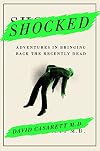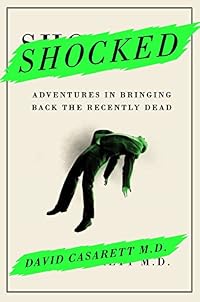
Shocked : adventures in bringing back the recently dead
by David Casarett M.D.
On This Page
Description
"A physician explores just how far the science of resurrection has come. Not too long ago, when you were dead, you were dead. There was no coming back. But a little electricity, applied to the heart in just the right way, has changed all that. Now death has become just another serious complication. Dr. David Casarett, a highly respected researcher and professor of medicine, now chronicles his journey to the cutting edge of resuscitation. His travels take him inside a sophisticated cryonics show more facility in the Arizona desert, into a darkroom full of hibernating lemurs in North Carolina, and to a laboratory that is experimenting with suspended animation. Fascinating, thought provoking, humorous, and a little unsettling, Shocked takes on questions of life and death with a light touch and a broad perspective. It's perfect for fans of popular science books like Mary Roach's Stiff"--Provided by publisher. show lessTags
Recommendations




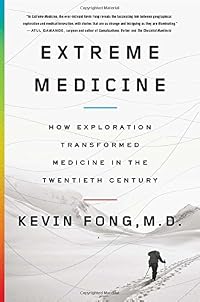
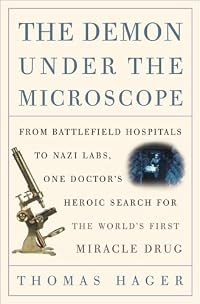
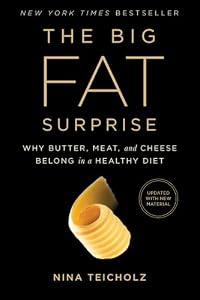
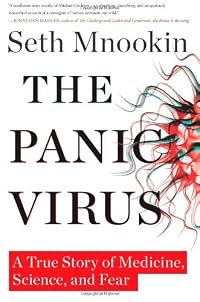
Member Recommendations

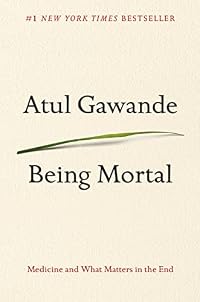
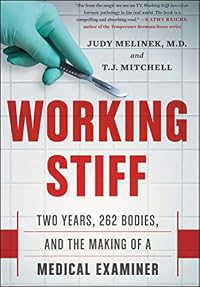
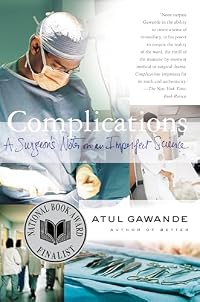
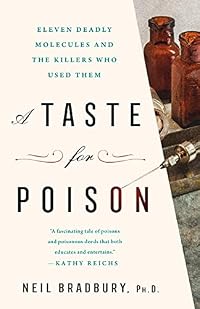
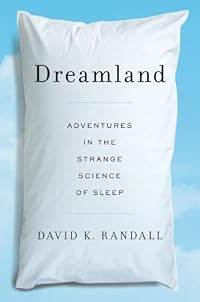
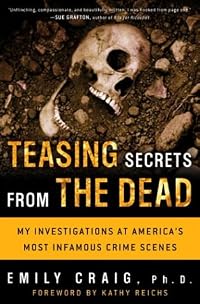
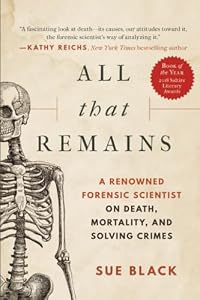
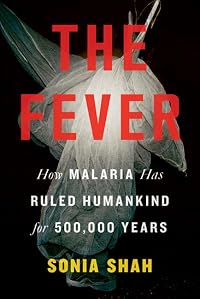
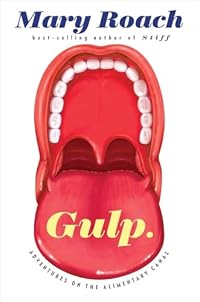
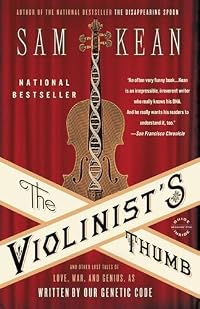
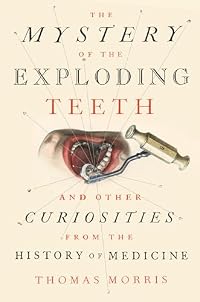
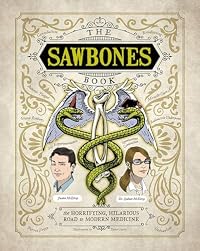
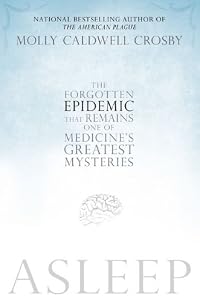
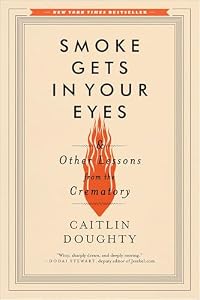
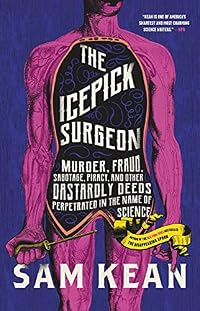
PuddinTame If you liked either on of these books, I recommend trying the other author. Both offer nitty-gritty medical details leavened with humor, which helps make the gross details more bearable. For my money, Mary Roach is funnier, but I thoroughly enjoyed both authors, and gained a lot of knowledge and a lot to think about.
Member Reviews
This is a walk through the history of resuscitation science, from the very idea that death may not be so permanent a thing, to the futurists view of a potential cryogenic solution. The solutions people developed have been at times ingenious, hilarious, and remarkably ill-advised. [a: David Casarett|7353447|David Casarett|https://images.gr-assets.com/authors/1492959838p2/7353447.jpg] did a good job of having an active curiosity about even the most questionable claims.
Spoiler Alert: It turns out blowing tobacco smoke up a corpse's rectum may indeed help revive them in certain situations.
Unfortunately, tickling the back of their throat with a feather is not so viable a solution and may indeed do harm.
The true strength of this book was show more found not in the science, but rather the ethical concerns that the author described. While the science is steadily advancing, in its own fascinating way, the ethical concerns remain doggedly silent. Is it always a good idea to resurrect someone? The costs are rarely considered - both medical, and emotional. Resurrection remains an elusive goal, and even when it does succeed it can often render the person resurrected into a shadow of who they once were. Brain damage, coma, and worse can easily be the outcome which only heightens the cost and makes the 'final' death all the more heartbreaking for the family.
This is a tricky problem, and one unlikely to be solved any time soon. In the interim, at least we have this book to begin conversations, and people like [a: Caitlin Doughty|7802044|Caitlin Doughty|https://images.gr-assets.com/authors/1489075566p2/7802044.jpg] helping us to realize that often death isn't as terrifying and terrible a thing as many make it out to be. show less
Spoiler Alert: It turns out blowing tobacco smoke up a corpse's rectum may indeed help revive them in certain situations.
Unfortunately, tickling the back of their throat with a feather is not so viable a solution and may indeed do harm.
The true strength of this book was show more found not in the science, but rather the ethical concerns that the author described. While the science is steadily advancing, in its own fascinating way, the ethical concerns remain doggedly silent. Is it always a good idea to resurrect someone? The costs are rarely considered - both medical, and emotional. Resurrection remains an elusive goal, and even when it does succeed it can often render the person resurrected into a shadow of who they once were. Brain damage, coma, and worse can easily be the outcome which only heightens the cost and makes the 'final' death all the more heartbreaking for the family.
This is a tricky problem, and one unlikely to be solved any time soon. In the interim, at least we have this book to begin conversations, and people like [a: Caitlin Doughty|7802044|Caitlin Doughty|https://images.gr-assets.com/authors/1489075566p2/7802044.jpg] helping us to realize that often death isn't as terrifying and terrible a thing as many make it out to be. show less
An interesting look at the methods we use to resuscitate people whose hearts have stopped and how we can make those methods more effective. Not sure I'm entirely a fan of Casarett's writing style but it was easy to read and pretty informative! While it's nice to look at the "miracles" that can happen in bringing someone back from the dead, and it's great that there's much research into how to do that better, it's important to think about the morality of such decisions. As Casarett says at the end of the book, no one is going to prevent EMTs from trying to resuscitate a loved one in an emergency, even if you know they don't want to be resuscitated. When there's even a slight possibility that they will come through and have some more good show more years, it's hard to think about the greater possibility (especially among the elderly) that they'll just have a few more painful months or weeks.
Also there's a lot of animal testing in this research area so if you're not cool with reading about that, maybe skip this one! show less
Also there's a lot of animal testing in this research area so if you're not cool with reading about that, maybe skip this one! show less
Enjoyable, not quite as madcap as Mary roach, but funny and educational. Warning , there is much to disturb animal lovers, experiments including animals are part of the history presented
The history of resuscitation is much more fascinating than I imagined. The author writes this in the first person and enough humor to make a rather morbid topic very palatable. I found the information on general cryogenics rather boring and some of it cold have been pared down, however the other information was all interesting to me.
library copy
Ratings
Members
- Recently Added By
Author Information

7 Works 327 Members
David Casarett is a physician, researcher, and tenured associate professor at the University of Pennsylvania Perelman School of Medicine, and writer. He has written over a hundred articles and book chapters that were published in such journals as the Journal of the American Medical Association, The New England Journal of Medicine as well as Salon, show more Esquire, Discover, Newsweek, the New York Times, and Wired. He has won many awards, including the U.S. Presidential Early Career Award for Scientists and Engineers. His nonfiction works include Last Acts: Discovering Possibility and Opportunity at the End of Life, Shocked: Adventures in Bringing Back the Recently Dead, and Stoned: A Doctor's Case for Medical Marijuana. He is the author of the mystery series, Ethical Chiang Mai Detective Agency. It includes Murder at the House of Rooster Happiness, and The Missing Guest of the Magic Grove Hotel. (Bowker Author Biography) show less
Some Editions
Awards and Honors
Common Knowledge
- Canonical title
- Shocked : adventures in bringing back the recently dead
- Original publication date
- 2014
- Epigraph
- It is the heart that kills us in the end
Just one more old broken bone that cannot mend
--Emmylou Harris, "The Pearl" - First words
- When I was a kid, long before I contemplated going to medical school, the television in our living room was the sole source of all my medical knowledge.
- Last words
- (Click to show. Warning: May contain spoilers.)So although I'm hopeful about the future and about what's going to be possible someday, I won't be truly optimistic about our ability to take care of hearts and brains until we get much better at taking care of people.
- Publisher's editor
- Nike Papadopoulos
- Blurbers
- Parnia, Sam; Epstein, David; Caplan, Arthur L.; Magliato, Kathy E.; Dosa, David; Eisenberg, Mickey
Classifications
- Genres
- Nonfiction, Science & Nature, General Nonfiction, Technology
- DDC/MDS
- 616.02 — Technology Medicine & health Diseases Pathology; Diseases; Treatment First aid; Emergency; Euthanasia
- LCC
- RC86.7 .C42 — Medicine Internal medicine Internal medicine Medical emergencies. Critical care. Intensive care.
- BISAC
Statistics
- Members
- 95
- Popularity
- 337,186
- Reviews
- 5
- Rating
- (3.68)
- Languages
- English
- Media
- Paper, Audiobook, Ebook
- ISBNs
- 5
- ASINs
- 5