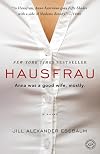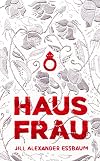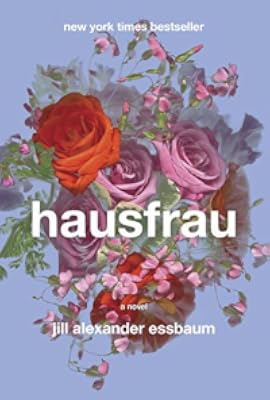
Hausfrau
by Jill Alexander Essbaum
On This Page
Description
"Anna Benz, an American woman in her thirties, lives in comfort and affluence with her Swiss banker husband and their three young children in a picture-perfect suburb of Zurich. Despite the tranquility and order of her domestic existence, Anna is falling apart inside. Isolated in a foreign country and a faltering marriage, Anna begins three adventures to restart her life: Jungian analysis, German language classes, and a series of extramarital affairs whose consequences she cannot foretell. show more Hausfrau is a daring novel about marriage, fidelity, morality, and most especially, self: how we create ourselves and how we lose our selves and the sometimes disastrous choices we make to find ourselves"-- show lessTags
Recommendations
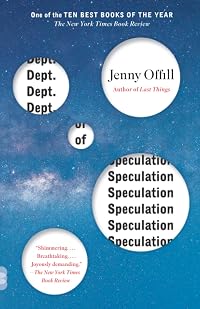
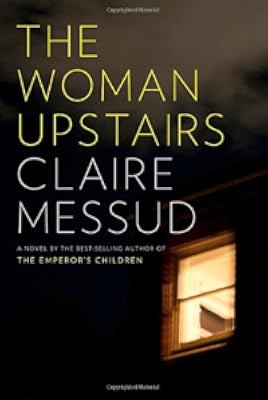
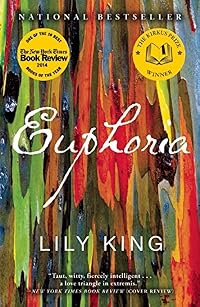
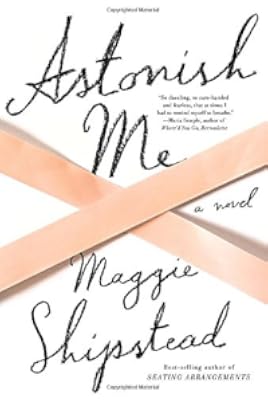
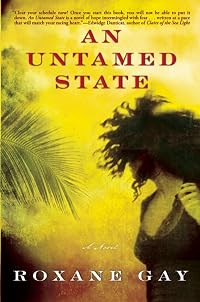
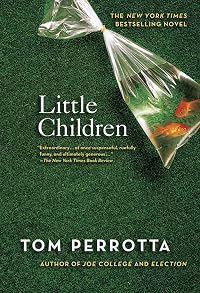
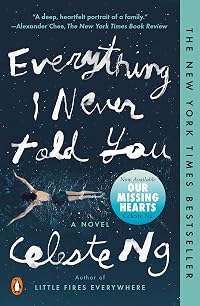
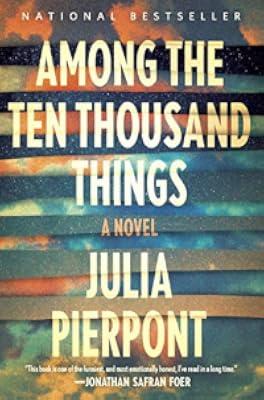





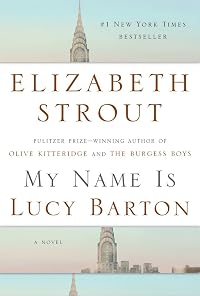
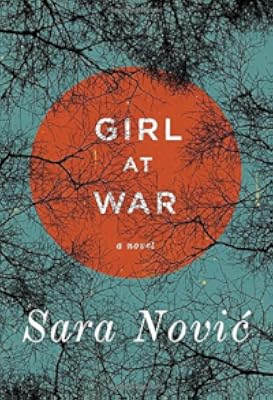
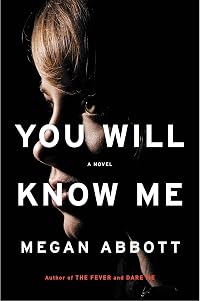
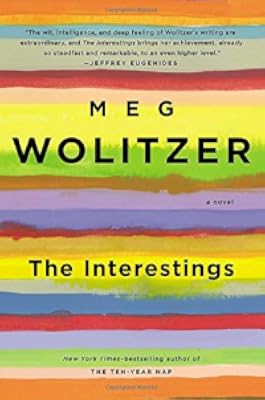

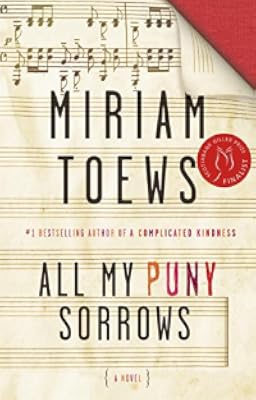
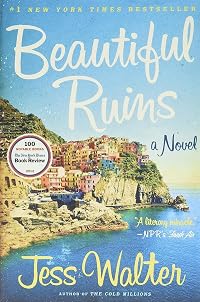
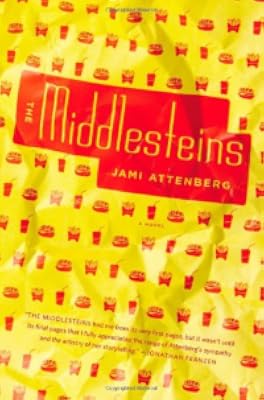
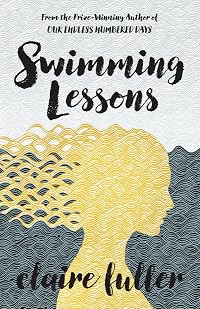
Member Recommendations
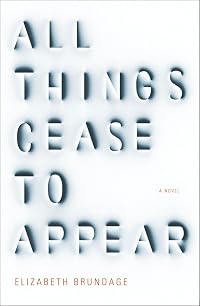
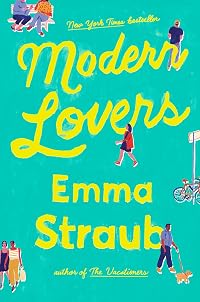
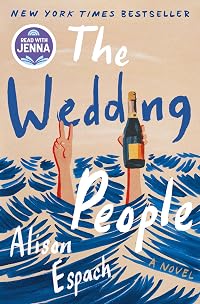
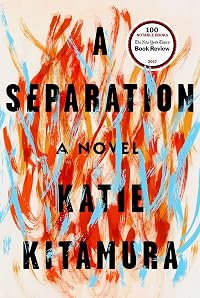
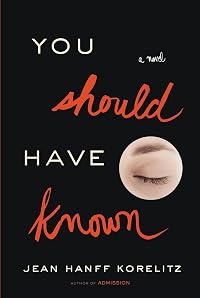
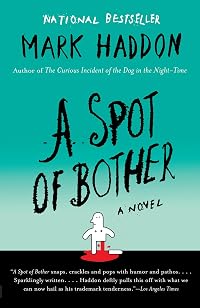
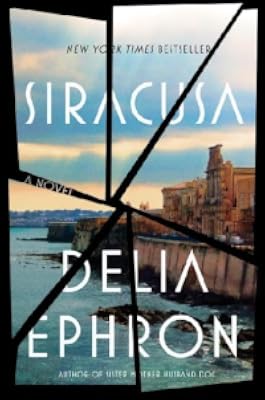
Nickelini Two unhappily married women, living in Europe, expressing their unhappiness through infidelity. I strangely enjoyed both of these.
Member Reviews
Anna Benz is an American expat living in Zurich with her Swiss husband, Bruno, and their 3 young children. By all other accounts, Anna has a great life but, to Anna, life has become a prison. Her relationship with Bruno has cooled into marital co-existence. Her parents are deceased and Anna has few friends. Years of understanding almost nothing of Schwiizerdutsch (the language of Zurich) have left her disconnected. Yet, don’t feel sorry for Anna. She is not, as the first line claims “a good wife, mostly.” Anna’s means of finding comfort and belonging is sex with other men, a secret she keeps from her husband, her psychoanalyst, and her friends.
As Anna reveals her thoughts and feelings, we discover what’s troubling Anna is much show more more complicated than boredom. She vacillates between making excuses for her affairs and longing to be a better person. The words she learns in German class and the heady concepts she discusses with her Jungian analyst twist and morph in Anna’s mind, taking on deeper meaning and sometimes distorting what is actually happening in her life. Over just a few months, Anna’s self-indulgences, rationalizations, delusions, and destructive behavior will have dire consequences.
Hausfrau is a melancholy journey through the mind of a seemingly ordinary but very troubled woman who stands in the way of her own happiness. The writing style is literary and sophisticated, tilting toward ostentatious, and readers may be challenged to sympathize with Anna at times but the story is compelling even as the possibility of a happy ending for Anna slips further and further away. show less
As Anna reveals her thoughts and feelings, we discover what’s troubling Anna is much show more more complicated than boredom. She vacillates between making excuses for her affairs and longing to be a better person. The words she learns in German class and the heady concepts she discusses with her Jungian analyst twist and morph in Anna’s mind, taking on deeper meaning and sometimes distorting what is actually happening in her life. Over just a few months, Anna’s self-indulgences, rationalizations, delusions, and destructive behavior will have dire consequences.
Hausfrau is a melancholy journey through the mind of a seemingly ordinary but very troubled woman who stands in the way of her own happiness. The writing style is literary and sophisticated, tilting toward ostentatious, and readers may be challenged to sympathize with Anna at times but the story is compelling even as the possibility of a happy ending for Anna slips further and further away. show less
A downer of a book with an unlikeable yet sympathetic protagonist. I knew how it was going to end. I mean the author named her character Anna and has her mention in the first chapter the only reason Swiss trains run late. AND YET, when I got to the end of the novel I was like fuuuuuuuuuck. Anyway, a good read that left me feeling a bit icky and anxious. I'm going to go watch cartoons or something...
I took a couple days to contemplate this book further. It was much more than I expected, in every way.
It was sold as Madame Bovary meets 50 Shades of Grey, which I inferred as being a bit of fun in the midst of an examination of a woman’s sexuality.
It is not. It is no fun at all. Be prepared to dislike Anna, be frustrated by Anna, not understand Anna at all, give up on caring on why Anna is making such a mess of things, and… I’ll say it… be prepared to think Anna deserves it when she gets hit by her husband.
Anna Benz finds herself adrift, in a landlocked nation, among self-contained people, who make the clocks and trains run on time. There is no room or sympathy in a country like Switzerland for a woman like Anna. She doesn’t show more go along to get along. We meet her nine years into her time there – 9 years – and she is JUST starting to take language classes to make her life easier. Her husband is Swiss, her children are all born in Switzerland, she has no family to speak of back in the US. Yet she has done nothing to assimilate, to embrace this new life. She is the personification of passivity, and hence all that is inherently bad about letting things just happen to you.
Why can’t Anna be happy, you ask? Yeah… if you find an adequate answer to that question in this story, let me know. It is the central question of Anna’s life, and of her psychoanalysis. The reader gets the feeling that Anna is participating in both the therapy and the German classes as the bare minimum to show her husband she’s making an effort, and that she resents both. She isn’t trying in her therapy; she reveals to the reader that she knows that she will get nowhere with it because she won’t tell the therapist everything. And she uses the German classes to meet a man with whom she starts an affair.
Perhaps Anna had been using her ignorance of the language to keep the rest of the world at bay. Perhaps because she hasn’t formed a decisive vision of her life, she can’t commit to the one she finds herself in. Whatever worked for 9 years is no longer working – things have changed and it becomes appallingly apparent that her life is in free-fall. Inevitably, disaster occurs. And she simply has no coping skills for what comes then.
So, why read this, if it’s depressing, if the main character is beyond difficult to like, if we get no answers to what went wrong for her?
Read it for the prose, written by an accomplished poet. And for the sharp insights: you will find you understand Anna in those moments, if only in those moments, on a deep, humanistic level. Read it as a reminder that we never really know anyone completely, even those closest to us. Read it in preparation for the day when you let life happen to you, rather than take charge of your destiny, to know what not to do. Read it to open your heart to mine for some compassion for this wretch of a woman, a failure on so many levels.
Just don’t read it for fun. show less
It was sold as Madame Bovary meets 50 Shades of Grey, which I inferred as being a bit of fun in the midst of an examination of a woman’s sexuality.
It is not. It is no fun at all. Be prepared to dislike Anna, be frustrated by Anna, not understand Anna at all, give up on caring on why Anna is making such a mess of things, and… I’ll say it… be prepared to think Anna deserves it when she gets hit by her husband.
Anna Benz finds herself adrift, in a landlocked nation, among self-contained people, who make the clocks and trains run on time. There is no room or sympathy in a country like Switzerland for a woman like Anna. She doesn’t show more go along to get along. We meet her nine years into her time there – 9 years – and she is JUST starting to take language classes to make her life easier. Her husband is Swiss, her children are all born in Switzerland, she has no family to speak of back in the US. Yet she has done nothing to assimilate, to embrace this new life. She is the personification of passivity, and hence all that is inherently bad about letting things just happen to you.
Why can’t Anna be happy, you ask? Yeah… if you find an adequate answer to that question in this story, let me know. It is the central question of Anna’s life, and of her psychoanalysis. The reader gets the feeling that Anna is participating in both the therapy and the German classes as the bare minimum to show her husband she’s making an effort, and that she resents both. She isn’t trying in her therapy; she reveals to the reader that she knows that she will get nowhere with it because she won’t tell the therapist everything. And she uses the German classes to meet a man with whom she starts an affair.
Perhaps Anna had been using her ignorance of the language to keep the rest of the world at bay. Perhaps because she hasn’t formed a decisive vision of her life, she can’t commit to the one she finds herself in. Whatever worked for 9 years is no longer working – things have changed and it becomes appallingly apparent that her life is in free-fall. Inevitably, disaster occurs. And she simply has no coping skills for what comes then.
So, why read this, if it’s depressing, if the main character is beyond difficult to like, if we get no answers to what went wrong for her?
Read it for the prose, written by an accomplished poet. And for the sharp insights: you will find you understand Anna in those moments, if only in those moments, on a deep, humanistic level. Read it as a reminder that we never really know anyone completely, even those closest to us. Read it in preparation for the day when you let life happen to you, rather than take charge of your destiny, to know what not to do. Read it to open your heart to mine for some compassion for this wretch of a woman, a failure on so many levels.
Just don’t read it for fun. show less
Gotta feed the hole. That’s a line from Romeo is Bleeding, a 1993 film starring Gary Oldman and although the holes are different, they both need to be fed. I’m going to get all spoiler-y on you in a bit, so if you haven’t read the book and want to, stick with this paragraph. If you have hang-ups about sex, morality and the “sanctity” of motherhood, don’t read it. Seriously. The writer uses the words cock and fuck frequently and in their most literal sense and Anna is not a paragon of virtue. She is a woman in pain; a woman without a compass. Another review says that Anna wasted the lovely life she had. Did that person read the same book? Anna certainly didn’t think her life was lovely. She thought she ought to, but show more didn’t and she knew the difference. Knowing didn’t make her appreciate it or try to improve it to make it more satisfactory to her. I don’t think any life would have been no matter what she did, or rather, allowed to have happen to her. The hole was yawning and empty and demanding to be filled (and if you think that’s just metaphorical, it’s not). The sex is graphic, vigorous and yeah, Anna comes, but there’s no joy in it. It’s a reflex like swallowing and she craves it because of the power it bestows - she flexes her desicated will. There are almost no other actions or decisions left to her. She marvels that passive and passion begin with the same four letters.
Spoilers -
Anna is a person worthy of sympathy despite how her actions turn off the reader. She is truly rudderless. Nothing affects her and she knows it. I found her boring actually and I think that’s how she views herself as well. She wonders why, but not too much. She brings fabricated dreams to her therapist who doesn’t suspect they’re fake and analyzes those for her and our amusement. She tries to improve her German, not for herself, to facilitate her interaction with the world, but to placate her husband, Bruno. It’s here she meets Archie and after one brief encounter in class they start an affair that is only about sex. Anna is adamant that is all it will be and after we learn about her previous affair with Stephen we understand why she won’t conflate it with love or romance again. That affair left her with her third child, daughter Polly Jean, but it’s a hollow consolation after Stephen returns to the States.
It’s the children that anchor her to Bruno securely, but she is not wrapped up in them as other women are. She knows this, but cannot correct it or manufacture the appropriate emotional connection. It’s more of the void; the hole. She leaves the kids with her mother-in-law as often as she can get away with and admits that Charles is her favorite. Bruno believes them all to be his and probably the boys are. Eventually you know he’s going to learn the truth; both about his kids and his wife. Except it doesn’t go how we expect.
Anna is caught, but not by Bruno; by Charles. She swears him to silence with threats and coercion, but we don’t think it’s going to take. Unfortunately it does, but in the worst way possible. When Charles is killed I literally held my breath, put the book down and couldn’t continue right away. The tragedy itself was enough to do it, but thinking about how Anna would take it added depth. Even not being the best mother on earth doesn’t let you out of guilt over being with your lover when your child dies. I doubted she’d survive it and frankly, she was so empty and lacking any vital spark I didn’t think it would be much of a loss if she decided to kill herself. She was so sapped of any kind of volition or will that I didn’t know if she would have it in her. When Bruno threw her out of the house, with no money, no bank account and no ability to drive or fend for herself she was at the mercy of the universe and it would grind her to nothing. The way we’re left with in the end was at least quick. show less
Spoilers -
Anna is a person worthy of sympathy despite how her actions turn off the reader. She is truly rudderless. Nothing affects her and she knows it. I found her boring actually and I think that’s how she views herself as well. She wonders why, but not too much. She brings fabricated dreams to her therapist who doesn’t suspect they’re fake and analyzes those for her and our amusement. She tries to improve her German, not for herself, to facilitate her interaction with the world, but to placate her husband, Bruno. It’s here she meets Archie and after one brief encounter in class they start an affair that is only about sex. Anna is adamant that is all it will be and after we learn about her previous affair with Stephen we understand why she won’t conflate it with love or romance again. That affair left her with her third child, daughter Polly Jean, but it’s a hollow consolation after Stephen returns to the States.
It’s the children that anchor her to Bruno securely, but she is not wrapped up in them as other women are. She knows this, but cannot correct it or manufacture the appropriate emotional connection. It’s more of the void; the hole. She leaves the kids with her mother-in-law as often as she can get away with and admits that Charles is her favorite. Bruno believes them all to be his and probably the boys are. Eventually you know he’s going to learn the truth; both about his kids and his wife. Except it doesn’t go how we expect.
Anna is caught, but not by Bruno; by Charles. She swears him to silence with threats and coercion, but we don’t think it’s going to take. Unfortunately it does, but in the worst way possible. When Charles is killed I literally held my breath, put the book down and couldn’t continue right away. The tragedy itself was enough to do it, but thinking about how Anna would take it added depth. Even not being the best mother on earth doesn’t let you out of guilt over being with your lover when your child dies. I doubted she’d survive it and frankly, she was so empty and lacking any vital spark I didn’t think it would be much of a loss if she decided to kill herself. She was so sapped of any kind of volition or will that I didn’t know if she would have it in her. When Bruno threw her out of the house, with no money, no bank account and no ability to drive or fend for herself she was at the mercy of the universe and it would grind her to nothing. The way we’re left with in the end was at least quick. show less
Just read Anna Karenina or Madame Bovary. This elementary, insipid writing is getting compared to those and I have to wonder if the people making the comparisons just read the cliff’s notes for those. This is hamhanded and ineffective. The psychotherapist is laughably bad, the main character is clearly DEPRESSED AS HECK and in need of help that no one is getting her, and the people around her are alternatingly clever and stupid depending on if the protag needs to get away with something.
It’s also getting compared to 50 Shades. THAT comparison at least might be apt, in terms of the quality of the writing. But I’m pretty sure people are making the comparison because the first 2/3 of this book is full of sex. They are not as show more repetitive as the protagonist’s constant, ridiculous inner monologue, but you could argue a lot of them don’t actually add anything to the book. Overall this is just a mess. I feel like it could’ve been whittled down to a novella pretty easily. show less
It’s also getting compared to 50 Shades. THAT comparison at least might be apt, in terms of the quality of the writing. But I’m pretty sure people are making the comparison because the first 2/3 of this book is full of sex. They are not as show more repetitive as the protagonist’s constant, ridiculous inner monologue, but you could argue a lot of them don’t actually add anything to the book. Overall this is just a mess. I feel like it could’ve been whittled down to a novella pretty easily. show less
This is a beautiful book. It's not always an easy read, and the characters are not always likable (which I actually like, since not everyone in life is going to be a beacon of morality and goodness), but I could not put it down.
The story follows a few months in the life of Anna, an American expatriate living in Switzerland with her Swiss husband Bruno and their half-Swiss children. Anna is bored and extremely lonely, so she begins a string of affairs that fill her empty spaces (at least for a time). Essbaum beautifully narrates the inner workings of Anna's mind, and I felt really connected to her as she wandered through the city, from her German class to the apartments and hotels where she conducted her affairs, to her friends' show more parties.
The last 50 pages were a crashing roller coaster of emotion, and I was completely engrossed in what was happening.
The narrative jumps were (mostly) well done; Essbaum went from Anna's present, to thematically relevant German-language lessons and psychoanalysis conversations, to her moments with Steven, her first lover. Although the reader only spends 300 pages and a few chronological months with Anna, Essbaum gives us a complete portrait of Anna as a lonely, unhappy, mostly good wife, mother, lover, and friend. show less
The story follows a few months in the life of Anna, an American expatriate living in Switzerland with her Swiss husband Bruno and their half-Swiss children. Anna is bored and extremely lonely, so she begins a string of affairs that fill her empty spaces (at least for a time). Essbaum beautifully narrates the inner workings of Anna's mind, and I felt really connected to her as she wandered through the city, from her German class to the apartments and hotels where she conducted her affairs, to her friends' show more parties.
The last 50 pages were a crashing roller coaster of emotion, and I was completely engrossed in what was happening.
The narrative jumps were (mostly) well done; Essbaum went from Anna's present, to thematically relevant German-language lessons and psychoanalysis conversations, to her moments with Steven, her first lover. Although the reader only spends 300 pages and a few chronological months with Anna, Essbaum gives us a complete portrait of Anna as a lonely, unhappy, mostly good wife, mother, lover, and friend. show less
 This review was written for LibraryThing Early Reviewers.
***NO SPOILERS***
No doubt about it, Jill Alexander Essbaum took a risk with Hausfrau. The protagonist is a 37-year-old woman who engages in a series of affairs. As unlikable main characters go, the titular hausfrau (housewife), Anna, is up there. Some initial buzz dubbed Hausfrau something along the lines of Madame Bovary meets Fifty Shades of Grey, but unfortunately, readers looking for a true cross between these will need to keep searching. What’s here is depressing at the same time it’s hyper-sexual, poorly characterized at the same time it’s overburdened with long blocks of moody exposition and direct telling. As for the main character, whether she can be sympathized with is very debatable.
Although Essbaum’s actual writing show more is skillful, sometimes lyrical, and even impressive at times (save for overuse of proper names), her plot is scattered. The narrative is poorly organized, with expository flashbacks interrupting present-day occurrences throughout. I questioned the necessity of these flashbacks and often found them confusing.
Hausfrau takes place in Switzerland, a setting choice that nicely underscores American Anna’s feelings of general disconnectedness, but what’s strange is how the setting fits into the story. Essbaum shoehorned in facts about the country at random points. These factual asides feel a bit like they break the fourth wall, not just disrupting the story’s flow but damming it. One such example, planted between description of Anna’s new German-language class and a therapist session:
It's clear enough that Essbaum was aiming for a powerful character-driven story. Hausfrau is populated by a few core characters, each of whom is connected to Anna, some more significantly than others. Unfortunately, the characterization is cardboard and so it's hard to connect with anyone. The husband is standoffish and undemonstrative. The best friend is one of those over-the-top, annoyingly cheerful types. The mother-in-law is disapproving and judgmental. Another friend is insipid and self-absorbed. Each lover is pretty much just a lover, save for a few superficial defining qualities. Even Anna herself is really little more than a woman unraveled, and this is really where the story is significantly flawed. Hausfrau plunges head first into her anguish. It starts with her already mostly unraveled; it’s not about her unraveling. Essbaum never showed how she reached this point of such desperation. All that’s known is that Anna's marriage is unfulfilling; she and her mother-in-law dislike each other; and she feels lonely as an expatriate in Switzerland. A fleshed-out backstory, a history, specifically of her marriage, was needed to better inform the present occurrences and lend them the gravity they deserve.
Essbaum did try to delve deeply into the psychology of her hausfrau. It's just that she did this by relying too strongly on a psychiatrist character. That may sound intriguing--a psychiatrist to plumb the hidden depths of Anna’s psyche and shed light on her tragic behavior, but it’s just not. Descriptions of these visits--which, like the flashbacks, are sprinkled throughout--consist of chunks of esoteric Jungian-speak. The doctor speaks in broad, theoretical generalities that too often sound like gobbledygook. Frankly, she says a lot without saying very much of anything. Add to that inscrutable entries from Anna’s dream journal, and these parts show only an attempt to add literary heft, not genuine insight into a disturbed psyche.
I have yet to read a book that contains dream sequences that actually enhance the story, and I have yet to read any that aren't incredibly boring. They are simply unnecessary--filler that always feels like it's there only to make the work seem deep and intellectual--and in the case of Hausfrau, these sections more than any other are the most disruptive to the narrative. Not surprisingly, when these sections take more of a back seat in the story’s final third, Hausfrau is more gripping--though that’s not the only reason; here Essbaum captured the hollowness and agony of grief with great intensity. I also noted her inclusion of female friendship. Not enough stories portray relationships between women, and Hausfrau depicts both a functional and dysfunctional female friendship.
My review would be incomplete without mentioning that despite the conservativeness implied by the title, Hausfrau is a very sexually charged story. The sex scenes are excessive, and they’re not fade-to-black. Essbaum's book will never be nominated for a bad-sex-in-fiction award, but the descriptions are gratuitious and crude to the point of cringe-worthy at times. As I feel with any book that has this many overly detailed sex scenes, it feels like the author included them just to include them. It's as if Essbaum thought that these would ensure the book is stamped with an "adult readers only" label in the minds of readers, who will then regard the work as sophisticated and serious.
In sum, Hausfrau is about a woman on the brink who’s on a self-destructive path. It’s short on dialogue and action and long on exposition--and it’s a hopeless story. There’s no mirth, no light to be found in its pages, not even a glimmer. show less
No doubt about it, Jill Alexander Essbaum took a risk with Hausfrau. The protagonist is a 37-year-old woman who engages in a series of affairs. As unlikable main characters go, the titular hausfrau (housewife), Anna, is up there. Some initial buzz dubbed Hausfrau something along the lines of Madame Bovary meets Fifty Shades of Grey, but unfortunately, readers looking for a true cross between these will need to keep searching. What’s here is depressing at the same time it’s hyper-sexual, poorly characterized at the same time it’s overburdened with long blocks of moody exposition and direct telling. As for the main character, whether she can be sympathized with is very debatable.
Although Essbaum’s actual writing show more is skillful, sometimes lyrical, and even impressive at times (save for overuse of proper names), her plot is scattered. The narrative is poorly organized, with expository flashbacks interrupting present-day occurrences throughout. I questioned the necessity of these flashbacks and often found them confusing.
Hausfrau takes place in Switzerland, a setting choice that nicely underscores American Anna’s feelings of general disconnectedness, but what’s strange is how the setting fits into the story. Essbaum shoehorned in facts about the country at random points. These factual asides feel a bit like they break the fourth wall, not just disrupting the story’s flow but damming it. One such example, planted between description of Anna’s new German-language class and a therapist session:
Migros is the name of the largest chain of supermarkets in Switzerland and Switzerland’s biggest employer. More people work for Migros than any Swiss bank worldwide. But Migros is bigger than supermarkets alone. There are Migros-owned bookshops, Migros-owned gas stations, Migros-owned electronics outlets, sports stores, furniture dealers, menswear shops, public golf courses, and currency exchanges. Migros also governs a franchise of adult education centers. There isn’t a Swiss city of significant population where at least one Migros Klubschule doesn’t exist. And it’s not just language classes they offer. You can study most anything at the Migros Klubschule: cooking, sewing, knitting, drawing, singing.Maybe Essbaum’s goal was scene-setting and fully immersing the reader, but she succeeded only in sounding like a travel guide. The flaw isn’t major--the information is oftentimes interesting--but I was annoyed to be pulled away from the main character and her life to receive a school lesson.
It's clear enough that Essbaum was aiming for a powerful character-driven story. Hausfrau is populated by a few core characters, each of whom is connected to Anna, some more significantly than others. Unfortunately, the characterization is cardboard and so it's hard to connect with anyone. The husband is standoffish and undemonstrative. The best friend is one of those over-the-top, annoyingly cheerful types. The mother-in-law is disapproving and judgmental. Another friend is insipid and self-absorbed. Each lover is pretty much just a lover, save for a few superficial defining qualities. Even Anna herself is really little more than a woman unraveled, and this is really where the story is significantly flawed. Hausfrau plunges head first into her anguish. It starts with her already mostly unraveled; it’s not about her unraveling. Essbaum never showed how she reached this point of such desperation. All that’s known is that Anna's marriage is unfulfilling; she and her mother-in-law dislike each other; and she feels lonely as an expatriate in Switzerland. A fleshed-out backstory, a history, specifically of her marriage, was needed to better inform the present occurrences and lend them the gravity they deserve.
Essbaum did try to delve deeply into the psychology of her hausfrau. It's just that she did this by relying too strongly on a psychiatrist character. That may sound intriguing--a psychiatrist to plumb the hidden depths of Anna’s psyche and shed light on her tragic behavior, but it’s just not. Descriptions of these visits--which, like the flashbacks, are sprinkled throughout--consist of chunks of esoteric Jungian-speak. The doctor speaks in broad, theoretical generalities that too often sound like gobbledygook. Frankly, she says a lot without saying very much of anything. Add to that inscrutable entries from Anna’s dream journal, and these parts show only an attempt to add literary heft, not genuine insight into a disturbed psyche.
I have yet to read a book that contains dream sequences that actually enhance the story, and I have yet to read any that aren't incredibly boring. They are simply unnecessary--filler that always feels like it's there only to make the work seem deep and intellectual--and in the case of Hausfrau, these sections more than any other are the most disruptive to the narrative. Not surprisingly, when these sections take more of a back seat in the story’s final third, Hausfrau is more gripping--though that’s not the only reason; here Essbaum captured the hollowness and agony of grief with great intensity. I also noted her inclusion of female friendship. Not enough stories portray relationships between women, and Hausfrau depicts both a functional and dysfunctional female friendship.
My review would be incomplete without mentioning that despite the conservativeness implied by the title, Hausfrau is a very sexually charged story. The sex scenes are excessive, and they’re not fade-to-black. Essbaum's book will never be nominated for a bad-sex-in-fiction award, but the descriptions are gratuitious and crude to the point of cringe-worthy at times. As I feel with any book that has this many overly detailed sex scenes, it feels like the author included them just to include them. It's as if Essbaum thought that these would ensure the book is stamped with an "adult readers only" label in the minds of readers, who will then regard the work as sophisticated and serious.
In sum, Hausfrau is about a woman on the brink who’s on a self-destructive path. It’s short on dialogue and action and long on exposition--and it’s a hopeless story. There’s no mirth, no light to be found in its pages, not even a glimmer. show less
Members
- Recently Added By
Published Reviews
ThingScore 55
This is a focused tale, immersed in the complicated thoughts and days of the ailing heroine … Anna isn't very likeable. This doesn't make her, Essbaum's insightful literary invention, any less interesting.
added by Widsith
…the tale of a morose, insufferable American narcissist…Ms. Essbaum’s prose […] can have all the charm of a sink full of dishwater.
added by Widsith
A powerful, lyrical novel, Hausfrau plumbs the psychology of a lonely, unfaithful housewife and unravels the connections between our words and our deeds.
added by Widsith
Lists

I Can't Finish This Book
189 works; 22 members

International Dublin Literary Award Longlist 2017
147 works; 3 members
Books Read in 2015
3,299 works; 129 members

Dublin Literary Award Longlist 2017
147 works; 2 members

Alphabetical Books
211 works; 3 members
Author Information

14+ Works 928 Members
Jill Alexander Essbaum was born in 1971 in Bay City, Texas. She is a poet, writer, and professor. Her most recent collections are the full-length manuscripts Harlot (No Tell Motel, 2007) and Necropolis (neoNuma Arts, 2008). Essbaum's poetry features puns, wordplay and dark humor, often mixed with religious and erotic imagery. She currently teaches show more at the University of California Riverside Palm Desert Graduate Center in the Masters of Creative Writing Graduate Program. Essbaum's debut novel, Hausfrau was published March 2015 and made The New York Times High Profile Title's List. (Bowker Author Biography) show less
Some Editions
Awards and Honors
Awards
Distinctions
Common Knowledge
- Canonical title
- Hausfrau
- Original title
- Hausfrau
- Original publication date
- 2015
- Important places
- Zürich, Zürich, Switzerland
- Epigraph
- Like everything metaphysical the harmony between thought and reality is to be found in the grammar of the language.
~Ludwig Wittgenstein - Dedication
- for my father, Jim Schulz 1942-1999
- First words
- Anna was a good wife, mostly.
- Last words
- (Click to show. Warning: May contain spoilers.)For the rest of the afternoon and well into the night, the city trains ran late.
Classifications
Statistics
- Members
- 844
- Popularity
- 32,470
- Reviews
- 137
- Rating
- (3.36)
- Languages
- 7 — Danish, Dutch, English, German, Italian, Portuguese, Swedish
- Media
- Paper, Audiobook, Ebook
- ISBNs
- 33
- ASINs
- 8