Cinderella
by Charles Perrault
On This Page
Description
With the help of her fairy godmother, a beautiful young woman mistreated by her stepmother and stepsisters attends the palace ball where she meets the prince whom she marries.Tags
Recommendations
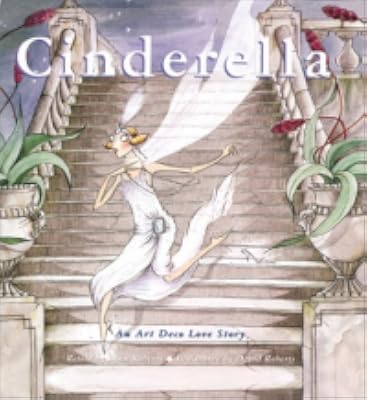
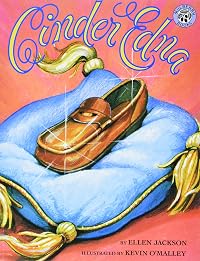
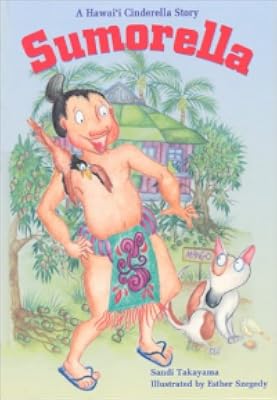
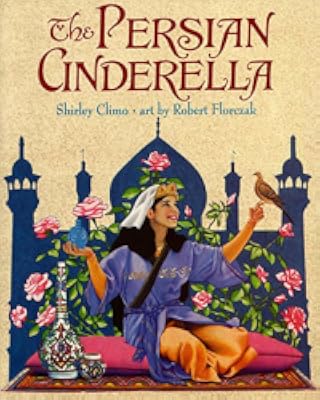

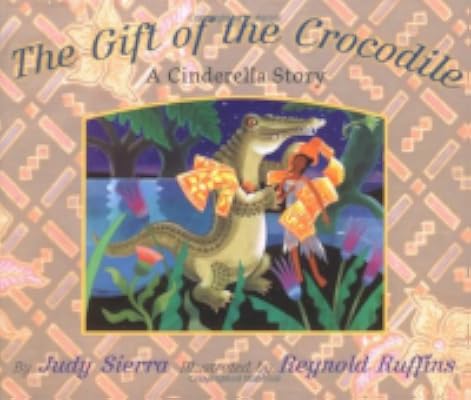
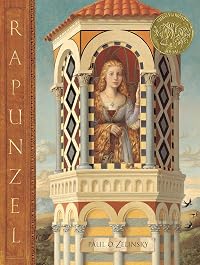

Member Recommendations
Member Reviews
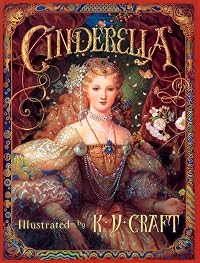
I really liked how in this version, Cinderella is portrayed as a very kind young woman and not a doormat. She speaks up for herself when it counts. Her stepsisters are never referred to as “ugly” either, but they are still selfish, self-absorbed, and hateful towards Cinderella. Cinderella’s father is alive is this story, but she doesn't tell him how cruel his wife and her daughters are to her because she doesn't want to upset him. At the beginning of the story the illustrations lack detail but as the story progresses more detail is added. They kind of looked like sketches to me. They are delicate and whimsical in nature and the colors present regality in all of the different settings. I think that's what made this book magical.
Cinderella by Perrault
Cinderella is about a girl with her mean two step sisters and step mother that catches the eye of a prince and wants to go to a ball. She gets the help of magic and friends and is able to attend but only has so much time. When it runs out she drops her glass slipper and the prince finds it and tracks her down. I like this book for two reasons. One reason is that I feel the drawings and imagery, although old, represent the time that the story takes place in better than the recent Disney movies have. In the book the pictures show them wearing very puffy and colorful clothing which is what people would have worn in France in the early 1700s. Another reason I like the story is I feel the ending is better suited to a show more children’s book because it demonstrates a better ending than happily ever after like Disney loves to do. The story ends with Cinderella bringing her sisters to the palace and introducing them to young noble men. This model behavior demonstrates forgiveness and kindness despite how people have treated you in the past. In conclusion I like this book because it better represents the time period than the recent Disney movies and because it promotes the theme of maturity and being the bigger person, which all believe all children can learn from. show less
Cinderella is about a girl with her mean two step sisters and step mother that catches the eye of a prince and wants to go to a ball. She gets the help of magic and friends and is able to attend but only has so much time. When it runs out she drops her glass slipper and the prince finds it and tracks her down. I like this book for two reasons. One reason is that I feel the drawings and imagery, although old, represent the time that the story takes place in better than the recent Disney movies have. In the book the pictures show them wearing very puffy and colorful clothing which is what people would have worn in France in the early 1700s. Another reason I like the story is I feel the ending is better suited to a show more children’s book because it demonstrates a better ending than happily ever after like Disney loves to do. The story ends with Cinderella bringing her sisters to the palace and introducing them to young noble men. This model behavior demonstrates forgiveness and kindness despite how people have treated you in the past. In conclusion I like this book because it better represents the time period than the recent Disney movies and because it promotes the theme of maturity and being the bigger person, which all believe all children can learn from. show less
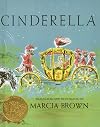
Brown translates, adapts, and illustrates the classic fairytale from Charles Perrault, who himself adapted fairy tales in the 17th century. Brown's version highlights Cinderella's kindness and perseverance, as well as her willingness to forgive her stepsisters. The illustrations are light and airy, giving the story a sense of joy and whimsy. I like Brown's prose style, which flows easily for reading aloud while including some older figures of speech. C is undiscriminating when it comes to fairy tales but seems to gravitate toward this version and we read it often.
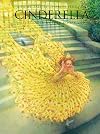
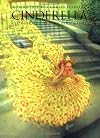
This version of Cinderella is similar to the original 1697 version by Charles Perrault. Anthea Bell translated this popular fairy tale to where it is easy to understand for the children today. When choosing to read this book, I knew that this would be the traditional story of Cinderella. The illustrations are what made me want to read this story. The stunning illustrations are colorful and well detailed. I was a little thrown off since Cinderella looks different than the Cinderella we all imagine from the movie, but it is nice to see a different face for this famous princess. As a child, I remember watching the Disney version of this classic story all the time. Now that I have read it, I noticed the theme of forgiveness was a major part show more of this story. Although Cinderella was treated poorly by her step family, she ends up forgiving them. This shows the readers to always stay kind and positive to others. I recommend this retelling of the classic tale, and it is a book I know children in the modern day will enjoy. show less
When I walked by this book in the library, I was drawn to the weird cover. Then, I read the title, "Cinderella" and thought it'd be an interesting read. Of course, I am very familiar with the story of Cinderella, however it is a folk tale and there are many different versions of the story. Essentially, this book is not very different from the story that I know. However, there are a few differences that left me a bit confused. One of the details that is different is that Cinderella's dad does not die. However, although Cinderella's dad is still alive, she is still treated poorly by her stepmother and stepsisters which I thought was interesting. Even though her dad is alive, the story did not mention him besides the beginning of the show more story. Charles Perrault could have done a better job at providing details to the story. Although the writing was easy to read and flowed well, I felt like it was lacking more information. It felt like a rushed version of the story. Although I thought it was strange at first, I actually enjoyed the illustrations of the book. It looked like a bunch of scribbles and drawings from a child. It was very artistic and different than any other children's books I've read. However, I think that Perrault's purpose of his abstract illustrations was so the readers would focus more on getting the story from the text and interpret the pictures from what they've read. Ultimately, Cinderella is a story about good karma and how Cinderella's kind nature, even towards her poor treatment from her stepmother and stepsisters, gave her a happily ever after ending. Perrault included two morals at the end of the book: one explaining the importance of beauty within and the second, good things come to those who deserve it. show less
This version of Cinderella was different that the one I am familiar with. In this version of Cinderella, her nickname is Cinderseats, her father is alive and well, and she goes to the ball twice. On the second night she loses her famous glass slipper and runs all the way home in rags. The prince is still determined to find her and does so. Once she’s found to be the lady from the ball, her step sisters beg for her forgiveness. She forgives them and brings them to live in the castle with her and marries them off to Dukes after she marries the prince. I liked this version of Cinderella but I found it troubling that her dad let her step mom treat her as a house slave. The illustrations really make this book what it is and are amazing in show more detail and look very much French. It’s easy to tell from the illustrations that this story takes place in France. show less
Summary: This version of Cinderella is very similar to the original French version. Cinderella's father gets married and her new stepmother and stepsisters are very unkind to Cinderella and make her do many tedious chores around the house. The stepsisters were invited to a ball that was being hosted by the prince. Cinderella helped them to choose their outfits and do their hair so that they would look nice for the ball even though she was not going. After the stepsisters had left Cinderella's fairy godmother found her crying in the garden because she could not go to the ball. She turned a pumpkin into a carriage, mice into horses, a rat into a coachman, and lizards into footmen. She then transformed Cinderella's old clothes into a show more beautiful gown and just like that she was off to the ball. At the ball she danced with the prince many times and was kind toward her stepsisters who did not recognize her. At the stroke of midnight she ran away from the ball but lost a slipper on the way out. The prince proclaimed that he would marry the girl who the slipper fit and so a search ensued throughout the kingdom. The slipper did not fit either stepsister but it slid easily onto Cinderella's foot and she had the match to go with it. She married the prince and arranged for her sisters to be married as well.
Review: This version of Cinderella is what would probably be considered the most commonly told. It is very similar to the movie and only leaves out a few details that the movie includes mostly for entertainment purposes. The author does a good job of choosing which elements of the story are important so that the book is not too long. The ending was slightly different than what I am used to because in this version Cinderella let her sisters come live at the palace and she found noblemen for them to marry. In this version Cinderella did not talk to the mice and birds and Lucifer the cat was not around causing trouble. I think that the central message of the story stayed the same despite these differences. The author did a good job of conveying a message of being a good person and staying true to yourself. The illustrations were very interesting because only the ones on the first and last page were in color. They were very detailed and the reader was able to use their imagination to add color and other effects. I really liked the one illustration that was drawn as a reflection in the water because it was from a unique perspective. show less
Review: This version of Cinderella is what would probably be considered the most commonly told. It is very similar to the movie and only leaves out a few details that the movie includes mostly for entertainment purposes. The author does a good job of choosing which elements of the story are important so that the book is not too long. The ending was slightly different than what I am used to because in this version Cinderella let her sisters come live at the palace and she found noblemen for them to marry. In this version Cinderella did not talk to the mice and birds and Lucifer the cat was not around causing trouble. I think that the central message of the story stayed the same despite these differences. The author did a good job of conveying a message of being a good person and staying true to yourself. The illustrations were very interesting because only the ones on the first and last page were in color. They were very detailed and the reader was able to use their imagination to add color and other effects. I really liked the one illustration that was drawn as a reflection in the water because it was from a unique perspective. show less
Members
- Recently Added By
Lists

Favorite Childhood Books
1,646 works; 518 members

Works That Inspired Disney Movies
119 works; 13 members

Shoes and other footwear
7 works; 2 members

Books Read in 2022
5,168 works; 114 members

Book Titles Mentioned In Newberry Medal And Honor Books
884 works; 3 members

Caldecott Medal Books
91 works; 15 members
Author Information

990+ Works 9,266 Members
Charles Perrault was born in Paris on January 12, 1628. He was the son of an upper-class burgeois family and attended the best schools, becoming a lawyer in 1651. After being a lawyer for some time, he was appointed chief clerk in the king's building, superintendent's office in 1664. While there, he induced Colbert to establish a fund called Liste show more des Bienfaits du Roi, to give pensions to writers and savants not only in France but in Europe. He took part in the creation of the Academy of Sciences as well as the restoration of the Academy of Painting. When the Academy of Inscriptions and Belles-Lettres was founded by Colbert in 1663, Perrault was made secretary for life. Having written but a few popular poems, he was elected to the French Academy in 1671, and on the day of his inauguration he invited the public to be admitted to the meeting, a privilege that has ever since been continued. Perrault laid the foundations for a new literary genre, the fairy tale, with his works derived from pre-existing folk tales. The best known of his tales include Le Petit Chaperon rouge (Little Red Riding Hood), Cendrillon (Cinderella), Le Chat Botté (Puss in Boots), La Belle au bois dormant (The Sleeping Beauty) and La Barbe bleue (Bluebeard). His stories continue to be printed and have been adapted to opera, ballet (for example, Tchaikovsky's Sleeping Beauty), theatre, and film. He also wrote Parallèles des Anciens et des Modernes (the Parallels between the Ancients and the Moderns), from 1688 to 1697, which compared the authors of antiquity unfavorably to more modern writers, and caused a debate that lasted for years. Charles Perrault died on May 16, 1703. (Bowker Author Biography) show less
Some Editions
Awards and Honors
Awards
Notable Lists
Series
Belongs to Publisher Series
Work Relationships
Is contained in
Is retold in
Has the adaptation
Is parodied in
Is replied to in
Inspired
Common Knowledge
- Canonical title
- Cinderella
- Original title
- The Little Glass Slipper
- Original publication date
- 1697 (original French) (original French)
- People/Characters
- Cinderella; Fairy Godmother; Javotte; The Prince; Stepmother
- Dedication
- For Mary Gould Davis who understands the true spirit of Charles Perrault
- First words
- Once upon a time there was a gentleman who took for his second wife the proudest and haughtiest woman that was ever seen.
- Last words
- (Click to show. Warning: May contain spoilers.)Cinderella, who was as good as she was beautiful, gave her sisters a home at the palace and on the same day married them to two great lords of the court.
- Disambiguation notice
- This record is for the version of the tale as told by Charles Perrault and translations (not adaptations) of his version. Do not combine with other versions or later adaptations of his work.
Classifications
Statistics
- Members
- 643
- Popularity
- 45,113
- Reviews
- 43
- Rating
- (3.78)
- Languages
- 15 — Arabic, Bulgarian, Catalan, Danish, English, Finnish, French, German, Indonesian, Italian, Korean, Norwegian, Portuguese, Russian, Spanish
- Media
- Paper, Audiobook, Ebook
- ISBNs
- 180
- ASINs
- 25