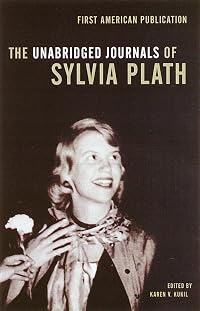
The Unabridged Journals of Sylvia Plath
by Sylvia Plath 
On This Page
Description
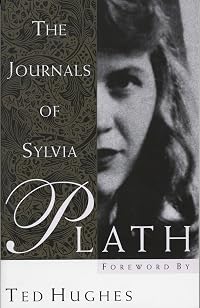
Published in their entirety, Sylvia Plath's journals provide an intimate portrait of the writer who was to produce in the last seven months of her life some of the most extraordinary poems of the twentieth century. Faithfully transcribed from the twenty-three journals and journal fragments owned by Smith College, The Unabridged Journals of Sylvia Plath includes two journals that Plath's husband, Ted Hughes, unsealed just before his death in 1998. A heavily abridged edition of Plath's diaries show more was published in 1982. This new unabridged edition reveals more fully the intensity of the poet's personal and literary struggles, and provides fresh insight into both her frequent desperation and the bravery with which she faced her demons. With its haunting, vibrant, and brutally honest prose, The Unabridged Journals of Sylvia Plath is a must-listen for all who have been moved and fascinated by Plath's life and work. show lessTags
Recommendations
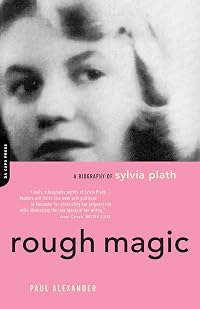

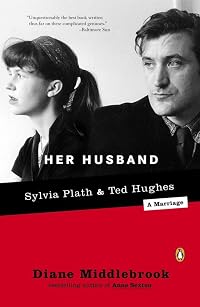
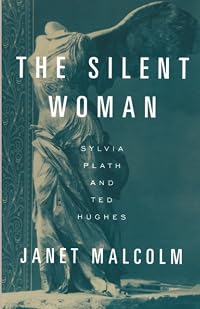

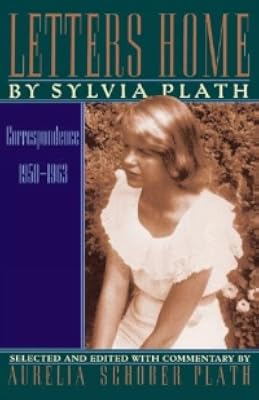
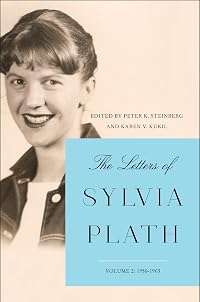

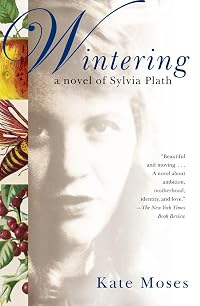

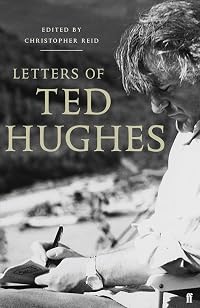
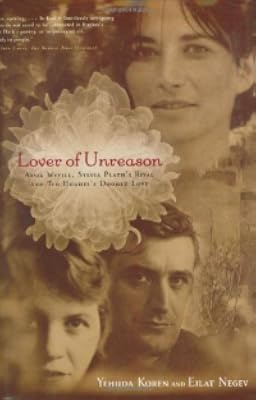
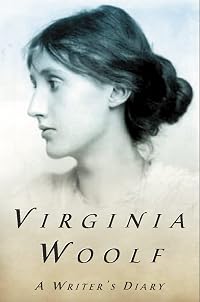

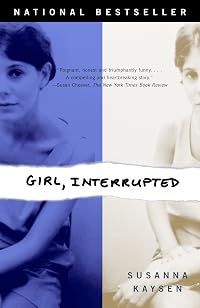
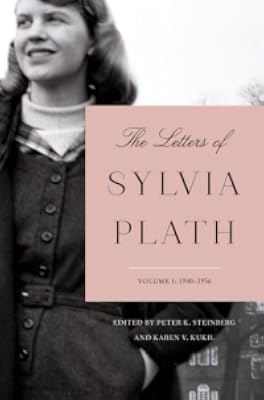

Member Recommendations
susanbooks It's interesting to compare the abridged & unabridged editions to see what Ted Hughes left out of his version. The unabridged edition gives a much more ocmplete, rounded portrait of Plath.
20
College Women In The Nuclear Age: Cultural Literacy and Female Identity, 1940-1960 by Babette Faehmel
jillianhistorian Interesting context for Plath's live -- Faehmel focuses on the experiences of college women during these decades, including their struggles with balancing sexuality with intellectual lives. Complicates the "feminine mystique" described by Betty Friedan in ways Plath might have related to.
Member Reviews
best enjoyed over a lifetime: will return to frequently. plath's mastery of the poetic and prose form are really highlighted here, where vignettes of life are as vivid as if you were placed directly next to her. her philosophical examination of her own character is excruciatingly raw - in many ways, she embodies the 'everywoman' so many try to reach. note i read the 'unabridged' version (though sections were removed by the editor) - i would hazard a guess this comes through far less in the edition edited by hughes.
“Julho de 1950 - Posso nunca vir a ser feliz, mas hoje estou contente.”. A primeira entrada destes diários tem mais de ominoso, do que prometedor – se fosse um romance, esta seria a frase de abertura perfeita; não o sendo, parece de uma presciência arrepiante.
Não recomendaria leitura dos diários de Sylvia Plath a qualquer pessoa, mas apenas a quem goste muito da autora, tenha interesse por conhecer mais sobre a sua vida e processo criativo. Os diários são muitas vezes fastidiosos, cheios de regimes de estudo e trabalho sobre-humanos com que se martirizava, falhando consecutivamente, de ponderações e hesitações amorosas, ou longas descrições. Contudo, há momentos fulgurantes em que a verdadeira Sylvia Plath irrompe, show more ora com uma candura inusitada, ora com uma faca nos dentes. É impossível ignorar que durante mais de 500 páginas de diário quase não mencione a morte do pai, que aconteceu quando Sylvia era ainda uma criança. As referências à mãe são também escassas e veladas. Estes factos, embora não incomuns, deixaram entrever as proporções que estas relações e acontecimentos assumiram no seu íntimo, fermentando sem qualquer escape que não a da sua própria tentativa de anulação, sob um revestimento paquidérmico.
Em dezembro de 1958 começam os relatos das suas consultas com a sua psiquiatra, Ruth Beuscher. É um momento absolutamente ofuscante, de uma clarividência assustadora:
"Como exprimir, então, o meu ódio pela minha mãe? No mais íntimo de mim, penso nela como uma inimiga: alguém que "matou" o meu pai, o meu primeiro aliado masculino no mundo. Ela é uma assassina da masculinidade. Quando sentia a minha mente a esvaziar-se para sempre, deitava-me na cama a pensar que seria um luxo matá-la, estrangular aquele seu pescoço escanzelado e de veias salientes que nunca conseguiria ser suficientemente grande para me proteger do mundo. Mas eu era demasiado simpática para a matar. Tentei matar-me a mim mesma: para não ser um estorvo para as pessoas que amava e para eu própria não viver num inferno irracional. Tão atencioso da minha parte: Faz a ti mesma o que gostarias de fazer aos outros. Eu gostaria de matá-la, por isso matei-me a mim mesma."
Também na sua relação com o marido, o poeta Ted Hughes, se começam a desenhar contornos de uma simbiose debilitadora em termos literários. Não havendo limite (pele) que a separasse do marido, era difícil um recolhimento que a delimitasse.
"Segunda-feira, 7 de Julho. Estou evidentemente a passar por uma fase preparatória da escrita que se assemelha aos dois meses de histeria que passei antes do início das aulas, no Outono passado. Um mal-estar, um frenesim de ressentimento perante tudo, mas no fundo perante mim mesma. Passo a noite acordada, acordo exausta, com uma sensação de nervos cortados à navalha.
(...)
O meu perigo, em parte, penso eu, é tornar-me demasiado dependente do Ted. Ele é didáctico, entusiástico esta característica noto-a mais quando estamos com outras pessoas, que o podem julgar de forma mais isenta do que eu, como o Leonard Baskin, por exemplo. É como se eu fosse sugada para um remoinho tão tentador quanto desastroso. Entre nós não há barreiras - é como se nenhum de nós (especialmente eu) tivesse pele, ou apenas uma pele partilhada por ambos, e esbarrássemos contínua dolorosamente um no outro. Gosto quando o Ted se ausenta durante algum tempo. Posso construir a minha própria vida interior, os meus próprios pensamentos, sem ele a perguntar-me a todo o instante, "Em que estás a pensar? O que é que vais fazer agora?", e que me leva rápida e obstinadamente a parar de pensar e fazer. Somos espantosamente compatíveis. Mas eu tenho de ser eu própria e não deixar-me fazer por ele."
Não será por acaso que o mais relevante da sua obra tenha sido escrito após a separação – este volume dos diários “autorizados” terminam antes desse momento. Mas não era apenas isso que a impedia de escrever – ou de escrever algo de substancial e genuíno. Há também o medo, uma repulsa natural em escavar no seu interior. Os diários, até este ponto no tempo, são na sua maioria uma gigantesca casca, uma máscara aceitável, uma construção íntima – tudo o que se podia permitir pensar e escrever.
Desde que li a 'Campânula de Vidro', sinto uma afinidade injustificada com a autora, necessariamente construída sob indução. Sinto que a conheço intimamente, como se vivesse dentro de mim – o que é naturalmente uma ilusão. Percebe-se na leitura dos diários todo o trabalho e frustrações que antecederam esse momento de elegante clarividência, procurando a voz e estilo certos. E nem sequer se pode dizer que, depois de feito, pareça fácil: continua a parecer impossível, porque não se pode reduzir a uma fórmula; é um tratado de funambulismo – porque determinados temas só podem ser atravessados por um caminho muito estreito – capaz de criar em mim a suprema ilusão de a conhecer. show less
Não recomendaria leitura dos diários de Sylvia Plath a qualquer pessoa, mas apenas a quem goste muito da autora, tenha interesse por conhecer mais sobre a sua vida e processo criativo. Os diários são muitas vezes fastidiosos, cheios de regimes de estudo e trabalho sobre-humanos com que se martirizava, falhando consecutivamente, de ponderações e hesitações amorosas, ou longas descrições. Contudo, há momentos fulgurantes em que a verdadeira Sylvia Plath irrompe, show more ora com uma candura inusitada, ora com uma faca nos dentes. É impossível ignorar que durante mais de 500 páginas de diário quase não mencione a morte do pai, que aconteceu quando Sylvia era ainda uma criança. As referências à mãe são também escassas e veladas. Estes factos, embora não incomuns, deixaram entrever as proporções que estas relações e acontecimentos assumiram no seu íntimo, fermentando sem qualquer escape que não a da sua própria tentativa de anulação, sob um revestimento paquidérmico.
Em dezembro de 1958 começam os relatos das suas consultas com a sua psiquiatra, Ruth Beuscher. É um momento absolutamente ofuscante, de uma clarividência assustadora:
"Como exprimir, então, o meu ódio pela minha mãe? No mais íntimo de mim, penso nela como uma inimiga: alguém que "matou" o meu pai, o meu primeiro aliado masculino no mundo. Ela é uma assassina da masculinidade. Quando sentia a minha mente a esvaziar-se para sempre, deitava-me na cama a pensar que seria um luxo matá-la, estrangular aquele seu pescoço escanzelado e de veias salientes que nunca conseguiria ser suficientemente grande para me proteger do mundo. Mas eu era demasiado simpática para a matar. Tentei matar-me a mim mesma: para não ser um estorvo para as pessoas que amava e para eu própria não viver num inferno irracional. Tão atencioso da minha parte: Faz a ti mesma o que gostarias de fazer aos outros. Eu gostaria de matá-la, por isso matei-me a mim mesma."
Também na sua relação com o marido, o poeta Ted Hughes, se começam a desenhar contornos de uma simbiose debilitadora em termos literários. Não havendo limite (pele) que a separasse do marido, era difícil um recolhimento que a delimitasse.
"Segunda-feira, 7 de Julho. Estou evidentemente a passar por uma fase preparatória da escrita que se assemelha aos dois meses de histeria que passei antes do início das aulas, no Outono passado. Um mal-estar, um frenesim de ressentimento perante tudo, mas no fundo perante mim mesma. Passo a noite acordada, acordo exausta, com uma sensação de nervos cortados à navalha.
(...)
O meu perigo, em parte, penso eu, é tornar-me demasiado dependente do Ted. Ele é didáctico, entusiástico esta característica noto-a mais quando estamos com outras pessoas, que o podem julgar de forma mais isenta do que eu, como o Leonard Baskin, por exemplo. É como se eu fosse sugada para um remoinho tão tentador quanto desastroso. Entre nós não há barreiras - é como se nenhum de nós (especialmente eu) tivesse pele, ou apenas uma pele partilhada por ambos, e esbarrássemos contínua dolorosamente um no outro. Gosto quando o Ted se ausenta durante algum tempo. Posso construir a minha própria vida interior, os meus próprios pensamentos, sem ele a perguntar-me a todo o instante, "Em que estás a pensar? O que é que vais fazer agora?", e que me leva rápida e obstinadamente a parar de pensar e fazer. Somos espantosamente compatíveis. Mas eu tenho de ser eu própria e não deixar-me fazer por ele."
Não será por acaso que o mais relevante da sua obra tenha sido escrito após a separação – este volume dos diários “autorizados” terminam antes desse momento. Mas não era apenas isso que a impedia de escrever – ou de escrever algo de substancial e genuíno. Há também o medo, uma repulsa natural em escavar no seu interior. Os diários, até este ponto no tempo, são na sua maioria uma gigantesca casca, uma máscara aceitável, uma construção íntima – tudo o que se podia permitir pensar e escrever.
Desde que li a 'Campânula de Vidro', sinto uma afinidade injustificada com a autora, necessariamente construída sob indução. Sinto que a conheço intimamente, como se vivesse dentro de mim – o que é naturalmente uma ilusão. Percebe-se na leitura dos diários todo o trabalho e frustrações que antecederam esse momento de elegante clarividência, procurando a voz e estilo certos. E nem sequer se pode dizer que, depois de feito, pareça fácil: continua a parecer impossível, porque não se pode reduzir a uma fórmula; é um tratado de funambulismo – porque determinados temas só podem ser atravessados por um caminho muito estreito – capaz de criar em mim a suprema ilusão de a conhecer. show less
NHỮNG ĐIỀU MÌNH THÍCH
- Những suy tư của SP chạm đến mình nhẹ nhàng mà xúc động đến sợ
- "I desire the things which will destroy me in the end"
- "I am still so naive; I know pretty much what I like and dislike; but please, don't ask me who I am. "A passionate, fragmentary girl," maybe?"
- Và vẫn là lối suy nghĩ nữ quyền đầy cảm hứng
- "Being born a woman is my awful tragedy"
- "And yet does it not all come again to the fact that it is a man's world?"
- Bởi vì đây là một cuốn nhật kí, nên nó cho mình biết rất nhiều thứ về SP, và mặc dù chỉ là một cuốn nhật kí nhưng tài năng viết lách của SP vẫn được thể hiện hết. Cực kì hay ý
- show more Mà ở đây là hay theo kiểu cứ đọc một lúc là phải dừng lại, ngồi ngẫm nghĩ lại tại sao có thể viết được như thế cơ chứ!!!
- "... What is my life for and what am I going to do with it? I don't know and I'm afraid. I can never read all the books I want; I can never be all the people I want and live all the lives I want. I can never train myself in all the skills I want. And why do I want? I want to live and feel all the shades, tones, and variations of mental and physical experience possible in my life. And I am horribly limited"
NHỮNG ĐIỀU MÌNH KHÔNG THÍCH
- Vì cứ dừng lại để suy nghĩ và một phần vì bận nên mình đọc rất chậm. Nhưng thực ra cuốn nhật kí này nên đọc cách ra, kiểu đừng đọc liền tù tèo ý, mà để nó ngấm dần thì hay hơn nhiều.
- Thực ra cũng không gọi là dnf đâu vì mình phải đọc gần hết rồi còn đoạn appendix thì bỏ dở show less
- Những suy tư của SP chạm đến mình nhẹ nhàng mà xúc động đến sợ
- "I desire the things which will destroy me in the end"
- "I am still so naive; I know pretty much what I like and dislike; but please, don't ask me who I am. "A passionate, fragmentary girl," maybe?"
- Và vẫn là lối suy nghĩ nữ quyền đầy cảm hứng
- "Being born a woman is my awful tragedy"
- "And yet does it not all come again to the fact that it is a man's world?"
- Bởi vì đây là một cuốn nhật kí, nên nó cho mình biết rất nhiều thứ về SP, và mặc dù chỉ là một cuốn nhật kí nhưng tài năng viết lách của SP vẫn được thể hiện hết. Cực kì hay ý
- show more Mà ở đây là hay theo kiểu cứ đọc một lúc là phải dừng lại, ngồi ngẫm nghĩ lại tại sao có thể viết được như thế cơ chứ!!!
- "... What is my life for and what am I going to do with it? I don't know and I'm afraid. I can never read all the books I want; I can never be all the people I want and live all the lives I want. I can never train myself in all the skills I want. And why do I want? I want to live and feel all the shades, tones, and variations of mental and physical experience possible in my life. And I am horribly limited"
NHỮNG ĐIỀU MÌNH KHÔNG THÍCH
- Vì cứ dừng lại để suy nghĩ và một phần vì bận nên mình đọc rất chậm. Nhưng thực ra cuốn nhật kí này nên đọc cách ra, kiểu đừng đọc liền tù tèo ý, mà để nó ngấm dần thì hay hơn nhiều.
- Thực ra cũng không gọi là dnf đâu vì mình phải đọc gần hết rồi còn đoạn appendix thì bỏ dở show less
The terrible thing is, that I have lived with a lady like this: just when you decide that she is utterly impossible, she does something so kind that it takes your breath away.
Sylvia seems to have been well aware of her faults and was, undoubtedly her own hardest critic. I can still appreciate how difficult the relationship must have been for Ted Hughes.
Journals and diaries are difficult because, if one notes down one's thoughts almost without review, they can seem harsh to the reader who has time to reflect. Sylvia is, almost without exception, hard on the people she meets. Ted seems to be the only one to consistently get the benefit of the doubt and, even there, he is sometimes bemused by an air of disapproval for which he has no show more explanation. Oft times, it seems Sylvia doesn't either. It definitely was not a good idea for Sylvia to live with a successful poet. She believed that Ted's lead in the writing stakes would prevent competition but, it is apparent that Sylvia did take her rejections very personally.
This is a book which asks more questions than it answers and I must soon try a biography of Sylvia to see whether someone else's perspective gives a better light on the lady's history, which is rarely mentioned in this book. show less
Sylvia seems to have been well aware of her faults and was, undoubtedly her own hardest critic. I can still appreciate how difficult the relationship must have been for Ted Hughes.
Journals and diaries are difficult because, if one notes down one's thoughts almost without review, they can seem harsh to the reader who has time to reflect. Sylvia is, almost without exception, hard on the people she meets. Ted seems to be the only one to consistently get the benefit of the doubt and, even there, he is sometimes bemused by an air of disapproval for which he has no show more explanation. Oft times, it seems Sylvia doesn't either. It definitely was not a good idea for Sylvia to live with a successful poet. She believed that Ted's lead in the writing stakes would prevent competition but, it is apparent that Sylvia did take her rejections very personally.
This is a book which asks more questions than it answers and I must soon try a biography of Sylvia to see whether someone else's perspective gives a better light on the lady's history, which is rarely mentioned in this book. show less
The complete journals of one of the more interesting authors of the twentieth century. Praised by no less than Joyce Carol Oates, I found that dipping into these journals was both entertaining and informative. They provide a sort of memoir for a life that had more pain in it than the author deserved.
Like many girls of my day, I was obsessed with Sylvia Plath back in my high school years-- I read everything I could get my hands on by her, as well as the Ted Hughes edit of her journals (in which her talented, scoundrel of a husband left out pretty much anything critical of himself.)
I've long wanted to read the "unabridged version" which still seems to be missing a lot. Hughes burned Plath's final journal after his estranged wife's suicide... there are also big gaps in this book, which seems odd for such a meticulous note taker.
Plath's journals are an interesting read-- she struggled so much with wanting and despairing of the conventional role for women of her time. She reminded me so much of Virginia Woolf-- I wondered how both of show more these ladies would have fared in a times where a woman's sexuality does not need to be repressed.
I found the journals reminded me how brilliant Plath was, even as an 18-year-old college freshman. She write a lot about the process of writing in them, which drags a bit after a while, but overall, these journals were an interesting read. show less
I've long wanted to read the "unabridged version" which still seems to be missing a lot. Hughes burned Plath's final journal after his estranged wife's suicide... there are also big gaps in this book, which seems odd for such a meticulous note taker.
Plath's journals are an interesting read-- she struggled so much with wanting and despairing of the conventional role for women of her time. She reminded me so much of Virginia Woolf-- I wondered how both of show more these ladies would have fared in a times where a woman's sexuality does not need to be repressed.
I found the journals reminded me how brilliant Plath was, even as an 18-year-old college freshman. She write a lot about the process of writing in them, which drags a bit after a while, but overall, these journals were an interesting read. show less
As journals go, this is a very open one; even so, this version, erupted slightly before Ted Hughes' death in 1998, does not contain much after 1961, which is sad. Even if Hughes destroyed those journals, this book is a genuine treasury.
These journals contain what Plath wrote from 1950 to 1962. As such, it contains notes on her growing up; dating, life, death, school-work, her future, travelling, and very notably her success as a poet, her mood-swings and what struck me the most, her innermost thoughts on a variety of subjects.
Plath was seldom vulgar in her journals. Neither does she seem anything other than honest.
What she writes on love is intricate and vulnerable, especially when dating, from 1950 to the moment when she meets Hughes show more and later marries him.
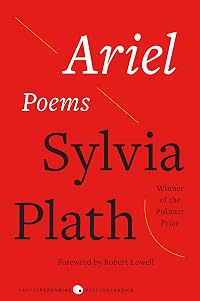
Their togetherness and love seems so strong, especially her devotion to him, which does sadly, not in the slightest, explain most of her poems (e.g. "The Jailor") in the unabridged version of "Ariel", her last batch of poems, previously abridged by Hughes.
This is genuinely a real experience and is recommendable to everybody. It is little wonder that Plath liked J.D. Salinger, adored Virginia Woolf and loved James Joyce. Read this and do yourself a favour.
I've cobbled up samples from the book here. show less
These journals contain what Plath wrote from 1950 to 1962. As such, it contains notes on her growing up; dating, life, death, school-work, her future, travelling, and very notably her success as a poet, her mood-swings and what struck me the most, her innermost thoughts on a variety of subjects.
Plath was seldom vulgar in her journals. Neither does she seem anything other than honest.
What she writes on love is intricate and vulnerable, especially when dating, from 1950 to the moment when she meets Hughes show more and later marries him.
Their togetherness and love seems so strong, especially her devotion to him, which does sadly, not in the slightest, explain most of her poems (e.g. "The Jailor") in the unabridged version of "Ariel", her last batch of poems, previously abridged by Hughes.
This is genuinely a real experience and is recommendable to everybody. It is little wonder that Plath liked J.D. Salinger, adored Virginia Woolf and loved James Joyce. Read this and do yourself a favour.
I've cobbled up samples from the book here. show less
Members
- Recently Added By
Published Reviews
ThingScore 100
Dit morrelen aan de mogelijkheden van het bestaan maakt Plaths proza zeer de moeite waard. Ze raakt algemene levenswetten, waar iedereen mee worstelt. Ze graait naar de onbekende toekomst en dat is tragisch en vervreemdend, omdat wij lezers precies weten hoeveel dagen ze nog heeft. Plath weet alleen dat ze ontelbare mogelijkheden heeft om haar leven richting te geven, maar ze wil de show more verantwoordelijkheid van het kiezen niet aan, dat beknot haar te veel. Daarom blikt ze op een dwangmatig bestraffende manier vooruit ('I must' en 'I shall' zijn een repeterend refrein) en vergeet zo de zachte blos op de zure goudrenet van haar leven. show less
added by Jozefus
Lists

Books Featured on Gilmore Girls
307 works; 21 members

Bibliography for How to be a Heroine
148 works; 12 members

sad girl books
41 works; 2 members

Rory Gilmore Book Club
193 works; 5 members

sad girl books
51 works; 3 members

The Complete Rory Gilmore Reading List
506 works; 5 members
Author Information

133+ Works 55,893 Members
Sylvia Plath's best poetry was produced, tragically, as she pondered self-destruction---in her poems as well as her life---and she eventually committed suicide. She had an extraordinary impact on British as well as American poetry in the few years before her death, and affected many poets, particularly women, in the generation after. She is a show more confessional poet, influenced by the approach of Robert Lowell. Born in Boston, a graduate of Smith College, Plath attended Newnham College, Cambridge University, on a Fulbright Fellowship and married the British poet Ted Hughes. Of her first collection,The Colossus and Other Poems (1962), the Times Literary Supplement remarked, "Plath writes from phrase to phrase as well as with an eye on the larger architecture of the poem; each line, each sentence is put together with a good deal of care for the springy rhythm, the arresting image and---most of all, perhaps---the unusual word." Plath's second book of poetry, Ariel, written in 1962 in a last fever of passionate creative activity, was published posthumously in 1965 and explores dimensions of women's anger and sexuality in groundbreaking new ways. Plath's struggles with women's issues, in the days before the second wave of American feminism, became legendary in the 1970s, when a new generation of women readers and writers turned to her life as well as her work to understand the contradictory pressures of ambitious and talented women in the 1950s. The Bell Jar---first published under a pseudonym in 1963 and later issued under Plath's own name in England in 1966---is an autobiographical novel describing an ambitious young woman's efforts to become a "real New York writer" only to sink into mental illness and despair at her inability to operate within the narrow confines of traditional feminine expectations. Plath was posthumously awarded the Pulitzer Prize for poetry in 1982. In recent years, there have been a number of biographies and critical evaluations of Plath's work. (Bowker Author Biography) show less
Sylvia Plath has a Legacy Library. Legacy libraries are the personal libraries of famous readers, entered by LibraryThing members from the Legacy Libraries group.
All Editions
Awards and Honors
Notable Lists
Series
Belongs to Publisher Series
Privé-domein (255)
Work Relationships
Common Knowledge
- Canonical title
- The Unabridged Journals of Sylvia Plath
- Original title
- The Unabridged Journals of Sylvia Plath
- Original publication date
- 2000-10-17
- People/Characters
- Sylvia Plath; Ted Hughes
- First words
- July 1950-- I may never be happy, but tonight I am content. Nothing more than an empty house, the warm hazy weariness from a day spent setting strawberry runners in the sun, a glass of cool sweet milk, and a shallow dish of ... (show all)blueberries bathed in cream. Now I know how people can life without books, without college. When one is so tired at the end of the day one must sleep, and at the next dawn there are more strawberry runners to set, and so one goes on living, near the earth. At times like this I'd call myself a fool to ask for more...
I may never be happy, but tonight I am content. - Quotations*
- Schrijven breekt de graftomben van de doden open en de hemelen waarachter de voorspellende engelen zich verbergen.
[I]k zal schrijven totdat mijn diepste innerlijk begint te spreken, en dan kinderen krijgen en uit nog diepere diepten spreken. Eerst het leven van de scheppende geest, dan dat van het scheppende lichaam. Want het laatste bet... (show all)ekent niets voor me zonder het eerste, en het eerste floreert op de vruchtbare wortels in de aarde van het laatste. - Last words
- (Click to show. Warning: May contain spoilers.)A bad day. A bad time. State of mind most important for work. A blithe, itchy eager state where the poem itself, the story itself is supreme.
(Click to show. Warning: May contain spoilers.)O it is just what we want, say the people. Now I wonder, will they come? - Publisher's editor*
- Kukil, Karen V.
- Original language
- English
- Canonical DDC/MDS
- 818.5403
- Canonical LCC
- PS3566.L27
- Disambiguation notice
- Please distinguish between The Journals of Sylvia Plath (1982), originally published as heavily edited by her husband, Ted Hughes, and this Work, The Unabridged Journals of Sylvia Plath (2000). The Unabridged... (show all) edition presents nearly 400 pages of additional material, making the two Works very different.
This distinction is complicated by the British edition of The Unabridged Journals (ISBN 0571197043) being also titled The Journals of Sylvia Plath, so a number of abridged and unabridged copies continue to be combined incorrectly.
*Some information comes from Common Knowledge in other languages. Click "Edit" for more information.
Classifications
Statistics
- Members
- 3,194
- Popularity
- 5,441
- Reviews
- 22
- Rating
- (4.17)
- Languages
- 10 — Danish, Dutch, English, French, Hungarian, Polish, Spanish, Swedish, Turkish, Portuguese (Brazil)
- Media
- Paper, Audiobook, Ebook
- ISBNs
- 29
- ASINs
- 8