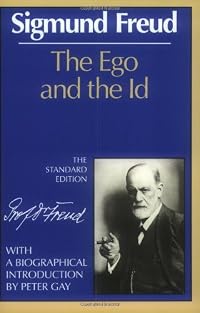
The Ego and the Id
by Sigmund Freud
On This Page
Description
"All human behaviors and traits, according to this 1923 study, derive from the complicated interactions of three elements of the psyche: the id, the ego, and the superego. The root of Sigmund Freud's approach to psychiatric treatment resides in bringing the id, the hidden source of human passion, to the surface. The ego--formed to negotiate the id's interactions with reality--and the superego--the critical, moralistic part of the mind--remain in constant conflict with the id's demands. show more Although the concept of the unconscious was not Freud's own invention, hebrought it into popular awareness and pioneered its use in treating mental conditions. This ground-breaking volume constitutes one of the Viennese physician's most insightful works on the topic. In addition to positing the balancing act between the id, ego, and superego, Freud further explores the concepts of the life force and the death force, and the anxieties driven by fear, morality, and guilt"-- show lessTags
Recommendations
























Member Reviews
Not sure I was able to fully absorb this one. Less than 100 pages and yet I felt a bit like I was walking through a fog that was only apparent when I was trying to see through it, but wasn't immediately visible when I was trying to look right at it. Thinking comprehension could be improved by reading other supporting material like his essay on Narcissism, etc. Will most likely come back and read this again after a bit.
Will do my review once I finish my analytical read in a while.
אחת מהתיאוריות של פרוייד בנושא התת מודע בחלוקה לאגו ולאיד
الذات والغرائز ترجمة لكتاب فرويد
the Ego and the Id
من المفترض أن ترجمته الأنا والهو
وهذا لا يختلف كثيرا عن الترجمة العربية
فالإيجو هو الأنا أو الذات
والهو هي محل الغرائز كما بين فرويد
الكتاب قصير لغته أكاديمية جافة ولن يفهمه إلا مهتم بعلم النفس والتحليل
فالهو محل الغرائز التي ليس لها رادع
والغرائز قسمين الغريزة الجنسية وغريز الموت وهما من وجهة نظر فرويد متضادتان
فالغريزة الجنسية هدفها البناء واتحاد العناصر show more وغريزة الموت غريزة الهدم والرجوع الي العناصر الأولي
من الممكن أن يعملا مع بعض
او بالتكامل
ينبع من الهو ويتصل به الأنا الأعلي للتحكم بالغرائز عن طريق الحزم واعطاء أوامر للأنا بالكبت وهو يمثل الشخصيات السامية في حياتنا الأولي كالأب علي سبيل المثال
الأنا هي الجزء الذي يدرك ويشعر ويتعامل مع الواقع وهدفه الحفاظ علي الذات من أي مخاطر
الأنا يتعرض الي نزعات الهو "الغرائز" وقسوة الأنا الأعلي "الضمير" وأيضا مجريات الواقع
أيه اضطرابات تنشأ عنها الأمراض العصابية والذهانية
الحقيقة كموضوع تحليل نفسي فهو يتميز بالصعوبة إلا إذا كنت تتحلي بالصبر لمعرفة الكوامن والدوافع وتحرير ما كبته المريض لتفهم مشكلته وتحلها
أعتقد أن الفكرة الواصلة عن فرويد باهتمامه بالنواحي الجنسية فكرة مغلوطة جزئيا
لكل عالم من علماء النفس نظرة للتحليل النفسي وأعتقد أن كل النظريات متكاملة وليست متضادة
فاهتمام يونج بالروحانيات والاوعي الجمعي لا يتعارض بأي حال مع نظريات فرويد وعقد النقص الخاصة بأدلر أعتقد أن لها علاقة بكبت مواقف مؤلمة في الهو كميكانيزم دفاعي
هذا الكتاب نكرر لن يفهمه سوي المهتم بهذه الأمور
أو من لديه خلفيات في هذا المجال show less
the Ego and the Id
من المفترض أن ترجمته الأنا والهو
وهذا لا يختلف كثيرا عن الترجمة العربية
فالإيجو هو الأنا أو الذات
والهو هي محل الغرائز كما بين فرويد
الكتاب قصير لغته أكاديمية جافة ولن يفهمه إلا مهتم بعلم النفس والتحليل
فالهو محل الغرائز التي ليس لها رادع
والغرائز قسمين الغريزة الجنسية وغريز الموت وهما من وجهة نظر فرويد متضادتان
فالغريزة الجنسية هدفها البناء واتحاد العناصر show more وغريزة الموت غريزة الهدم والرجوع الي العناصر الأولي
من الممكن أن يعملا مع بعض
او بالتكامل
ينبع من الهو ويتصل به الأنا الأعلي للتحكم بالغرائز عن طريق الحزم واعطاء أوامر للأنا بالكبت وهو يمثل الشخصيات السامية في حياتنا الأولي كالأب علي سبيل المثال
الأنا هي الجزء الذي يدرك ويشعر ويتعامل مع الواقع وهدفه الحفاظ علي الذات من أي مخاطر
الأنا يتعرض الي نزعات الهو "الغرائز" وقسوة الأنا الأعلي "الضمير" وأيضا مجريات الواقع
أيه اضطرابات تنشأ عنها الأمراض العصابية والذهانية
الحقيقة كموضوع تحليل نفسي فهو يتميز بالصعوبة إلا إذا كنت تتحلي بالصبر لمعرفة الكوامن والدوافع وتحرير ما كبته المريض لتفهم مشكلته وتحلها
أعتقد أن الفكرة الواصلة عن فرويد باهتمامه بالنواحي الجنسية فكرة مغلوطة جزئيا
لكل عالم من علماء النفس نظرة للتحليل النفسي وأعتقد أن كل النظريات متكاملة وليست متضادة
فاهتمام يونج بالروحانيات والاوعي الجمعي لا يتعارض بأي حال مع نظريات فرويد وعقد النقص الخاصة بأدلر أعتقد أن لها علاقة بكبت مواقف مؤلمة في الهو كميكانيزم دفاعي
هذا الكتاب نكرر لن يفهمه سوي المهتم بهذه الأمور
أو من لديه خلفيات في هذا المجال show less
Apr 20, 2020Arabic
son conceptos fundamentales en la teoría del psicoanálisis con la que Sigmund Freud intentó explicar cómo funciona la mente, sugiriendo que tiene una estructura particular. Propuso que está dividida en tres partes: el Ego, el Superego y el Ello.
May 2, 2007Spanish
Ratings
Members
- Recently Added By
Lists

Freud Reading List
7 works; 1 member
Author Information

1,392+ Works 51,156 Members
Sigmund Freud was the founder of psychoanalysis, simultaneously a theory of personality, a therapy, and an intellectual movement. He was born into a middle-class Jewish family in Freiburg, Moravia, now part of Czechoslovakia, but then a city in the Austro-Hungarian Empire. At the age of 4, he moved to Vienna, where he spent nearly his entire life. show more In 1873 he entered the medical school at the University of Vienna and spent the following eight years pursuing a wide range of studies, including philosophy, in addition to the medical curriculum. After graduating, he worked in several clinics and went to Paris to study under Jean-Martin Charcot, a neurologist who used hypnosis to treat the symptoms of hysteria. When Freud returned to Vienna and set up practice as a clinical neurologist, he found orthodox therapies for nervous disorders ineffective for most of his patients, so he began to use a modified version of the hypnosis he had learned under Charcot. Gradually, however, he discovered that it was not necessary to put patients into a deep trance; rather, he would merely encourage them to talk freely, saying whatever came to mind without self-censorship, in order to bring unconscious material to the surface, where it could be analyzed. He found that this method of free association very often evoked memories of traumatic events in childhood, usually having to do with sex. This discovery led him, at first, to assume that most of his patients had actually been seduced as children by adult relatives and that this was the cause of their neuroses; later, however, he changed his mind and concluded that his patients' memories of childhood seduction were fantasies born of their childhood sexual desires for adults. (This reversal is a matter of some controversy today.) Out of this clinical material he constructed a theory of psychosexual development through oral, anal, phallic and genital stages. Freud considered his patients' dreams and his own to be "the royal road to the unconscious." In The Interpretation of Dreams (1900), perhaps his most brilliant book, he theorized that dreams are heavily disguised expressions of deep-seated wishes and fears and can give great insight into personality. These investigations led him to his theory of a three-part structure of personality: the id (unconscious biological drives, especially for sex), the superego (the conscience, guided by moral principles), and the ego (the mediator between the id and superego, guided by reality). Freud's last years were plagued by severe illness and the rise of Nazism, which regarded psychoanalysis as a "Jewish pollution." Through the intervention of the British and U.S. governments, he was allowed to emigrate in 1938 to England, where he died 15 months later, widely honored for his original thinking. His theories have had a profound impact on psychology, anthropology, art, and literature, as well as on the thinking of millions of ordinary people about their own lives. Freud's daughter Anna Freud was the founder of the Hampstead Child Therapy Clinic in London, where her specialty was applying psychoanalysis to children. Her major work was The Ego and the Mechanisms of Defense (1936). (Bowker Author Biography) show less
Some Editions
Awards and Honors
Notable Lists
Series
Belongs to Publisher Series
Work Relationships
Is contained in
Three Essays on the Theory of Sexuality, Beyond the Pleasure Principle, The Ego and the Id by Sigmund Freud
The Ego and the Id ; Inhibitions, Symptoms, and Anxiety ; Thoughts for the Times on War and Death by Sigmund Freud
Common Knowledge
- Canonical title
- The Ego and the Id
- Original title
- Das Ich und das Es
Classifications
- Genres
- Nonfiction, General Nonfiction, Philosophy
- DDC/MDS
- 150.1952 — Philosophy and Psychology Psychology Emotions, Relationships, & Family Theory And Instruction Systems, schools, viewpoints Psychoanalytic systems Freudian system
- LCC
- BF175.5 .E35 .F7413 — Philosophy, Psychology and Religion Psychology Psychology Psychoanalysis
- BISAC
Statistics
- Members
- 1,172
- Popularity
- 21,234
- Reviews
- 6
- Rating
- (3.46)
- Languages
- 6 — English, French, German, Italian, Spanish, Portuguese (Portugal)
- Media
- Paper, Audiobook, Ebook
- ISBNs
- 45
- UPCs
- 2
- ASINs
- 35