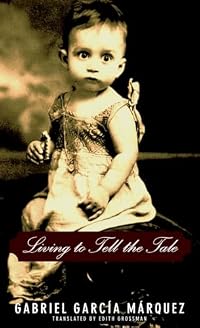
Living to Tell the Tale
by Gabriel García Márquez
On This Page
Description
Publisher's description: In this long-awaited first volume of a planned trilogy, the most acclaimed and revered living Nobel laureate begins to tell us the story of his life. Like all his work, Living to Tell the Tale is a magnificent piece of writing. It spans Gabriel García Márquez's life from his birth in 1927 through the start of his career as a writer to the moment in the 1950s when he proposed to the woman who would become his wife. It has the shape, the quality, and the vividness show more of a conversation with the reader--a tale of people, places, and events as they occur to him: the colorful stories of his eccentric family members; the great influence of his mother and maternal grandfather; his consuming career in journalism, and the friends and mentors who encouraged him; the myths and mysteries of his beloved Colombia; personal details, undisclosed until now, that would appear later, transmuted and transposed, in his fiction; and, above all, his fervent desire to become a writer. And, as in his fiction, the narrator here is an inspired observer of the physical world, able to make clear the emotions and passions that lie at the heart of a life--in this instance, his own. show lessTags
Recommendations












Member Reviews
” الحياة ليست ما يعيشه أحدنا ، وإنما هي ما يذكره، وكيف يتذكره ليرويه”
لن أتحدث في السطور القادمة عن الكاتب الذي سحرني خلال عام وبضعة أشهر، إنما عن الإنسان الذي قرأت سيرة حياته التي لا تختلف مقدار ذرّه عن حياة أي إنسان آخر!
إلا أن غابيتو قررّ أن يكتبها بروحه التي لا يمكن أن تسبر غورها إلا من خلال الابحار في رواياته وقصصه القصيرة.
نصيحة قبل تتبع أحرفي هنا، هناك الكثير من الأحداث التي نقلها غابرييل غارسيا ماركيز show more عن حياته الحقيقية لرواياته ، ربما تكون اقتباساتي هنا بمثابة (إفساد) لما تخفيه كتب لم تقرأوها بعد!
لكن ما المانع من القراءة ؟
ربما يكون هذا المتصفح طُعماً صغيرا يقودكم لاقتناء كافة اعماله وانهاءها خلال الاجازة الصيفية.
يبدأ الكاتب في سيرته بسرد قصة رحلته مع والدته لبيع البيت الذي عاش فيه طفولته المختلفة، مع جدّيه وقريباته.
في هذه الرحلة يواجه والدته بحقيقة أن الكتابة هي حرفته التي لن يتخلى عنها، وان أي شيء آخر عداها لا يثير اهتمامه.
الحوار الذي يدور بينهما ويسجله غابرييل على الصفحات يذكرنا بالحوار الذي يدور بين الآباء وابناءهم ، عندما تصطدم طموحاتهم بما يخططه الوالدين منذ لحظة الميلاد!
” كنت أفكر في أنها لن تستسلم أبداً، وستواصل البحث عن خاصرة ضعيفة تكسر من خلالها قراري”
غابيتو لا يغفل التفاصيل الصغيرة، حتى وهو يكتب لنفسه وعن نفسه، كنت اظن أن روعة تلك الصور والدقائق الطويلة التي نمضيها في تتبع وصف ما في رواياته هي مجرد صنعة فنية أو تقنية يعمل بها لإبهارنا. وتبين لي العكس عندما قرأت الروعة التي يسرد بها تفاصيل المدينة التي وصلها، رحلة النهر ، البيوت المتهالكة والملابس والوجوه!
خلال تلك الرحلة أيضا يلتقي برعب طفولته الدكتور الفريدو باربوثا ، ويؤكد انه ما زال يشعر بذات الرعب الذي احسّ به اول مرة التقى به.
” حدثته عن الزرافة- عمودي اليومي في صحيفة الهيرالدو- وأطلعته على خبر إننا ننوي عن قريب، إصدار مجلة نبني عليها آمال كبيرة ، وأخبرته كذلك وقد ازددت ثقة بنفسي بتفاصيل المشروع وحتى اسم المجلة ، كرونيكا.
أمعن النظر إلي من أعلى إلى أسفل وقال:
لا أدري كيف تكتب ولكنك تتكلم ككاتب منذ الآن! “
عند وصوله ووالدته إلى بيت جدّيه يبدأ باسترجاع الذكريات المحببة إلى نفسه ، ورعبه من صوت القطار الذي يمر وقت الظهيرة.
” لم نكن نستطيع التنفس أحيانا من عبق الياسمين الحار- قالت وهي تنظر إلى ا لسماء المبهرة، وتنهدت من اعماق روحها وهي تضيف: لكن ما افتقده منذ ذلك الحين، هو رعد الساعه الثالثة مساء.
لقد اذهلتني، لانني كنت أتذكر كذلك الدوي الوحيد الذي كان يوقظنا من القيلولة وكأنه تدحرج احجار ولكنني لم انتبه قط إلى انه لا يحدث إلا في الساعة الثالثة”.
يسير بنا غابرييل حول المنزل متنقلا بين الغرف التي لم يتبقَ بها إلا أنصاف الأشياء ، هذا الوصف العميق للبيت يعكس بذاكرتي بيت آل بوينديا في رواية مئة عام من العزلة، ويمر على ذكر قصة والدته حين استضافت زميلات الدراسة ذات عطلة مما حدا بجديه إلى شراء سبعين مبولة لهم!
وفي رواية مئة عام من العزلة استضافت ريناتا ريميديوس (ميمي) ابنة اورليانو الثاني وفيرناندا ديل كاربيو ، صديقات المدرسة الستين دون سابق إنذار، مسببة ورطة كبيرة لأورسولا!
وفيما اختص بانتقال أسرة والدته إلى اركاتكا فقد سبق ذلك حادثة مبارزة بين جده وبين بيداردو باتشيكو، انتقل بعد مقتل الثاني هارباً بأسرته وعدّة صياغة السمكات الذهبيات التي ورثها عن والده.
جدّه كان الرجل الأول في حياته ومن خلاله تعلم ابسط الأشياء، وتفتحت رؤيته على عالم الكبار.
كان البيت مليئا بالنساء ، مما جعلهما متواطئان مع بعضهما في اغلب الأوقات.
يذكر منها رحلته للسيرك، وحادثة الجمل ذو السنام التي تبعها تعرفه على المعجم إذ نشب خلاف بين جده وبين رجل في السيرك حول الجمل ذو السنامين والجمل ذو السنام.
ووجد الإجابة في المنزل في الكتاب الذي قال عنه جدّه.
” الكتاب الذي لا يعرف كل شيء وحسب، بل هو الكتاب الوحيد الذي لا يخطئ أبداً”
وذات مره بعد أن أصاب غابيتو السيدات في منزل جديه بالإعياء جراء التنظيف خلفه بسبب رسوماته التي ملأت الجدران، أمر جده بطلاء جدار غرفة المشغل باللون الأبيض ومنحه عدة ألوان مائية ليرسم كما يشاء عليه.
فبدأ برسم قصص مسلسلة قبل تعلّم الكتابة، وهكذا نمت لديه القدرة على صنع سياق مرتب من الأحداث أبهر بها أفراد عائلته.
” كانت حكاياتي في معظمها أحداثا بسيطة من الحياة اليومية اجعلها أكثر جاذبيه بتفاصيل متخيلة كي يصغي إلي الكبار، وكانت أفضل مصادر إلهامي هي الأحاديث التي يتبادلها الكبار أمامي لأنهم يظنون إنني لا افهمها فيشفرونها عمداً كي لا أفهمهما لكن الأمر كان خلاف ذلك، كنت امتصها مثل اسفنجة ثم افككها إلى أجزاء واقلبها لكي أخفي الأصل، وعندما أرويها للأشخاص أنفسهم الذين رووها تتملكهم الحيرة للتوافق الغريب بين ما أقوله وما يفكرون فيه”
***
والد غابيتو عازف الكمان الذي كان يتقن أعذب السيرنادات يعزفها لوالدته عند الفجر ، عامل التلغراف البسيط الذي قوبل بالاستهجان!
ألا يذكركم بـ فلورينتينو اريزا ؟
والدته التي حُملت على ظهور البغال بعيداً ، لكي تستعيد صوابها وتحجم عن مغامرة الارتباط به هل تربطون بينها وبين إحدى بطلات غابرييل .. فيرمينا داثا مثلاً ؟
مع قراءتي لأول سطور حكايتهما شعرت إنني سأرقص فرحاً أن الحب في زمن الكوليرا كانت رواية مقتبسه من واقع وليست متخيله !
وأن البطلان يتزوجان في النهاية وينجبان ابنا سيخلد ذكرياتهما في أجمل روايات الحب..
التقى والده ووالدته في مأتم احد الأطفال ، ثم تتابعت لقاءاتهم حتى كانت إحدى الليالي وسلمها وردة وقال : ” أسلمك حياتي في هذه الوردة”.
أما والدته السيدة المكافحة، الغيورة التي تستخدم حاسة الشمّ في التعرف على الأماكن التي يرتادها زوجها وابنها من الرائحة التي تعلق بهم، وتذكرني مجددا بفيرمينا !
إخوته وأخواته لم يكن يراهم إلا فترات بسيطة ومتقطعة خاصة عندما التحق بالدراسة الجامعية، وعنهم يروي بعض الحكايات التي تجمع بين العجب والدراما والمأساوية في أحيان أخرى.
أخته مارغوت كانت تلتهم التراب في صغرهم، لتذكرنا مجددا بروبيكا في مئة عام من العزلة.
أما أخواته الأخريات فقد صدرت بحقهم تلميحات في نشرة الفضائح مما أثار حفيظة والده ذات مرّه، هذه النشرات كانت تعلق في سوكري والتي بنى عليها رواية ” في ساعة نحس” ويقول أن الأحداث التي ذكرت ليست بالضرورة هي نفسها ، لكنه استقى من تلك الظاهرة الاجتماعية فكرة استخدمها كنقطة انطلاق.
يروي تفاصيل منزل أسرته وإخوته بكمّ هائل من الحنين، وكأن شيئا يشبه الندم بداخله تجاه ابتعاده عن أسرته.
” تلك التبدلات في حياتي وأسلوبي في العيش، كانت تستجيب للتبدلات التي طرأت على أسرتي، ففي كل زيارة تبدو لي مختلفة بفضل إصلاحات وتحولات أبويّ، وبسبب الإخوة الذين يولدون ويكبرون متشابهين جدا، إلى حد يسهل معه الخلط بينهم أكثر من التعرف عليهم”
**
نُشرت القصة الأولى له بعد تسعة أشهر من تخرجه من المرحلة الثانوية، وبعدها بفترة نشرت قصته الثانية.
قصته الأولى ( الاستسلام الثالث) التي كانت كتابتها بمثابة مخاض طويل، ذات ثلاثاء في جريدة الاسبيكتادور.
” كان رد فعلي الأول هو اليقين الساحق بعدم امتلاكي خمسة سنتات لشراء الصحيفة، وقد كان ذلك هو الرمز الأكثر جلاء للفقر، لان أشياء كثيرة أساسية من متطلبات الحياة اليومية، فضلا عن الصحيفة ، كانت تكلم خمسة سنتات”
في ذلك اليوم وجد غابرييل رجلا يترجل من تاكسي ويحمل معه الاسبيكتادور فطلب منه مواجهة أن يهديها له. هكذا استطاع قراءة قصته الأولى!
مع مرور الوقت تحول شيئا فشيئا إلى الكتابة الصحفية ومن خلال ذلك توصل إلى حقيقة أن الريبورتاج الصحفي والرواية هما ابنان لأم واحده !
***
غابرييل الإنسان كان مدمن تدخين من الدرجة الأولى ، ويتحدث في سيرته عن معركته للاقلاع عنه، بلا جدوى.
” خلال عشاء عارض في برشلونة، كان طبيب نفسي صديق يشرح لآخرين أنه ربما كان التدخين هو الإدمان الذي يصعب التخلص منه أكثر من سواه، فتجرأت على سؤاله عن السبب العميق وراء ذلك، فكان رده تبسيطاً يبعث على القشعريرة:
- لأن ترك التدخين سيكون بالنسبة لك، أشبه بقتل كائن عزيز.
ما حدث كان أشبه بتفجر بصيرة، لم اعرف السبب قط ولم أشأ معرفته، لكنني سحقت في المنفضة السيجارة التي كنت قد أشعلتها للتو، ولم أعد للتدخين بعدها، بلا جزع ولا أسف، طوال ما تبقى من حياتي”
كان إلى جانب إدمانه للتدخين، محبا للموسيقى والكلاسيكية بالدرجة الأولى ، إلى جانب الحان الكاريبي والموسيقى اللاتينية.
كان يرتاد مكتبة ليقرأ الكتب ويستمع لموسيقى يطلبها من الموظفة مكتوبة على الورق،
وفي نيومكسيكو خلال كتابته لمئة عام من العزلة، كان يستمع إلى اسطوانتين بلا توقف هما ، الاستهلالات لديبوسي ، ويا لليلة ذلك اليوم للبيتلز.
ومن الآلات يهوى التشيلو والكمان!
***
ربما أغفلت الكثير من التفاصيل التي ذكرها غابيتو في كتابه عشت لأروي عمداً ، لكي اترك لكم مساحة فضول اكبر!
لفت نظري كثيرا الرسائل التي يدسها بذكاء لتبين توجهه السياسي، مثل أحاديثه حول الثورات اللاتينية، وكاسترو الذي أصبح صديقا له فيما بعد.
بدأ ماركيز الكتاب برحلته مع والدته وختمه بالحديث عن زوجته ، لا اعلم لماذا قرأت في هذا رائحة تقدير كبير يحمله للنساء الذين عبرن حياته، أن تبدأ سيرتك بأمك وتنهيها بزوجتك عظيم جداً !
قبل أن تكون مرسيدس زوجته بعث لها برسالة من على متن الطائرة بانتظار إجابتها له.
” إذا لم أتلق جواباً على هذه الرسالة، قبل مرور شهر فسوف أبقى لأعيش في أوروبا إلى الأبد” show less
لن أتحدث في السطور القادمة عن الكاتب الذي سحرني خلال عام وبضعة أشهر، إنما عن الإنسان الذي قرأت سيرة حياته التي لا تختلف مقدار ذرّه عن حياة أي إنسان آخر!
إلا أن غابيتو قررّ أن يكتبها بروحه التي لا يمكن أن تسبر غورها إلا من خلال الابحار في رواياته وقصصه القصيرة.
نصيحة قبل تتبع أحرفي هنا، هناك الكثير من الأحداث التي نقلها غابرييل غارسيا ماركيز show more عن حياته الحقيقية لرواياته ، ربما تكون اقتباساتي هنا بمثابة (إفساد) لما تخفيه كتب لم تقرأوها بعد!
لكن ما المانع من القراءة ؟
ربما يكون هذا المتصفح طُعماً صغيرا يقودكم لاقتناء كافة اعماله وانهاءها خلال الاجازة الصيفية.
يبدأ الكاتب في سيرته بسرد قصة رحلته مع والدته لبيع البيت الذي عاش فيه طفولته المختلفة، مع جدّيه وقريباته.
في هذه الرحلة يواجه والدته بحقيقة أن الكتابة هي حرفته التي لن يتخلى عنها، وان أي شيء آخر عداها لا يثير اهتمامه.
الحوار الذي يدور بينهما ويسجله غابرييل على الصفحات يذكرنا بالحوار الذي يدور بين الآباء وابناءهم ، عندما تصطدم طموحاتهم بما يخططه الوالدين منذ لحظة الميلاد!
” كنت أفكر في أنها لن تستسلم أبداً، وستواصل البحث عن خاصرة ضعيفة تكسر من خلالها قراري”
غابيتو لا يغفل التفاصيل الصغيرة، حتى وهو يكتب لنفسه وعن نفسه، كنت اظن أن روعة تلك الصور والدقائق الطويلة التي نمضيها في تتبع وصف ما في رواياته هي مجرد صنعة فنية أو تقنية يعمل بها لإبهارنا. وتبين لي العكس عندما قرأت الروعة التي يسرد بها تفاصيل المدينة التي وصلها، رحلة النهر ، البيوت المتهالكة والملابس والوجوه!
خلال تلك الرحلة أيضا يلتقي برعب طفولته الدكتور الفريدو باربوثا ، ويؤكد انه ما زال يشعر بذات الرعب الذي احسّ به اول مرة التقى به.
” حدثته عن الزرافة- عمودي اليومي في صحيفة الهيرالدو- وأطلعته على خبر إننا ننوي عن قريب، إصدار مجلة نبني عليها آمال كبيرة ، وأخبرته كذلك وقد ازددت ثقة بنفسي بتفاصيل المشروع وحتى اسم المجلة ، كرونيكا.
أمعن النظر إلي من أعلى إلى أسفل وقال:
لا أدري كيف تكتب ولكنك تتكلم ككاتب منذ الآن! “
عند وصوله ووالدته إلى بيت جدّيه يبدأ باسترجاع الذكريات المحببة إلى نفسه ، ورعبه من صوت القطار الذي يمر وقت الظهيرة.
” لم نكن نستطيع التنفس أحيانا من عبق الياسمين الحار- قالت وهي تنظر إلى ا لسماء المبهرة، وتنهدت من اعماق روحها وهي تضيف: لكن ما افتقده منذ ذلك الحين، هو رعد الساعه الثالثة مساء.
لقد اذهلتني، لانني كنت أتذكر كذلك الدوي الوحيد الذي كان يوقظنا من القيلولة وكأنه تدحرج احجار ولكنني لم انتبه قط إلى انه لا يحدث إلا في الساعة الثالثة”.
يسير بنا غابرييل حول المنزل متنقلا بين الغرف التي لم يتبقَ بها إلا أنصاف الأشياء ، هذا الوصف العميق للبيت يعكس بذاكرتي بيت آل بوينديا في رواية مئة عام من العزلة، ويمر على ذكر قصة والدته حين استضافت زميلات الدراسة ذات عطلة مما حدا بجديه إلى شراء سبعين مبولة لهم!
وفي رواية مئة عام من العزلة استضافت ريناتا ريميديوس (ميمي) ابنة اورليانو الثاني وفيرناندا ديل كاربيو ، صديقات المدرسة الستين دون سابق إنذار، مسببة ورطة كبيرة لأورسولا!
وفيما اختص بانتقال أسرة والدته إلى اركاتكا فقد سبق ذلك حادثة مبارزة بين جده وبين بيداردو باتشيكو، انتقل بعد مقتل الثاني هارباً بأسرته وعدّة صياغة السمكات الذهبيات التي ورثها عن والده.
جدّه كان الرجل الأول في حياته ومن خلاله تعلم ابسط الأشياء، وتفتحت رؤيته على عالم الكبار.
كان البيت مليئا بالنساء ، مما جعلهما متواطئان مع بعضهما في اغلب الأوقات.
يذكر منها رحلته للسيرك، وحادثة الجمل ذو السنام التي تبعها تعرفه على المعجم إذ نشب خلاف بين جده وبين رجل في السيرك حول الجمل ذو السنامين والجمل ذو السنام.
ووجد الإجابة في المنزل في الكتاب الذي قال عنه جدّه.
” الكتاب الذي لا يعرف كل شيء وحسب، بل هو الكتاب الوحيد الذي لا يخطئ أبداً”
وذات مره بعد أن أصاب غابيتو السيدات في منزل جديه بالإعياء جراء التنظيف خلفه بسبب رسوماته التي ملأت الجدران، أمر جده بطلاء جدار غرفة المشغل باللون الأبيض ومنحه عدة ألوان مائية ليرسم كما يشاء عليه.
فبدأ برسم قصص مسلسلة قبل تعلّم الكتابة، وهكذا نمت لديه القدرة على صنع سياق مرتب من الأحداث أبهر بها أفراد عائلته.
” كانت حكاياتي في معظمها أحداثا بسيطة من الحياة اليومية اجعلها أكثر جاذبيه بتفاصيل متخيلة كي يصغي إلي الكبار، وكانت أفضل مصادر إلهامي هي الأحاديث التي يتبادلها الكبار أمامي لأنهم يظنون إنني لا افهمها فيشفرونها عمداً كي لا أفهمهما لكن الأمر كان خلاف ذلك، كنت امتصها مثل اسفنجة ثم افككها إلى أجزاء واقلبها لكي أخفي الأصل، وعندما أرويها للأشخاص أنفسهم الذين رووها تتملكهم الحيرة للتوافق الغريب بين ما أقوله وما يفكرون فيه”
***
والد غابيتو عازف الكمان الذي كان يتقن أعذب السيرنادات يعزفها لوالدته عند الفجر ، عامل التلغراف البسيط الذي قوبل بالاستهجان!
ألا يذكركم بـ فلورينتينو اريزا ؟
والدته التي حُملت على ظهور البغال بعيداً ، لكي تستعيد صوابها وتحجم عن مغامرة الارتباط به هل تربطون بينها وبين إحدى بطلات غابرييل .. فيرمينا داثا مثلاً ؟
مع قراءتي لأول سطور حكايتهما شعرت إنني سأرقص فرحاً أن الحب في زمن الكوليرا كانت رواية مقتبسه من واقع وليست متخيله !
وأن البطلان يتزوجان في النهاية وينجبان ابنا سيخلد ذكرياتهما في أجمل روايات الحب..
التقى والده ووالدته في مأتم احد الأطفال ، ثم تتابعت لقاءاتهم حتى كانت إحدى الليالي وسلمها وردة وقال : ” أسلمك حياتي في هذه الوردة”.
أما والدته السيدة المكافحة، الغيورة التي تستخدم حاسة الشمّ في التعرف على الأماكن التي يرتادها زوجها وابنها من الرائحة التي تعلق بهم، وتذكرني مجددا بفيرمينا !
إخوته وأخواته لم يكن يراهم إلا فترات بسيطة ومتقطعة خاصة عندما التحق بالدراسة الجامعية، وعنهم يروي بعض الحكايات التي تجمع بين العجب والدراما والمأساوية في أحيان أخرى.
أخته مارغوت كانت تلتهم التراب في صغرهم، لتذكرنا مجددا بروبيكا في مئة عام من العزلة.
أما أخواته الأخريات فقد صدرت بحقهم تلميحات في نشرة الفضائح مما أثار حفيظة والده ذات مرّه، هذه النشرات كانت تعلق في سوكري والتي بنى عليها رواية ” في ساعة نحس” ويقول أن الأحداث التي ذكرت ليست بالضرورة هي نفسها ، لكنه استقى من تلك الظاهرة الاجتماعية فكرة استخدمها كنقطة انطلاق.
يروي تفاصيل منزل أسرته وإخوته بكمّ هائل من الحنين، وكأن شيئا يشبه الندم بداخله تجاه ابتعاده عن أسرته.
” تلك التبدلات في حياتي وأسلوبي في العيش، كانت تستجيب للتبدلات التي طرأت على أسرتي، ففي كل زيارة تبدو لي مختلفة بفضل إصلاحات وتحولات أبويّ، وبسبب الإخوة الذين يولدون ويكبرون متشابهين جدا، إلى حد يسهل معه الخلط بينهم أكثر من التعرف عليهم”
**
نُشرت القصة الأولى له بعد تسعة أشهر من تخرجه من المرحلة الثانوية، وبعدها بفترة نشرت قصته الثانية.
قصته الأولى ( الاستسلام الثالث) التي كانت كتابتها بمثابة مخاض طويل، ذات ثلاثاء في جريدة الاسبيكتادور.
” كان رد فعلي الأول هو اليقين الساحق بعدم امتلاكي خمسة سنتات لشراء الصحيفة، وقد كان ذلك هو الرمز الأكثر جلاء للفقر، لان أشياء كثيرة أساسية من متطلبات الحياة اليومية، فضلا عن الصحيفة ، كانت تكلم خمسة سنتات”
في ذلك اليوم وجد غابرييل رجلا يترجل من تاكسي ويحمل معه الاسبيكتادور فطلب منه مواجهة أن يهديها له. هكذا استطاع قراءة قصته الأولى!
مع مرور الوقت تحول شيئا فشيئا إلى الكتابة الصحفية ومن خلال ذلك توصل إلى حقيقة أن الريبورتاج الصحفي والرواية هما ابنان لأم واحده !
***
غابرييل الإنسان كان مدمن تدخين من الدرجة الأولى ، ويتحدث في سيرته عن معركته للاقلاع عنه، بلا جدوى.
” خلال عشاء عارض في برشلونة، كان طبيب نفسي صديق يشرح لآخرين أنه ربما كان التدخين هو الإدمان الذي يصعب التخلص منه أكثر من سواه، فتجرأت على سؤاله عن السبب العميق وراء ذلك، فكان رده تبسيطاً يبعث على القشعريرة:
- لأن ترك التدخين سيكون بالنسبة لك، أشبه بقتل كائن عزيز.
ما حدث كان أشبه بتفجر بصيرة، لم اعرف السبب قط ولم أشأ معرفته، لكنني سحقت في المنفضة السيجارة التي كنت قد أشعلتها للتو، ولم أعد للتدخين بعدها، بلا جزع ولا أسف، طوال ما تبقى من حياتي”
كان إلى جانب إدمانه للتدخين، محبا للموسيقى والكلاسيكية بالدرجة الأولى ، إلى جانب الحان الكاريبي والموسيقى اللاتينية.
كان يرتاد مكتبة ليقرأ الكتب ويستمع لموسيقى يطلبها من الموظفة مكتوبة على الورق،
وفي نيومكسيكو خلال كتابته لمئة عام من العزلة، كان يستمع إلى اسطوانتين بلا توقف هما ، الاستهلالات لديبوسي ، ويا لليلة ذلك اليوم للبيتلز.
ومن الآلات يهوى التشيلو والكمان!
***
ربما أغفلت الكثير من التفاصيل التي ذكرها غابيتو في كتابه عشت لأروي عمداً ، لكي اترك لكم مساحة فضول اكبر!
لفت نظري كثيرا الرسائل التي يدسها بذكاء لتبين توجهه السياسي، مثل أحاديثه حول الثورات اللاتينية، وكاسترو الذي أصبح صديقا له فيما بعد.
بدأ ماركيز الكتاب برحلته مع والدته وختمه بالحديث عن زوجته ، لا اعلم لماذا قرأت في هذا رائحة تقدير كبير يحمله للنساء الذين عبرن حياته، أن تبدأ سيرتك بأمك وتنهيها بزوجتك عظيم جداً !
قبل أن تكون مرسيدس زوجته بعث لها برسالة من على متن الطائرة بانتظار إجابتها له.
” إذا لم أتلق جواباً على هذه الرسالة، قبل مرور شهر فسوف أبقى لأعيش في أوروبا إلى الأبد” show less
If you like Gabriel Garcia Marquez as a writer, you are going to love his autobiography. What a different world Gabriel Garcia Marquez lived in. From an early age he was exposed to unheard of violence. Imagine! It was common for men (and women) to swagger around with a revolver in their waistbands. The headless horseman still rides through my dreams. Marquez writes with such honesty and clarity it is if you are standing beside him when he is so poor he cannot pay for a copy of his first published story. He needs to ask a reader if he is done with his copy. Time and time again Marquez pulls back the curtain on some of his childhood secrets. Imagine the embarrassment he felt in boarding school knowing he would talk in his sleep.
Living to show more Tell the Tale is not only a first installment of a man's autobiography, but it is also a peek into the mind of a budding writer; tales about Marquez's mother and how she was his first character and her life, his first plot; the starting of a cultural weekly to combine sports with literature. Crawl inside the mind of this extraordinary writer's mind and you will find a man who cared deeply for perfection. Example: the difference between Madrilenian and Caribbean dialects can alter the text's meaning considerably. Marquez had copies of such an incorrect edit destroyed.
Living to Tell the Tale only takes the reader up to Marquez's life in the 1950s when he proposes to his wife, but there are glimpses into his future such as in 1962 when In Evil Hour won a novel competition and he celebrated the birth of his second son. show less
Living to show more Tell the Tale is not only a first installment of a man's autobiography, but it is also a peek into the mind of a budding writer; tales about Marquez's mother and how she was his first character and her life, his first plot; the starting of a cultural weekly to combine sports with literature. Crawl inside the mind of this extraordinary writer's mind and you will find a man who cared deeply for perfection. Example: the difference between Madrilenian and Caribbean dialects can alter the text's meaning considerably. Marquez had copies of such an incorrect edit destroyed.
Living to Tell the Tale only takes the reader up to Marquez's life in the 1950s when he proposes to his wife, but there are glimpses into his future such as in 1962 when In Evil Hour won a novel competition and he celebrated the birth of his second son. show less
This is the first in a planned three-volume autobiography, taking the reader from Marquez’s birth in 1927 to his young adulthood in the mid 1950s.
In recounting his early life, the author also tells the history of Columbia – the politics, culture, troubles and triumphs of the people. He talks about his family and the women who raised him. And, of course, he talks about the women he loved, physically if not emotionally.
Marquez cannot tell a tale without some element of magical realism; that style is so ingrained in the oral traditions of Latin America. I loved those little hints in this story of a literary technique that this author perfected and brought to lovers of literature worldwide. In some scenes I was reminded of evenings show more spent on the porch in the dark of a summer’s evening, listening to my grandparents recount tales of their own childhoods. And while I generally dislike “cliff-hanger” endings, the one employed here was just perfect.
Still, I’m in no hurry to read additional memoirs by Marquez. This one definitely could have used some editing. show less
In recounting his early life, the author also tells the history of Columbia – the politics, culture, troubles and triumphs of the people. He talks about his family and the women who raised him. And, of course, he talks about the women he loved, physically if not emotionally.
Marquez cannot tell a tale without some element of magical realism; that style is so ingrained in the oral traditions of Latin America. I loved those little hints in this story of a literary technique that this author perfected and brought to lovers of literature worldwide. In some scenes I was reminded of evenings show more spent on the porch in the dark of a summer’s evening, listening to my grandparents recount tales of their own childhoods. And while I generally dislike “cliff-hanger” endings, the one employed here was just perfect.
Still, I’m in no hurry to read additional memoirs by Marquez. This one definitely could have used some editing. show less
Living to Tell the Tale has some fun and colorful stories from Gabriel García Márquez’s early life. But it’s really a book for people who already care a lot about his writing. I read it on my way to Colombia after it was recommended, and while I enjoyed parts of it, I think it means more if you’re a fan of his work.
This autobiography is the first of a planned trilogy by the author. Beginning with his earliest memories of his childhood in Aracataca, Columbia, Marquez candidly relates growing up in a close knit and impoverished family. His father, a struggling pharmacist, often had to leave his family in order to squeak out a living in communities in need of his services. His mother would, on occasion, travel with him and left the children in the care of her parents. "Gabito" , the oldest, was often remarked to be the savior of the family and despite their dire financial situation was pegged to be either a lawyer or doctor. The first several chapters are wordy and move slowly but it's quite obvious how his family, their oddities and their show more experiences became part of his imaginative and magical novels.
The action picks up a bit when as a teenager he leaves Aracataca to continue his education in Bogata at a time when the roots of a revolution are planted and where he meets his life long friend, Fidal Castro.
With Bogata in the midst of chaos he transfers to Cartagena and rather than follow his father's wishes he follows his heart and writes. He's a journalist, an editorialist, an author of several stories that don't amount to much yet he earns enough to help his family and make friends and connections that help him achieve his desires.
The story comes to its conclusion as Marquez is sent to Geneva, Switzerland on his first international story. As he leaves he attempts to re-connect with the young woman who he proposed to at the tender age of 13.
What a cliffhanger! Will they or will they not reunite? I'm sorry to say the story may never be told by Marquez. Since it's been 11 years since this book was published I became curious as to when the next one will be released, or maybe it was and I missed it. Unfortunately, I discovered that, last year, his brother revealed that Marquez, who is nearing 90 years of age, has dementia and has ceased writing. Hopefully, there are enough notes for someone else to complete his trilogy show less
The action picks up a bit when as a teenager he leaves Aracataca to continue his education in Bogata at a time when the roots of a revolution are planted and where he meets his life long friend, Fidal Castro.
With Bogata in the midst of chaos he transfers to Cartagena and rather than follow his father's wishes he follows his heart and writes. He's a journalist, an editorialist, an author of several stories that don't amount to much yet he earns enough to help his family and make friends and connections that help him achieve his desires.
The story comes to its conclusion as Marquez is sent to Geneva, Switzerland on his first international story. As he leaves he attempts to re-connect with the young woman who he proposed to at the tender age of 13.
What a cliffhanger! Will they or will they not reunite? I'm sorry to say the story may never be told by Marquez. Since it's been 11 years since this book was published I became curious as to when the next one will be released, or maybe it was and I missed it. Unfortunately, I discovered that, last year, his brother revealed that Marquez, who is nearing 90 years of age, has dementia and has ceased writing. Hopefully, there are enough notes for someone else to complete his trilogy show less
I wanted to love this book. I really did. There were so many achingly beautiful sentences, but as Marquez moves onto his adult life, I got lost in the profusion of names and seemingly irrelevant details. I just couldn't get through it.
Review: Living To Tell The Tale by Gabriel Garcia Marquez.
I felt like this wasn’t a book written about Gabriel Marquez but about all the people he was acquainted with. Each person he knew Marquez took his time and wrote a respectable amount of information about them and looked upon a lot of them as some kind of mentor. The book was more addressed to his acquaintances then himself. It was interesting and written well but not what I expected and sometime not on the stimulating side. However, I give him credit for his writing.
The book started out with his recollection of being with his mother taking a trip back to their home in Aracataca. The events and adventure of that time was holding my interest because that was the kind of book I show more thought this was. I could see by his words what kind of a life he encountered and the vast secluded environment he was brought up in.
As his story moves on I learn very little about Marquez other than he is a gifted writer, articulate, and a mystified type of person. However, I found myself wanting more coherent worldview accounts of his life, something to link all the events and adventures of others around him to his life. I did read many details of his life in Colombia translated through remarkable facts and history from other people.
Marquez, himself gave a brilliant assessment of Colombia’s troubled political history, past and present, and how to survive living in an artistic community. It might feel like I’m putting the book down but it’s far from that estimation. I just wanted more of his life story more detailed, the draining of essence of his great mind because as a writer he is a genius. show less
I felt like this wasn’t a book written about Gabriel Marquez but about all the people he was acquainted with. Each person he knew Marquez took his time and wrote a respectable amount of information about them and looked upon a lot of them as some kind of mentor. The book was more addressed to his acquaintances then himself. It was interesting and written well but not what I expected and sometime not on the stimulating side. However, I give him credit for his writing.
The book started out with his recollection of being with his mother taking a trip back to their home in Aracataca. The events and adventure of that time was holding my interest because that was the kind of book I show more thought this was. I could see by his words what kind of a life he encountered and the vast secluded environment he was brought up in.
As his story moves on I learn very little about Marquez other than he is a gifted writer, articulate, and a mystified type of person. However, I found myself wanting more coherent worldview accounts of his life, something to link all the events and adventures of others around him to his life. I did read many details of his life in Colombia translated through remarkable facts and history from other people.
Marquez, himself gave a brilliant assessment of Colombia’s troubled political history, past and present, and how to survive living in an artistic community. It might feel like I’m putting the book down but it’s far from that estimation. I just wanted more of his life story more detailed, the draining of essence of his great mind because as a writer he is a genius. show less
Members
- Recently Added By
Published Reviews
ThingScore 75
García Márquez's new book, a memoir called ''Living to Tell the Tale,'' reminds us that what seems so fantastical in ''One Hundred Years of Solitude'' is in fact a reasonable description of Colombia, where ghosts are still central to workaday life and the successor to the civil war depicted in the novel rages to this very day.
added by jlelliott
''Living to Tell the Tale'' -- a title that conjures memories of ''Moby- Dick,'' as well as this Nobel laureate's own nonfiction book ''The Story of a Shipwrecked Sailor'' -- is the first volume of a planned autobiographical trilogy. But its most powerful sections read like one of his mesmerizing novels, transporting the reader to a Latin America haunted by the ghosts of history and shaped by show more the exigencies of its daunting geography, by its heat and jungles and febrile light. show less
added by jlelliott
Wellicht had die zelfgeschapen werkelijkheid beter mythisch kunnen blijven in plaats van, onder het mom van een autobiografie, een hybridisch boek te worden dat noch helemaal verdichting noch helemaal waarheid is. De pretentie van het laatste heeft de vorm van het boek geen goed gedaan. Feiten en gebeurtenissen volgen elkaar vaak op met een fantasieloosheid (`en toen...', `hoe dan ook...') die show more een echte roman zich niet had kunnen veroorloven.
Maar in die gebeurtenissen krijgt de verbeeldingsvolle formuleringskracht van García Márquez als van oudsher vrij baan. Zo bedwelmend en sprookjesachtig als zijn kinderjaren, het journalistieke succes en niet te vergeten de talloze gestreelde vrouwendijen hier beschreven worden, zijn ze misschien allemaal niet geweest. Maar wie zou deze verhalen erover hebben willen missen? show less
Maar in die gebeurtenissen krijgt de verbeeldingsvolle formuleringskracht van García Márquez als van oudsher vrij baan. Zo bedwelmend en sprookjesachtig als zijn kinderjaren, het journalistieke succes en niet te vergeten de talloze gestreelde vrouwendijen hier beschreven worden, zijn ze misschien allemaal niet geweest. Maar wie zou deze verhalen erover hebben willen missen? show less
added by Jozefus
Lists

Top Five Books of 2017
757 works; 230 members

Writers as Characters in Fiction
120 works; 19 members

Books Read in 2015
3,298 works; 126 members

Blue Pyramid 1,276 Best Books of All Time
1,248 works; 32 members

SHOULD Read Books!
354 works; 9 members

Coming of Age
33 works; 1 member
Author Information

381+ Works 146,767 Members
Gabriel García Márquez was born in Aracataca, Colombia on March 6, 1927. After studying law and journalism at the National University of Colombia in Bogota, he became a journalist. In 1965, he left journalism, to devote himself to writing. His works included Leaf Storm, No One Writes to the Colonel, The Evil Hour, One Hundred Years of Solitude, show more Love in the Time of Cholera, The Autumn of the Patriarch, Chronicle of a Death Foretold, The General in His Labyrinth, Clandestine in Chile, and the memoir Living to Tell the Tale. He won the Nobel Prize for Literature in 1982. He died on April 17, 2014 at the age of 87. (Bowker Author Biography) show less
Some Editions
Awards and Honors
Awards
Distinctions
Series
Belongs to Publisher Series
Work Relationships
Is contained in
Has as a commentary on the text
Common Knowledge
- Canonical title
- Living to Tell the Tale
- Original title
- Vivir para contarla
- Alternate titles*
- نعيشها لنرويها; أن تعيش لتحكي
- Original publication date
- 2002
- People/Characters
- Gabriel García Márquez; Alfonso Fuenmayor; Alejandro Obregón; Germán Vargas Cantillo; José Félix Fuenmayor; Meira Delmar (show all 11); César Augusto del Valle; Luisa Santiaga Márquez; Nicolás Márquez; Tranquilina Márquez; Gabriel Eligio García
- Important places
- Colombia
- Epigraph
- Life is not what one lived,but what one remembers and how one remembers it in order to recount it.
- First words
- My mother asked me to go with her to sell the house.
- Quotations
- Before adolescence, memory is more interested in the future than the past, and so my recollections of the town were not yet idealized by nostalgia.
- Last words
- (Click to show. Warning: May contain spoilers.)On Thursday of the following week, when I walked into the hotel in Geneva at the end of another useless day of international disagreements, I found her letter of reply.
- Original language
- Spanish
*Some information comes from Common Knowledge in other languages. Click "Edit" for more information.
Classifications
- Genre
- Biography & Memoir
- DDC/MDS
- 863.64 — Literature & rhetoric Spanish, Portuguese, Galician literatures Spanish fiction 20th Century 1945-2000
- LCC
- PQ8180.17 .A73 .Z47813 — Language and Literature French, Italian, Spanish and Portuguese literatures Spanish literature Provincial, local, colonial, etc. Spanish America
- BISAC
Statistics
- Members
- 3,746
- Popularity
- 4,230
- Reviews
- 45
- Rating
- (3.73)
- Languages
- 40 — Albanian, Arabic, Belarusian, Bulgarian, Czech, Danish, Dutch, English, Esperanto, Estonian, Finnish, French, Georgian, German, Greek, Hebrew, Hungarian, Italian, Japanese, Korean, Latvian, Lithuanian, Macedonian, Norwegian (Bokmål), Norwegian, Farsi/Persian, Polish, Romanian, Russian, Croatian, Sinhalese, Slovak, Slovenian, Spanish, Swedish, Turkish, Portuguese (Portugal), Portuguese (Brazil), Chinese, traditional, Chinese, simplified
- Media
- Paper, Audiobook, Ebook
- ISBNs
- 83
- ASINs
- 32