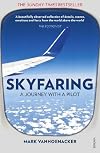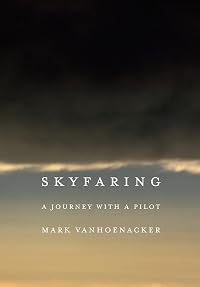
Skyfaring: A Journey with a Pilot
by Mark Vanhoenacker
On This Page
Description
"The twenty-first century has relegated airplane flight--a once remarkable feat of human ingenuity--to the realm of the mundane. When most people today think of flying, they imagine tedious routines that involve security checkpoints, exorbitant baggage fees, shrinking legroom, and frustrating delays. Mark Vanhoenacker, a 747 pilot who gave up careers in academia and the business world to pursue his childhood dream of flight, asks us to re-imagine what we--both as pilots and as show more passengers--are actually doing when we enter the world between departure and discovery. In a seamless fusion of history, politics, geography, meteorology, ecology, family, and physics, the author vaults across geographical and cultural boundaries, above mountains, oceans, and deserts, through snow, wind, and rain, limning a simultaneously humbling and almost superhuman activity which can afford us unparalleled perspectives on the planet we inhabit and the communities we form"-- show lessTags
Recommendations









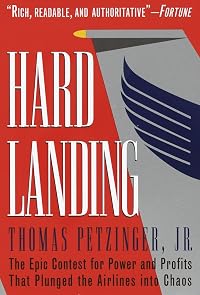

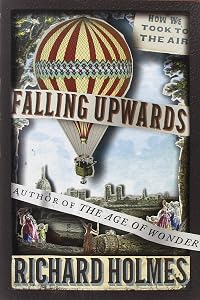
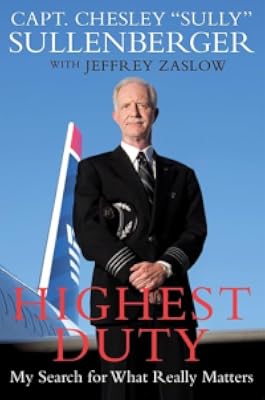

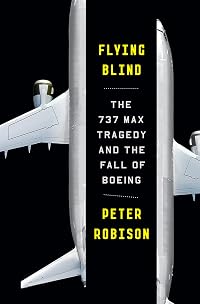










Member Reviews
A PILOT AND A POET. If you've ever stopped to marvel the the miracle of modern airplane flight, Mark VanHoenacker is a pilot who wonders right along side of you. He works as a pilot but writes as a poet. He found his love of flight turned into his second career as a commercial pilot. His most powerful observations are around the mixing of time and place especially on long haul flights that he flies such as London to Tokyo or London to Johannesburg. I found myself underlying passages that I wanted to go back and reread for their poetic nature. The chapters effectively divide air travel into basic parts: Lift, Place, Machine, Air, Water, Night and others. The most compelling was Night. Seeing the stars above and the lights of cities show more below. Long haul pilots race into the night or away for it. They will see several sunsets in a flight or a continuous twilight. This book reminds you that even pilots are still filled with awe for day at the office and may even make you want to follow VanHooenacker's examples and enroll in flight school. show less
I have flown domestic, short haul and long haul flights in everything from cattle class to Upper Class and as a form of transport it is a little bit dull. Flying is seen as mundane now and love it or hate it, you cannot deny that modern air travel is the thing that has opened up the world up. It is one of the safest forms of transport ever invented too, making travelling to destinations far and wide, safe, easy and painless.
In this eloquent book, Vanhoenacker tells us just what it is like to be a commercial pilot in this modern age. The plane that he is trained to fly is the classic 380 ton Boeing 747. He tells about crossing oceans and continents, night flying and the delights of spending time in different destinations on each day of show more the week. He loved flying from an early age, but it was only after he graduated and ended up travelling the world as a management consultant that he started to re-consider his career choice, wondering if he could be a pilot. He took the plunge, retrained and realised his dream of becoming a pilot.
I really enjoyed this book, he writes in a calm measured way, as you’d expect and hope for, from a pilot. What comes across most is that he has never lost the sense of wonder in flying. You hear of him as a small boy being completely entranced by it and he still is now, from the magical scenes of the Northern Lights to the history behind the names of beacons that they track across the world. He takes pleasure in the names of winds and clouds, night flying with only the stars for company and reassurance in the skills of the engineers that enable him to fly. I like the way that he focuses the chapters on a particular aspect of flying; Water, Place, Air, Night and Machine; all different perspectives of the same journey.
The writing is a breath of fresh air; it is adept and detailed without feeling complicated. When he is flying across the oceans you see the curve of the earth as he does and sense the ice on the wings as they descend into world famous cities. A beautifully written book, even one for those who don’t like flying. 4.5 stars show less
In this eloquent book, Vanhoenacker tells us just what it is like to be a commercial pilot in this modern age. The plane that he is trained to fly is the classic 380 ton Boeing 747. He tells about crossing oceans and continents, night flying and the delights of spending time in different destinations on each day of show more the week. He loved flying from an early age, but it was only after he graduated and ended up travelling the world as a management consultant that he started to re-consider his career choice, wondering if he could be a pilot. He took the plunge, retrained and realised his dream of becoming a pilot.
I really enjoyed this book, he writes in a calm measured way, as you’d expect and hope for, from a pilot. What comes across most is that he has never lost the sense of wonder in flying. You hear of him as a small boy being completely entranced by it and he still is now, from the magical scenes of the Northern Lights to the history behind the names of beacons that they track across the world. He takes pleasure in the names of winds and clouds, night flying with only the stars for company and reassurance in the skills of the engineers that enable him to fly. I like the way that he focuses the chapters on a particular aspect of flying; Water, Place, Air, Night and Machine; all different perspectives of the same journey.
The writing is a breath of fresh air; it is adept and detailed without feeling complicated. When he is flying across the oceans you see the curve of the earth as he does and sense the ice on the wings as they descend into world famous cities. A beautifully written book, even one for those who don’t like flying. 4.5 stars show less
Если вам не хватает 24 часов в сутки, идите в пилоты. Если летать на Запад, то за год набежит немалый выигрыш. Кроме того, сейчас удовольствие сесть в самолете у окна стоит дополнительных денег, а у летчика всегда лучший обзор в лайнере. Да и вообще мир глазами пилота выглядит несколько иначе.
Сверху Земля размечена по-другому, чем в атласах, и на воздушной карте мира до сих пор можно обнаружить неизведанные show more территории. Так, нет маршрутов над Гималаями и есть необитаемый остров между Россией и Норвегией. Необитаемый — значит там нет радиомаяков. В полетах над гигантскими пустыми просторами пилотам случается заскучать, и тогда они, как автомобилисты, могут помигать посадочными огнями встречному самолету и получить ответ. На оживленных трассах уже не до подмигиваний. Москву, например, надо облетать строго по часовой стрелке.
Названия маяков представляют собой отдельную тему для веселья. Над Россией пилотов заставляют хихикать Максимкин Яр и Новый Васюган, но это всего лишь топонимы. В Новом Свете остроумие зашкаливает. О близости Мексики и ее кулинарных традициях напоминают по-испански точки ТЕКЛА, СРВЗА, КАРНЕ и КЕЗО — «текила», «пиво», «мясо» и «сыр». Бостон демонстрирует все, чем богат. История — ПЛГРМ (там высадились основатели-«пилигримы»), кухня — ЧАУДР с ЛОБСТ («чаудер» и «лобстер»), а ССОКС — отсылка к бейсболу. Есть и точка НИМОЙ — актер Леонард Нимой (Спок из «Звездного пути») родом из Бостона.
Реальные карты, случается, становятся заметными с воздуха, особенно ночью. Так, всегда отчетливо подсвечена длинная граница Индии и Пакистана, а Бельгия настолько ярка, что видна даже из космоса. Иногда, впрочем, и никаких карт не нужно, чтобы понять, над чем вы в данный момент проноситесь: в Индии аромат сжигаемого коровьего навоза, оказывается, достигает не только богов.
Однако не все, что на земле производит впечатление, так же хорошо в вышине — самые роскошные фейерверки из кабины выглядят не больше пятицентовой монетки на дне бассейна (топ-10 лучших видов на Землю приводит в своей книге «Говорит командир корабля» другой пилот, почитайте). Случается капитану заняться чем-то и помимо управления судном и разглядывания небес c землей: если ребенок рождается в самолете, он обязан зафиксировать время рождения по Гринвичу и приблизительные координаты относительно поверхности. show less
Сверху Земля размечена по-другому, чем в атласах, и на воздушной карте мира до сих пор можно обнаружить неизведанные show more территории. Так, нет маршрутов над Гималаями и есть необитаемый остров между Россией и Норвегией. Необитаемый — значит там нет радиомаяков. В полетах над гигантскими пустыми просторами пилотам случается заскучать, и тогда они, как автомобилисты, могут помигать посадочными огнями встречному самолету и получить ответ. На оживленных трассах уже не до подмигиваний. Москву, например, надо облетать строго по часовой стрелке.
Названия маяков представляют собой отдельную тему для веселья. Над Россией пилотов заставляют хихикать Максимкин Яр и Новый Васюган, но это всего лишь топонимы. В Новом Свете остроумие зашкаливает. О близости Мексики и ее кулинарных традициях напоминают по-испански точки ТЕКЛА, СРВЗА, КАРНЕ и КЕЗО — «текила», «пиво», «мясо» и «сыр». Бостон демонстрирует все, чем богат. История — ПЛГРМ (там высадились основатели-«пилигримы»), кухня — ЧАУДР с ЛОБСТ («чаудер» и «лобстер»), а ССОКС — отсылка к бейсболу. Есть и точка НИМОЙ — актер Леонард Нимой (Спок из «Звездного пути») родом из Бостона.
Реальные карты, случается, становятся заметными с воздуха, особенно ночью. Так, всегда отчетливо подсвечена длинная граница Индии и Пакистана, а Бельгия настолько ярка, что видна даже из космоса. Иногда, впрочем, и никаких карт не нужно, чтобы понять, над чем вы в данный момент проноситесь: в Индии аромат сжигаемого коровьего навоза, оказывается, достигает не только богов.
Однако не все, что на земле производит впечатление, так же хорошо в вышине — самые роскошные фейерверки из кабины выглядят не больше пятицентовой монетки на дне бассейна (топ-10 лучших видов на Землю приводит в своей книге «Говорит командир корабля» другой пилот, почитайте). Случается капитану заняться чем-то и помимо управления судном и разглядывания небес c землей: если ребенок рождается в самолете, он обязан зафиксировать время рождения по Гринвичу и приблизительные координаты относительно поверхности. show less
I liked the sound of this book, but in the end I think it was overly prettily written for my tastes. I did know it was going to have a somewhat poetic feel to it, based on the jacket blurbs (particularly that by Alain de Botton), but I was expecting more gloriously nerdy technical details and anecdotes to balance the poetic parts. Some chapters contained many digressions that seemed only tangentially related to the chapter title. Others, however, contained more of the nerdiness I was seeking when I borrowed this book. Of particular interest was the chapter entitled "Wayfinding", which talks about waypoints and how the sky is divided up into flying zones and how and what waypoints are named. If I could get a whole book like that, that show more would be perfect.
If you have a higher tolerance for elegant description and leisurely thoughts than I do, you could still try this book, and maybe have more success with it than I did. show less
If you have a higher tolerance for elegant description and leisurely thoughts than I do, you could still try this book, and maybe have more success with it than I did. show less
A beautifully written book. It is divided into sections - night, return etc that reflect seperate elements of flight and what these mean to the pilot of large commercial jets. The author clearly loves his job, not just the physical side of flying, but the spiritual element of connecting with the sky and the land over which he flies. Quite a slow, deep sort f book, but worth losing yourself in. It certainly makes you look at flying in a different light
If you fly and are the person who wants the window seat, you’ll relate to this book. It’s not a conventional pilot’s book. Instead the author takes you on a journey with him. You learn about different planes, coming from Seattle hearing compliments about the 747 is music t my ears, but what was most interesting was information about how pilots fly without GPS, what are things pilots like in the cockpit. What will stay with me though on a personal level is the term “place-lag”, traveling from airport to airport isn’t much different that “Jet-lag” confusion about where you are. One of the best books I’ve read. I thought it sounded interesting, but I didn’t expect to be reading it aloud to my husband because each show more chapter was filled with interesting tidbits and details. show less
The author is a pilot and clearly 'in love' with flying, which I can well understand as I still experience a thrill every time I take off, even after several thousand flights as a passenger. However his sometimes lyrical prose may not endear itself to all readers. Certain insights did give me pause for reflection, as in the way pilots (at least in a large airline) usually work with crew members whom they have never met before, as is also the case with the cabin crew team. This absence of a group of stable work companions and the friendships that this engenders, is pretty unusual. Still, the author flies the Boeing 747 which is still my favourite aircraft type, 40 years and counting after it took to the skies.
Members
- Recently Added By
Lists

Recommend the 20 best books you've read in the last five years
2,168 works; 601 members

Top Five Books of 2015
811 works; 241 members
Author Information

3+ Works 528 Members
Awards and Honors
Common Knowledge
- Canonical title*
- Skyfaring : A Journey with a Pilot
- Dedication
- For Lois and Mark, and in memory of my parents
- Blurbers
- Iyer, Pico; Fallows, James; Botton, Alain de
*Some information comes from Common Knowledge in other languages. Click "Edit" for more information.
Classifications
- Genres
- Travel, Nonfiction, General Nonfiction, Biography & Memoir, Science & Nature
- DDC/MDS
- 629.132 — Applied science & technology Engineering Transportation Vehicles Airplanes, Helicopters, and other aircrafts Aviation engineering Main Principles of Flying
- LCC
- TL710 .V345 — Technology Motor vehicles. Aeronautics. Astronautics Motor vehicles. Aeronautics. Astronautics Aeronautics. Aeronautical engineering
- BISAC
Statistics
- Members
- 416
- Popularity
- 74,168
- Reviews
- 11
- Rating
- (3.82)
- Languages
- 5 — English, Estonian, Finnish, Italian, Spanish
- Media
- Paper, Audiobook, Ebook
- ISBNs
- 17
- ASINs
- 9