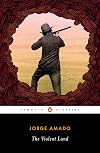
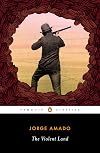
The Violent Land
by Jorge Amado
On This Page
Description
"From the great Brazilian author, an exotic tale of greed, madness, and a dispute between two powerful families over land on the cocoa-rich coast of Bahia"--Publisher's website.Tags
Recommendations




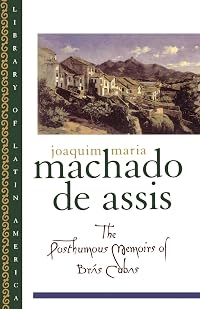


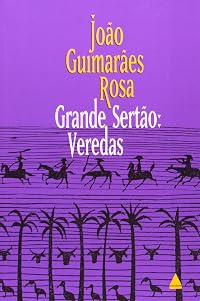
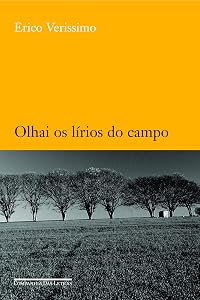

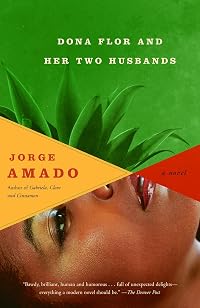




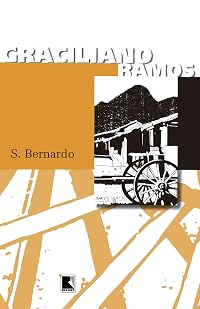
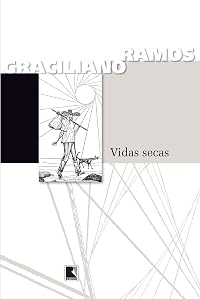


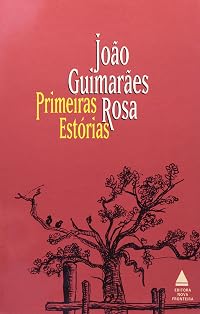


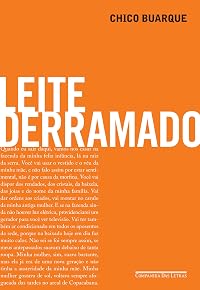






Member Recommendations

raton-liseur Deux livres dans des styles très différents, qui racontent l’implantation des grandes exploitations fruitières au Guatemala et au Brésil dans la première moitié du XXème siècle. Entre similitudes et différences, une comparaison intéressante.
Member Reviews
Épico. Impressionante relato dos primórdios do ciclo da cacau no sul da Bahia, em São Jorge de Ilhéus. Uma história de amor, sangue e dinheiro. Personagens inesquecíveis, impactantes: Coronel Horácio da Silveira, Juca e Sinhó Badaró, Ester, Don'Ana. A selva virgem, a mata fechada que se opõe aos planos dos homens e deve ser vencida, palmo a palmo, metro a metro - a natureza que cobra a sua parcela de dor, sangue e morte, mas que, ao fim, se entrega, vencida, a um deus mais poderoso. E o deus desses homens, dessas verdadeiras bestas-feras, é Mamon.
E, no entanto, apesar da violência, da brutalidade, da cobiça e da fereza desses homens, não posso deixar de reconhecer neles um ar de grandeza, de majestade; não posso deixar de show more admirar a coragem, a intrepidez, a vontade indômita que não se deixa abater diante dos maiores obstáculos, sejam estes humanos ou naturais. Quem disse que não existiu feudalismo no Brasil? Quem disse que os brasileiros não são capazes de gestos de bravura e força?
Jorge Amado é um tremendo realista, pois mostra, com argúcia, a face feroz do poder, do poder real, vivo e verdadeiro, o poder da bala e da repetição: "Por cima da justiça, do juiz e do promotor, do júri de cidadãos, estava a lei do gatilho, última instância da justiça em Ilhéus". Não há nada mais precioso do que esse tipo de descrição realista para abalar, até o fundo da alma, os delírios formalistas de nosso espírito bacharelesco. Não se pode nunca esquecer: na balança da vida, o prato do gatilho, de Marte rubicundo, pesa sempre mais que o prato das leis e das "instituições".
"Terras do Sem Fim" é uma obra-prima que consagrou o talento precoce de Jorge Amado e o inscreveu definitivamente no rol dos grandes escritores do século XX. show less
E, no entanto, apesar da violência, da brutalidade, da cobiça e da fereza desses homens, não posso deixar de reconhecer neles um ar de grandeza, de majestade; não posso deixar de show more admirar a coragem, a intrepidez, a vontade indômita que não se deixa abater diante dos maiores obstáculos, sejam estes humanos ou naturais. Quem disse que não existiu feudalismo no Brasil? Quem disse que os brasileiros não são capazes de gestos de bravura e força?
Jorge Amado é um tremendo realista, pois mostra, com argúcia, a face feroz do poder, do poder real, vivo e verdadeiro, o poder da bala e da repetição: "Por cima da justiça, do juiz e do promotor, do júri de cidadãos, estava a lei do gatilho, última instância da justiça em Ilhéus". Não há nada mais precioso do que esse tipo de descrição realista para abalar, até o fundo da alma, os delírios formalistas de nosso espírito bacharelesco. Não se pode nunca esquecer: na balança da vida, o prato do gatilho, de Marte rubicundo, pesa sempre mais que o prato das leis e das "instituições".
"Terras do Sem Fim" é uma obra-prima que consagrou o talento precoce de Jorge Amado e o inscreveu definitivamente no rol dos grandes escritores do século XX. show less
In this early work by Amado, the beginning days of cacao production in Brazil come vividly to life, with conflicting "colonels" who violently seek to control the forests that will be cut down and the plots already in cultivation, as well as a host of other characters who swarm to the region to profit from the boom, many, of course, who will at best be eternally in debt to the owners and at worst die from overwork or disease. In an introduction to an edition published in 1956 (the work originally came out in 1943, when Amado was 31), Amado wrote: "No other of my books is as dear to me as The Violent Land: in it lie my roots; it is of the blood from which I was created; it contains the gunfire that resounded during my early infancy." For show more the land of cacao production is indeed fertilized by blood.
The story starts with a variety of people traveling by boat to Ilhéos, the gateway to the new cacao region: a card-playing con man who declares himself a captain and a military engineer; one of the colonels returning to his property; a relatively high class prostitute, and a young man seeking his fortune and promising his disbelieving lover to return in a year. Each of them, and more, will play a role as the tale develops. But the bulk of the novel takes place in the forest itself, which springs to life, especially through the eyes of an elderly healer who lives deep in the forest and combines remedies from his African origins with those of the Brazilian Indians. But this is the very forest that the two colonels and their families are competing over; the one who obtains the rights to it, cuts it down, and plants cacao trees will be the richest and most powerful in the region. The two colonels, and their henchmen and killers, plots and counterplots, use and abuse of the local newspapers and political system, are the focus of the story, although other characters, including lawyers, play a role, as does a killer who sees spirits and abandons his job. Amado also digresses to the creation and development of towns and villages, and the way information spreads through them, correctly or incorrectly. Part of the story is seen through the eyes of a very unhappy woman who is brought to the area from the city by one of the colonels; part through the eyes of a woman who as the only child of one of the opposing colonels takes on a more aggressive role.
The introduction to my edition makes much of Amado's communism, and makes the book sound much more didactic than it is; the introduction writer has more of an ax to grind than Amado. Of course there is a point; it is clear that cacao production not only was "watered with blood" but also destroyed the forest environment. But Amado is such a wonderful story teller that the reader becomes absorbed in the portrait of the region, the interesting characters, and the excitement of the plot rather than feeling Amado is lecturing us. This is not my favorite of the books by Amado I've read (and I have several more on the TBR), but I thoroughly enjoyed it. show less
The story starts with a variety of people traveling by boat to Ilhéos, the gateway to the new cacao region: a card-playing con man who declares himself a captain and a military engineer; one of the colonels returning to his property; a relatively high class prostitute, and a young man seeking his fortune and promising his disbelieving lover to return in a year. Each of them, and more, will play a role as the tale develops. But the bulk of the novel takes place in the forest itself, which springs to life, especially through the eyes of an elderly healer who lives deep in the forest and combines remedies from his African origins with those of the Brazilian Indians. But this is the very forest that the two colonels and their families are competing over; the one who obtains the rights to it, cuts it down, and plants cacao trees will be the richest and most powerful in the region. The two colonels, and their henchmen and killers, plots and counterplots, use and abuse of the local newspapers and political system, are the focus of the story, although other characters, including lawyers, play a role, as does a killer who sees spirits and abandons his job. Amado also digresses to the creation and development of towns and villages, and the way information spreads through them, correctly or incorrectly. Part of the story is seen through the eyes of a very unhappy woman who is brought to the area from the city by one of the colonels; part through the eyes of a woman who as the only child of one of the opposing colonels takes on a more aggressive role.
The introduction to my edition makes much of Amado's communism, and makes the book sound much more didactic than it is; the introduction writer has more of an ax to grind than Amado. Of course there is a point; it is clear that cacao production not only was "watered with blood" but also destroyed the forest environment. But Amado is such a wonderful story teller that the reader becomes absorbed in the portrait of the region, the interesting characters, and the excitement of the plot rather than feeling Amado is lecturing us. This is not my favorite of the books by Amado I've read (and I have several more on the TBR), but I thoroughly enjoyed it. show less
First published in 1945, this a an active and bloody tale, set in the great years of the Cacao Rush in Brazil's 1880's. There is a lot of gunfights and legal chicanery. Fun, really and quite like a Western.
Il vento soffio’ con rinnovato impeto, recando al crepuscolo di Bahia qualche frammento delle conversazioni di bordo, le parole pronunziate a voce piu’ alta: terre, danaro, cacao e morte. (14)
I gufi lanciavano il loro grido alla luna nelle notti tranquille, quel grido che non era ancora presagio di sventura poiche’ gli uomini non erano giunti ancora fin la’. (49)
Prese Virgilio sottobraccio, lo condusse sulla veranda. L’alba che si avvicinava avvolgeva la Terra in una luce ancora opaca e triste. Horacio punto’ l’indice lontano, verso un orizzonte che a malapena s’intravvedeva. (149)
La selva, capitolo 11. (149-159)
(Virginia Woolf?)
Margot tese la mano, additando il tratto di strada visibile dalla finestra aperta; e avrebbe show more voluto indicare l’intero villaggio di Tabocas:
“Questo e’ l’ultimo paese del mondo” disse. (199)
“Juca Badaro’ ha gia’ contrattato un agrimensore per fare la misurazione delle foreste del Torrente Grande… “
“Ma no! Chi te lo ha detto? ”
Tonico fece un gesto pieno di mistero.
“L’uccellin bel verde, dottore” rispose. “Che cosa non si sa a Tabocas? Quando non c’e’ di che parlare, qui, si inventa… “ (210)
L’albero che dominava Ilheus era quello del cacao, anche se non se ne vedeva uno solo in tutta la citta’. L’albero del cacao bisognava cercarlo dietro tutta l’esistenza di San Giorgio dos Ilheus, dietro ogni affare che vi si concludeva, dietro ogni casa che vi si costruiva, dietro ogni magazzino, ogni negozio, ogni pena d’amore, ogni colpo di fucile o di rivoltella. Non c’era conversazione il cui nocciolo non fosse il cacao. E sulla citta’ aleggiava, esalato dai magazzini di deposito, dai vagoni ferroviari, dalle stive delle navi, carri e dalla gente, l’odore di cioccolata, che e’ l’odore del cacao secco. (271-2)
Il vischio del cacao era attaccato alle piante dei loro piedi ed essi ritornavano a sotterrare il loro denaro in un tratto di terra per piantarvi alberi di cacao… Alcuni riuscivano a partire, s’imbarcavano, fendevano le onde del mare e dovunque giungessero non parlavano che delle terre di Ilheus. E - certo come che egli si chiamava Sinho Badaro’, - trascorsi sei mesi o un anno, sarebbero ritornati, senza un soldo, per ricominciare a piantar cacao. Si diceva che cio’ fosse dovuto al vischio del cacao molle, che, quando si attacca ai piedi di qualcuno, non si stacca piu’. Questo dicevano le canzoni nelle serate alle fazendas… (310)
Ma tutti, lavoratori, jaguncos, colonnelli, avvocati, medici, commercianti ed esportatori, avevano il vischio del cacao attaccato all’anima, nel profondo del cuore… Non c’era educazione, cultura o sentimento che potesse toglierlo. Il cacao era denaro e potere, era l’intera vita, aveva messo radici, non solo nella terra scura dalla potente linfa, ma anche dentro di loro. (342)
Virgilio ringrazia:
“Lei e’ una brava persona. Maneca Dantas… E’ strano come voialtri qui possiate commettere tante scelleraggini e cio’ nonostante essere brave persone… “ (408)
“Nelle piantagioni di cacao di queste terre, figlio mio” disse, “ci nasce perfino dei vescovi. Ci nasce la ferrovia, gli assassini, i “garbugli”, i villini, i ritrovi notturni, le scuole, il teatro e ci nasce perfino dei vescovi… Finche’ seguitera’ a produrre cacao, questa terra produrra’ di tutto… “ (413)
show less
I gufi lanciavano il loro grido alla luna nelle notti tranquille, quel grido che non era ancora presagio di sventura poiche’ gli uomini non erano giunti ancora fin la’. (49)
Prese Virgilio sottobraccio, lo condusse sulla veranda. L’alba che si avvicinava avvolgeva la Terra in una luce ancora opaca e triste. Horacio punto’ l’indice lontano, verso un orizzonte che a malapena s’intravvedeva. (149)
La selva, capitolo 11. (149-159)
(Virginia Woolf?)
Margot tese la mano, additando il tratto di strada visibile dalla finestra aperta; e avrebbe show more voluto indicare l’intero villaggio di Tabocas:
“Questo e’ l’ultimo paese del mondo” disse. (199)
“Juca Badaro’ ha gia’ contrattato un agrimensore per fare la misurazione delle foreste del Torrente Grande… “
“Ma no! Chi te lo ha detto? ”
Tonico fece un gesto pieno di mistero.
“L’uccellin bel verde, dottore” rispose. “Che cosa non si sa a Tabocas? Quando non c’e’ di che parlare, qui, si inventa… “ (210)
L’albero che dominava Ilheus era quello del cacao, anche se non se ne vedeva uno solo in tutta la citta’. L’albero del cacao bisognava cercarlo dietro tutta l’esistenza di San Giorgio dos Ilheus, dietro ogni affare che vi si concludeva, dietro ogni casa che vi si costruiva, dietro ogni magazzino, ogni negozio, ogni pena d’amore, ogni colpo di fucile o di rivoltella. Non c’era conversazione il cui nocciolo non fosse il cacao. E sulla citta’ aleggiava, esalato dai magazzini di deposito, dai vagoni ferroviari, dalle stive delle navi, carri e dalla gente, l’odore di cioccolata, che e’ l’odore del cacao secco. (271-2)
Il vischio del cacao era attaccato alle piante dei loro piedi ed essi ritornavano a sotterrare il loro denaro in un tratto di terra per piantarvi alberi di cacao… Alcuni riuscivano a partire, s’imbarcavano, fendevano le onde del mare e dovunque giungessero non parlavano che delle terre di Ilheus. E - certo come che egli si chiamava Sinho Badaro’, - trascorsi sei mesi o un anno, sarebbero ritornati, senza un soldo, per ricominciare a piantar cacao. Si diceva che cio’ fosse dovuto al vischio del cacao molle, che, quando si attacca ai piedi di qualcuno, non si stacca piu’. Questo dicevano le canzoni nelle serate alle fazendas… (310)
Ma tutti, lavoratori, jaguncos, colonnelli, avvocati, medici, commercianti ed esportatori, avevano il vischio del cacao attaccato all’anima, nel profondo del cuore… Non c’era educazione, cultura o sentimento che potesse toglierlo. Il cacao era denaro e potere, era l’intera vita, aveva messo radici, non solo nella terra scura dalla potente linfa, ma anche dentro di loro. (342)
Virgilio ringrazia:
“Lei e’ una brava persona. Maneca Dantas… E’ strano come voialtri qui possiate commettere tante scelleraggini e cio’ nonostante essere brave persone… “ (408)
“Nelle piantagioni di cacao di queste terre, figlio mio” disse, “ci nasce perfino dei vescovi. Ci nasce la ferrovia, gli assassini, i “garbugli”, i villini, i ritrovi notturni, le scuole, il teatro e ci nasce perfino dei vescovi… Finche’ seguitera’ a produrre cacao, questa terra produrra’ di tutto… “ (413)
show less
http://www.fireandsword.com/Reviews/violentland.html
Amado tells of the rivalry of two families over a strip of jungle and the people around them: wives, sisters, hired guns, lawyers, and a con man from Rio. This is a colorful book about a colorful place and time. If you want to read a Western with all the adventure, triumph, tragedy, and wonder of the West, without the cliches, this is a good one to take in.
Amado tells of the rivalry of two families over a strip of jungle and the people around them: wives, sisters, hired guns, lawyers, and a con man from Rio. This is a colorful book about a colorful place and time. If you want to read a Western with all the adventure, triumph, tragedy, and wonder of the West, without the cliches, this is a good one to take in.
Terras do Sem-Fim é um romance escrito por Jorge Amado à distância no exílio (Argentina) e publicado em 1943. Descreve conflitos em busca da conquista de pedaços de terra nas florestas da Bahia, para transformá-los em plantações de cacau. Amado escreveu que "Nenhum outro dos meus livros é tão querido para mim como Terras do Sem-Fim, nele também se encontram as minhas raízes... É a partir do sangue com o qual eu fui criado, que contém o tiroteio que ressoou durante a minha primeira infância" e sugeriu que o romance pertence a uma distinta "literatura brasileira do cacau"
Jan 22, 2019Portuguese (Brazil)
Epopee des aventuriers qui partent du Nordeste pour faire fortune dans le cacao :la vie rude et sauvage d'un pays en devenir ou tout est possible aux hommes sans scrupules
Nov 24, 2013French
Members
- Recently Added By
Lists

Greatest brazilian novels of 20th century
50 works; 2 members
Author Information

149+ Works 10,773 Members
Jorge Amado, August 10, 1912 - August 6, 2001 Elected to the Brazilian Academy of Letters, Jorge Amado possesses a talent for storytelling as well as a deep concern for social and economic justice. He was born in Bahia, Brazil, in 1912. Some critics claim that his early works suffer from his politics. Others commonly express reservations show more concerning Amado's sentimentality and erotico-mythic stereotyping. In the works represented in English translation, his literary merits prevail. The Violent Land (1942) chronicles the development of Brazilian territory and struggles for its resources, memorializing the deeds of those who built the country. Gabriela, Clove and Cinnamon (1958), which achieved critical and popular success in both Brazil and the United States, tells a sensual love story of a Syrian bar owner and his beautiful cook. Home Is the Sailor (1962) introduces Captain Vasco Moscoso de Aragao, a comic figure in the tradition of Don Quixote. In Dona Flor and Her Two Husbands (1966), Amado introduced the folk culture of shamans and Yorube gods. The protagonists of Shepherds of the Night (1964) are Bahia's poor. (Bowker Author Biography) Jorge Amado has been called the greatest twentieth-century Brazilian novelist. He was born in 1912 in Ilheus, in the northeastern-most state of Bahai. This area serves as the backdrop for most of Amado's work, which reflects a deep appreciation of the Brazilian essence. Amado's works have made him a national figure in Brazil. Amado's early novels were shaped by a belief in Marxism, and relate the sufferings of humble fishermen and cocoa plantation workers. By the 1950s, he had turned his attention to the plight of middle-class Bahains. This more jovial approach brought him worldwide acclaim, and his keen comic sense and appreciation of the common man have drawn comparisons to the novels of Charles Dickens. Music, cuisine, and passion figure prominently in Amado's literary output. Amado's works have been translated from Portuguese into more than forty languages, have sold over fifty million copies worldwide, and have been reworked for film, television, and stage. His portraits of commanding female characters, including Gabriela from Gabriela, Clove and Cinnamon, and Dona Flor from Dona Flor and Her Two Husbands, have been adapted to the screen, and actress Sonia Braga earned her initial success in these roles. Other titles include The Sand Captains; Memory of a Child; The War of the Saints; and Home Is the Sailor. (Bowker Author Biography) show less
Some Editions
Awards and Honors
Series
Belongs to Publisher Series
Common Knowledge
- Canonical title
- The Violent Land
- Original title
- Terras do Sem-Fim
- Original publication date
- 1943
- Important places
- Brazil
- Original language
- Portuguese
Classifications
- Genres
- Fiction and Literature, General Fiction, Romance
- DDC/MDS
- 869.3 — Literature & rhetoric Spanish Literature Literatures of Portuguese and Galician languages Portuguese fiction
- LCC
- PQ9697 .A647 .T413 — Language and Literature French, Italian, Spanish and Portuguese literatures Portuguese literature Provincial, local, colonial, etc. Brazil
- BISAC
Statistics
- Members
- 339
- Popularity
- 93,118
- Reviews
- 7
- Rating
- (3.68)
- Languages
- 10 — English, Finnish, French, German, Hungarian, Italian, Portuguese, Russian, Spanish, Swedish
- Media
- Paper, Ebook
- ISBNs
- 23
- ASINs
- 7