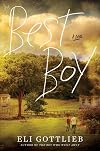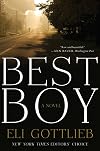
Best Boy
by Eli Gottlieb
On This Page
Description
For fans of The Curious Incident of the Dog in the Nighttime comes this landmark novel about autism, memory, and, ultimately, redemption.Sent to a "therapeutic community" for autism at the age of eleven, Todd Aaron, now in his fifties, is the "Old Fox" of Payton Living Center. A joyous man who rereads the encyclopedia compulsively, he is unnerved by the sudden arrivals of a menacing new staffer and a disruptive, brain-injured roommate. His equilibrium is further worsened by Martine, a show more one-eyed new resident who has romantic intentions and convinces him to go off his meds to feel "normal" again. Undone by these pressures, Todd attempts an escape to return "home" to his younger brother and to a childhood that now inhabits only his dreams.
Written astonishingly in the first-person voice of an autistic, adult man, Best Boy—with its unforgettable portraits of Todd's beloved mother, whose sweet voice still sings from the grave, and a staffer named Raykene, who says that Todd "reflects the beauty of His creation"—is a piercing, achingly funny, finally shattering novel no reader can ever forget.
. show less
Tags
Recommendations
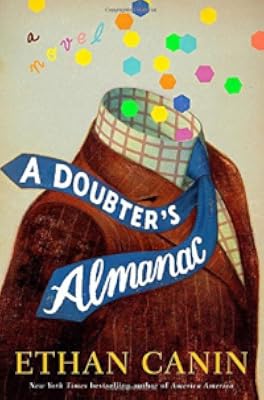
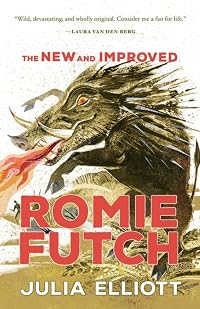

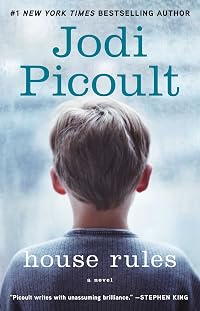
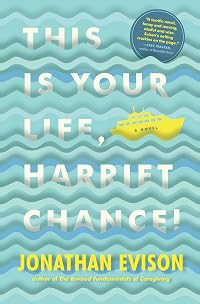










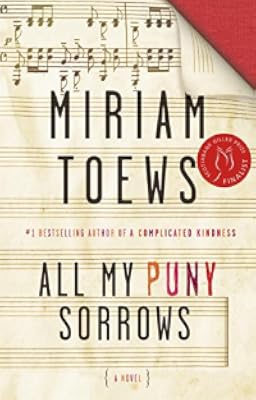

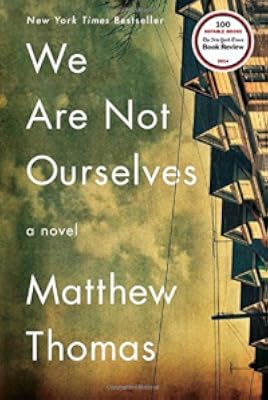
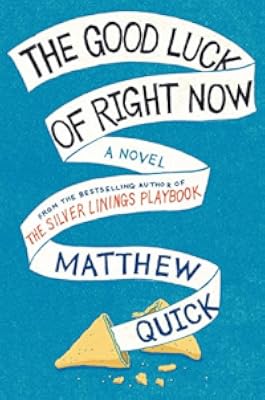
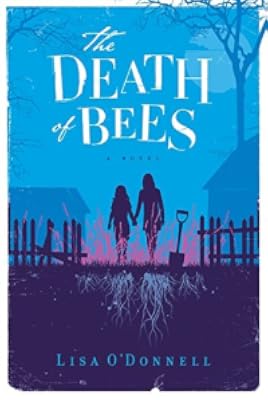










Member Recommendations
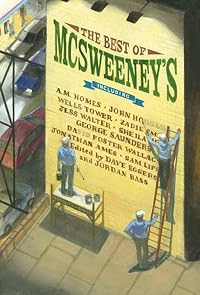
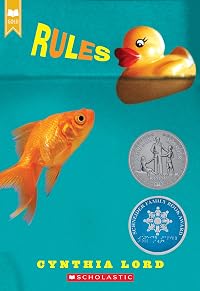
akblanchard Both books take place inside institutions for people with disabilities.
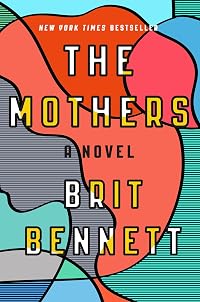
novelcommentary Similar point of view
Member Reviews
Spoilery. Other than as a sensitive depiction of the life and times of an autistic man, I can’t really see the point of the book. Sure, it’s written well and reasonably entertaining, but there is no definitive struggle or clash that needs resolving. Todd suffers the ups and downs of humanity like the rest of us, albeit in some more vulnerable ways than “neurotypicals” have to deal with. There’s a sinister staff member at the group home he resides at and there’s some tension there, but it all comes to basically nothing. Ditto with Todd’s brother and the situation about the money. Todd ends up back at the home with no harm done. As a matter of fact the two thorns in his side, the aide and his roommate are gone. He has a new show more understanding with his sister-in-law and has tangible evidence of how much his mother loved him before she died. The letter was lovely and touching, but I had to put aside my desire for some kind of conflict or point to the book and once I did that it became easier to deal with. I think if I hadn’t listened to this narrated by the incomparable Bronson Pinchot, I might have left it a DNF. All right in its way, but really just a thinly veiled treatise on how we should accept the “neuro-different” and how really they are just like us. Except not. show less
A incredible story written from the perspective of a 40ish year old institutuionalized autistic man. I will say that I dearly hope there are places out there like the Payton Living Center from the book. I have a teenage son on the autism spectrum and I can say that the author hit it right with the disconnection and social awkwardness, along with the actions of hurting themselves to take them out of the moment. I truly came to care about Todd and felt the discomfort he felt with the 'Mike employee' along with an outrage on my part for the Mike characters actions. I teared up over his longing to go home and missing his mother. Overall, a really good book that draws emotion out of you.
Gottlieb did a superb job of imagining the mindset/thought processes of an autistic man. It was realistic, and highly entertaining. I loved how he would weave facts and statistics about autism into the thread of Todd's thoughts. Todd often referenced the encyclopedia, which he referred to as Mr. B. and in his mind, Mr. B had this calm, soothing tone that he used to speak to him - i.e. the voice in Todd's head.
The characters were all well done, from the brother (who was a total jerk, if I do say so) to Raykene, as well as Tommy Doon, Todd's roommate who liked to try and give Todd "the volts." Something to think about is how these facilities might be so understaffed they'll take anyone, as in the character, Mike Hinton. He seemed to have show more no clue at all about how to handle the individuals living there. He tried to drag Todd into his deceitful foray by attempting to blackmail him, as if he could depend on/trust Todd to do what he wanted. Mike "The Apron" (Todd's name for him - which was hilarious) reminded Todd of his father, and I thought the direction of this storyline could have been deployed a bit more.
There were funny parts (the breeze in his pants) and sad parts (his longing for his mother and home). I thought the ending was perfect, and was glad/happy to see how he wrapped it up, giving Todd something special that he'd needed throughout the story. show less
The characters were all well done, from the brother (who was a total jerk, if I do say so) to Raykene, as well as Tommy Doon, Todd's roommate who liked to try and give Todd "the volts." Something to think about is how these facilities might be so understaffed they'll take anyone, as in the character, Mike Hinton. He seemed to have show more no clue at all about how to handle the individuals living there. He tried to drag Todd into his deceitful foray by attempting to blackmail him, as if he could depend on/trust Todd to do what he wanted. Mike "The Apron" (Todd's name for him - which was hilarious) reminded Todd of his father, and I thought the direction of this storyline could have been deployed a bit more.
There were funny parts (the breeze in his pants) and sad parts (his longing for his mother and home). I thought the ending was perfect, and was glad/happy to see how he wrapped it up, giving Todd something special that he'd needed throughout the story. show less
This story opens on a heartbreaking note as Todd Aaron, an autistic man now in his 50s, describes arriving at his first assisted-living facility when he was only 11 years old. He remembers his mother tearfully telling him he would love it there and promises that she and his father would visit often. She tries to put Todd in a good mood with banter that is special between the two of them. Before she surprises him by driving away without him, he's told he should always remember who really loves him and she asks him to always be a Best Boy.
This very special story will have you thinking about your interact with the developmentally disabled and the way you are viewed by autistic children and adults. But more amazing is the way they and in show more this story, Todd, interpret the world and see you. You will be shocked by the abuse and ease with which family and strangers take advantage of the innocent.
It will come as a surprise that an autistic man incapable of expressing himself verbally is capable of reading and digesting the Encyclopedia Britannica. You will be overwhelmed by the frustration and yearning he feels as he searches to identify why he is seen differently from the "world out there". It will be impossible not to feel sympathy and love for this man. You will be lost with him in his loneliness and search for the meaning of love and home.
Behind his quiet, often silent, visage runs a mind that sees things, feels emotions, and is capable of thinking independently. He is just unable to express himself to others in their language code.
In the scene where he tries to tell his brother, Nate, about a new counselor that scares him he thinks,
"I wanted to tell him all about the bad thing that Mike the Apron was going to bring into my life and that I knew it, just knew it. I wanted to tell him that his face gave off the same sour hot feeling as the face of our father and that he was a creeping coyote-person who was going to hurt the lamb of Greta Deane and sooner or later do something terrible to me. But I didn't know how to say that…".
The story, in my opinion, was very dark and so very sad. With the exception of his mother, and one caring staff member, Todd was always the victim of abuse of some kind. It was hard to believe at times that the world could be so continuously cruel. I was disappointed that those who persecuted Todd the most didn't get the justice they deserved. I personally wanted to flog his brother in the end.
Overall and despite the tension and sadness, I felt compelled to read as fast as I could always hoping and praying that Todd would find the peace and love he so richly deserved. show less
This very special story will have you thinking about your interact with the developmentally disabled and the way you are viewed by autistic children and adults. But more amazing is the way they and in show more this story, Todd, interpret the world and see you. You will be shocked by the abuse and ease with which family and strangers take advantage of the innocent.
It will come as a surprise that an autistic man incapable of expressing himself verbally is capable of reading and digesting the Encyclopedia Britannica. You will be overwhelmed by the frustration and yearning he feels as he searches to identify why he is seen differently from the "world out there". It will be impossible not to feel sympathy and love for this man. You will be lost with him in his loneliness and search for the meaning of love and home.
Behind his quiet, often silent, visage runs a mind that sees things, feels emotions, and is capable of thinking independently. He is just unable to express himself to others in their language code.
In the scene where he tries to tell his brother, Nate, about a new counselor that scares him he thinks,
"I wanted to tell him all about the bad thing that Mike the Apron was going to bring into my life and that I knew it, just knew it. I wanted to tell him that his face gave off the same sour hot feeling as the face of our father and that he was a creeping coyote-person who was going to hurt the lamb of Greta Deane and sooner or later do something terrible to me. But I didn't know how to say that…".
The story, in my opinion, was very dark and so very sad. With the exception of his mother, and one caring staff member, Todd was always the victim of abuse of some kind. It was hard to believe at times that the world could be so continuously cruel. I was disappointed that those who persecuted Todd the most didn't get the justice they deserved. I personally wanted to flog his brother in the end.
Overall and despite the tension and sadness, I felt compelled to read as fast as I could always hoping and praying that Todd would find the peace and love he so richly deserved. show less
Absolutely loved the point of view of the protagonist, Todd, a man with autism. He lives in a residential center for people with developmental disabilities and brain injuries. He is perceptive and poetic (without intending to be) while also living with the need for structure and deep anxiety and the the need to control his sensory environment. This author has given us a complex character filled with longing for deeper understanding and connection and an awareness of his differences from others. His longing leads to a quest to connect with his happiest memories and times of feeling loved and protected. This novel is short and powerful.
Four Stars for this incredible book. The writing is superb; the images are crisp and clear, and the character development is outstanding. Now past midlife, Todd Aaron has lived in the Payton institution most of his life. Big, bulky and unkempt, 50 plus year old Todd is highly intelligent. He is given many labels, mainly he suffers from acute anxiety and is on the autistic spectrum. Smart enough to use the computer and search the definition of his labels, he delves into as much information he can find.
Told from the perspective of Todd, we learn of his fears and joys, both which cause the desire to bite his hand until it bleeds. The vivid descriptions of how he processes events lends to a fascinating tale of obsessions, hurts, and, show more despite his imbalance, there are moments of keen insight into the personalities of many. Both parents are dead. He mourns his mother. Because his father was very abusive, Todd immediately knows that the new hire is a bad, bad guy. Unable to explain why he feels this, Todd draws further into himself, trying to stop the "bolts of electricity" which make him out of control.
When introduced to a new girl at the institution, he immediately feels warm and seeks ways and occasions to interact with her. Sliding on uncharted territory, he seeks to learn how to draw her closer.
Added to the challenge is a new room mate who goads him and drives him to the edge of loosing control. To find peace, under the coaxing of the new girl, he stops taking some of his medications. While juggling feelings of desire for companionship from the female, he is stressed three fold, knowing his room mate is exceptionally cruel, and the nasty new hire reminds him of his father's abuses, Todd flees the compound, searching for home.
Highly recommended! show less
Told from the perspective of Todd, we learn of his fears and joys, both which cause the desire to bite his hand until it bleeds. The vivid descriptions of how he processes events lends to a fascinating tale of obsessions, hurts, and, show more despite his imbalance, there are moments of keen insight into the personalities of many. Both parents are dead. He mourns his mother. Because his father was very abusive, Todd immediately knows that the new hire is a bad, bad guy. Unable to explain why he feels this, Todd draws further into himself, trying to stop the "bolts of electricity" which make him out of control.
When introduced to a new girl at the institution, he immediately feels warm and seeks ways and occasions to interact with her. Sliding on uncharted territory, he seeks to learn how to draw her closer.
Added to the challenge is a new room mate who goads him and drives him to the edge of loosing control. To find peace, under the coaxing of the new girl, he stops taking some of his medications. While juggling feelings of desire for companionship from the female, he is stressed three fold, knowing his room mate is exceptionally cruel, and the nasty new hire reminds him of his father's abuses, Todd flees the compound, searching for home.
Highly recommended! show less
Best Boy, Eli Gottlieb, author; Bronson Pinchot, narrator
This is a very moving story about a boy, now grown into a man, who has spent the last 40 years of his life, since the age of eleven, in some special facility equipped to handle those with special needs and brain injuries. Todd Aaron is autistic, but, with a bit of assistance, he can function somewhat independently. Although he is unable to process certain situations, thoughts and feelings comfortably, he seems unusually gentle and thoughtful, possessing more common sense than many of those around him who are in positions of authority and who are supposed to have healthy minds and/or professional training. He doesn’t lie; he tries hard to follow instructions and obeys the rules. show more He tries not to offend anyone and is polite and courteous. He takes his medications regularly and works very hard to control what he calls the “volts”, the times when he wants to explode because the world begins to spin out of control. Todd’s parents are both deceased, and his brother Nate is responsible for his care. Nate is married to Beth and they have two sons. Nate wonders if genetics is at play in his own family when he thinks about their behavior and the behavior of some older relatives. He should also wonder about his own behavior which leaves something to be desired.
Todd is known as the “best boy”. He is a model resident. Todd wants to go back home. He has always wanted to go back home. He reminds his brother, often, that he really wants to return to see his family home once more. Sadly, his brother keeps making excuses to explain why he cannot, blaming his wife and a past disruptive incident when they were all together. His brother often complains to Todd about his own difficult life and struggles.
It is sad to see how, in general, these people with special needs are abandoned by their families, sometimes because they are ill equipped to handle them and sometimes because they simply don’t want to be bothered. It is easy for an unscrupulous person to take advantage of a “damaged” individual. What is revealed in this book is that the family can harm the residents as well as the people who often work in these institutions who are transient and sometimes not well vetted. Evil people can manipulate them easily if they fall through the cracks and background checks. So, too, can some of the residents if they are left to their own devices and are poorly supervised. They can sometimes be more harmful to these needy residents than one would think and can cause them great harm.
The contrast between Todd’s honesty and that of some of the people closest to him is stark. Although he is the one with special needs, he seems to have a greater sense of ethics than those around him. There were times when I simply wanted to jump up and shout at some of the family members, employees, medical workers and law enforcement officers. I was surprised when I realized that even some of the residents were capable of inflicting harm to another because of their disorder. The art of pairing them up in living quarters required the utmost care.
The novel felt like it could be real, not fiction, like the characters could step from the page and be living someplace nearby in a group residence, struggling with their disability, struggling to find a place for themselves where they could fit in and feel comfortable and safe, a place where fingers didn’t point at them, a place where they could relax, a place called home. show less
This is a very moving story about a boy, now grown into a man, who has spent the last 40 years of his life, since the age of eleven, in some special facility equipped to handle those with special needs and brain injuries. Todd Aaron is autistic, but, with a bit of assistance, he can function somewhat independently. Although he is unable to process certain situations, thoughts and feelings comfortably, he seems unusually gentle and thoughtful, possessing more common sense than many of those around him who are in positions of authority and who are supposed to have healthy minds and/or professional training. He doesn’t lie; he tries hard to follow instructions and obeys the rules. show more He tries not to offend anyone and is polite and courteous. He takes his medications regularly and works very hard to control what he calls the “volts”, the times when he wants to explode because the world begins to spin out of control. Todd’s parents are both deceased, and his brother Nate is responsible for his care. Nate is married to Beth and they have two sons. Nate wonders if genetics is at play in his own family when he thinks about their behavior and the behavior of some older relatives. He should also wonder about his own behavior which leaves something to be desired.
Todd is known as the “best boy”. He is a model resident. Todd wants to go back home. He has always wanted to go back home. He reminds his brother, often, that he really wants to return to see his family home once more. Sadly, his brother keeps making excuses to explain why he cannot, blaming his wife and a past disruptive incident when they were all together. His brother often complains to Todd about his own difficult life and struggles.
It is sad to see how, in general, these people with special needs are abandoned by their families, sometimes because they are ill equipped to handle them and sometimes because they simply don’t want to be bothered. It is easy for an unscrupulous person to take advantage of a “damaged” individual. What is revealed in this book is that the family can harm the residents as well as the people who often work in these institutions who are transient and sometimes not well vetted. Evil people can manipulate them easily if they fall through the cracks and background checks. So, too, can some of the residents if they are left to their own devices and are poorly supervised. They can sometimes be more harmful to these needy residents than one would think and can cause them great harm.
The contrast between Todd’s honesty and that of some of the people closest to him is stark. Although he is the one with special needs, he seems to have a greater sense of ethics than those around him. There were times when I simply wanted to jump up and shout at some of the family members, employees, medical workers and law enforcement officers. I was surprised when I realized that even some of the residents were capable of inflicting harm to another because of their disorder. The art of pairing them up in living quarters required the utmost care.
The novel felt like it could be real, not fiction, like the characters could step from the page and be living someplace nearby in a group residence, struggling with their disability, struggling to find a place for themselves where they could fit in and feel comfortable and safe, a place where fingers didn’t point at them, a place where they could relax, a place called home. show less
Members
- Recently Added By
Lists

Best Contemporary Literary Fiction (Around the Last 30 Years)
400 works; 124 members

Powell's Indiespensable
79 works; 6 members

Five star books
1,767 works; 109 members

Kirkus Starred Fiction Reviews of Books Published in 2015
310 works; 6 members
Books Read in 2016
4,666 works; 197 members

Dublin Literary Award Longlist 2017
147 works; 2 members
International Dublin Literary Award Longlist 2017
147 works; 3 members
Author Information

6 Works 858 Members
Some Editions
Awards and Honors
Awards
Common Knowledge
- Canonical title
- Best Boy
- Original publication date
- 2015
- People/Characters
- Todd Aaron; Mike Hinton; Tommy Doon; Martinez Calhoun; Nate Aaron; Raykene Smith (show all 10); Greta Deane; Sherrod Twist; Beth Aaron; Netta Aaron
- Important places
- Payton Living Center; Grable, New York, USA
- Dedication
- For Joshua Gottlieb
- First words
- Payton Living Center was the sixth place in row Momma had taken me but neither of us knew it was the one where I'd stay forever and ever.
- Last words
- (Click to show. Warning: May contain spoilers.)And the thing about Raykene is, she's always right.
- Blurbers
- Solomon, Andrew; Ozick, Cynthia; Kirn, Walter; Rosen, Jonathan; Lurie, Alison
Classifications
Statistics
- Members
- 309
- Popularity
- 103,977
- Reviews
- 20
- Rating
- (3.84)
- Languages
- English, German, Italian
- Media
- Paper, Audiobook, Ebook
- ISBNs
- 17
- ASINs
- 3