Zen in the Art of the Tea Ceremony
by Horst Hammitzsch
On This Page
Tags
Recommendations



















Member Reviews
Back in paper back: this essential but profound introduction to one of the great Japanese living arts-the Tea Way.
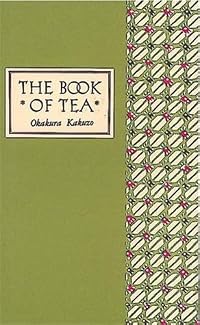
Horst Hammitzsch is one of the great scholars of the Japanese tradition of the Tea Ceremony. This abridged version of his larger work is now recognized along with Okakura's The Book of Tea as the standard presentation on this subject. In short but learned chapters on the Tea Doctrine and its Grand Masters Shuko, Joo, and Rikyu, on the Tea Way and Zen, the Tea-Room, the Tea-Garden and the Tea-Person, the author explains the underlying philosophy of 'perfect imperfection'-and invites all who are willing to find in the quiet simplicity of the tea ceremony the self-surrender that leads to reverence, harmony, and tranquillity.
Dr. show more Horst Hammitzsch was born in Dresden, Germany, in 1909. A noted scholar of Japan, he studied there for four years and continued his work as a professor of Japanese studies in Germany at the universities of Leipzig, Munich, and Bochum. Dr. Hammitzsch is the translator into German of Kakuzo Okakura's The Book of Tea and numerous monographs and articles on Japanese culture. He lives today in Ennigerloh, West Germany.
Contents
Foreword
By way of introduction
Tea in Japan, its origins and use
The tea way and its Grand Masters: Shuko, Joo and Rikyu
Shuko
Shuko and the bamboo grass
Socho and his rape-garden
The one-sign-teacher of the plum blossom
Joo
Rikyu
Hideyoshi and the morning-glory
The bowl with the plum blossom
Rikyu sweeps the tea-garden
Rikyu and Joshi
Rikyu and the stepping--stone
Rikyu and the sword-stand
Doroku's hoe
Gentians and chrysanthemums
The tea of Hariya Soshun
The tea way and Zen
The Zen way as the heart of tea drinking
The practice of the tea doctrine
On the true meaning of the tea doctrine
Tea-room notes by the honourable Takuan
'Wabi'
The tea-room and tea-garden
The garden path
The tea way and flowers
The tea way and painting
The tea way and the tea-person
Bibliography show less
Horst Hammitzsch is one of the great scholars of the Japanese tradition of the Tea Ceremony. This abridged version of his larger work is now recognized along with Okakura's The Book of Tea as the standard presentation on this subject. In short but learned chapters on the Tea Doctrine and its Grand Masters Shuko, Joo, and Rikyu, on the Tea Way and Zen, the Tea-Room, the Tea-Garden and the Tea-Person, the author explains the underlying philosophy of 'perfect imperfection'-and invites all who are willing to find in the quiet simplicity of the tea ceremony the self-surrender that leads to reverence, harmony, and tranquillity.
Dr. show more Horst Hammitzsch was born in Dresden, Germany, in 1909. A noted scholar of Japan, he studied there for four years and continued his work as a professor of Japanese studies in Germany at the universities of Leipzig, Munich, and Bochum. Dr. Hammitzsch is the translator into German of Kakuzo Okakura's The Book of Tea and numerous monographs and articles on Japanese culture. He lives today in Ennigerloh, West Germany.
Contents
Foreword
By way of introduction
Tea in Japan, its origins and use
The tea way and its Grand Masters: Shuko, Joo and Rikyu
Shuko
Shuko and the bamboo grass
Socho and his rape-garden
The one-sign-teacher of the plum blossom
Joo
Rikyu
Hideyoshi and the morning-glory
The bowl with the plum blossom
Rikyu sweeps the tea-garden
Rikyu and Joshi
Rikyu and the stepping--stone
Rikyu and the sword-stand
Doroku's hoe
Gentians and chrysanthemums
The tea of Hariya Soshun
The tea way and Zen
The Zen way as the heart of tea drinking
The practice of the tea doctrine
On the true meaning of the tea doctrine
Tea-room notes by the honourable Takuan
'Wabi'
The tea-room and tea-garden
The garden path
The tea way and flowers
The tea way and painting
The tea way and the tea-person
Bibliography show less
The art of the Tea Ceremony belongs to the traditional Zen arts of Japan and has evolved over the centuries as a way to self-understanding and as a means of practising true hospitality. Through the peace of the garden and the quiet simplicity of the tea-room ceremony, the underlying philosophy of 'perfect imperfection' guides the participant to find in self-surrender the serene qualities of reverence, harmony, purity and tranquillity.
Ratings
Members
- Recently Added By
Author Information

10 Works 169 Members
All Editions
Common Knowledge
- Canonical title*
- Zen in der Kunst der Tee-Zeremonie
- Original title
- Zen in der Kunst der Tee Zeremonie
- Original publication date
- 1977
- First words*
- Um das dritte Jahr meines Japanaufenthaltes herum war es, da fand ich zum ersten Male Berührung mit dem Tee-Weg, der Lehre vom Tee, chadô.
- Last words*
- (Click to show. Warning: May contain spoilers.)Sie werden frei von der Sorge um die £Vergänglichkeit alles Irdischen, sie nehmen teil am Ewigen, finden zurück zur Natur, weil sie im Einklang mit allen Lebewesen stehen.
- Original language*
- Deutsch
- Disambiguation notice*
- verkürzte Neuausgabe von 'Cha-dô, der Tee-Weg'
*Some information comes from Common Knowledge in other languages. Click "Edit" for more information.
Classifications
- Genres
- Nonfiction, Religion & Spirituality, Philosophy, Art & Design, Food & Cooking, History, General Nonfiction
- DDC/MDS
- 394.1 — Society, Government, and Culture Customs, etiquette & folklore General customs Eating, drinking, using drugs
- LCC
- GT2910 .H27213 — Geography, Anthropology and Recreation Manners and customs (General) Manners and customs (General) Customs relative to private life
- BISAC
Statistics
- Members
- 118
- Popularity
- 275,139
- Reviews
- 2
- Rating
- (3.75)
- Languages
- 5 — Dutch, English, German, Portuguese, Spanish
- Media
- Paper
- ISBNs
- 10
- ASINs
- 3