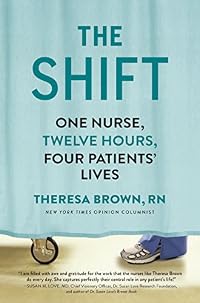
The Shift: One Nurse, Twelve Hours, Four Patients' Lives
by Theresa Brown
On This Page
Description
“Compelling and compassionate human drama. If you want to understand how modern medicine ticks, fasten your seat belt and spend a day in the hospital with Theresa Brown on The Shift.” —Danielle Ofri, MD, author of What Doctors FeelIn a book as eye-opening as it is riveting, practicing nurse and regular contributor to the New York Times Theresa Brown invites us to experience not just a day in the life of a nurse but all the life that happens in just one day on a busy teaching show more hospital’s cancer ward. In the span of twelve hours, lives can be lost, life-altering treatment decisions made, and dreams fulfilled or irrevocably stolen. Every day, Theresa Brown holds these lives in her hands. On this day, there are four.
Unfolding in real time under the watchful eyes of Theresa Brown—a dedicated nurse and an insightful chronicler of events—we are given an unprecedented view into the individual struggles as well as the larger truths about medicine in this country. By shift’s end, we have witnessed something profound about hope and humanity.
“This meticulous, absorbing shift-in-the-life account of one nurse’s day on a cancer ward stands out for its honesty, clarity, and heart. Brown . . . juggles the fears, hopes, and realities of a 12-hour shift in a typical urban hospital with remarkable insight and unflagging care. Her memoir is a must-read for nurses or anyone close to one.” —Publishers Weekly, starred review
“An empathetic and absorbing narrative as riveting as a TV drama.” —Kirkus Reviews
“I am filled with awe and gratitude for the work that the nurses like Theresa Brown do every day. She captures perfectly their central role in any patient’s life!” —Susan M. Love, MD, chief visionary officer, Dr. Susan Love Research Foundation, and author of Dr. Susan Love’s Breast Book
. show less
Tags
Recommendations









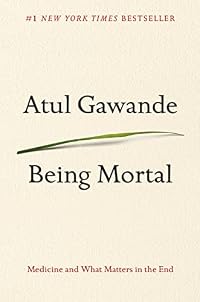
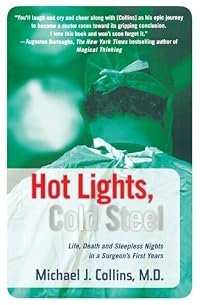

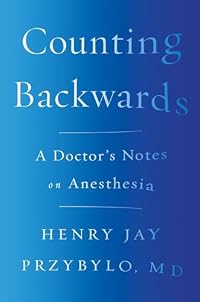
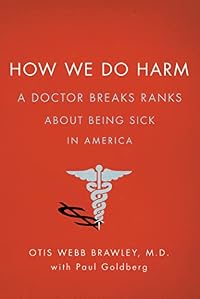






Member Reviews
Every day is a sick day
The Shift: One Nurse, Twelve Hours, Four Patients’ Lives by Theresa Brown (Algonquin Books, $24.95).
Rather than recycle her columns as so many do, nurse and New York Times writer Theresa Brown gives us an hour-by-hour account of her day on the cancer ward of an urban hospital.
In The Shift: One Nurse, Twelve Hours, Four Patients’ Lives, Brown’s got four patients—who she unfailing sees as people who happen to be sick rather than as diagnoses that happen to be people—several colleagues, and plenty of doctors to navigate, and her honesty and insight make for fascinating reading.
While some of what she covers will be familiar to inveterate watchers of medical TV shows, the drama is infinitely more personal. show more As she goes through the day, what Brown brings to it is the human and the humane: a stomach ache that turns into emergency surgery, or another patient’s quirky fussiness, which masks her fear at being out of control.
The Shift is a memoir that takes us to work, and it also ought to make us think about why we ask so much from health care professionals–and offer so little in return. It also makes an argument–albeit indirectly–for more use of health care “navigators” to keep people on track and comforted during the process of catastrophic illness.
(Reviewed on Lit/Rant: www.litrant.tumblr.com) show less
The Shift: One Nurse, Twelve Hours, Four Patients’ Lives by Theresa Brown (Algonquin Books, $24.95).
Rather than recycle her columns as so many do, nurse and New York Times writer Theresa Brown gives us an hour-by-hour account of her day on the cancer ward of an urban hospital.
In The Shift: One Nurse, Twelve Hours, Four Patients’ Lives, Brown’s got four patients—who she unfailing sees as people who happen to be sick rather than as diagnoses that happen to be people—several colleagues, and plenty of doctors to navigate, and her honesty and insight make for fascinating reading.
While some of what she covers will be familiar to inveterate watchers of medical TV shows, the drama is infinitely more personal. show more As she goes through the day, what Brown brings to it is the human and the humane: a stomach ache that turns into emergency surgery, or another patient’s quirky fussiness, which masks her fear at being out of control.
The Shift is a memoir that takes us to work, and it also ought to make us think about why we ask so much from health care professionals–and offer so little in return. It also makes an argument–albeit indirectly–for more use of health care “navigators” to keep people on track and comforted during the process of catastrophic illness.
(Reviewed on Lit/Rant: www.litrant.tumblr.com) show less
Brown invites us to shadow her through her twelve hour shift as an oncology nurse. She rises at six a.m., eats breakfast while her husband and children are still asleep then bikes to work. When she arrives she must change into her scrubs and meet with the nurses who are ending their overnight shift for daily updates on the patients she will care for that day.
She will have to deal with only four patients but their needs are many and frequent. One is near death and may not survive the treatment his doctor ordered. Another is easy and always has a candy dish in her room for the nurses; she may go home today—if only Brown can find a few minutes to gather all the discharge paperwork and go over the discharge instructions with her. Another show more patient suffers an unforeseen medical emergency which means discontinuing her medication so that life-saving surgery can be performed. The fourth is difficult, demands special treatment and is quickly displeased with everyone and everything. In addition, because the oncology floor does not have set visiting hours, patients' family members and friends may be there at any hour and often are in as much need of calming and reassurance as the patients themselves.
She must always answer her phone immediately but often a patient call bell goes off at the same time and now she can't be present when an attending physician explains a treatment plan to another patient. She writes notes and reminders for herself and must find the time to add everything into the computer records as well. Doctors' orders must also be entered into the computer and testing must be coordinated with other departments. Doctors hesitate to criticize a colleague but may feel free to complain to a nurse, a carryover from the days when all doctors were men who considered themselves superior to the women who worked as nurses.
Some forms of chemotherapy are so toxic that pregnant nurses are not even allowed to handle them. It's necessary for the nurses to check that they are giving the correct medication and dosage and then another nurse must often double-check the first nurse. Treatment protocols often require administration on a strict schedule which means Brown may have to tend to a patient every 15-30 minutes. With the constant interruptions, phone calls, call bells and the dispensing of medications, there is rarely time to eat the yogurt and apple she brought for lunch. Eventually her shift ends as she updates the incoming night shift, changes clothes and bicycles home for a late dinner with her family.
Brown's graceful writing and occasional literary quotations recall her previous life as an English professor. Although this is an easy, pleasant read, it conveys a clear picture of a nurse's hectic day. show less
She will have to deal with only four patients but their needs are many and frequent. One is near death and may not survive the treatment his doctor ordered. Another is easy and always has a candy dish in her room for the nurses; she may go home today—if only Brown can find a few minutes to gather all the discharge paperwork and go over the discharge instructions with her. Another show more patient suffers an unforeseen medical emergency which means discontinuing her medication so that life-saving surgery can be performed. The fourth is difficult, demands special treatment and is quickly displeased with everyone and everything. In addition, because the oncology floor does not have set visiting hours, patients' family members and friends may be there at any hour and often are in as much need of calming and reassurance as the patients themselves.
She must always answer her phone immediately but often a patient call bell goes off at the same time and now she can't be present when an attending physician explains a treatment plan to another patient. She writes notes and reminders for herself and must find the time to add everything into the computer records as well. Doctors' orders must also be entered into the computer and testing must be coordinated with other departments. Doctors hesitate to criticize a colleague but may feel free to complain to a nurse, a carryover from the days when all doctors were men who considered themselves superior to the women who worked as nurses.
Some forms of chemotherapy are so toxic that pregnant nurses are not even allowed to handle them. It's necessary for the nurses to check that they are giving the correct medication and dosage and then another nurse must often double-check the first nurse. Treatment protocols often require administration on a strict schedule which means Brown may have to tend to a patient every 15-30 minutes. With the constant interruptions, phone calls, call bells and the dispensing of medications, there is rarely time to eat the yogurt and apple she brought for lunch. Eventually her shift ends as she updates the incoming night shift, changes clothes and bicycles home for a late dinner with her family.
Brown's graceful writing and occasional literary quotations recall her previous life as an English professor. Although this is an easy, pleasant read, it conveys a clear picture of a nurse's hectic day. show less
 This review was written for LibraryThing Early Reviewers.
I’m a complete sucker for nursing stories, fictional or real-life. The Shift intrigued me because of its modern setting and that it’s set in a medical oncology ward in the US. Theresa Brown, the author, is also no light weight – she’s a former college professor with a PhD. She writes well, and clearly explains all aspects of a nurse’s day from the lack of break to the continual recording that needs to occur. It’s a book that is well done and gives an excellent insight into the daily life of the nurse.
Interestingly, there’s a few differences between Australian and American care that I was keen to explore. First of all, there’s the difference in payment. The NHS pays for your care in Australia, in the US it’s currently show more more of a user pays/private health insurance system. You have cancer in Australia and need a $10 000 drug? If the drug is available on the Pharmaceutical Benefits Scheme and you’re eligible (i.e. having the type of cancer for which it’s listed), no worries. You can have it, little to no payment required. I was interested to see the detail and care Theresa put into learning about her patient who was having Rituxan® (rituximab). It seemed like it wasn’t an everyday occurrence – here, we jokingly call it ‘Vitamin R’ because every second person seems to be using it and the potential uses just keep expanding! There’s definitely a lot of nursing care that goes into rituximab administration (it can cause allergic reactions and the patient needs to be monitored closely) and I liked the way Theresa went into it – it felt very caring and like she was treating the patient as an individual. There’s also blood cancers being covered by medical oncology (here they’re covered by haematologists).
To Theresa, the patients weren’t ‘the guy in bed XX’ or ‘the patient with Y cancer’ – they were real people. I think the humanitarian side of nursing – so often forgotten in this world of ‘if you didn’t document it, it didn’t happen’ and medicolegal issues – came through very strongly. I liked the way she explained terms that the average Joe might not be familiar with (it got a little repetitive for me, but I did like the simple explanations – useful for when I’m talking to patients!) but it didn’t seem like she was talking down to the reader. I also think she explained very well the continual competing tasks for a nurse’s time – call bells, telephones, patients coming in and patients going out, sometimes at the detriment of her own personal care (like eating!).
The story of just one shift explains things so well with the different types of patients – the first round of a new chemotherapy medicine (hello, frequent observations), the demanding patient and the patient who is a lot sicker than everyone first thought. It’s a rollercoaster of emotions from joy to frustration to fear. Theresa details well how she feels caught between a rock and a hard place – she simply can’t be everywhere at once and then administration decides she needs a new patient…! Although The Shift doesn’t sugar coat the realities of modern nursing, it offers a hopeful, positive tone. If you’re in hospital, you want someone like Theresa to look after you.
Thank you to Algonquin for the eARC. My review is honest.
http://samstillreading.wordpress.com show less
Interestingly, there’s a few differences between Australian and American care that I was keen to explore. First of all, there’s the difference in payment. The NHS pays for your care in Australia, in the US it’s currently show more more of a user pays/private health insurance system. You have cancer in Australia and need a $10 000 drug? If the drug is available on the Pharmaceutical Benefits Scheme and you’re eligible (i.e. having the type of cancer for which it’s listed), no worries. You can have it, little to no payment required. I was interested to see the detail and care Theresa put into learning about her patient who was having Rituxan® (rituximab). It seemed like it wasn’t an everyday occurrence – here, we jokingly call it ‘Vitamin R’ because every second person seems to be using it and the potential uses just keep expanding! There’s definitely a lot of nursing care that goes into rituximab administration (it can cause allergic reactions and the patient needs to be monitored closely) and I liked the way Theresa went into it – it felt very caring and like she was treating the patient as an individual. There’s also blood cancers being covered by medical oncology (here they’re covered by haematologists).
To Theresa, the patients weren’t ‘the guy in bed XX’ or ‘the patient with Y cancer’ – they were real people. I think the humanitarian side of nursing – so often forgotten in this world of ‘if you didn’t document it, it didn’t happen’ and medicolegal issues – came through very strongly. I liked the way she explained terms that the average Joe might not be familiar with (it got a little repetitive for me, but I did like the simple explanations – useful for when I’m talking to patients!) but it didn’t seem like she was talking down to the reader. I also think she explained very well the continual competing tasks for a nurse’s time – call bells, telephones, patients coming in and patients going out, sometimes at the detriment of her own personal care (like eating!).
The story of just one shift explains things so well with the different types of patients – the first round of a new chemotherapy medicine (hello, frequent observations), the demanding patient and the patient who is a lot sicker than everyone first thought. It’s a rollercoaster of emotions from joy to frustration to fear. Theresa details well how she feels caught between a rock and a hard place – she simply can’t be everywhere at once and then administration decides she needs a new patient…! Although The Shift doesn’t sugar coat the realities of modern nursing, it offers a hopeful, positive tone. If you’re in hospital, you want someone like Theresa to look after you.
Thank you to Algonquin for the eARC. My review is honest.
http://samstillreading.wordpress.com show less
This is a very well written book about a day in the life of a nurse in an American hospital. I work in a hospital so I am naturally attracted to reading this sort of book. Even though I work at a hospital, it is easy to lose sight of the reality of nursing. The many directions they are pulled, all the different people they encounter constantly and have to deal with, the demands on their time, the impossibility of being in two places at once. If you are interested in the inner workings of a hospital this book is for you. If you are wondering why your nurse cannot get to the minute you put your call light on this book is for you. One case this book presents is a perfect example of how mistakes get made and things get missed. This book show more reminds me of the incredibly difficult job nurses have. It also reminds me that we all need to be advocates for ourselves and our family members in the medical system. show less
This review was written for LibraryThing Early Reviewers.A detailed and exhausting account of one nurse's twelve-hour shift on a hospital's hematology/oncology floor. Medical memoirs are a favorite genre of mine and I enjoyed it!
Over the twelve-hour shift, Brown is responsible for four patients. Four patients don't sound like many at first, but the stakes are high and there are multiple show more tasks to juggle per patient. Her patients are immunocompromised, so a number of extra precautions have to be taken during each task to keep them safe from invisible dangers. We spend time with these four patients:
• Dorothy - A woman in her 50s with a positive attitude. She is being treated for leukemia and is waiting for her lab work to return to normal so she can be discharged after a six-week stay.
• Richard - A fragile lymphoma patient in his late 70s, who has just been prescribed an extremely toxic chemo drug that demands constant supervision while being administered.
• Sheila - A woman in her mid-40s with antiphospholipid antibody syndrome, a blood clotting disorder. She is experiencing mysterious abdominal pain.
• Candace - A difficult (or empowered, depending on your perspective) cancer patient in her early-40s, who is scheduled to receive a transplant of her own cells.
In the book's disclaimer the author notes that while these stories are true, specific details have been changed to protect patient and staff confidentiality. In some cases, composites are used. While she is unable to give us updates on patients after they leave the hospital, we do get enough of a conclusion for the aforementioned patients.
Brown walks us step-by-step through many procedures and consistently explains terms that the reader is probably not be familar with. If you aren't already interested in the medical field, this book might feel tedious at times. There are repetitive procedures and tons of paperwork. By the end, I felt like I could administer Dilaudid! The repetition gives an accurate view of a shift and also added to the stress. In the middle of all these scheduled, routine tasks that involved many sub-tasks, there was a constant flow of unexpected issues. I got so anxious during the multiple interruptions that occurred while trying to discharge a patient. Brown had an ongoing to-do list running in her mind and the tasks had to constantly be reprioritized as more pressing events arose. For every item Brown marked off the to-do list, about ten items got added! A number of jobs required verifications from multiple people, which means the nurses have duties beyond their own patient load.
Besides the patients, my favorite parts were Theresa Brown's insights into problems with the way care is managed at hospitals. I wish there was more time spent on these topics. Theresa airs her frustrations with a system that doesn't allow her to spend as much time with a patient as she would like. She always wanted to do more for them, but time constraints and the hospital's bottom line didn't allow it most of the time. She addresses the lack of emotional care for patients, hospital hierarchy, practitioner fatigue, the overcomplicating of processes in the name of safety and excessive workload. Though she gets frustrated, Brown loves her job and shows remarkable empathy for her patients and colleagues. In one chapter, she notices that she treats the escort in a way that she complained about a doctor treating her earlier. She realizes that everyone has a lot to do and maybe they are all doing the best they can to get through the day and keep their patients alive.
Because the author was an English major before changing careers, the language occasionally becomes poetic. This leads to some distracting figurative language and excessive literary references. ("Changing the bandages on his dying toes caused a shadow of pain to fall over his face, like the moon covering the sun during an eclipse.") While it did make the work feel more human, it was jarring to shift from routine, "day-in-the-life" language to emotional language.
I had doubts that the author could maintain my interest with such a tight focus, but I enjoyed the whole book. We are all likely to be patients at some point, so this is a useful read for everyone. "There will come a time when each of us will need a clean, well lighted place that stays open all day and night, offering shelter from life's storms." It certainly will make me more patient! If you liked this book, you might also like [book:The Real Doctor Will See You Shortly: A Physician's First Year|22716448].
If I sound the alarm and the patient is OK, then I over-reacted and have untrustworthy clinical judgment. If I don't call in the calvary when it's needed, then I'm negligent and unsafe for patients. You don't always know because what goes on inside human bodies can be hidden and subtle. This job would be easier if there weren't such a narrow divide between being the canary in the coal mine and Chicken Little.
Over the twelve-hour shift, Brown is responsible for four patients. Four patients don't sound like many at first, but the stakes are high and there are multiple show more tasks to juggle per patient. Her patients are immunocompromised, so a number of extra precautions have to be taken during each task to keep them safe from invisible dangers. We spend time with these four patients:
• Dorothy - A woman in her 50s with a positive attitude. She is being treated for leukemia and is waiting for her lab work to return to normal so she can be discharged after a six-week stay.
• Richard - A fragile lymphoma patient in his late 70s, who has just been prescribed an extremely toxic chemo drug that demands constant supervision while being administered.
• Sheila - A woman in her mid-40s with antiphospholipid antibody syndrome, a blood clotting disorder. She is experiencing mysterious abdominal pain.
• Candace - A difficult (or empowered, depending on your perspective) cancer patient in her early-40s, who is scheduled to receive a transplant of her own cells.
In the book's disclaimer the author notes that while these stories are true, specific details have been changed to protect patient and staff confidentiality. In some cases, composites are used. While she is unable to give us updates on patients after they leave the hospital, we do get enough of a conclusion for the aforementioned patients.
I watch the intern walk down the hall, slightly stopped, as if he bears the weight of the world on his shoulders. But it is I who will give Mr. Hampton his Rituxan, who will monitor him for serious changes in blood pressure, heart rate, and breathing, who will need to call this intern, or his replacement, if the treatment intended to heal ends up hurting instead. The intern doesn't know this drug as well as I do. The intern won't be the person hooking it up to Mr. Hampton's IV, watching it run down the plastic tubing directly into his vein, knowing that if things go badly, it will be result of the work of my own hands.
Brown walks us step-by-step through many procedures and consistently explains terms that the reader is probably not be familar with. If you aren't already interested in the medical field, this book might feel tedious at times. There are repetitive procedures and tons of paperwork. By the end, I felt like I could administer Dilaudid! The repetition gives an accurate view of a shift and also added to the stress. In the middle of all these scheduled, routine tasks that involved many sub-tasks, there was a constant flow of unexpected issues. I got so anxious during the multiple interruptions that occurred while trying to discharge a patient. Brown had an ongoing to-do list running in her mind and the tasks had to constantly be reprioritized as more pressing events arose. For every item Brown marked off the to-do list, about ten items got added! A number of jobs required verifications from multiple people, which means the nurses have duties beyond their own patient load.
The more patients an individual nurse cares for, the smaller amount of TLC per patient. More significantly, research on staffing levels has made it pretty clear that the more patients a nurse has above a certain number (the number itself depends on the patient population and how sick the patients are), the larger the likelihood a patient will die who wouldn't have otherwise. In other words, nurse-to-patient ratios aren't just about patients feeling cared for; they're also about fragile people staying alive.
Besides the patients, my favorite parts were Theresa Brown's insights into problems with the way care is managed at hospitals. I wish there was more time spent on these topics. Theresa airs her frustrations with a system that doesn't allow her to spend as much time with a patient as she would like. She always wanted to do more for them, but time constraints and the hospital's bottom line didn't allow it most of the time. She addresses the lack of emotional care for patients, hospital hierarchy, practitioner fatigue, the overcomplicating of processes in the name of safety and excessive workload. Though she gets frustrated, Brown loves her job and shows remarkable empathy for her patients and colleagues. In one chapter, she notices that she treats the escort in a way that she complained about a doctor treating her earlier. She realizes that everyone has a lot to do and maybe they are all doing the best they can to get through the day and keep their patients alive.
As force from the syringe makes blood swirl into the saline I stop and watch it billow like silk. Red. Beautiful. I never gave blood too much though before I took this job, but now I revere it. Blood is the liquid of life. Red cells give oxygen, platelets form clots, and white cells protect us from infection. Without healthy blood humans cannot live.
Because the author was an English major before changing careers, the language occasionally becomes poetic. This leads to some distracting figurative language and excessive literary references. ("Changing the bandages on his dying toes caused a shadow of pain to fall over his face, like the moon covering the sun during an eclipse.") While it did make the work feel more human, it was jarring to shift from routine, "day-in-the-life" language to emotional language.
I had doubts that the author could maintain my interest with such a tight focus, but I enjoyed the whole book. We are all likely to be patients at some point, so this is a useful read for everyone. "There will come a time when each of us will need a clean, well lighted place that stays open all day and night, offering shelter from life's storms." It certainly will make me more patient! If you liked this book, you might also like [book:The Real Doctor Will See You Shortly: A Physician's First Year|22716448].
In all the hurly-burly, I'd forgotten, but now I remember: The most important thing of all is that everyone's alive at the end of the day.show less
This review was written for LibraryThing Early Reviewers.Maybe we should get Theresa Brown to run for president. This book slows down time and Theresa Brown shares one of her twelve-hour days as a nurse with us. Four patients doesn't sound like a lot until you consider that you are the person who is in charge of the complete care of four very fragile people. It's a wonderful story and it makes me want to start a Theresa Brown for President campaign. If Brown can work this carefully and thoughtfully and juggle the personalities on the ward, I think she can run this country.
This review was written for LibraryThing Early Reviewers.While written so that anyone can appreciate a day in the life of a nurse, I think the fact that this is an exceptional book can only be appreciated by the clinicians that live it. Having been a hospital pharmacist for 40 years, I couldn't believe how real Theresa Brown portrayed the hospital from the inside. There are so many nuances included that you can pick up if you lived it but may not if you haven't. Her description of interactions with other departments was spot on. I've been the pharmacist on the phone needing to schedule the mixing of the chemotherapy. I've seen the technician pushing to get in for a stat x-ray and the checks and balance systems created to reduce hospital errors and liabilities. I know about the missed lunches show more and the pressure felt to not miss anything that would lead to patient harm. The frustration with the reality of waiting for OR rooms. The necessity of assuring a patient's medication will not cause them to bleed in surgery. I know about the "Diet Cokes" and I've certainly wanted to throw the phone out the window. I enjoyed the fact that she presented the employees as real humans with their own problems and back stories. I liked her references to lines from literature. She was an English professor and these were second nature to her thinking. I read this well written book in two sittings. It would have been one if I had wanted to stay up all night! This is a story of the modern hospital with its computerized ordering and charting. It presents oncology patients but it could be patients in all specialties. I recommend this book highly to all clinicians, patients and families of patients. show less
This review was written for LibraryThing Early Reviewers.Members
- Recently Added By
Lists

Top Five Books of 2017
757 works; 231 members
Author Information

3+ Works 617 Members
Theresa Brown, R.N., received her BSN from the University of Pittsburgh. She is a regular contributor to the New York Times blog, Well and CNN.com. Theresa lives in the Pittsburgh area with her husband, Arthur Kosowsky, their three children, and their dog. Visit the author at www.theresabrownrn.com.
Common Knowledge
- Original publication date
- 2015-09-22
- Epigraph
- If all is supposition, if ending is air, then
why not happiness? Are we so cynical,
so sophisticated as to write off even the
chance of happy endings?
—Tim O'Brien
In the Lake of the Woods - Dedication
- To Sophia, Miranda, and Conrad-
the beginning of this journey - First words
- Prologue
A Clean, Well-Lighted Place
The buzz of the alarm surprises me, as it always does. I've been off for a few days and never go to bed early enough before a first shift back. That's the problem with bei... (show all)ng a night owl at heart.
Chapter 1
7:03am
I hit the floor at 7:03. It should be 7:00, but getting here almost late is my small, immature act of rebellion. - Last words
- (Click to show. Warning: May contain spoilers.)I rarely fall asleep easily after a shift, especially if I'm working the next one, but now quiescence comes, pushing at the edges of my mind. My breath deepens and I feel the clam of oblivion begin to cover me. I will do this again tomorrow and then there will be another shift and another and another. To be in the eternal present of illness and unease, never knowing the future. It's where my patients live so I , ever hopeful, live there with them.
(Click to show. Warning: May contain spoilers.)Afterword
I felt infinity in the palm of my hand and eternity over the next twelve very busy hours. - Blurbers
- Gordon, Suzanne; Chen, Pauline W.
Classifications
Statistics
- Members
- 335
- Popularity
- 94,306
- Reviews
- 43
- Rating
- (3.68)
- Languages
- English
- Media
- Paper, Audiobook, Ebook
- ISBNs
- 10
- UPCs
- 1
- ASINs
- 3