On This Page
Description
The exiled family of King Æthelfrith of Northumbria arrive, after much hardship, on the island of Iona, where the monastery founded by St Columba has become a centre of worship and learning. Young Oswald becomes firm friends with a novice, Aidan. When Aidan professes his final vows, Oswald and his little brother Oswy are received into the church. As befits a young prince, Oswald learns to fight. However, Aidan's example attacts him and he is on the point of deciding to become a monk when show more news reaches Iona that his half brother, Eanfrith, has been killed by Cadwallon, the king who defeated Edwin. Oswald sails back to Northumbria and meets Cadwallon in battle, defeating and killing him. Oswald, now undisputed king of Northumbria, gives Aidan the island of Lindisfarne as his base. But Penda, the last great pagan king in England, is raising troops against him ... show lessTags
Recommendations


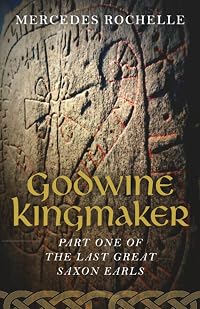
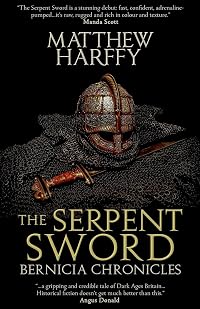
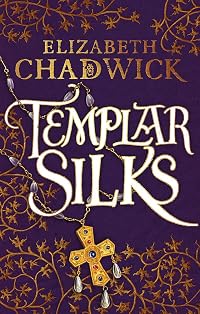
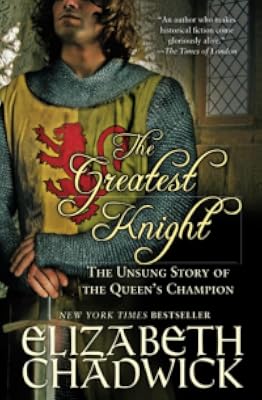
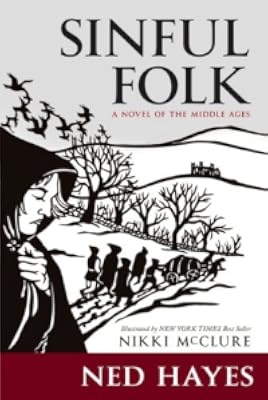

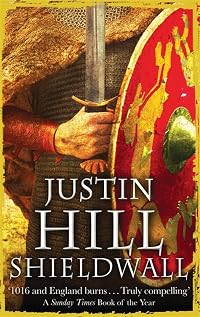
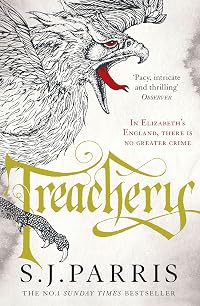
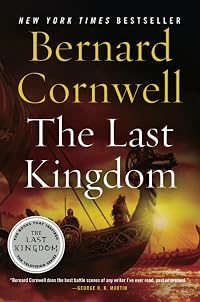




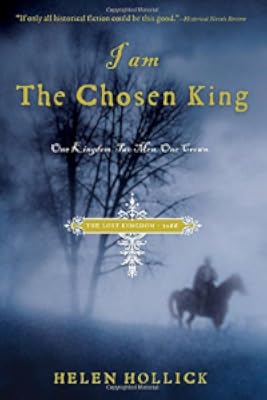
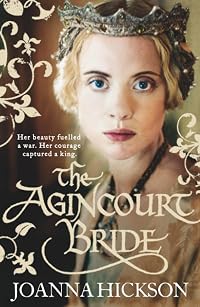
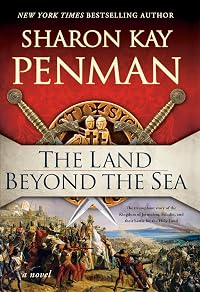
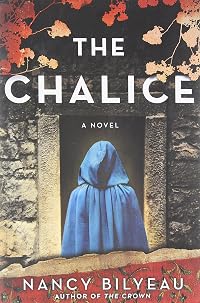
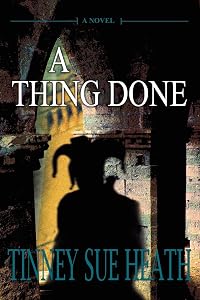
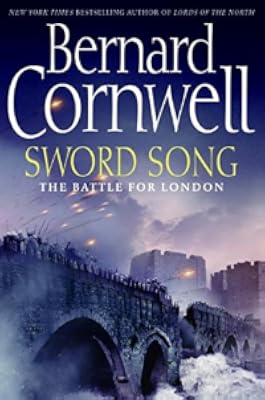
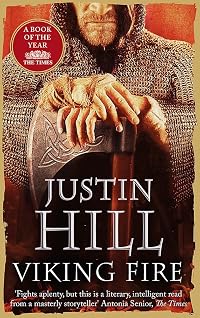
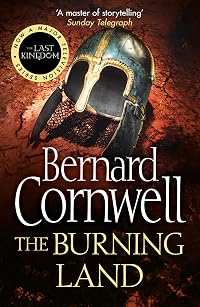

Member Recommendations


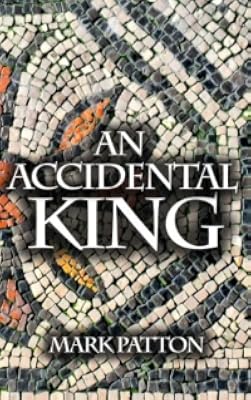
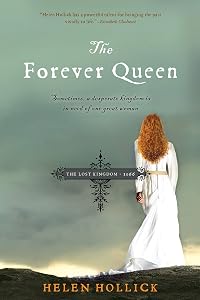
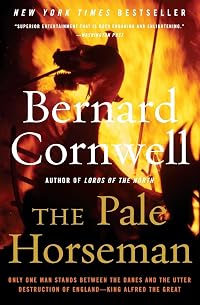
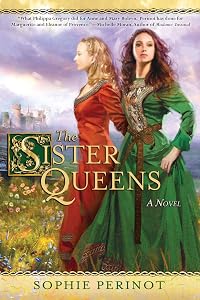
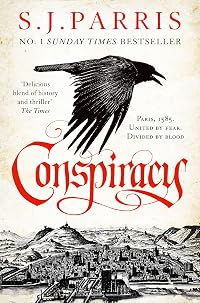
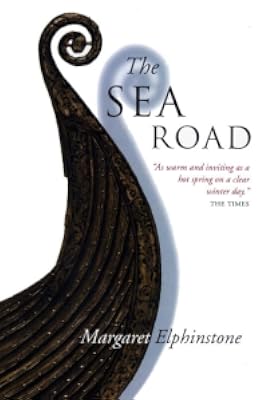
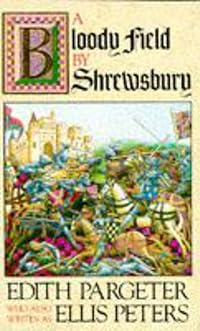
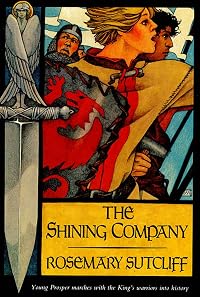
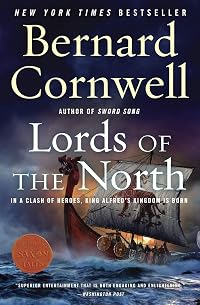
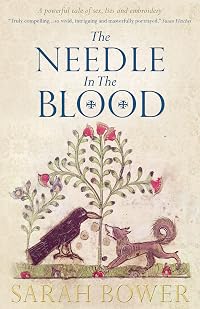
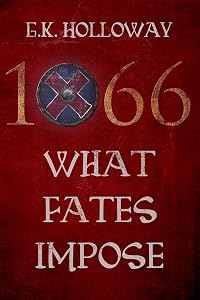
al.vick same time place/period, Edwin is in both books
gypsysmom Both these books take place in Northumbria around the same time period.
heidialice Oswald is a tribute to Tolkien and his scholarship, and while strictly historical (fiction) with no fantasy elements, is in my opinion a worthy companion read!
Member Reviews
This was, hands down, one of the best novels I've read this year-- enthralling, stirring, poignant and with gentle humor in spots. From a short mention in Bede and with other facts the author garnered from elsewhere--and, a certain amount of dramatic license--the author has crafted a well-written life of Oswald, a 7th century king of Northumbria. From boyhood with his brother Oswiu, he rises from exile in Dal Riada and the monastic island of Iona to become king of a united Northumbria. Always desiring the monastic life, he nonetheless is a great and compassionate king. Oswald, in the author's conception, is an inspirational figure. He spreads Christianity through his realm, much through the simple, unprepossessing example and actions of show more his lifelong soul-friend, Brother [later Bishop] Aidan to whom he gives Lindesfarne, which becomes a monastic center. Because of the treachery and betrayal of a man he has considered a friend, he faces off against the evil Penda, King of Mercia, in an exciting winter battle at Maserfield.
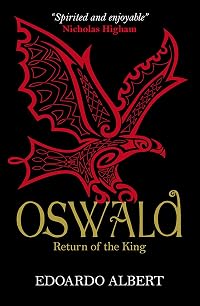
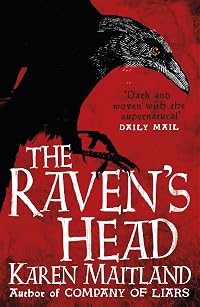
I did smile at Oswald's pet raven, Bran, almost a character in itself/himself. I've read elsewhere that many Celtic and Anglo-Saxon saints, of which Oswald was one, had a furry or feathery companion. I am assuming the stunning cover shows Bran outlined in red against a black background.
I was on an emotional roller-coaster for the whole novel and still haven't quite gotten my equilibrium or breath back. I'm not ashamed to say sometimes the writing of particular incidents or conversations was so powerful, my eyes would fill with tears.
Very highly recommended. show less
I did smile at Oswald's pet raven, Bran, almost a character in itself/himself. I've read elsewhere that many Celtic and Anglo-Saxon saints, of which Oswald was one, had a furry or feathery companion. I am assuming the stunning cover shows Bran outlined in red against a black background.
I was on an emotional roller-coaster for the whole novel and still haven't quite gotten my equilibrium or breath back. I'm not ashamed to say sometimes the writing of particular incidents or conversations was so powerful, my eyes would fill with tears.
Very highly recommended. show less
 This review was written for LibraryThing Early Reviewers.
Oswald is a tremendously good read.
Having read and enjoyed Edoardo Albert’s book Edwin: High King of Britain I am delighted to say that, Oswald: Return of the King (Book 2 in The Northumbrian Thrones series) is just as good. These beautifully written stories bring to life a period of history of which I knew nothing in a most convincing manner. I feel enriched by reading these books and am left wanting to know more of the time and the area.
As Oswald is the second in the series it is probably best to read Edwin first but it is not essential as there is an excellent explanation of ‘events so far’. I also really appreciate the dramatis personae, glossary and author’s notes all of which go to make this a most satisfying book.
This is show more not dry or worthy history but the story of people’s lives, loves and families, feuds, battles and power struggles, based in fact and full of atmosphere. I love this style of writing - the minimum description necessary to convey a convincing world. Life then is simple in many ways compared to ours and yet so complicated when it comes to land, gods and gold – much as now I suppose… As with Edwin I got the feeling that if a time machine took me back there I would recognise my surroundings and have a good idea of how to behave, eat dress, talk. I can see it all clearly in my head but without having had long detailed descriptions to plough through.
I have read many books over the years and become an increasingly fussy reader. I rarely find books now that completely draw me in as Edwin and Oswald have. I don’t like emotional manipulation or contrived tension in books and Oswald had neither, but there was one section in particular that left me almost breathless with excitement and unable to stop reading until I knew the outcome. How extraordinary that it is possible to care about the people and outcome of distant historical events!
As a Christian I was interested to read about the early days of Christianity in these Isles which is so subtly written as an integral part of the history and lives that I can happily recommend Oswald to our devoutly atheist son. He won’t feel preached at in any way and it might help him to understand the appeal of Christianity and the impact that it had and has on some people’s lives without trying to convert him.
Spoiler Alert! It is tempting to go online for pictures and more info about people and places but I recommend waiting until the end of the book. I looked up someone only to find how and when they died before I got to that part of the story and wished I hadn’t!
I am pleased to see that there will be a third book Oswiu, in The Northumbrian Thrones series, and although I’d really like to read it now, I hope the publisher isn’t tempted to rush it out before the author has time to write it to his satisfaction. As a writer’s wife I know that a good book needs time to write and redraft in order to get to the best it can be. I am happy to wait until Oswiu is as excellent as Edwin and Oswald. show less
Having read and enjoyed Edoardo Albert’s book Edwin: High King of Britain I am delighted to say that, Oswald: Return of the King (Book 2 in The Northumbrian Thrones series) is just as good. These beautifully written stories bring to life a period of history of which I knew nothing in a most convincing manner. I feel enriched by reading these books and am left wanting to know more of the time and the area.
As Oswald is the second in the series it is probably best to read Edwin first but it is not essential as there is an excellent explanation of ‘events so far’. I also really appreciate the dramatis personae, glossary and author’s notes all of which go to make this a most satisfying book.
This is show more not dry or worthy history but the story of people’s lives, loves and families, feuds, battles and power struggles, based in fact and full of atmosphere. I love this style of writing - the minimum description necessary to convey a convincing world. Life then is simple in many ways compared to ours and yet so complicated when it comes to land, gods and gold – much as now I suppose… As with Edwin I got the feeling that if a time machine took me back there I would recognise my surroundings and have a good idea of how to behave, eat dress, talk. I can see it all clearly in my head but without having had long detailed descriptions to plough through.
I have read many books over the years and become an increasingly fussy reader. I rarely find books now that completely draw me in as Edwin and Oswald have. I don’t like emotional manipulation or contrived tension in books and Oswald had neither, but there was one section in particular that left me almost breathless with excitement and unable to stop reading until I knew the outcome. How extraordinary that it is possible to care about the people and outcome of distant historical events!
As a Christian I was interested to read about the early days of Christianity in these Isles which is so subtly written as an integral part of the history and lives that I can happily recommend Oswald to our devoutly atheist son. He won’t feel preached at in any way and it might help him to understand the appeal of Christianity and the impact that it had and has on some people’s lives without trying to convert him.
Spoiler Alert! It is tempting to go online for pictures and more info about people and places but I recommend waiting until the end of the book. I looked up someone only to find how and when they died before I got to that part of the story and wished I hadn’t!
I am pleased to see that there will be a third book Oswiu, in The Northumbrian Thrones series, and although I’d really like to read it now, I hope the publisher isn’t tempted to rush it out before the author has time to write it to his satisfaction. As a writer’s wife I know that a good book needs time to write and redraft in order to get to the best it can be. I am happy to wait until Oswiu is as excellent as Edwin and Oswald. show less
From only a few mentions about Oswald's life in Bede, Albert has written another engrossing historical novel about the 7th century struggle for kingly dominance in Northumbria and the rest of England. Oswald, the nephew of the murdered King Edwin, would much rather be a monk in a remote monastery in Ireland. Instead, he is duty-bound to lead the opposition to Northumbria's enemies, Cadwallon of Wales and Penda of Mercia. He and his younger brother Oswey succeed in setting Oswald on the throne of his fathers, at least for a time.
This novel is not as stylistically rigid as the first novel, Edwin: High King of Britain. The language used seems more contemporary and Albert even introduces humorous banter between the brothers to lighten the show more somber story. But the realities of life at this time are fully shown. Marriages are alliances and Oswald weds a child who is more interested in play and too young to understand her complex husband. When she dies in childbirth, Oswald cannot shake the guilt that he subjected her to an ordeal which killed her immature body.
War is the central theme. Kings must reward their retainers with gold and the way to get gold is to take it from other kings. Add to that, the still strong belief that the most honorable death is in battle and it is obvious why Oswald and his enemies are always anticipating the next encounter. The fights, based on historical and archeological sources, are not glorious. They are bloody skirmishes fought between armies of often 70 to 100 men. Shifting alliances and betrayals make any outcome uncertain.
Except for a secret admiration for Oswey's wife, Oswald is depicted as the perfect king In this instance, the author is faithfully following Bede's account where more words are given to the miracles associated with Oswald's relics than to his short reign. I admit that because I was familiar with Bede's account, I was dreading the final battle. Albert does it justice and it is devastating.
I am looking forward to the final volume of the trilogy. show less
This novel is not as stylistically rigid as the first novel, Edwin: High King of Britain. The language used seems more contemporary and Albert even introduces humorous banter between the brothers to lighten the show more somber story. But the realities of life at this time are fully shown. Marriages are alliances and Oswald weds a child who is more interested in play and too young to understand her complex husband. When she dies in childbirth, Oswald cannot shake the guilt that he subjected her to an ordeal which killed her immature body.
War is the central theme. Kings must reward their retainers with gold and the way to get gold is to take it from other kings. Add to that, the still strong belief that the most honorable death is in battle and it is obvious why Oswald and his enemies are always anticipating the next encounter. The fights, based on historical and archeological sources, are not glorious. They are bloody skirmishes fought between armies of often 70 to 100 men. Shifting alliances and betrayals make any outcome uncertain.
Except for a secret admiration for Oswey's wife, Oswald is depicted as the perfect king In this instance, the author is faithfully following Bede's account where more words are given to the miracles associated with Oswald's relics than to his short reign. I admit that because I was familiar with Bede's account, I was dreading the final battle. Albert does it justice and it is devastating.
I am looking forward to the final volume of the trilogy. show less
This review was written for LibraryThing Early Reviewers.It was required that we learn English history when I was in school. I still remember Mr. Majeski drumming the names of the English royalty into our heads. But I'm pretty sure that we did not go as far back as the seventh century when England was divided into many small kingdoms. Certainly I don't remember hearing the name Oswald until I received this book. So it was a completely new saga in which I immersed myself as I read this book. I found it absolutely fascinating.
Oswald was the son of King Ethelfrith of Bernicia and Deira in Northumberland, an area that straddled Hadrian's Wall. However Ethelfrith was killed in battle by Edwin. Edwin brought Christianity to the area and became overlord to much of south England. His reign was show more overthrown by King Cadwallon of Gwynedd in conjunction with Penda of Mercia (present day Wales roughly). Cadwallon and Penda ravaged the Northumbrian countryside for a year after defeating Edwin. Oswald, who had been living with the monks on the island of Iona, did not want to be king but he was persuaded that it was God's will that he win back the throne. He and his brother, Oswiu, with a small band of warriors managed to overcome Cadwallon who had stayed behind in Northumbria while Penda returned to Mercia. Thereafter it seemed that Oswald could do no wrong as he subdued or made treaties with most of the other kings. Even Penda had to admit defeat and leave his brother as hostage. However, kings had a habit of not lasting on their throne for very long and even Oswald only reigned for eight years.
The author really knows this era and he has written non-fiction about it. Do not worry that the material will be dry historical facts though; besides excellent historical detail this book has very interesting characters and most of them really existed. show less
Oswald was the son of King Ethelfrith of Bernicia and Deira in Northumberland, an area that straddled Hadrian's Wall. However Ethelfrith was killed in battle by Edwin. Edwin brought Christianity to the area and became overlord to much of south England. His reign was show more overthrown by King Cadwallon of Gwynedd in conjunction with Penda of Mercia (present day Wales roughly). Cadwallon and Penda ravaged the Northumbrian countryside for a year after defeating Edwin. Oswald, who had been living with the monks on the island of Iona, did not want to be king but he was persuaded that it was God's will that he win back the throne. He and his brother, Oswiu, with a small band of warriors managed to overcome Cadwallon who had stayed behind in Northumbria while Penda returned to Mercia. Thereafter it seemed that Oswald could do no wrong as he subdued or made treaties with most of the other kings. Even Penda had to admit defeat and leave his brother as hostage. However, kings had a habit of not lasting on their throne for very long and even Oswald only reigned for eight years.
The author really knows this era and he has written non-fiction about it. Do not worry that the material will be dry historical facts though; besides excellent historical detail this book has very interesting characters and most of them really existed. show less
This review was written for LibraryThing Early Reviewers.Edoardo Albert's tale of Oswald reads like straightforward history but told in an engaging fictional narrative. As far as I can tell, and confirmed by Albert's historical note at the back, the story is extremely accurate to the history of the actual Oswald, king of Bernicia and Deira during Britain's Middle Ages. Of course, little enough is known about Oswald and so Albert believably fills in the gaps. The culture he creates feels authentic and the characters are believably of their times but also relatable. Albert writes in clear modern English, but he also uses key terms from the Middle English that Oswald and his contemporaries would have spoken. The words, such as "witan" for a group of nobles that select a king, or "scop" for a show more king's singer and storyteller are crucial to the story and easily understood through context, but there is also a helpful glossary and pronunciation guide in the beginning. I highly recommend Oswald: Return of the King to fans of British history, but expect a lot of battle narrative and not as much interior drama as we'd expect from a modern novel. This is really history in a fictional guise. show less
This review was written for LibraryThing Early Reviewers.Oswald wants to be a monk not a king, but the high king is killed in battle and one by one his other relations are killed in claiming the throne so the duty falls to him. He seems blessed and lucky in his early reign, winning battles with far fewer troop numbers. Much of the story centers around the relationship between Oswald and his brother Osiwu. Their main rivals are also a pair of brothers, Penda, King of Mercia, and his brother Eowa. The difference between the relationships is interesting. It is a very well woven story keeping to the small bit of history that is recorded about the time. The historical note in the back is great. I read it first so I would know how much of the story was historical fact, and what was the author's show more embellishment, A very entertaining read portraying life in a very early period in British history, (circa 640 A.D.) show less
This review was written for LibraryThing Early Reviewers.The sequel to the first book in this trilogy 'Edwin: High King of Britain' was for me, long awaited. I remembered a little of Oswald’s story- for which the sources are sparse- but the wait was well worth it. The title is a conscious nod to Tolkien, of which it is, I believe legitimate to draw at least some comparison.
King Oswald of Northumbria, a seventh century Saxon King, was the inspiration for Aragorn- and Middle Earth was what Oswald’s people the Anglo-Saxons, called the earth. For once again Edoardo Albert has taken the material that gives the barest details and created a grand, moving and realistic historical drama recreating the lives of half-forgotten figures who lived in a period that is as much shrouded in myth as it is show more known from history.
It tells the story of an exiled Prince, who returned to his homeland to reclaim his Kingdom, and, once it was won, to spread the New Faith of Christianity which he had embraced. This led him to establish the great monastry of Lindisfarne, and other foundations that would become famous as centres of Early Medieval English Christianity
As a ruler, Oswald ‘flashed for a few short years’when much was against him- when fellow Kings said that no throne could survive when there were two brothers to compete for it.
His was a tale of a a King who sought to bring hope to his people of brotherly love, loyalty, intrigue and sacrifice - tainted by betrayal, pride and mistrust.
The characters are 'real people'- flawed and relatable- this heroes genuinely heroic- yet not always having a heroic motivation for their actions.
As with the last book the often beautifully written descriptive passages helped re-create a far distant age and really transport the reader back to the time, to feel as if they are there with the characters as the story unfolds. in the King's hall high on the fortress of Bamburgh , on the battlefield, sailing through the misty fens of East-Anglia. Vouching for and caring for them.
One problem with some historical fiction novels is the tendency to inject modern values, thoughts and ideas into the heads of historical characters- harder still is the avoid modern idioms and turns of phrase.
In this series- even the way that the characters speak evokes the world of Tolkien, and, for literary buffs- Old English and British poetry.
Some of my favourite passages included:
"But even the sea, first and masterless, had quietened at the command of her heart-Lord. If he had chosen Oswald, she would not hold him back for her mother fear.
“We are all afraid…Death takes…glory fades, deeds are forgotten. In a generation, who will remember out names? But there is a hope in the new ways: a hope of life, a hope in death, a hope even in defeat”.
“When I was a boy, all I wanted was to be a warrior, to wield sword and win fame…but now I am glad the story is greater than sword glory”.
My only complaints were that the Oswald’s actual reign seemed to take something of a back foot. He didn’t even develop King until halfway into the novel- and the section devoted to his rule is nearly three quarters of the way through.
Much time is devoted to the preliminaries- mostly the warfare which ravaging the Kingdom of Northumbria, waged by rival Kings who Oswald had to defeat and bring to heel. This much of the first part of the book is the backstory about how he became King, in which relatively minor character from the last book get a lot of attention.
One such characters was Coifi, the former pagan priest who ostensibly converted to Christianity it the last book. The characterization of him here was- dubious to say the least. In the last book, it seemed to be implied that his supposed supernatural ‘powers’ of prophecy were a delusion, and he was something of a powerless charlatan, who lost realized the gods he served held no power. Here, it is implied many times that he really can see into the future- when he goes into trances, his ‘visions’ often prove uncannily accurate.
One minute he claimed the gods abandoned him- but then claims they have given him is abilities back when he gets his visions again. I almost felt the author was trying to cast his as a Gandalf like- character- when such was really not needed and I feel is not appropriate- especially in a work of historical fiction by an ostensibly Christian Publisher.
It is almost counter-productive to have a figure to whom who believes the gods have given him power- and whose power seems very real- when other characters are shown abandoning the worship of those capricious gods because they believe it can give them no hope.
Also, in a couple of places some details seemed confusing. Perhaps the last section seemed too ‘rushed’. Oswald went from gaining his throne, to everyone calling him High King very quickly, one I sometimes found it hard to recall when the other kings had given him their allegiance. In some places, also, there seemed to be little sense of the passing of time- so until we were told that someone’s child was so old, it was hard to keep track of how much time had passed.
Finally, it may be pertinent to mention that readers seeking a story with a happy ending may be disappointed. This novel is true to the history of the period, which was frequently violent and sometimes tragic.
Yet is it not a story entirely devoid of hope. Those seeking a realistic work of historical and literary fiction, which explores some deeper issues without being preachy or clichéd, and is free of gratuitous sex, excessive, unnecessary violence, or plain silliness which plagues some historical dramas may well find what they are looking for here.
I received an ARC of this book free from the publisher for review. I was not required to write a positive one, and all opinions expressed are my own. show less
King Oswald of Northumbria, a seventh century Saxon King, was the inspiration for Aragorn- and Middle Earth was what Oswald’s people the Anglo-Saxons, called the earth. For once again Edoardo Albert has taken the material that gives the barest details and created a grand, moving and realistic historical drama recreating the lives of half-forgotten figures who lived in a period that is as much shrouded in myth as it is show more known from history.
It tells the story of an exiled Prince, who returned to his homeland to reclaim his Kingdom, and, once it was won, to spread the New Faith of Christianity which he had embraced. This led him to establish the great monastry of Lindisfarne, and other foundations that would become famous as centres of Early Medieval English Christianity
As a ruler, Oswald ‘flashed for a few short years’when much was against him- when fellow Kings said that no throne could survive when there were two brothers to compete for it.
His was a tale of a a King who sought to bring hope to his people of brotherly love, loyalty, intrigue and sacrifice - tainted by betrayal, pride and mistrust.
The characters are 'real people'- flawed and relatable- this heroes genuinely heroic- yet not always having a heroic motivation for their actions.
As with the last book the often beautifully written descriptive passages helped re-create a far distant age and really transport the reader back to the time, to feel as if they are there with the characters as the story unfolds. in the King's hall high on the fortress of Bamburgh , on the battlefield, sailing through the misty fens of East-Anglia. Vouching for and caring for them.
One problem with some historical fiction novels is the tendency to inject modern values, thoughts and ideas into the heads of historical characters- harder still is the avoid modern idioms and turns of phrase.
In this series- even the way that the characters speak evokes the world of Tolkien, and, for literary buffs- Old English and British poetry.
Some of my favourite passages included:
"But even the sea, first and masterless, had quietened at the command of her heart-Lord. If he had chosen Oswald, she would not hold him back for her mother fear.
“We are all afraid…Death takes…glory fades, deeds are forgotten. In a generation, who will remember out names? But there is a hope in the new ways: a hope of life, a hope in death, a hope even in defeat”.
“When I was a boy, all I wanted was to be a warrior, to wield sword and win fame…but now I am glad the story is greater than sword glory”.
My only complaints were that the Oswald’s actual reign seemed to take something of a back foot. He didn’t even develop King until halfway into the novel- and the section devoted to his rule is nearly three quarters of the way through.
Much time is devoted to the preliminaries- mostly the warfare which ravaging the Kingdom of Northumbria, waged by rival Kings who Oswald had to defeat and bring to heel. This much of the first part of the book is the backstory about how he became King, in which relatively minor character from the last book get a lot of attention.
One such characters was Coifi, the former pagan priest who ostensibly converted to Christianity it the last book. The characterization of him here was- dubious to say the least. In the last book, it seemed to be implied that his supposed supernatural ‘powers’ of prophecy were a delusion, and he was something of a powerless charlatan, who lost realized the gods he served held no power. Here, it is implied many times that he really can see into the future- when he goes into trances, his ‘visions’ often prove uncannily accurate.
One minute he claimed the gods abandoned him- but then claims they have given him is abilities back when he gets his visions again. I almost felt the author was trying to cast his as a Gandalf like- character- when such was really not needed and I feel is not appropriate- especially in a work of historical fiction by an ostensibly Christian Publisher.
It is almost counter-productive to have a figure to whom who believes the gods have given him power- and whose power seems very real- when other characters are shown abandoning the worship of those capricious gods because they believe it can give them no hope.
Also, in a couple of places some details seemed confusing. Perhaps the last section seemed too ‘rushed’. Oswald went from gaining his throne, to everyone calling him High King very quickly, one I sometimes found it hard to recall when the other kings had given him their allegiance. In some places, also, there seemed to be little sense of the passing of time- so until we were told that someone’s child was so old, it was hard to keep track of how much time had passed.
Finally, it may be pertinent to mention that readers seeking a story with a happy ending may be disappointed. This novel is true to the history of the period, which was frequently violent and sometimes tragic.
Yet is it not a story entirely devoid of hope. Those seeking a realistic work of historical and literary fiction, which explores some deeper issues without being preachy or clichéd, and is free of gratuitous sex, excessive, unnecessary violence, or plain silliness which plagues some historical dramas may well find what they are looking for here.
I received an ARC of this book free from the publisher for review. I was not required to write a positive one, and all opinions expressed are my own. show less
Members
- Recently Added By
Author Information

27+ Works 455 Members
Awards and Honors
Distinctions
Series

Common Knowledge
- Canonical title
- Oswald: Return of the King
- Original publication date
- 2015
- People/Characters
- Oswald; Oswiu; Cadwallon; Penda, King of Mercia
- Dedication
- This book is for my boys, Theo, Matthew and Isaac: may their shieldwall never break.
- First words
- "He's dead."
- Last words
- (Click to show. Warning: May contain spoilers.)"Oh, my hawk," he said, "my hawk..."
- Blurbers
- Higham, Nicholas; Cornwell, Bernard
Classifications
Statistics
- Members
- 52
- Popularity
- 565,231
- Reviews
- 13
- Rating
- (4.25)
- Languages
- English
- Media
- Paper, Ebook
- ISBNs
- 2
- ASINs
- 1