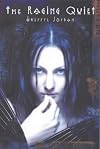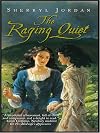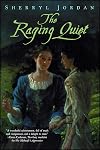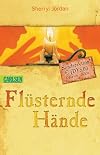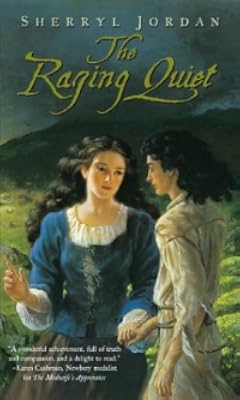
The Raging Quiet
by Sherryl Jordan
On This Page
Description
Suspicious of sixteen-year-old Marnie, a newcomer to their village, the residents accuse her of witchcraft when she discovers that the village madman is not crazy but deaf and she begins to communicate with him through hand gestures.Tags
Recommendations











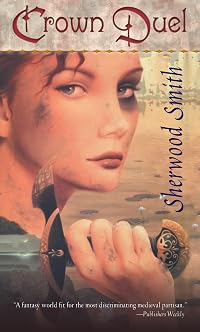
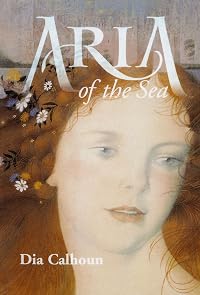
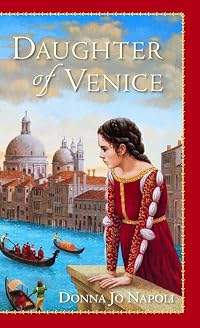


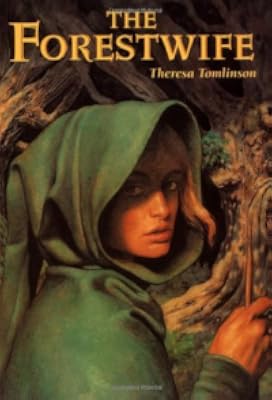



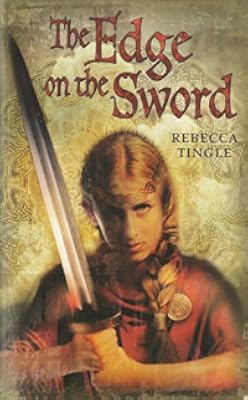
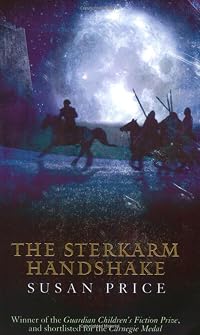

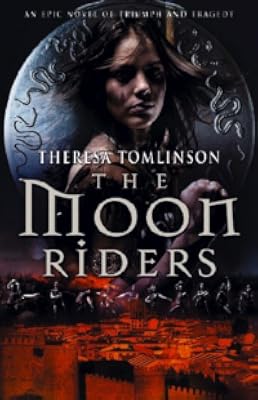
Member Recommendations
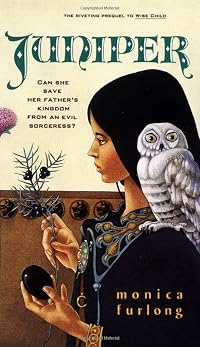
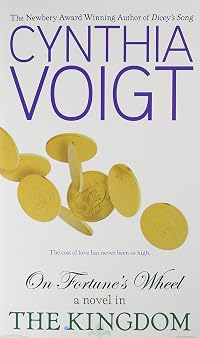
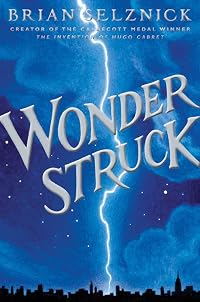
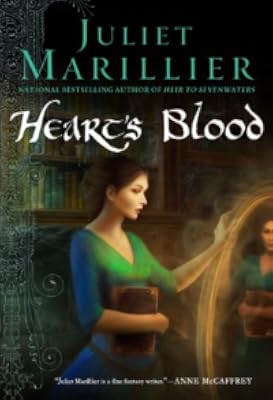
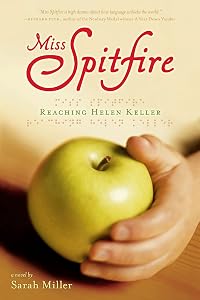
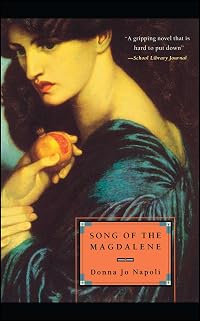
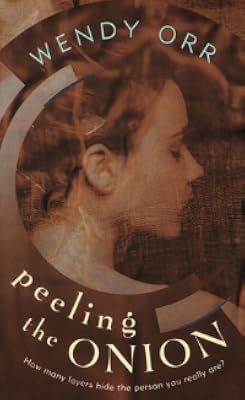
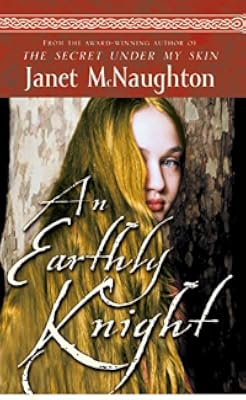
MissyAnn Similar time period, both have strong female main characters
Member Reviews
This tale belongs to any time, even our own; it is about prejudice and it owner, and a young woman wrongly accused, who is guilty of only one thing—the unforgivable crime of being different.
Oh, moon-good beautiful. The abuse and pain of both Marnie and Raven are written so viscerally that, as headstrong and difficult as the characters may be, their innocence and vulnerability in society and circumstance so cruelly set against them make them people the reader yearns to see happy.
I love how Raven's deafness is portrayed here: he is seemingly impertinent and wild in not behaving 'normally', until it is discovered that the problem is not, in fact, in him, but rather in everyone else's ignorance of his inability to hear, and in his lack of show more a way to understand the hearing world in their abandonment of him. Thereafter, Marnie's patience and generosity in trying to give Raven a language he can see, and Raven's protectiveness of her and his boundless excitement, gradually develops into a quiet and fierce connection of souls.
The priest is also a beautifully-written character. Acting as an adopted father for what are essentially two orphans, he gives them food, and protection, and hope, and is also unexpectedly funny to boot.
Some of what happens in The Raging Quiet are difficult to read and leave a bitter aftertaste (and it certainly doesn't wait long to get into it), but the rawness of the more horrific scenes is countered by the sweetness of the characters and the tender care they have for each other.
Not stupid, he said. I know the word. Slowly, he put his hand over his face, his fingers slightly spread, so he could just look through. Not bad afraid, he said. Soft-afraid. Like a little bird when I hold out food to it. It wants to come, and it wants to fly away. Soft-afraid.
Overall, I hadn't expected to enjoy it so much, but this book was certainly a pleasant surprise. I'd recommend this to anyone who, like me, isn't usually fond of historical fiction! show less
Oh, moon-good beautiful. The abuse and pain of both Marnie and Raven are written so viscerally that, as headstrong and difficult as the characters may be, their innocence and vulnerability in society and circumstance so cruelly set against them make them people the reader yearns to see happy.
I love how Raven's deafness is portrayed here: he is seemingly impertinent and wild in not behaving 'normally', until it is discovered that the problem is not, in fact, in him, but rather in everyone else's ignorance of his inability to hear, and in his lack of show more a way to understand the hearing world in their abandonment of him. Thereafter, Marnie's patience and generosity in trying to give Raven a language he can see, and Raven's protectiveness of her and his boundless excitement, gradually develops into a quiet and fierce connection of souls.
The priest is also a beautifully-written character. Acting as an adopted father for what are essentially two orphans, he gives them food, and protection, and hope, and is also unexpectedly funny to boot.
Some of what happens in The Raging Quiet are difficult to read and leave a bitter aftertaste (and it certainly doesn't wait long to get into it), but the rawness of the more horrific scenes is countered by the sweetness of the characters and the tender care they have for each other.
Not stupid, he said. I know the word. Slowly, he put his hand over his face, his fingers slightly spread, so he could just look through. Not bad afraid, he said. Soft-afraid. Like a little bird when I hold out food to it. It wants to come, and it wants to fly away. Soft-afraid.
Overall, I hadn't expected to enjoy it so much, but this book was certainly a pleasant surprise. I'd recommend this to anyone who, like me, isn't usually fond of historical fiction! show less
4.5
I never imagined I would enjoy this as much as I did. This book has been on my mental TBR list long before I even had a goodreads account, basically because it seems that everyone who reads it recommends it to me and yet it's taken me so long to get around to it. I would guess [b:The Raging Quiet|118754|The Raging Quiet|Sherryl Jordan|http://photo.goodreads.com/books/1171758096s/118754.jpg|114329] struggles to find an audience when historical fiction is not a very popular YA genre to start with, and the ones that are feature corsets and affairs - like an 18th century Gossip Girl. Just to note, technically this is also a fantasy novel because Torcurra is fictional, but apart from place names there's no reason why this couldn't be show more regular historical fiction.
One of the first things I noticed and loved about this novel was the setting. It's a very cold, dark, pastoral and gothically beautiful place. It reminded me a lot of [b:Wuthering Heights|6185|Wuthering Heights|Emily Brontë|http://photo.goodreads.com/books/1255584435s/6185.jpg|1565818] with that sense of isolation and wilderness, I loved how completely imaginable it was without even having to be big on the descriptions.
The tale is about two outsiders - Marnie and Raven - and how they come to develop an understanding of one another. Marnie arrives in Tocurra with her new and much older husband who she has married to save her family from poverty and who also tells her she will "learn to like it" after he more or less rapes her. Raven is the village madman - believed so because he is actually deaf - and the locals attempt to whip the demons out of him. Marnie first comes under suspicion of foul play when her husband falls to his death, a suspicion that only grows when her and Raven develop a sign language to communicate by. And trust me, this isn't the time or place to be suspected of witchcraft.
This is a novel that will tear up your heart and send your emotions into overdrive. It's horrifying to read some of the things done to young women who were accused of being witches, this book may be labelled "fantasy", but the rituals are entirely real. It's frustrating too, so many times I wanted to yell at the unfairness of it all - imagine an infected wound being a symbol that God is marking your guilt of witchiness!
But, in the end, this is also a very sweet and touching novel about two people who don't fit in finding their own little world together, their own way of living that suits them both, others be damned. I was moved by it and I think it will be hard to find a reader who isn't. show less
Raging Quiet highlights the prejudices and ignorance of people when they are confronted with those who are different. Although set in the past the concepts are equally applicable in the 21st century.
A young Marnie is spurned by her friends and relatives because of rumours relating to her morality. A short marriage and Marnie is left to fend for herself against the townsfolk prejudices in the village to which she moved. The only friends she finds are the local priest and the ‘mad’ boy. Anymore will spoil the plot; enjoy the read.
A young Marnie is spurned by her friends and relatives because of rumours relating to her morality. A short marriage and Marnie is left to fend for herself against the townsfolk prejudices in the village to which she moved. The only friends she finds are the local priest and the ‘mad’ boy. Anymore will spoil the plot; enjoy the read.
Tauranga writer Sherryl Jordan has crafted a sensitive medieval love story in The Raging Quiet. The protagonist, sixteen year old Marnie, arrives at the seaside village of Torcurra with her new and much older husband in time to see the local 'halfwit' being whipped. ‘The afternoon Marnie came to Torcurra, the villagers were whipping the devils out of a mad boy’ (Jordan, 2003). Marnie has married to save her family from poverty, but the marriage lasts only two days when her new husband is killed in a fall whilst thatching the roof of their tumbledown old cottage. The villagers are suspicious of her and talk of witchcraft ensues. These prejudices are further reinforced when she befriends the 'halfwit' Raven. She realises that he is show more not mad, just deaf, and proceeds to communicate with him by inventing and using her own sign language. ‘She’s a witch father. She’s laid a spell on Raven, and put him and his devils under her power. She makes magic in the air with her hands, and commands him in ways that aren’t natural, and he obeys’ (Jordan, 2003). Sherryl Jordan has worked with profoundly deaf children in New Zealand schools, so has a natural affinity with Marnie as she tries to teach Raven to communicate. She describes this so well that it should make a great contribution to the listeners understanding of the deaf and mute among us.
The kindhearted village priest takes the widow under his wing. ‘”I wonder what she did wrong”, said Marnie, “to be tried as a witch, and burned”. “Probably little, beyond being different”, said the priest. “But being different is a terrible crime to be guilty of”’ (Jordan, 2003). The priest defends Marnie to the villagers, but to no avail. Accusations of witchcraft ensue and Marnie must endure the torture of a witch’s trial ‘She clenched her teeth against it, defying it, fighting the screams that rose, gurgling and desperate, in her throat; and she lifted the bar and took the first step’ (Jordan, 2003). show less
The kindhearted village priest takes the widow under his wing. ‘”I wonder what she did wrong”, said Marnie, “to be tried as a witch, and burned”. “Probably little, beyond being different”, said the priest. “But being different is a terrible crime to be guilty of”’ (Jordan, 2003). The priest defends Marnie to the villagers, but to no avail. Accusations of witchcraft ensue and Marnie must endure the torture of a witch’s trial ‘She clenched her teeth against it, defying it, fighting the screams that rose, gurgling and desperate, in her throat; and she lifted the bar and took the first step’ (Jordan, 2003). show less
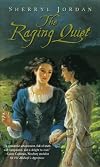
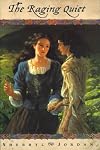
With no prior knowledge of what the book was about, I bought it, thinking that the cover was beautiful. And I was thankful I did because the story was just as beautiful and haunting.The raging quiet, while the timeline is not clearly mentioned in the book, is obviously set in the medieval times. The story starts out when a comely young girl, Marnie, marries an older man and moved to a village called Torcurra. There, she meets Raven who is said to be mad and possessed by the devil. The denizens of Tocrurra have always been a suspicious bunch and more so, when Marnie's husband dies two days later. She eventually befriends Raven, and finds out that the uncanny noises he makes are not due to the fact that he's mad but because of his show more deafness. As Marnie develops a rudimentary sign language to communicate with Raven, the villagers accuse her of witchcraft. And hence, her trepidation begins...One of the aspects which made the book compelling is the characters. They were beautifully woven and portrayed. Marnie, in my opinion, is one of the best heroine created in fiction. She's kind, independent, practical and above all, a loving soul. She understands and sympathizes with others; at the same time, does not come off as another Mary sue. Raven, the mad boy, with his slightly wild streak is also a great character. I liked him because of his unspoiled and pure nature, even after all the things the villagers had done to him. His perseverance is mighty encouraging. Let's not forget, Father Brannan, another witty and engaging character that should not be missed!I loved the simple, and vivid writing. I don't know how the author had managed to grab my attention from the first page until the last but she did and it must be because of her masterful storytelling. As you can guess, this novel has officially become one of my favourites.That being said, I'd highly recommend the book if you're looking for an enchanting read that would transport you to another era. show less
This novel started well, but ended disappointingly. Set in the Middle Ages, "The Raging Quiet" effectively brings to life much of the atmosphere of that time in its attention to details.
Sixteen-year-old Marnie has married the widower second son of the lord of the estate where her large family lives, a man much older than herself, in order to save her family from destitution. Marnie and her husband Isake leave the estate for the coastal town of Torcurra, where they arrive at a crumbling cottage that Isake says is quite valuable. However, the townspeople of Torcurra think Isake's grandmother, who they burned as a witch for being a king's mistress, cursed the cottage. Her husband's drunken advances on her repel Marnie. When he is killed in show more an accident two days after their marriage, she is more relieved than upset. Some of her words and actions make a few villagers think Marnie murdered Isake.
Marnie's only friends are the village priest, Father Brannan, and the village madman, a boy not much older than herself called Raver, who she renames Raven. The townspeople think Raven's rantings are signs he is possessed by the devil. Marnie soon discovers he is deaf, and finds a way to communicate with him with hand signals. However, when the villagers see the transformation in Raven, the puzzling hand signs, and spy on their other unusual behaviors, they accuse Marnie of witchcraft. Isake's younger brother, who now wants the cottage, eggs them on. Marnie is forced to undergo the harrowing trial by hot iron, which is described in historically authentic detail.
The novel has much in its favor, particularly the portrayals of tolerance by the main characters (Marnie, Raven, and Father Brannan) and intolerance by most of the townspeople and other minor characters.
However, an unnecessary premarital sex scene between Marnie and Raven near the end of the book spoiled it all for me. As the parent of teenagers, I don't think the message needs to be sent that sex is okay as long as you are in love (even Father Brannan jokes about it!), especially to the impressionable twelve-year-olds targeted by the book. The book is more appropriate for more mature fifteen to eighteen year olds. Reader warning: some nudity and sex. show less
Sixteen-year-old Marnie has married the widower second son of the lord of the estate where her large family lives, a man much older than herself, in order to save her family from destitution. Marnie and her husband Isake leave the estate for the coastal town of Torcurra, where they arrive at a crumbling cottage that Isake says is quite valuable. However, the townspeople of Torcurra think Isake's grandmother, who they burned as a witch for being a king's mistress, cursed the cottage. Her husband's drunken advances on her repel Marnie. When he is killed in show more an accident two days after their marriage, she is more relieved than upset. Some of her words and actions make a few villagers think Marnie murdered Isake.
Marnie's only friends are the village priest, Father Brannan, and the village madman, a boy not much older than herself called Raver, who she renames Raven. The townspeople think Raven's rantings are signs he is possessed by the devil. Marnie soon discovers he is deaf, and finds a way to communicate with him with hand signals. However, when the villagers see the transformation in Raven, the puzzling hand signs, and spy on their other unusual behaviors, they accuse Marnie of witchcraft. Isake's younger brother, who now wants the cottage, eggs them on. Marnie is forced to undergo the harrowing trial by hot iron, which is described in historically authentic detail.
The novel has much in its favor, particularly the portrayals of tolerance by the main characters (Marnie, Raven, and Father Brannan) and intolerance by most of the townspeople and other minor characters.
However, an unnecessary premarital sex scene between Marnie and Raven near the end of the book spoiled it all for me. As the parent of teenagers, I don't think the message needs to be sent that sex is okay as long as you are in love (even Father Brannan jokes about it!), especially to the impressionable twelve-year-olds targeted by the book. The book is more appropriate for more mature fifteen to eighteen year olds. Reader warning: some nudity and sex. show less
This sweet, teen romance begins with an unfortunate marriage. Marnie, sixteen, is wed to a younger son of a lord in a deal to provide for her family. Unfortunately, two days later, her husband falls to his death. Unfriendly villagers already thinks she is a witch when she begins teaching the village madman, who turns out to be deaf, to speak with his hands. While somewhat superficial for historical fiction (the book is not grounded in a certain time or place) and some elements a stretch to believe (Marnie and Raven communicate some complex thoughts through their brand new language in very little time), these are only small flaws in an extremely satisfying read. Better than the average teen romance, the Raging Quiet offers a slowly show more developed romance between characters that earn a readers affection. In the right context this book could lead to discussion about how outsiders are treated, social norms, and relationships. Some reviews place this book at 12 and up and it would definitely be at home in the teen section of a public library. However, with a trial by ordeal and some sex (consensual and non) some parents will be uncomfortable with junior high students reading this book. While these scenes are not particularly graphic or descriptive, this book might find a better fit in high school libraries. show less
Members
- Recently Added By
Lists

KayStJ's to-read list
1,616 works; 11 members

Top 100 NZ Children's Books
100 works; 1 member
Author Information

34+ Works 2,658 Members
Awards and Honors
Awards
Distinctions
Common Knowledge
- Original publication date
- 1999
- People/Characters
- Marnie; Raven; Father Brannon
- Dedication
- For Lee, whose love, patience, and support make this, andall my stories, possible; and for Kym, who, like Marnie, is a woman of courage.
With my love - First words
- The afternoon Marnie came to Torcurra, the villagers were whipping the devils out of a mad boy.
- Last words
- (Click to show. Warning: May contain spoilers.)Raven drove the horse up on to the inland road, and they passed the last grim houses, and the stony field with its unused whipping post; and on they went, away from Torcurra, toward the shining hills.
Classifications
- Genres
- Fiction and Literature, Teen, Young Adult
- DDC/MDS
- 823.914 — Literature & rhetoric English & Old English literatures English fiction 1900- 1901-1999 1945-1999
- LCC
- PZ7 .J7684 .R — Language and Literature Fiction and juvenile belles lettres Fiction and juvenile belles lettres Juvenile belles lettres
- BISAC
Statistics
- Members
- 725
- Popularity
- 38,925
- Reviews
- 19
- Rating
- (4.16)
- Languages
- Dutch, English, German
- Media
- Paper, Audiobook
- ISBNs
- 25
- ASINs
- 4