On This Page
Description
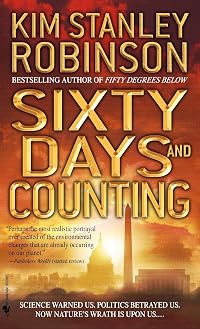
By the time Phil Chase is elected president, the world's climate is far on its way to irreversible change. Food scarcity, housing shortages, diminishing medical care, and vanishing species are just some of the consequences. The erratic winter the Washington, D.C., area is experiencing is another grim reminder of a global weather pattern gone haywire: bone-chilling cold one day, balmy weather the next. But the president-elect remains optimistic and doesn't intend to give up without a fight. A show more maverick in every sense of the word, Chase starts organizing the most ambitious plan to save the world from disaster since FDR--and assembling a team of top scientists and advisers to implement it. For Charlie Quibler, this means reentering the political fray full-time and giving up full-time care of his young son, Joe. For Frank Vanderwal, hampered by a brain injury, it means trying to protect the woman he loves from a vengeful ex and a rogue "black ops" agency not even the president can control--a task for which neither Frank's work at the National Science Foundation nor his study of Tibetan Buddhism can prepare him. In a world where time is running out as quickly as its natural resources, where surveillance is almost total and freedom nearly nonexistent, the forecast for the Chase administration looks darker each passing day. For as the last--and most terrible--of natural disasters looms on the horizon, it will take a miracle to stop the clock ... the kind of miracle that only dedicated men and women can bring about. show lessTags
Recommendations







Member Reviews
Stan is an elegant writer. I will keep reading long after I should be in bed because I am caught up in his descriptions of rocks and trees and forests. BUT (and this is a big, flashing neon "but" of 60,000 watts), he is also a socialist with a Utopian vision of human behavior. One of his protagonists is a White House science adviser who lives in his VW van when he is not living in a tree house in Rock Creek Park. He eventually ends up as a squatter, foraging for food in dumpsters and sharing communal meals of dubious provenience. Wouldn't the Secret Service have a really, really hard time giving this idiot a White House guest pass much less a White House security clearance? Isn't anyone else skeptical of the fact that none of his show more squatter friends have a drug problem, a violence problem, or a sexual addiction?
Moreover the newly elected President advocates government control of energy and food production with full health care and full employment for all. His approval rating keeps rising even if there are devastating floods, food shortages and power blackouts on a regular basis. I do believe that government is necessary for social justice, but I also know that the government is also responsible for long lines at government offices like the DMV, the lack of new energy plants and oil refineries, and the antiquated Air Traffic Control System which costs the airlines billions in wasted fuel every year.
If all people were as selfless as his protagonists, then possibly they would live in a world as Robinson describes, but I have not seen many families who would choose to live in a Buddhist commune in a treehouse with a teenager and and ADHD toddler just to reduce their carbon footprint. Although I enjoy his writing, his perspective on human behavior is so far on the end of the altruistic bell shaped curve as to make them unrealistic as human beings. show less
Moreover the newly elected President advocates government control of energy and food production with full health care and full employment for all. His approval rating keeps rising even if there are devastating floods, food shortages and power blackouts on a regular basis. I do believe that government is necessary for social justice, but I also know that the government is also responsible for long lines at government offices like the DMV, the lack of new energy plants and oil refineries, and the antiquated Air Traffic Control System which costs the airlines billions in wasted fuel every year.
If all people were as selfless as his protagonists, then possibly they would live in a world as Robinson describes, but I have not seen many families who would choose to live in a Buddhist commune in a treehouse with a teenager and and ADHD toddler just to reduce their carbon footprint. Although I enjoy his writing, his perspective on human behavior is so far on the end of the altruistic bell shaped curve as to make them unrealistic as human beings. show less
Laatste deel van de trilogie, waarbij nu CO2-uitstoot (en bijkomende opwarming) een belangrijke rol speelt en dus de temperatuur op aarde enorm zal/kan beïnvloeden, zoals het smelten van de poolkappen en hoe dat enorme gevolgen heeft qua stijging van de zeespiegel, enz... Verschillende voorstellen worden uitgedokterd (o.a. water verpompen om het smelten tegen te gaan, droge landstukken weer met water vullen, ...), zonder echt te weten wat de gevolgen op (lange) termijn zullen zijn.
Ook speelt Frank Vanderwal nog steeds een hoofdrol, net als zijn nieuwe vriendin Caroline (geheime dienst), die moet onderduiken want in levensgevaar voor de kwaaie bedoelingen van haar man. Intussen speelt ze wel bewijsmateriaal voor de stemvervalsing van de show more verkiezingen door aan Frank, die dat op zijn beurt aan zijn collega's doorgeeft voor onderzoek. En zo komt er nog meer aan het licht, o.a. hoeveel geheime diensten er wel niet bestaan (en hoe het eigenlijk een zootje is). Frank zelf is ook in gevaar, wordt ook gevolgd in zijn doen en laten. Dat drijft hem zover dat hij de Tibetanen (Khembalung) verlaat - hij heeft er wel een hele tijd gewoond, ook helpen de nieuwe locatie in te richten (boomhut en zo) - en bij zijn makkers in het bos (eerder de krakers) gaat overnachten. Hij verkocht zelfs z'n busje om een ouder VW-busje te kopen en die op te knappen. Kwestie van iets anoniemer de baan op te zijn. Zijn boomhut was intussen toch vernield door het team van Cooper (man van Caroline).
De korstmossen van Yann Pierzinski en Marta (Franks ex) zijn zo goed dat ze zich in een onverwacht grote mate verspreiden. Ze zijn bijna té goed. Wat dat voor gevolgen heeft/zal hebben, kunnen ze niet voorspellen, want ze hadden niet op een dergelijke groei gerekend.
USA en China zijn in gesprekken inzake verbetering van het milieu en dus reductie van de CO2-uitstoot, evenals oplossingen voor schonere energie (= sluiting kolencentrales), met behulp van de Navy. Elektriciteitsproblemen zijn er nog steeds in Amerika (gelukkig zijn er generatoren). Charlie Quibler heeft het drukker dan ooit, maar vindt dat z'n jongste zoon, Joe, na de geestenuitdrijving door de Tibetanen, niet meer de spontane deugniet is. Vandaar dat Charlie vraagt om de betrokken geest te laten terugkeren zodat Joe weer de deugniet wordt ipv een iets kalmere versie. En zo kan Charlie dan weer aan thuiswerk doen, hoewel dat niet volgens de zin van president Phil Chase is, gezien de belangrijke milieukwesties die hoogdringend dienen aangepakt te worden.
Lang verhaal kort: het wordt spannender en spannender en alles komt uiteindelijk wel op z'n pootjes terecht. Zoals voorheen wordt elk deel geïntroduceerd door een tekst met spirituele dan wel wetenschappelijke inhoud (op vertelwijze, dus geen droge afhaspeling van feiten e.d.). Wel dienen er zich enkele typfouten aan, zoals nsf ipv NSF en dergelijke kleine dingetjes. Op zich niet erg, maar je kunt er niet naast kijken. Ook staat er weer heel wat filosofisch spul in van Emerson en Thoreau. Verder vergelijkingen met oude presidenten van de USA: Roosevelt (vooral deze, want Phil Chase spiegelt zich daaraan), Lincoln, ... Een mooie mix van fictie, wetenschappelijke input en geschiedenis. Altijd leuk wanneer je iets bijleert. :-)
Zoals eerder gezegd dien je de 3 boeken als een trilogie te lezen, anders ben je niet meer in het verhaal. Als je wat science-minded bent en bezorgd (of het ligt in je interessesfeer) over het milieu, klimaatkwesties, ... dan is deze trilogie zeker een aanrader, wat mij betreft. Misschien niet Kim Stanley Robinsons beste serie, maar zeker de moeite. Tot slot is het ook een betoog tegen het kapitalisme dat de wereld al tientallen jaren in z'n greep houdt.
Dit waren m'n eerste KSR-boeken en ik ga zeker andere van zijn werken lezen. show less
Ook speelt Frank Vanderwal nog steeds een hoofdrol, net als zijn nieuwe vriendin Caroline (geheime dienst), die moet onderduiken want in levensgevaar voor de kwaaie bedoelingen van haar man. Intussen speelt ze wel bewijsmateriaal voor de stemvervalsing van de show more verkiezingen door aan Frank, die dat op zijn beurt aan zijn collega's doorgeeft voor onderzoek. En zo komt er nog meer aan het licht, o.a. hoeveel geheime diensten er wel niet bestaan (en hoe het eigenlijk een zootje is). Frank zelf is ook in gevaar, wordt ook gevolgd in zijn doen en laten. Dat drijft hem zover dat hij de Tibetanen (Khembalung) verlaat - hij heeft er wel een hele tijd gewoond, ook helpen de nieuwe locatie in te richten (boomhut en zo) - en bij zijn makkers in het bos (eerder de krakers) gaat overnachten. Hij verkocht zelfs z'n busje om een ouder VW-busje te kopen en die op te knappen. Kwestie van iets anoniemer de baan op te zijn. Zijn boomhut was intussen toch vernield door het team van Cooper (man van Caroline).
De korstmossen van Yann Pierzinski en Marta (Franks ex) zijn zo goed dat ze zich in een onverwacht grote mate verspreiden. Ze zijn bijna té goed. Wat dat voor gevolgen heeft/zal hebben, kunnen ze niet voorspellen, want ze hadden niet op een dergelijke groei gerekend.
USA en China zijn in gesprekken inzake verbetering van het milieu en dus reductie van de CO2-uitstoot, evenals oplossingen voor schonere energie (= sluiting kolencentrales), met behulp van de Navy. Elektriciteitsproblemen zijn er nog steeds in Amerika (gelukkig zijn er generatoren). Charlie Quibler heeft het drukker dan ooit, maar vindt dat z'n jongste zoon, Joe, na de geestenuitdrijving door de Tibetanen, niet meer de spontane deugniet is. Vandaar dat Charlie vraagt om de betrokken geest te laten terugkeren zodat Joe weer de deugniet wordt ipv een iets kalmere versie. En zo kan Charlie dan weer aan thuiswerk doen, hoewel dat niet volgens de zin van president Phil Chase is, gezien de belangrijke milieukwesties die hoogdringend dienen aangepakt te worden.
Lang verhaal kort: het wordt spannender en spannender en alles komt uiteindelijk wel op z'n pootjes terecht. Zoals voorheen wordt elk deel geïntroduceerd door een tekst met spirituele dan wel wetenschappelijke inhoud (op vertelwijze, dus geen droge afhaspeling van feiten e.d.). Wel dienen er zich enkele typfouten aan, zoals nsf ipv NSF en dergelijke kleine dingetjes. Op zich niet erg, maar je kunt er niet naast kijken. Ook staat er weer heel wat filosofisch spul in van Emerson en Thoreau. Verder vergelijkingen met oude presidenten van de USA: Roosevelt (vooral deze, want Phil Chase spiegelt zich daaraan), Lincoln, ... Een mooie mix van fictie, wetenschappelijke input en geschiedenis. Altijd leuk wanneer je iets bijleert. :-)
Zoals eerder gezegd dien je de 3 boeken als een trilogie te lezen, anders ben je niet meer in het verhaal. Als je wat science-minded bent en bezorgd (of het ligt in je interessesfeer) over het milieu, klimaatkwesties, ... dan is deze trilogie zeker een aanrader, wat mij betreft. Misschien niet Kim Stanley Robinsons beste serie, maar zeker de moeite. Tot slot is het ook een betoog tegen het kapitalisme dat de wereld al tientallen jaren in z'n greep houdt.
Dit waren m'n eerste KSR-boeken en ik ga zeker andere van zijn werken lezen. show less
this is the last of Robinson's series on the climate change debate. His characters all have their lives somewhat in order, though I can't see how his minimalist character could have summoned the mental energy to conduct his mental life. I've lived in a tent for the summer, and after a while I had the mental resources of a gerbil.
But it's a good piece of dystopia, and should be read by more people who blithely assume that "Fracking" has solved the energy crisis. At best, we got a trade off of another fifteen years of liquid oil in return for a permanently (by man's standards, say 1500 years) damaged aquifer / water table system. And, more earthquakes will also result.
But it's a good piece of dystopia, and should be read by more people who blithely assume that "Fracking" has solved the energy crisis. At best, we got a trade off of another fifteen years of liquid oil in return for a permanently (by man's standards, say 1500 years) damaged aquifer / water table system. And, more earthquakes will also result.
I wanted to like this concluding volume of Robinson's trilogy more than I did--in fact, parts were very good. What holds me back and reduces my rating is primarily the naive politics, often expressed in unbelievable blog "chats" by the President of the US. The conspiracy suspense story is fun and exciting. The "domestic" drama of a father trying to do right by his young sons also good. The science in the science fiction is plausible and the effects of global climate change all-too likely. Then there is the unlikely resolution to all-things China that spoils much of the end of the book. I do like the weaving of Buddhism, science, and real politik. And the characters are complex and interesting.
Kim Stanley Robinson's Science in the Capitol trilogy concludes with Sixty Days and Counting. For years, Robinson has been pushing the boundaries of science fiction broader and broader into the world of mainstream fiction. This latest series by him is less typical science fiction, but more of a political and sociological study. In fact, there more science in his fiction that most other books of the genre.
Robinson's books are rarely the gripping, thrill-inducing page-turners that some people enjoy. Rather, they are often methodical, leisurely-paced thought-provoking character-driven stories. That's not to say they don't have their climactic sections though. The difference is that Robinson's work doesn't always build itself up over the show more final hundred pages, only to resolve itself unsatisfactorily. Sixty Days and Counting is no different, though maybe a bit less exciting than his other works.
The novel picks up the story of Frank Vanderwal, Charlie Quibler, and a few other interesting characters, on their quest to fix the world's environmental problems. In Sixty Days and Counting, Phil Chase has been elected President and plans to bring the world's climate problems to the forefront of the government's agenda. Indeed, Chase is depicted as a President who gets things done--a rarity in today's Washington.
Unfortunately Robinson uses Sixty Days and Counting as a platform to make a political statement, somewhat tarnishing the originality of the plot. Though vague and unspecific, there are clearly indications that Robinson is unhappy with the current Administration and its actions. His message will quickly become dated, however, as years from now, readers will think nothing of it, since it's the current situation that makes his message clear. Nevertheless, it's slightly disappointing.
Of the three books in the series, Sixty Days and Counting feels like the weakest. The story resolves many of the plot elements brought up on the previous book, Forty Signs of Rain. However, the radical projects that are begun in this novel seem to happen a little too easily. Though not impossible, the idea that the whole world would jump to assist in essentially terraforming our own planet seems a bit unrealistic--sadly. Robinson shows us just what is possible, were everyone to try to put our energy and focus toward projects that would help all of humanity. Unfortunately, we live in a world where the actual possibility of these things occurring is slim. Then again, that's what good fiction is designed to do: make people reevaluate their opinions or views, which Sixty Days and Counting and all of Robinson's other works accomplish ably.
Though not his best work, Robinson spins an elegant, intelligent, and persuasive tale that's highly recommended for any fan of his writing. show less
Robinson's books are rarely the gripping, thrill-inducing page-turners that some people enjoy. Rather, they are often methodical, leisurely-paced thought-provoking character-driven stories. That's not to say they don't have their climactic sections though. The difference is that Robinson's work doesn't always build itself up over the show more final hundred pages, only to resolve itself unsatisfactorily. Sixty Days and Counting is no different, though maybe a bit less exciting than his other works.
The novel picks up the story of Frank Vanderwal, Charlie Quibler, and a few other interesting characters, on their quest to fix the world's environmental problems. In Sixty Days and Counting, Phil Chase has been elected President and plans to bring the world's climate problems to the forefront of the government's agenda. Indeed, Chase is depicted as a President who gets things done--a rarity in today's Washington.
Unfortunately Robinson uses Sixty Days and Counting as a platform to make a political statement, somewhat tarnishing the originality of the plot. Though vague and unspecific, there are clearly indications that Robinson is unhappy with the current Administration and its actions. His message will quickly become dated, however, as years from now, readers will think nothing of it, since it's the current situation that makes his message clear. Nevertheless, it's slightly disappointing.
Of the three books in the series, Sixty Days and Counting feels like the weakest. The story resolves many of the plot elements brought up on the previous book, Forty Signs of Rain. However, the radical projects that are begun in this novel seem to happen a little too easily. Though not impossible, the idea that the whole world would jump to assist in essentially terraforming our own planet seems a bit unrealistic--sadly. Robinson shows us just what is possible, were everyone to try to put our energy and focus toward projects that would help all of humanity. Unfortunately, we live in a world where the actual possibility of these things occurring is slim. Then again, that's what good fiction is designed to do: make people reevaluate their opinions or views, which Sixty Days and Counting and all of Robinson's other works accomplish ably.
Though not his best work, Robinson spins an elegant, intelligent, and persuasive tale that's highly recommended for any fan of his writing. show less
This is the third book in a trilogy about climate change. I think one could read this book without having read the first two but it would probably be very frustrating. So I would recommend that you read this after Forty Signs of Rain and Fifty Degrees Below.
This book starts just after the presidential election in the US in which Phil Chase, the charismatic Senator from the first two books, was elected after running on a platform that included a promise to do something about climate change. He asks Diane Chang, head of the National Science Foundation, to be his Science Advisor and Diane asks Frank Vanderwal to transfer to the new office along with her. Anna Quibler decides to stay with NSF but Charley Quibler has to actually work from show more the White House instead of staying home with Joe. And so they start working on some of the pressing environmental issues including doing something about the rise in ocean level.
I don't think it is a spoiler to say that there are no easy solutions but Chase and his team have some innovative ideas. Mixed in with this (which would make for a rather tedious read) is some romance and some skulduggery and some Buddhism. The first book of Kim Stanley Robinson's that I read, The Years of Rice and Salt, dealt with Eastern religion and philosophy so it is obvious that he is quite interested in that area. The Khembalis play a minor role in this trilogy but I really enjoyed their participation. The quotes from Emerson and Thoreau that Frank reads every day were less of a hit with me but it did make me feel that I really should read Walden some time.
I wish the real world leaders were as proactive as Phil Chase and his team. I hope there is a future for the next few generations but I don't think people are as concerned as they should be. As an example, I finished reading this book while camping at Birds Hill Park but my enjoyment of being out in nature was considerably diminished by the generator next door being run. If it is hard for people to give up their comforts for two days imagine the backlash if they were made to do without for years. It may take a crisis to wake people up and maybe by then it will be too late. show less
This book starts just after the presidential election in the US in which Phil Chase, the charismatic Senator from the first two books, was elected after running on a platform that included a promise to do something about climate change. He asks Diane Chang, head of the National Science Foundation, to be his Science Advisor and Diane asks Frank Vanderwal to transfer to the new office along with her. Anna Quibler decides to stay with NSF but Charley Quibler has to actually work from show more the White House instead of staying home with Joe. And so they start working on some of the pressing environmental issues including doing something about the rise in ocean level.
I don't think it is a spoiler to say that there are no easy solutions but Chase and his team have some innovative ideas. Mixed in with this (which would make for a rather tedious read) is some romance and some skulduggery and some Buddhism. The first book of Kim Stanley Robinson's that I read, The Years of Rice and Salt, dealt with Eastern religion and philosophy so it is obvious that he is quite interested in that area. The Khembalis play a minor role in this trilogy but I really enjoyed their participation. The quotes from Emerson and Thoreau that Frank reads every day were less of a hit with me but it did make me feel that I really should read Walden some time.
I wish the real world leaders were as proactive as Phil Chase and his team. I hope there is a future for the next few generations but I don't think people are as concerned as they should be. As an example, I finished reading this book while camping at Birds Hill Park but my enjoyment of being out in nature was considerably diminished by the generator next door being run. If it is hard for people to give up their comforts for two days imagine the backlash if they were made to do without for years. It may take a crisis to wake people up and maybe by then it will be too late. show less
...Sixty Days and Counting is the most optimistic of the three in a way, but reading it didn't make me share Robinson's optimism. In the book things get done. Despite my annoyance with the way the American political system believing the universe revolves around them (really, in that respect they can teach Wall Street a lesson) you get the sense that the characters in this novel will not let the world cook itself. We have now arrived more or less at the point in time where this novel is set, and if I look around, I still see an outrageous level of denial about the state of the planet and how much trouble we are really in. Robinson is right, we can change things if we want to. But apparently we don't. There is a good chance we'll see show more another El Niño event this year and some predictions indicate it will be a strong one. Let's hope it won't be the hyperniño described in Forty Signs of Rain. I'm beginning to wonder if in the end, that is what it will take to wake people up. I'd much prefer it if people read these books, thought about it, and not let it come to that.
Full Random Comments review show less
Full Random Comments review show less
Members
- Recently Added By
Author Information

140+ Works 49,579 Members
Kim Stanley Robinson was born in Orange County, California on March 23, 1952. He received a B. A. and Ph. D. from the University of California at San Diego and an M. A. from Boston University. His first trilogy of books, Orange County, collectively won a Nebula Award and two Hugo Awards. His other works include the Mars trilogy, 2312, and Aurora. show more He has won an Asimov Award, a World Fantasy Award, a Locus Reader's Poll Award, and a John W. Campbell Award. (Bowker Author Biography) show less
Some Editions
Series

Work Relationships
Is contained in
Common Knowledge
- Canonical title*
- 60 jours et après
- Original title
- Sixty Days and Counting
- Original publication date
- 2007-03
- People/Characters
- Frank Vanderwal; Charlie Quibler; Phil Chase; Joe Quibler; Anna Quibler; Diane (show all 8); Caroline; Wade Norton
- Important places
- Washington, D.C., USA; San Diego, California, USA
- First words
- Why do you do what you do?
- Last words
- (Click to show. Warning: May contain spoilers.)"I love you."
- Publisher's editor
- Groell, Anne Lesley
- Original language
- English
*Some information comes from Common Knowledge in other languages. Click "Edit" for more information.
Classifications
Statistics
- Members
- 845
- Popularity
- 32,575
- Reviews
- 26
- Rating
- (3.55)
- Languages
- Dutch, English, French
- Media
- Paper, Audiobook, Ebook
- ISBNs
- 10
- ASINs
- 8