On This Page
Description
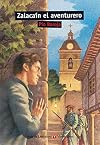
Excerpt from Zalacaín el Aventurero: Historia de las Buenas Andanzas y Fortunas de Martín Zalacaín el AventureroNA muralla de piedra, negruzca y alta U rodea a Urbia. Esta muralla sigue a lo largo del camino real, limita el pueblo por el Norte y al llegar al río se tuerce, tropie za con la iglesia, a la que coge, dejando parte del ábside fuera de su recinto, y des pués escala una altura y envuelve la ciudad por el Sur.About the PublisherForgotten Books publishes hundreds of thousands show more of rare and classic books. Find more at www.forgottenbooks.comThis book is a reproduction of an important historical work. Forgotten Books uses state-of-the-art technology to digitally reconstruct the work, preserving the original format whilst repairing imperfections present in the aged copy. In rare cases, an imperfection in the original, such as a blemish or missing page, may be replicated in our edition. We do, however, repair the vast majority of imperfections successfully; any imperfections that remain are intentionally left to preserve the state of such historical works. show lessTags
Recommendations


















Member Reviews
Despite all of the huge amount of hype this book has attained as one of the great works of Basque adventure literature, it failed to meet such high expectations. I believe one of the problems is simply because since there isn't a lot of books that take place in a Basque's POV during the 2nd Castillian War, schools selected this book because it has a wide enough appeal, quick to read and there isn't much else literary competition. If the book had taken place during the US Civil War or the great Napoleonic battles of early 1800's British fiction, it would have never gotten even a tenth of the amount of attention.
So what is the plot?
This is actually the great highlight of the story in a sort of way. Our antihero of sorts is Martín show more Zalacaín, a Basque boy from the small city of Urbia which is very close to the French border in northeastern Spain. After his mother became a widow at a young age, a woman from the old Ohando aristrocratic family allowed her to live in a guesthouse pretty much free of charge alongside the Ohando children: Carlos and Catalina.
While Martín's sister Ignacia is well... pretty much absent in the plot, our hero Martín is curious, rebellious, likes to get into fist fights with other boys and has zero interest in going to school. For pretty much zero reason he forms a lifelong disdain for Mrs's Ohando's son Carlos who is described to be a vindictive pretentious boy that believes Martín should bend his knee in gratitude (which considering he lives in his mom's house for free isn't too far from the truth).
The writing of the initial chapters falls into the same writing problems of many Victorian era books. We get a chapter that focuses on one village character that is a tad bit too drunk in the tavern that doesn't necesarily play an important role in the story, and then we get another from a gossipy villager that only appears once. The first third of the novel is quite episodic and slow, but it does offer some glimpses of how Martín's hunger for independence and adventure come from as he is educated by his Grand-uncle Miguel Tellouri. Lest to say, the old man teaches Martín a lot of useful survivor skills living in the mountains which came in handy.
After several spoiler filled events that were a tad bit too much tell and not enough show for my taste, Martín has the freedom to choose what to do with his life as the Carlista war is fast approaching. Should he become an impoverished farmer that works under one of the great families of Urbia like his father? Or perhaps become an overly idealistic foot soldier that fights for one of the two sides of the upcoming war? Martín soon decides to follow his grandfather's suggestion to remain neutral and becomes a weapons smuggler.
Martín always follows a sort of grey line between being a clever law abiding man of commerce and an honest crook, which is something that I actually liked about the writing. The middle section of the book is by far the best part which I believe was where the author had the most fun because it talks about how Martín ends up captured by a faction of Carlista zealots, or the time he gets locked up in a county jail as a sort of POW for no apparent reason and has to use his street smarts to escape. I think if a more modern movie adaptation could be made of the book, the more adventurous portions of the book could be adapted quite well.
Martín has a small group of friends he meets along the way, such as his compadre Bautista (the book never really delves into how the two best friends meet which I think was a real waste), a Carlista soldier named Briones and a peculiar man Martín constantly ends up bumping into colloquially known as "The Foreigner". I think The Foreigner would have been a better narrator of the story; he might have even toned down the excessive telling in the prose. And of course, Carlos Ohando enters and leaves Martín's life giving him nonstop trouble.
While the book excells in the adventurous chapters, it fails in other ways. Particularly when it comes to the female characters in Martín's life. Mrs's Ohando, Martín's mother, Ignacia, Catalina Ohando, a circus girl named Linda, and finally a woman Martín rescues named Rosita all interact with Martín, yet I cannot find much of a way to describe any one of them. The mother appears the least and she is probably the only character with some degree of personality. Frail, beaten under the weather and defeatist, Martín doesn't have much in common with her. And the other female characters... Mmm... the book claims Ignacia is charming and flirts with men but... um... we never have a scene where we see her misbehaving. Ignacia is just there as a sort of prop for Carlos to exploit and then she is well... not really doing much.
Catalina is supposed to be Martín's love interest, yet we don't really know anything about her. The funny irony is that even Martín has a hard time describing her. He can't even say what her eye color is or anything pertaining to her personality. It is like all of the women in the story are just mannequin props that revolve around Martín's great life adventures that can be placed back inside of the wooden chest once he has to set off town to another tavern and listen to endless songs.
And oh yes, we have songs a plenty! At first I kind of liked them because they are in Basque with nice Spanish translations, but then they became so frequent. Every chapter has at least one of them and without a full-fledged guide that talks about the historic events that are referenced in the song, it becomes sort of distracting.
One last thing I felt that was missing is a nice hand-drawn map of the 15 cities that appear over and over again in the book.
In essence, While I give props to the good chapters of the story, the book is quite a letdown when it comes to its female cast. If the book had been published today, it would have been cruelly panned by the critics. The sad irony is that I think Linda and Rosita were pretty interesting characters despite their short screen time. Was Linda sold into slavery to the circus? Rosita knew how to use a hunting rifle and didn't hesitate to use the weapon when we first meet her. Where did she learn how to shoot so well and why? Rosita's brother is a soldier so obviously she got some help. I found her to be an interesting character gone to waste. She surely had other close encounters with the war, yet we get a bunch of tavern singalong chapters instead. :/
Oh, and does anyone believe Martín exudes some Gary Stu vibes sometimes? He never had any interest in learning how to read & write growing up, but later in the book he can now read complicated military letters? Huh?
I will keep my eyes open for other Basque novels that thankfully have Spanish translations and hope I have more luck next time! show less
So what is the plot?
This is actually the great highlight of the story in a sort of way. Our antihero of sorts is Martín show more Zalacaín, a Basque boy from the small city of Urbia which is very close to the French border in northeastern Spain. After his mother became a widow at a young age, a woman from the old Ohando aristrocratic family allowed her to live in a guesthouse pretty much free of charge alongside the Ohando children: Carlos and Catalina.
While Martín's sister Ignacia is well... pretty much absent in the plot, our hero Martín is curious, rebellious, likes to get into fist fights with other boys and has zero interest in going to school. For pretty much zero reason he forms a lifelong disdain for Mrs's Ohando's son Carlos who is described to be a vindictive pretentious boy that believes Martín should bend his knee in gratitude (which considering he lives in his mom's house for free isn't too far from the truth).
The writing of the initial chapters falls into the same writing problems of many Victorian era books. We get a chapter that focuses on one village character that is a tad bit too drunk in the tavern that doesn't necesarily play an important role in the story, and then we get another from a gossipy villager that only appears once. The first third of the novel is quite episodic and slow, but it does offer some glimpses of how Martín's hunger for independence and adventure come from as he is educated by his Grand-uncle Miguel Tellouri. Lest to say, the old man teaches Martín a lot of useful survivor skills living in the mountains which came in handy.
After several spoiler filled events that were a tad bit too much tell and not enough show for my taste, Martín has the freedom to choose what to do with his life as the Carlista war is fast approaching. Should he become an impoverished farmer that works under one of the great families of Urbia like his father? Or perhaps become an overly idealistic foot soldier that fights for one of the two sides of the upcoming war? Martín soon decides to follow his grandfather's suggestion to remain neutral and becomes a weapons smuggler.
Martín always follows a sort of grey line between being a clever law abiding man of commerce and an honest crook, which is something that I actually liked about the writing. The middle section of the book is by far the best part which I believe was where the author had the most fun because it talks about how Martín ends up captured by a faction of Carlista zealots, or the time he gets locked up in a county jail as a sort of POW for no apparent reason and has to use his street smarts to escape. I think if a more modern movie adaptation could be made of the book, the more adventurous portions of the book could be adapted quite well.
Martín has a small group of friends he meets along the way, such as his compadre Bautista (the book never really delves into how the two best friends meet which I think was a real waste), a Carlista soldier named Briones and a peculiar man Martín constantly ends up bumping into colloquially known as "The Foreigner". I think The Foreigner would have been a better narrator of the story; he might have even toned down the excessive telling in the prose. And of course, Carlos Ohando enters and leaves Martín's life giving him nonstop trouble.
While the book excells in the adventurous chapters, it fails in other ways. Particularly when it comes to the female characters in Martín's life. Mrs's Ohando, Martín's mother, Ignacia, Catalina Ohando, a circus girl named Linda, and finally a woman Martín rescues named Rosita all interact with Martín, yet I cannot find much of a way to describe any one of them. The mother appears the least and she is probably the only character with some degree of personality. Frail, beaten under the weather and defeatist, Martín doesn't have much in common with her. And the other female characters... Mmm... the book claims Ignacia is charming and flirts with men but... um... we never have a scene where we see her misbehaving. Ignacia is just there as a sort of prop for Carlos to exploit and then she is well... not really doing much.
Catalina is supposed to be Martín's love interest, yet we don't really know anything about her. The funny irony is that even Martín has a hard time describing her. He can't even say what her eye color is or anything pertaining to her personality. It is like all of the women in the story are just mannequin props that revolve around Martín's great life adventures that can be placed back inside of the wooden chest once he has to set off town to another tavern and listen to endless songs.
And oh yes, we have songs a plenty! At first I kind of liked them because they are in Basque with nice Spanish translations, but then they became so frequent. Every chapter has at least one of them and without a full-fledged guide that talks about the historic events that are referenced in the song, it becomes sort of distracting.
One last thing I felt that was missing is a nice hand-drawn map of the 15 cities that appear over and over again in the book.
In essence, While I give props to the good chapters of the story, the book is quite a letdown when it comes to its female cast. If the book had been published today, it would have been cruelly panned by the critics. The sad irony is that I think Linda and Rosita were pretty interesting characters despite their short screen time. Was Linda sold into slavery to the circus? Rosita knew how to use a hunting rifle and didn't hesitate to use the weapon when we first meet her. Where did she learn how to shoot so well and why? Rosita's brother is a soldier so obviously she got some help. I found her to be an interesting character gone to waste. She surely had other close encounters with the war, yet we get a bunch of tavern singalong chapters instead. :/
Oh, and does anyone believe Martín exudes some Gary Stu vibes sometimes? He never had any interest in learning how to read & write growing up, but later in the book he can now read complicated military letters? Huh?
I will keep my eyes open for other Basque novels that thankfully have Spanish translations and hope I have more luck next time! show less
Despite all of the huge amount of hype this book has attained as one of the great works of Basque adventure literature, it failed to meet such high expectations. I believe one of the problems is simply because since there isn't a lot of books that take place in a Basque's POV during the 2nd Castillian War, schools selected this book because it has a wide enough appeal, quick to read and there isn't much else literary competition. If the book had taken place during the US Civil War or the great Napoleonic battles of early 1800's British fiction, it would have never gotten even a tenth of the amount of attention.
So what is the plot?
This is actually the great highlight of the story in a sort of way. Our antihero of sorts is Martín show more Zalacaín, a Basque boy from the small city of Urbia which is very close to the French border in northeastern Spain. After his mother became a widow at a young age, a woman from the old Ohando aristrocratic family allowed her to live in a guesthouse pretty much free of charge alongside the Ohando children: Carlos and Catalina.
While Martín's sister Ignacia is well... pretty much absent in the plot, our hero Martín is curious, rebellious, likes to get into fist fights with other boys and has zero interest in going to school. For pretty much zero reason he forms a lifelong disdain for Mrs's Ohando's son Carlos who is described to be a vindictive pretentious boy that believes Martín should bend his knee in gratitude (which considering he lives in his mom's house for free isn't too far from the truth).
The writing of the initial chapters falls into the same writing problems of many Victorian era books. We get a chapter that focuses on one village character that is a tad bit too drunk in the tavern that doesn't necesarily play an important role in the story, and then we get another from a gossipy villager that only appears once. The first third of the novel is quite episodic and slow, but it does offer some glimpses of how Martín's hunger for independence and adventure come from as he is educated by his Grand-uncle Miguel Tellouri. Lest to say, the old man teaches Martín a lot of useful survivor skills living in the mountains which came in handy.
After several spoiler filled events that were a tad bit too much tell and not enough show for my taste, Martín has the freedom to choose what to do with his life as the Carlista war is fast approaching. Should he become an impoverished farmer that works under one of the great families of Urbia like his father? Or perhaps become an overly idealistic foot soldier that fights for one of the two sides of the upcoming war? Martín soon decides to follow his grandfather's suggestion to remain neutral and becomes a weapons smuggler.
Martín always follows a sort of grey line between being a clever law abiding man of commerce and an honest crook, which is something that I actually liked about the writing. The middle section of the book is by far the best part which I believe was where the author had the most fun because it talks about how Martín ends up captured by a faction of Carlista zealots, or the time he gets locked up in a county jail as a sort of POW for no apparent reason and has to use his street smarts to escape. I think if a more modern movie adaptation could be made of the book, the more adventurous portions of the book could be adapted quite well.
Martín has a small group of friends he meets along the way, such as his compadre Bautista (the book never really delves into how the two best friends meet which I think was a real waste), a Carlista soldier named Briones and a peculiar man Martín constantly ends up bumping into colloquially known as "The Foreigner". I think The Foreigner would have been a better narrator of the story; he might have even toned down the excessive telling in the prose. And of course, Carlos Ohando enters and leaves Martín's life giving him nonstop trouble.
While the book excells in the adventurous chapters, it fails in other ways. Particularly when it comes to the female characters in Martín's life. Mrs's Ohando, Martín's mother, Ignacia, Catalina Ohando, a circus girl named Linda, and finally a woman Martín rescues named Rosita all interact with Martín, yet I cannot find much of a way to describe any one of them. The mother appears the least and she is probably the only character with some degree of personality. Frail, beaten under the weather and defeatist, Martín doesn't have much in common with her. And the other female characters... Mmm... the book claims Ignacia is charming and flirts with men but... um... we never have a scene where we see her misbehaving. Ignacia is just there as a sort of prop for Carlos to exploit and then she is well... not really doing much.
Catalina is supposed to be Martín's love interest, yet we don't really know anything about her. The funny irony is that even Martín has a hard time describing her. He can't even say what her eye color is or anything pertaining to her personality. It is like all of the women in the story are just mannequin props that revolve around Martín's great life adventures that can be placed back inside of the wooden chest once he has to set off town to another tavern and listen to endless songs.
And oh yes, we have songs a plenty! At first I kind of liked them because they are in Basque with nice Spanish translations, but then they became so frequent. Every chapter has at least one of them and without a full-fledged guide that talks about the historic events that are referenced in the song, it becomes sort of distracting.
One last thing I felt that was missing is a nice hand-drawn map of the 15 cities that appear over and over again in the book.
In essence, While I give props to the good chapters of the story, the book is quite a letdown when it comes to its female cast. If the book had been published today, it would have been cruelly panned by the critics. The sad irony is that I think Linda and Rosita were pretty interesting characters despite their short screen time. Was Linda sold into slavery to the circus? Rosita knew how to use a hunting rifle and didn't hesitate to use the weapon when we first meet her. Where did she learn how to shoot so well and why? Rosita's brother is a soldier so obviously she got some help. I found her to be an interesting character gone to waste. She surely had other close encounters with the war, yet we get a bunch of tavern singalong chapters instead. :/
Oh, and does anyone believe Martín exudes some Gary Stu vibes sometimes? He never had any interest in learning how to read & write growing up, but later in the book he can now read complicated military letters? Huh?
I will keep my eyes open for other Basque novels that thankfully have Spanish translations and hope I have more luck next time! show less
So what is the plot?
This is actually the great highlight of the story in a sort of way. Our antihero of sorts is Martín show more Zalacaín, a Basque boy from the small city of Urbia which is very close to the French border in northeastern Spain. After his mother became a widow at a young age, a woman from the old Ohando aristrocratic family allowed her to live in a guesthouse pretty much free of charge alongside the Ohando children: Carlos and Catalina.
While Martín's sister Ignacia is well... pretty much absent in the plot, our hero Martín is curious, rebellious, likes to get into fist fights with other boys and has zero interest in going to school. For pretty much zero reason he forms a lifelong disdain for Mrs's Ohando's son Carlos who is described to be a vindictive pretentious boy that believes Martín should bend his knee in gratitude (which considering he lives in his mom's house for free isn't too far from the truth).
The writing of the initial chapters falls into the same writing problems of many Victorian era books. We get a chapter that focuses on one village character that is a tad bit too drunk in the tavern that doesn't necesarily play an important role in the story, and then we get another from a gossipy villager that only appears once. The first third of the novel is quite episodic and slow, but it does offer some glimpses of how Martín's hunger for independence and adventure come from as he is educated by his Grand-uncle Miguel Tellouri. Lest to say, the old man teaches Martín a lot of useful survivor skills living in the mountains which came in handy.
After several spoiler filled events that were a tad bit too much tell and not enough show for my taste, Martín has the freedom to choose what to do with his life as the Carlista war is fast approaching. Should he become an impoverished farmer that works under one of the great families of Urbia like his father? Or perhaps become an overly idealistic foot soldier that fights for one of the two sides of the upcoming war? Martín soon decides to follow his grandfather's suggestion to remain neutral and becomes a weapons smuggler.
Martín always follows a sort of grey line between being a clever law abiding man of commerce and an honest crook, which is something that I actually liked about the writing. The middle section of the book is by far the best part which I believe was where the author had the most fun because it talks about how Martín ends up captured by a faction of Carlista zealots, or the time he gets locked up in a county jail as a sort of POW for no apparent reason and has to use his street smarts to escape. I think if a more modern movie adaptation could be made of the book, the more adventurous portions of the book could be adapted quite well.
Martín has a small group of friends he meets along the way, such as his compadre Bautista (the book never really delves into how the two best friends meet which I think was a real waste), a Carlista soldier named Briones and a peculiar man Martín constantly ends up bumping into colloquially known as "The Foreigner". I think The Foreigner would have been a better narrator of the story; he might have even toned down the excessive telling in the prose. And of course, Carlos Ohando enters and leaves Martín's life giving him nonstop trouble.
While the book excells in the adventurous chapters, it fails in other ways. Particularly when it comes to the female characters in Martín's life. Mrs's Ohando, Martín's mother, Ignacia, Catalina Ohando, a circus girl named Linda, and finally a woman Martín rescues named Rosita all interact with Martín, yet I cannot find much of a way to describe any one of them. The mother appears the least and she is probably the only character with some degree of personality. Frail, beaten under the weather and defeatist, Martín doesn't have much in common with her. And the other female characters... Mmm... the book claims Ignacia is charming and flirts with men but... um... we never have a scene where we see her misbehaving. Ignacia is just there as a sort of prop for Carlos to exploit and then she is well... not really doing much.
Catalina is supposed to be Martín's love interest, yet we don't really know anything about her. The funny irony is that even Martín has a hard time describing her. He can't even say what her eye color is or anything pertaining to her personality. It is like all of the women in the story are just mannequin props that revolve around Martín's great life adventures that can be placed back inside of the wooden chest once he has to set off town to another tavern and listen to endless songs.
And oh yes, we have songs a plenty! At first I kind of liked them because they are in Basque with nice Spanish translations, but then they became so frequent. Every chapter has at least one of them and without a full-fledged guide that talks about the historic events that are referenced in the song, it becomes sort of distracting.
One last thing I felt that was missing is a nice hand-drawn map of the 15 cities that appear over and over again in the book.
In essence, While I give props to the good chapters of the story, the book is quite a letdown when it comes to its female cast. If the book had been published today, it would have been cruelly panned by the critics. The sad irony is that I think Linda and Rosita were pretty interesting characters despite their short screen time. Was Linda sold into slavery to the circus? Rosita knew how to use a hunting rifle and didn't hesitate to use the weapon when we first meet her. Where did she learn how to shoot so well and why? Rosita's brother is a soldier so obviously she got some help. I found her to be an interesting character gone to waste. She surely had other close encounters with the war, yet we get a bunch of tavern singalong chapters instead. :/
Oh, and does anyone believe Martín exudes some Gary Stu vibes sometimes? He never had any interest in learning how to read & write growing up, but later in the book he can now read complicated military letters? Huh?
I will keep my eyes open for other Basque novels that thankfully have Spanish translations and hope I have more luck next time! show less
Despite all of the huge amount of hype this book has attained as one of the great works of Basque adventure literature, it failed to meet such high expectations. I believe one of the problems is simply because since there isn't a lot of books that take place in a Basque's POV during the 2nd Castillian War, schools selected this book because it has a wide enough appeal, quick to read and there isn't much else literary competition. If the book had taken place during the US Civil War or the great Napoleonic battles of early 1800's British fiction, it would have never gotten even a tenth of the amount of attention.
So what is the plot?
This is actually the great highlight of the story in a sort of way. Our antihero of sorts is Martín show more Zalacaín, a Basque boy from the small city of Urbia which is very close to the French border in northeastern Spain. After his mother became a widow at a young age, a woman from the old Ohando aristrocratic family allowed her to live in a guesthouse pretty much free of charge alongside the Ohando children: Carlos and Catalina.
While Martín's sister Ignacia is well... pretty much absent in the plot, our hero Martín is curious, rebellious, likes to get into fist fights with other boys and has zero interest in going to school. For pretty much zero reason he forms a lifelong disdain for Mrs's Ohando's son Carlos who is described to be a vindictive pretentious boy that believes Martín should bend his knee in gratitude (which considering he lives in his mom's house for free isn't too far from the truth).
The writing of the initial chapters falls into the same writing problems of many Victorian era books. We get a chapter that focuses on one village character that is a tad bit too drunk in the tavern that doesn't necesarily play an important role in the story, and then we get another from a gossipy villager that only appears once. The first third of the novel is quite episodic and slow, but it does offer some glimpses of how Martín's hunger for independence and adventure come from as he is educated by his Grand-uncle Miguel Tellouri. Lest to say, the old man teaches Martín a lot of useful survivor skills living in the mountains which came in handy.
After several spoiler filled events that were a tad bit too much tell and not enough show for my taste, Martín has the freedom to choose what to do with his life as the Carlista war is fast approaching. Should he become an impoverished farmer that works under one of the great families of Urbia like his father? Or perhaps become an overly idealistic foot soldier that fights for one of the two sides of the upcoming war? Martín soon decides to follow his grandfather's suggestion to remain neutral and becomes a weapons smuggler.
Martín always follows a sort of grey line between being a clever law abiding man of commerce and an honest crook, which is something that I actually liked about the writing. The middle section of the book is by far the best part which I believe was where the author had the most fun because it talks about how Martín ends up captured by a faction of Carlista zealots, or the time he gets locked up in a county jail as a sort of POW for no apparent reason and has to use his street smarts to escape. I think if a more modern movie adaptation could be made of the book, the more adventurous portions of the book could be adapted quite well.
Martín has a small group of friends he meets along the way, such as his compadre Bautista (the book never really delves into how the two best friends meet which I think was a real waste), a Carlista soldier named Briones and a peculiar man Martín constantly ends up bumping into colloquially known as "The Foreigner". I think The Foreigner would have been a better narrator of the story; he might have even toned down the excessive telling in the prose. And of course, Carlos Ohando enters and leaves Martín's life giving him nonstop trouble.
While the book excells in the adventurous chapters, it fails in other ways. Particularly when it comes to the female characters in Martín's life. Mrs's Ohando, Martín's mother, Ignacia, Catalina Ohando, a circus girl named Linda, and finally a woman Martín rescues named Rosita all interact with Martín, yet I cannot find much of a way to describe any one of them. The mother appears the least and she is probably the only character with some degree of personality. Frail, beaten under the weather and defeatist, Martín doesn't have much in common with her. And the other female characters... Mmm... the book claims Ignacia is charming and flirts with men but... um... we never have a scene where we see her misbehaving. Ignacia is just there as a sort of prop for Carlos to exploit and then she is well... not really doing much.
Catalina is supposed to be Martín's love interest, yet we don't really know anything about her. The funny irony is that even Martín has a hard time describing her. He can't even say what her eye color is or anything pertaining to her personality. It is like all of the women in the story are just mannequin props that revolve around Martín's great life adventures that can be placed back inside of the wooden chest once he has to set off town to another tavern and listen to endless songs.
And oh yes, we have songs a plenty! At first I kind of liked them because they are in Basque with nice Spanish translations, but then they became so frequent. Every chapter has at least one of them and without a full-fledged guide that talks about the historic events that are referenced in the song, it becomes sort of distracting.
One last thing I felt that was missing is a nice hand-drawn map of the 15 cities that appear over and over again in the book.
In essence, While I give props to the good chapters of the story, the book is quite a letdown when it comes to its female cast. If the book had been published today, it would have been cruelly panned by the critics. The sad irony is that I think Linda and Rosita were pretty interesting characters despite their short screen time. Was Linda sold into slavery to the circus? Rosita knew how to use a hunting rifle and didn't hesitate to use the weapon when we first meet her. Where did she learn how to shoot so well and why? Rosita's brother is a soldier so obviously she got some help. I found her to be an interesting character gone to waste. She surely had other close encounters with the war, yet we get a bunch of tavern singalong chapters instead. :/
Oh, and does anyone believe Martín exudes some Gary Stu vibes sometimes? He never had any interest in learning how to read & write growing up, but later in the book he can now read complicated military letters? Huh?
I will keep my eyes open for other Basque novels that thankfully have Spanish translations and hope I have more luck next time! show less
So what is the plot?
This is actually the great highlight of the story in a sort of way. Our antihero of sorts is Martín show more Zalacaín, a Basque boy from the small city of Urbia which is very close to the French border in northeastern Spain. After his mother became a widow at a young age, a woman from the old Ohando aristrocratic family allowed her to live in a guesthouse pretty much free of charge alongside the Ohando children: Carlos and Catalina.
While Martín's sister Ignacia is well... pretty much absent in the plot, our hero Martín is curious, rebellious, likes to get into fist fights with other boys and has zero interest in going to school. For pretty much zero reason he forms a lifelong disdain for Mrs's Ohando's son Carlos who is described to be a vindictive pretentious boy that believes Martín should bend his knee in gratitude (which considering he lives in his mom's house for free isn't too far from the truth).
The writing of the initial chapters falls into the same writing problems of many Victorian era books. We get a chapter that focuses on one village character that is a tad bit too drunk in the tavern that doesn't necesarily play an important role in the story, and then we get another from a gossipy villager that only appears once. The first third of the novel is quite episodic and slow, but it does offer some glimpses of how Martín's hunger for independence and adventure come from as he is educated by his Grand-uncle Miguel Tellouri. Lest to say, the old man teaches Martín a lot of useful survivor skills living in the mountains which came in handy.
After several spoiler filled events that were a tad bit too much tell and not enough show for my taste, Martín has the freedom to choose what to do with his life as the Carlista war is fast approaching. Should he become an impoverished farmer that works under one of the great families of Urbia like his father? Or perhaps become an overly idealistic foot soldier that fights for one of the two sides of the upcoming war? Martín soon decides to follow his grandfather's suggestion to remain neutral and becomes a weapons smuggler.
Martín always follows a sort of grey line between being a clever law abiding man of commerce and an honest crook, which is something that I actually liked about the writing. The middle section of the book is by far the best part which I believe was where the author had the most fun because it talks about how Martín ends up captured by a faction of Carlista zealots, or the time he gets locked up in a county jail as a sort of POW for no apparent reason and has to use his street smarts to escape. I think if a more modern movie adaptation could be made of the book, the more adventurous portions of the book could be adapted quite well.
Martín has a small group of friends he meets along the way, such as his compadre Bautista (the book never really delves into how the two best friends meet which I think was a real waste), a Carlista soldier named Briones and a peculiar man Martín constantly ends up bumping into colloquially known as "The Foreigner". I think The Foreigner would have been a better narrator of the story; he might have even toned down the excessive telling in the prose. And of course, Carlos Ohando enters and leaves Martín's life giving him nonstop trouble.
While the book excells in the adventurous chapters, it fails in other ways. Particularly when it comes to the female characters in Martín's life. Mrs's Ohando, Martín's mother, Ignacia, Catalina Ohando, a circus girl named Linda, and finally a woman Martín rescues named Rosita all interact with Martín, yet I cannot find much of a way to describe any one of them. The mother appears the least and she is probably the only character with some degree of personality. Frail, beaten under the weather and defeatist, Martín doesn't have much in common with her. And the other female characters... Mmm... the book claims Ignacia is charming and flirts with men but... um... we never have a scene where we see her misbehaving. Ignacia is just there as a sort of prop for Carlos to exploit and then she is well... not really doing much.
Catalina is supposed to be Martín's love interest, yet we don't really know anything about her. The funny irony is that even Martín has a hard time describing her. He can't even say what her eye color is or anything pertaining to her personality. It is like all of the women in the story are just mannequin props that revolve around Martín's great life adventures that can be placed back inside of the wooden chest once he has to set off town to another tavern and listen to endless songs.
And oh yes, we have songs a plenty! At first I kind of liked them because they are in Basque with nice Spanish translations, but then they became so frequent. Every chapter has at least one of them and without a full-fledged guide that talks about the historic events that are referenced in the song, it becomes sort of distracting.
One last thing I felt that was missing is a nice hand-drawn map of the 15 cities that appear over and over again in the book.
In essence, While I give props to the good chapters of the story, the book is quite a letdown when it comes to its female cast. If the book had been published today, it would have been cruelly panned by the critics. The sad irony is that I think Linda and Rosita were pretty interesting characters despite their short screen time. Was Linda sold into slavery to the circus? Rosita knew how to use a hunting rifle and didn't hesitate to use the weapon when we first meet her. Where did she learn how to shoot so well and why? Rosita's brother is a soldier so obviously she got some help. I found her to be an interesting character gone to waste. She surely had other close encounters with the war, yet we get a bunch of tavern singalong chapters instead. :/
Oh, and does anyone believe Martín exudes some Gary Stu vibes sometimes? He never had any interest in learning how to read & write growing up, but later in the book he can now read complicated military letters? Huh?
I will keep my eyes open for other Basque novels that thankfully have Spanish translations and hope I have more luck next time! show less
Esta novela se desarrolla durante el ultimo tercio del siglo XIX en Urbia, una localidad situada en el norte de Espana cerca de la frontera con Francia. En ella se relata la vida de Zalacain, hijo de labradores, que al quedar huerfano queda al cuidado de su tio, Tellagorri, que le ensena diversos modos para ganarse la vida en la Espana rural de la epoca. Desde la infancia, Zalacain se enfrenta con Carlos Ohando, el hijo de un terrateniente, con el que tendra diversas disputas a lo largo de su vida. La novela se desarrolla en parte durante la Guerra carlista y es un retrato interesante de la epoca. La biografia de Zalacain recuerda, en parte, obras de la literature picaresca Espanola. La novela tiene fragmentos interesantes, pero no show more consigue mantener la tension narrativa y una parte importante del contenido no esta bien ligado a la trama principal de la misma. show less
Arrazoado de “Zalacaín El Aventurero”, de Pio Baroja
por Fernando Ferreira Jr.
Pio Baroja y Nessi, nascido em 28 de dezembro de 1872, na localidade de San Sebastián, no País Basco, é o autor de “Zalacaín El Aventurero”, uma de suas principais e mais famosas obras.
A história é em si relativamente simples: um narrador em terceira pessoa relata as peripécias de Martín Zalacaín de Urbía desde sua infância, no vilarejo de Urbía, até a sua morte trágica em meio a uma luta corpo a corpo com seu figadal antagonista, Carlos Ohando.
A primeira impressão que o livro deixa - impressão que vem logo à mente para aqueles que cumpriram a longa jornada literária deste ano - é a da sua semelhança com outro clássico espanhol, o show more “Lazarillo de Tormes”. Isso porque Martín Zalacaín, tal como Lazarillo, nada mais é do que um vagabundo, um perdido na vida, sem eira nem beira, que simplesmente, sem ter nada melhor que fazer, se joga na vida em busca de alguma coisa que ele mesmo não saberá bem como definir. É o que Martín admite num diálogo com Briones, irmão de Rosita, pouco antes do lance final de sua vida:
-Creerá usted que yo ya no tengo casi ambición? -No? -No. Sin duda, eran los obstáculos los que me daban antes bríos y fuerza, el ver que todo el mundo se plantaba a mi paso para estorbarme. Que uno quería vivir, el obstáculo; que uno quería a una mujer y la mujer le quería a uno, el obstáculo tambíen. Ahora no tengo obstáculo, y ya no se qué hacer. Voy a tener que inventarme otras ocupaciones y otros quebraderos de cabeza. -Es usted la inquietud personificada, Martín - dijo Briones.1
Evidente que não é o caso de um vagabundo qualquer - Zalacaín é a “inquietud personificada”, uma espécie de força indômita, uma paixão incontrolável que precisa da ação, precisa do agir constante e permanente para extravasar toda essa energia, energia esta que, no entanto, não tem objetivo nem rumo certo. É também o mesmo Martín que, ainda no diálogo com Briones, desenha a figura geral de sua personalidade:
-Que quiere usted? He crecido salvaje como las hierbas y necesito la acción, la acción continua.2
Não é à toa que a vida de Martín Zalacaín desabrocha, cresce e atinge sua plenitude durante o que pode ser considerado um dos períodos mais convulsionados da história da Espanha: as chamadas “Guerras Carlistas” que se desenrolarão de 1833 até 1876, mas que terão conseqüências ainda no século XX.
Essas verdadeiras guerras civis eram o resultado - o amargo resultado - das ondas de impacto lançadas pela Revolução Francesa sobre toda a Europa. Como todo mundo sabe, a Revolução Francesa foi um grande foco de propaganda e insurreição liberal em praticamente todas as cortes européias - os revolucionários não se contentavam com a Revolução na França, pretendendo espalhá-la por todas as demais nações vizinhas. Além disso, a tempestade napoleônica de fato varreu muitas cabeças coroadas - com raríssimas e nobres exceções, dentre elas o nosso sagaz D. João VI -, abalando dinastias e fazendo terra arrasada de tradições e costumes sociais estabelecidos desde há muito tempo - o code Napoléon foi a marreta que destruiu o direito comum europeu construído pacientemente desde a Idade Média.
A Espanha, como não poderia ser diferente, teve sua parte de agonia no drama europeu pós Revolução Francesa. Ali haviam aqueles que queriam incorporar os princípios da Revolução; haviam também aqueles que queriam restaurar o status quo. Liberais e absolutistas, para simplificar.
Sem entrar aqui na barafunda dinástica instalada, na Espanha os liberais, de uma maneira geral, agruparam-se em torno da infanta Isabel II, filha do desaparecido rei, Fernando VII; os absolutistas, por sua vez, uniram forças com Carlos de Borbón, irmão do falecido. O conflito, como se pode perceber, se deu por conta da sucessão do pobre Fernando VII: os liberais pretendiam que a sucessora fosse Isabel; os absolutistas, por sua vez, queriam Carlos no trono. Não havendo acordo a respeito, o pau comeu.
Com exceção da “Segunda Guerra Carlista” - houveram três -, sucedida entre 1846 e 1849, as demais se deram basicamente no território do País Basco - terra de Zalacaín e de Pio Baroja.
E é justamente em meio ao caos instalado, em meio às batalhas e escaramuças, correrias em territórios ocupados pelas forças beligerantes, fugas espetaculares, empresas de coragem sem par, beirando a pura e simples temeridade, que Martín vive, faz o seu contrabando de víveres, armas e bugigangas, e põe para fora essa força cega, essa energia cósmica que o domina e que o compele ao movimento permanente, constante.
Mas não é apenas esse aspecto que aproxima o livro de Pio Baroja com o “Lazarillo de Tormes”. Assim como no clássico da novela picaresca, Martín tem o seu período de aprendizagem. É dizer: “Zalacaín El Aventurero” também tem uma feição de novela de aprendizagem.
A aprendizagem de Martín se dá com um parente seu, o tio-avô Tellagorri. As duas características mais notáveis desse último eram, por um lado, o individualismo (“-cada cual conserve lo que tenga y que robe lo que pueda - decía”); e, por outro - e a meu ver o mais importante -, o evidente estoicismo do velho ladrão:
Tellagorri no necesitaba de nadie para vivir. Él hacía la ropa, él se afeitaba y se cortaba el pelo, se fabrica las abarcas, y, no necesitaba de nadie, ni de mujer ni de hombre. Así al menos lo aseguraba él.3
Talvez mais do que estoicismo possa falar aqui - já que estamos tratando de um livro espa-nhol - de senequismo. Se não me falha a memória, o estoicismo - e Sêneca é o representante mais popular do estoicismo - é, de acordo com Otto Maria Carpeaux, um traço permanente da personalidade do espanhol: esse olhar um tanto quanto trágico sobre a vida, a intuição de que, diante da insensatez do mundo, de sua essencial vaidade, não há outro caminho, não há outro estilo de vida aceitável, senão o da renúncia, o do senso do dever, da fortaleza diante das contrariedades, fortaleza esta que quase se transforma numa impassibilidade - a ataraxia.
Todo espanhol é um estóico; Sêneca era espanhol; e a novela de Pio Baroja, retratando essa Espanha profunda, Espanha do País Basco, de Navarra e outras regionalidades quase tribais, não poderia deixar de notar esse traço profundo da alma espanhola.
Tellagorri incutiu esse caráter duro, essa firmeza de espírito, na alma do jovem Martín: “-Arrayua! Así hay que ser - decía Tellagorri -. Hay que estar firmes, siempre firmes”.4
Então, recapitulando o que disse até aqui: há, em “Zalacaín El Aventurero”, esse duplo aspecto - de um lado, a aventura, a ação, a necessidade de movimento que não tem um objetivo claro, definido, mas é apenas o superar o obstáculo que a contingência coloca diante desse fluxo vital permanente. De outro lado, é a firmeza, a fortaleza, o “siempre firmes”, o traço secular da personalidade espanhola que, abandonando as inanidades do mundo, busca a ausência total de perturbações.
Há aí é claro uma contradição - duas forças antagônicas que se chocam, ou, melhor dizendo, que puxam a alma do indivíduo em direções opostas. Existe a ação, o movimento, o afã de superar obstáculos; mas existe também a ataraxia estóica, o desapego do velho Tellagorri, que não precisa de nada neste mundo, “ni de mujer, ni de hombre”.
Pio Baroja joga dialeticamente com essa dualidade. Como mostrei antes, o próprio Martin admite não ter praticamente nenhuma ambição - tal como seu tio-avô Tellagorri, também nada deste mundo o interessa. Mas é Martín também que admite pulsar dentro dele uma vida que, se não a emprega na ação, no movimento sem fim, apodrece e se decompõe:
-Pues yo estoy vivo, eso sí; pero la misma vida que no puedo emplear se me queda dentro y se me pudre. Sabe usted, yo quisiera que todo viviese, que todo comenzara a marchar, no dejar nada parado, empujar todo al movimiento, hombres, mujeres, negocios, máquinas, minas, nada quieto, nada inmóvil.
Em “Zalacaín El Aventurero” o embate dessas duas tendências, se não se resolve numa síntese superior, encontra um tipo de desfecho, uma válvula de escape da tensão - o homem inquieto, que busca a todo o momento a ação pela ação, o movimento pelo movimento, o permanente superar dos obstáculos que a contingência lhe apresenta, mas que também nada deseja do mundo, nada ambiciona, tem na morte o fim de sua sofreguidão por aventuras e, ao mesmo tempo, a saída do mundo, a libertação e o desapego totais - solução esta que, ainda que longinquamente, ecoa o elogio estóico ao suicídio.
Ao terminar a leitura do livro, fiquei com a sensação de uma narrativa sem sentido, sem propósito, quase que absurda mesmo. Um “herói” que age, que enfrenta mil e um obstácu-los, que se mete num sem número de aventuras, correndo riscos sem conta, mas que, no fundo, não ambiciona nada, não busca nada, não almeja nada - só o que o interessa é o desafio em si, é o exercício, é o pôr para fora essa energia vital que o consome. Não há nenhum valor mais alto que mova Martín Zalacaín. A única coisa que o move é o próprio movimento, o fluxo permanente da ação, uma espécie de moto-contínuo que não tem finalidade alguma a não ser perpetuar o cego movimento. E isso tudo ainda acrescido do elemento do estóico, do desapego, do desprendimento do mundo.
Sim, a visão barojiana do mundo tem esse quê de absurdo, de despropósito; é um mundo que não tem sentido, que não têm finalidades últimas e a única coisa que importa - na ver-dade, a única que resta - é essa afirmação da vontade humana, da vontade indômita que não conhece limites nem obstáculos e que, por isso mesmo, a depender de sua orientação, pode resultar no bem ou no mal do próximo.
Martín Zalacaín é um estóico, é um senequiano; é um homem sem apegos, um homem que não se deixa levar pelas vaidades do mundo. Mas é também um homem sem finalidades, sem metas, sem valores transcendentes, sem aquelas crenças e amores profundos que movem os homens - ele mesmo serviu carlistas e liberais indistintamente. É, como ele mesmo diz, uma “hierba salvaje”, que não tem outro propósito na existência senão o exercício de suas próprias forças, a afirmação de sua vontade no mundo; é ele uma encarnação do übermensch, do além-do-homem, da vontade de potência num mundo sem sentido e sem propósito. É quase que um Nietzsche falando a língua vascuence. show less
por Fernando Ferreira Jr.
Pio Baroja y Nessi, nascido em 28 de dezembro de 1872, na localidade de San Sebastián, no País Basco, é o autor de “Zalacaín El Aventurero”, uma de suas principais e mais famosas obras.
A história é em si relativamente simples: um narrador em terceira pessoa relata as peripécias de Martín Zalacaín de Urbía desde sua infância, no vilarejo de Urbía, até a sua morte trágica em meio a uma luta corpo a corpo com seu figadal antagonista, Carlos Ohando.
A primeira impressão que o livro deixa - impressão que vem logo à mente para aqueles que cumpriram a longa jornada literária deste ano - é a da sua semelhança com outro clássico espanhol, o show more “Lazarillo de Tormes”. Isso porque Martín Zalacaín, tal como Lazarillo, nada mais é do que um vagabundo, um perdido na vida, sem eira nem beira, que simplesmente, sem ter nada melhor que fazer, se joga na vida em busca de alguma coisa que ele mesmo não saberá bem como definir. É o que Martín admite num diálogo com Briones, irmão de Rosita, pouco antes do lance final de sua vida:
-Creerá usted que yo ya no tengo casi ambición? -No? -No. Sin duda, eran los obstáculos los que me daban antes bríos y fuerza, el ver que todo el mundo se plantaba a mi paso para estorbarme. Que uno quería vivir, el obstáculo; que uno quería a una mujer y la mujer le quería a uno, el obstáculo tambíen. Ahora no tengo obstáculo, y ya no se qué hacer. Voy a tener que inventarme otras ocupaciones y otros quebraderos de cabeza. -Es usted la inquietud personificada, Martín - dijo Briones.1
Evidente que não é o caso de um vagabundo qualquer - Zalacaín é a “inquietud personificada”, uma espécie de força indômita, uma paixão incontrolável que precisa da ação, precisa do agir constante e permanente para extravasar toda essa energia, energia esta que, no entanto, não tem objetivo nem rumo certo. É também o mesmo Martín que, ainda no diálogo com Briones, desenha a figura geral de sua personalidade:
-Que quiere usted? He crecido salvaje como las hierbas y necesito la acción, la acción continua.2
Não é à toa que a vida de Martín Zalacaín desabrocha, cresce e atinge sua plenitude durante o que pode ser considerado um dos períodos mais convulsionados da história da Espanha: as chamadas “Guerras Carlistas” que se desenrolarão de 1833 até 1876, mas que terão conseqüências ainda no século XX.
Essas verdadeiras guerras civis eram o resultado - o amargo resultado - das ondas de impacto lançadas pela Revolução Francesa sobre toda a Europa. Como todo mundo sabe, a Revolução Francesa foi um grande foco de propaganda e insurreição liberal em praticamente todas as cortes européias - os revolucionários não se contentavam com a Revolução na França, pretendendo espalhá-la por todas as demais nações vizinhas. Além disso, a tempestade napoleônica de fato varreu muitas cabeças coroadas - com raríssimas e nobres exceções, dentre elas o nosso sagaz D. João VI -, abalando dinastias e fazendo terra arrasada de tradições e costumes sociais estabelecidos desde há muito tempo - o code Napoléon foi a marreta que destruiu o direito comum europeu construído pacientemente desde a Idade Média.
A Espanha, como não poderia ser diferente, teve sua parte de agonia no drama europeu pós Revolução Francesa. Ali haviam aqueles que queriam incorporar os princípios da Revolução; haviam também aqueles que queriam restaurar o status quo. Liberais e absolutistas, para simplificar.
Sem entrar aqui na barafunda dinástica instalada, na Espanha os liberais, de uma maneira geral, agruparam-se em torno da infanta Isabel II, filha do desaparecido rei, Fernando VII; os absolutistas, por sua vez, uniram forças com Carlos de Borbón, irmão do falecido. O conflito, como se pode perceber, se deu por conta da sucessão do pobre Fernando VII: os liberais pretendiam que a sucessora fosse Isabel; os absolutistas, por sua vez, queriam Carlos no trono. Não havendo acordo a respeito, o pau comeu.
Com exceção da “Segunda Guerra Carlista” - houveram três -, sucedida entre 1846 e 1849, as demais se deram basicamente no território do País Basco - terra de Zalacaín e de Pio Baroja.
E é justamente em meio ao caos instalado, em meio às batalhas e escaramuças, correrias em territórios ocupados pelas forças beligerantes, fugas espetaculares, empresas de coragem sem par, beirando a pura e simples temeridade, que Martín vive, faz o seu contrabando de víveres, armas e bugigangas, e põe para fora essa força cega, essa energia cósmica que o domina e que o compele ao movimento permanente, constante.
Mas não é apenas esse aspecto que aproxima o livro de Pio Baroja com o “Lazarillo de Tormes”. Assim como no clássico da novela picaresca, Martín tem o seu período de aprendizagem. É dizer: “Zalacaín El Aventurero” também tem uma feição de novela de aprendizagem.
A aprendizagem de Martín se dá com um parente seu, o tio-avô Tellagorri. As duas características mais notáveis desse último eram, por um lado, o individualismo (“-cada cual conserve lo que tenga y que robe lo que pueda - decía”); e, por outro - e a meu ver o mais importante -, o evidente estoicismo do velho ladrão:
Tellagorri no necesitaba de nadie para vivir. Él hacía la ropa, él se afeitaba y se cortaba el pelo, se fabrica las abarcas, y, no necesitaba de nadie, ni de mujer ni de hombre. Así al menos lo aseguraba él.3
Talvez mais do que estoicismo possa falar aqui - já que estamos tratando de um livro espa-nhol - de senequismo. Se não me falha a memória, o estoicismo - e Sêneca é o representante mais popular do estoicismo - é, de acordo com Otto Maria Carpeaux, um traço permanente da personalidade do espanhol: esse olhar um tanto quanto trágico sobre a vida, a intuição de que, diante da insensatez do mundo, de sua essencial vaidade, não há outro caminho, não há outro estilo de vida aceitável, senão o da renúncia, o do senso do dever, da fortaleza diante das contrariedades, fortaleza esta que quase se transforma numa impassibilidade - a ataraxia.
Todo espanhol é um estóico; Sêneca era espanhol; e a novela de Pio Baroja, retratando essa Espanha profunda, Espanha do País Basco, de Navarra e outras regionalidades quase tribais, não poderia deixar de notar esse traço profundo da alma espanhola.
Tellagorri incutiu esse caráter duro, essa firmeza de espírito, na alma do jovem Martín: “-Arrayua! Así hay que ser - decía Tellagorri -. Hay que estar firmes, siempre firmes”.4
Então, recapitulando o que disse até aqui: há, em “Zalacaín El Aventurero”, esse duplo aspecto - de um lado, a aventura, a ação, a necessidade de movimento que não tem um objetivo claro, definido, mas é apenas o superar o obstáculo que a contingência coloca diante desse fluxo vital permanente. De outro lado, é a firmeza, a fortaleza, o “siempre firmes”, o traço secular da personalidade espanhola que, abandonando as inanidades do mundo, busca a ausência total de perturbações.
Há aí é claro uma contradição - duas forças antagônicas que se chocam, ou, melhor dizendo, que puxam a alma do indivíduo em direções opostas. Existe a ação, o movimento, o afã de superar obstáculos; mas existe também a ataraxia estóica, o desapego do velho Tellagorri, que não precisa de nada neste mundo, “ni de mujer, ni de hombre”.
Pio Baroja joga dialeticamente com essa dualidade. Como mostrei antes, o próprio Martin admite não ter praticamente nenhuma ambição - tal como seu tio-avô Tellagorri, também nada deste mundo o interessa. Mas é Martín também que admite pulsar dentro dele uma vida que, se não a emprega na ação, no movimento sem fim, apodrece e se decompõe:
-Pues yo estoy vivo, eso sí; pero la misma vida que no puedo emplear se me queda dentro y se me pudre. Sabe usted, yo quisiera que todo viviese, que todo comenzara a marchar, no dejar nada parado, empujar todo al movimiento, hombres, mujeres, negocios, máquinas, minas, nada quieto, nada inmóvil.
Em “Zalacaín El Aventurero” o embate dessas duas tendências, se não se resolve numa síntese superior, encontra um tipo de desfecho, uma válvula de escape da tensão - o homem inquieto, que busca a todo o momento a ação pela ação, o movimento pelo movimento, o permanente superar dos obstáculos que a contingência lhe apresenta, mas que também nada deseja do mundo, nada ambiciona, tem na morte o fim de sua sofreguidão por aventuras e, ao mesmo tempo, a saída do mundo, a libertação e o desapego totais - solução esta que, ainda que longinquamente, ecoa o elogio estóico ao suicídio.
Ao terminar a leitura do livro, fiquei com a sensação de uma narrativa sem sentido, sem propósito, quase que absurda mesmo. Um “herói” que age, que enfrenta mil e um obstácu-los, que se mete num sem número de aventuras, correndo riscos sem conta, mas que, no fundo, não ambiciona nada, não busca nada, não almeja nada - só o que o interessa é o desafio em si, é o exercício, é o pôr para fora essa energia vital que o consome. Não há nenhum valor mais alto que mova Martín Zalacaín. A única coisa que o move é o próprio movimento, o fluxo permanente da ação, uma espécie de moto-contínuo que não tem finalidade alguma a não ser perpetuar o cego movimento. E isso tudo ainda acrescido do elemento do estóico, do desapego, do desprendimento do mundo.
Sim, a visão barojiana do mundo tem esse quê de absurdo, de despropósito; é um mundo que não tem sentido, que não têm finalidades últimas e a única coisa que importa - na ver-dade, a única que resta - é essa afirmação da vontade humana, da vontade indômita que não conhece limites nem obstáculos e que, por isso mesmo, a depender de sua orientação, pode resultar no bem ou no mal do próximo.
Martín Zalacaín é um estóico, é um senequiano; é um homem sem apegos, um homem que não se deixa levar pelas vaidades do mundo. Mas é também um homem sem finalidades, sem metas, sem valores transcendentes, sem aquelas crenças e amores profundos que movem os homens - ele mesmo serviu carlistas e liberais indistintamente. É, como ele mesmo diz, uma “hierba salvaje”, que não tem outro propósito na existência senão o exercício de suas próprias forças, a afirmação de sua vontade no mundo; é ele uma encarnação do übermensch, do além-do-homem, da vontade de potência num mundo sem sentido e sem propósito. É quase que um Nietzsche falando a língua vascuence. show less
Novel by Spanish friend of Ernest Hemingway.
Members
- Recently Added By
Lists

Las 100 Mejores Novelas en Castellano del Siglo XX
105 works; 13 members
Author Information

246+ Works 4,516 Members
Pio Baroja, whose works were admired by Ernest Hemingway, was one of Spain's foremost twentieth-century novelists. A socially conscious writer whose mission was to expose injustices, Baroja chose as central characters those who live outside society-bohemians, vagabonds, anarchists, degenerates, and tormented intellectuals. In The Restlessness of show more Shanti Andia (1911), Baroja uses Basque sailors as protagonists to dramatize his view of life as a constant struggle for survival and to present a shipboard world that functions outside society's laws. In The Tree of Knowledge (1911), medical student Andres Hurtado sees his intelligence as a disease and an incapacitating disgrace. Baroja's view that the concepts of beginning and end are human inventions to satisfy unattainable desires for meaning influences the form of his novels, often a series of episodes without cause and effect that end with unresolved problems. Baroja studied medicine, a discipline reflected in his works by an interest in the pathological. During the 1920s he was popular in the United States, where many of his novels appeared in translation. In 1936 he was elected to the Spanish Academy. Franco later banned all but one of his nearly 100 books, but Baroja continued to live and write, although less assertively, in Spain until his death. (Bowker Author Biography) show less
Some Editions
Awards and Honors
Series

Belongs to Publisher Series
Work Relationships
Common Knowledge
- Canonical title
- Zalacain the Adventurer
- Original title
- Zalacaín el aventurero
- Original publication date
- 1908
- Related movies*
- Zalacain el aventurero (1955)
*Some information comes from Common Knowledge in other languages. Click "Edit" for more information.
Classifications
Statistics
- Members
- 481
- Popularity
- 63,280
- Reviews
- 10
- Rating
- (3.70)
- Languages
- English, French, Polish, Spanish
- Media
- Paper, Ebook
- ISBNs
- 48
- ASINs
- 14