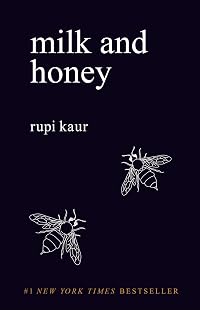
Milk and Honey
by Rupi Kaur
On This Page
Description
Milk and honey is a collection of poetry and prose about survival. About the experience of violence, abuse, love, loss, and femininity. The book is divided into four chapters, and each chapter serves a different purpose. Deals with a different pain. Heals a different heartache. Milk and honey takes readers through a journey of the most bitter moments in life and finds sweetness in them because there is sweetness everywhere if you are just willing to look.Tags
Recommendations
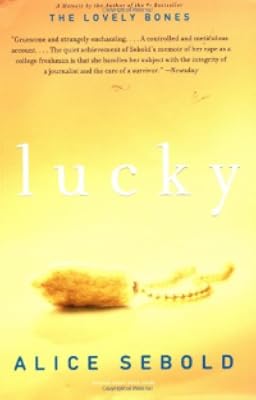
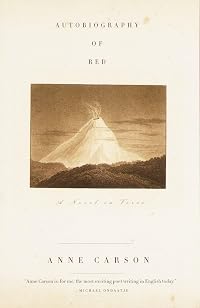
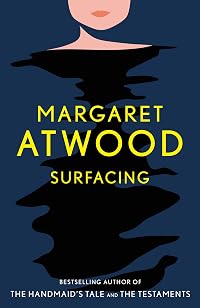
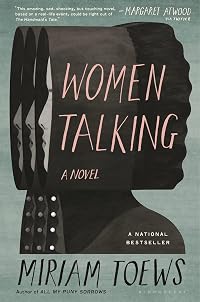

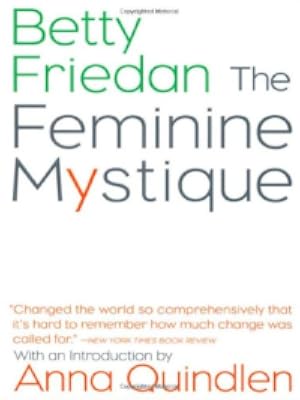
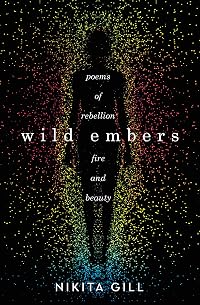
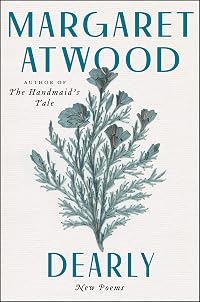
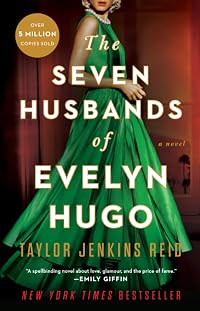
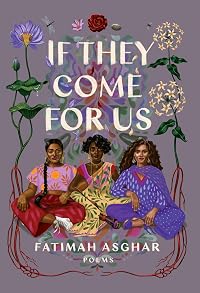
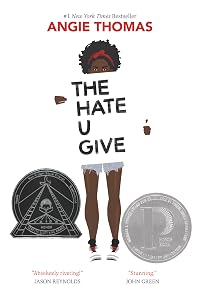
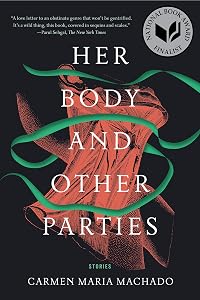
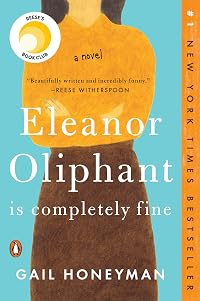
Member Recommendations
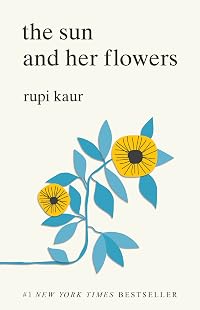
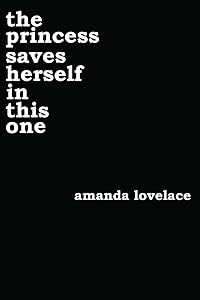
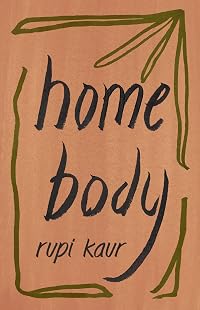
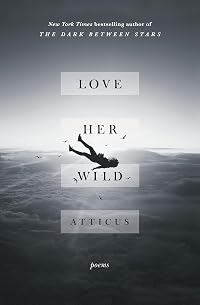
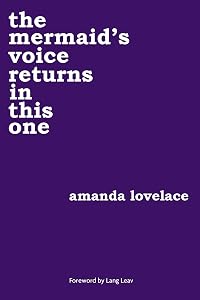
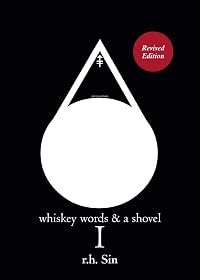
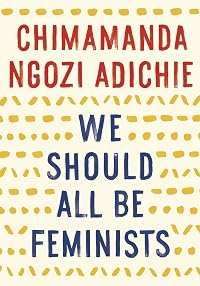
preetibee The authors share many of the same themes in their works and have similar writing styles.
Member Reviews
I'm not a fan of poetry, but in picking up this book today, I was looking for a strong female voice to cut through the bullshit and provide a tonic against my relatives and the politicians who have been shouting for the past two weeks that we should be very scared and worried for our sons and husbands because of what they see as false #metoo accusations being thrown around by women who are crazy or paid agents.
The rawness of Kaur's first section of poems, "The Hurting," was a devastating reminder of why we need to be scared and worried for our daughters, our wives, and the women we don't even know but who deserve to live lives free of toxic and entitled men who abuse them with impunity.
After taking me so low, I was surprised that Kaur show more was then able to lift me up with thoughts of love in the next section, "The Loving." Thankfully, the heartache of "The Breaking" did not take me as low as the first section because I don't think I could have handled that, and the closing, "The Healing," did not lift me as high as the second section since I'm not into self-help aphorisms.
I'm not even sure if this is poetry, or simply the most lyrical and moving Twitter feed I've ever read. I just know that it was I needed right now, and for that I am most grateful. show less
The rawness of Kaur's first section of poems, "The Hurting," was a devastating reminder of why we need to be scared and worried for our daughters, our wives, and the women we don't even know but who deserve to live lives free of toxic and entitled men who abuse them with impunity.
After taking me so low, I was surprised that Kaur show more was then able to lift me up with thoughts of love in the next section, "The Loving." Thankfully, the heartache of "The Breaking" did not take me as low as the first section because I don't think I could have handled that, and the closing, "The Healing," did not lift me as high as the second section since I'm not into self-help aphorisms.
I'm not even sure if this is poetry, or simply the most lyrical and moving Twitter feed I've ever read. I just know that it was I needed right now, and for that I am most grateful. show less
This is one of those books that are decidedly not for me. Many of these poems just came across as standard motivational poster material, pseudo-deep quotes from anime you see in online forum signatures, or loose thoughts with artificial breaks to mimic the look of poetry. I thought the sentiments expressed were trite and teenagery, though they are expressed with the intensity of someone feeling things for the very first time, someone finally finding words to express them.
I’ll give a few examples of what I’m talking about, and I’ll quote the poems in full. Here’s one from p. 87:
And here is another (p. 93):
And another (p. 88):
I’m sorry to say that this does not qualify as poetry to me. Deepities and cheap sentiment, yes. Poetry? Not so much.
In general, I thought Kaur’s writings do way too much telling, and way too little showing, like in this poem from p. 118:
Or this one from p. 155:
And this one from p. 158:
Too many poems in this book are like that: straightforward telling with artificial line breaks and not enough showing.
Only occasionally did Kaur hit upon a striking non-trite image or a progression of images that went at least part of the way there, such as in this poem (p. 31):
Sadly, I thought poems like these were too few and far between. The ones I liked best were about female sexuality and surviving sexual abuse: those are topics I haven’t read much poetry about, and that’s where Kaur’s directness seemed almost touching.
So yeah. Direct and heart-felt these writings may be, I thought they were trite and full of teen pain and not very poetry-like. But like I said at the start, I am not part of the target audience, which is teenage girls, and that is really all there is to it. I hope they, at least, get something out of it. show less
I’ll give a few examples of what I’m talking about, and I’ll quote the poems in full. Here’s one from p. 87:
it must hurt to know
i am your most
beautiful
regret
And here is another (p. 93):
i am a museum full of art
but you had your eyes shut
And another (p. 88):
ishow more
didn’t leave because
i stopped loving you
i left because the longer
i stayed the less
i loved myself
I’m sorry to say that this does not qualify as poetry to me. Deepities and cheap sentiment, yes. Poetry? Not so much.
In general, I thought Kaur’s writings do way too much telling, and way too little showing, like in this poem from p. 118:
i don’t know why
i split myself open
for others knowing
sewing myself up
hurts this much
afterward
Or this one from p. 155:
there is a difference between
someone telling you
they love you and
them actually
loving you
And this one from p. 158:
removing all the hair
off your body is okay
if that’s what you want to do
just as much as keeping all the hair
on your body is okay
if that’s what you want to do
- you belong only to yourself
Too many poems in this book are like that: straightforward telling with artificial line breaks and not enough showing.
Only occasionally did Kaur hit upon a striking non-trite image or a progression of images that went at least part of the way there, such as in this poem (p. 31):
when my mother opens her mouth
to have a conversation at dinner
my father shoves the word hush
between her lips and tells her to
never speak with her mouth full
this is how the women in my family
learned to live with their mouths closed
Sadly, I thought poems like these were too few and far between. The ones I liked best were about female sexuality and surviving sexual abuse: those are topics I haven’t read much poetry about, and that’s where Kaur’s directness seemed almost touching.
So yeah. Direct and heart-felt these writings may be, I thought they were trite and full of teen pain and not very poetry-like. But like I said at the start, I am not part of the target audience, which is teenage girls, and that is really all there is to it. I hope they, at least, get something out of it. show less
Rupi Kaur was just 21 when she wrote and illustrated this collection of poetry, somehow managing to do the impossible and selling millions of copies of a genre that typically doesn't often top the bestseller charts.
Milk and Honey is a raw, honest and gutsy collection of poems about abuse, falling in love, having your heart broken and healing. I enjoyed the sections on falling in love and breaking up the most - for those of us who passed out of our teens and twenties quite some time ago, it was an enjoyable reminder of the passion that burns so fiercely at that point in life, when sexual relationships are all consuming and break ups so terribly hurtful and destructive (I'm not suggesting break ups aren't upsetting at any stage in life, show more but there's a particular rawness to those early breakups when you're just discovering life and trying to figure out who you are).
your name is
the strongest
positive and negative
connotation in any language
it either lights me up or
leaves me aching for days
Bam! I'm rocketed straight back to the late eighties and thoughts of an ex who sent me head and heart spinning in all sorts of great and awful directions in my teens.
I don't know why
I split myself open
for others knowing
sewing myself up
hurts this much
afterward
I loved this collection. It's so raw, so open, so painfully, brutally recognisable to anyone who remembers the immense joy and pain of falling in and out of love for the first time.
4.5 stars - a collection for us gals rather than the guys, but just terrific. show less
Milk and Honey is a raw, honest and gutsy collection of poems about abuse, falling in love, having your heart broken and healing. I enjoyed the sections on falling in love and breaking up the most - for those of us who passed out of our teens and twenties quite some time ago, it was an enjoyable reminder of the passion that burns so fiercely at that point in life, when sexual relationships are all consuming and break ups so terribly hurtful and destructive (I'm not suggesting break ups aren't upsetting at any stage in life, show more but there's a particular rawness to those early breakups when you're just discovering life and trying to figure out who you are).
your name is
the strongest
positive and negative
connotation in any language
it either lights me up or
leaves me aching for days
Bam! I'm rocketed straight back to the late eighties and thoughts of an ex who sent me head and heart spinning in all sorts of great and awful directions in my teens.
I don't know why
I split myself open
for others knowing
sewing myself up
hurts this much
afterward
I loved this collection. It's so raw, so open, so painfully, brutally recognisable to anyone who remembers the immense joy and pain of falling in and out of love for the first time.
4.5 stars - a collection for us gals rather than the guys, but just terrific. show less
I regret buying this book. I am in debt and every dollar spent is a dollar not to my creditors; I thought this book was necessary because it would feed my soul and I should have just given the money to my creditors. This book did nothing for me.
As with other criticisms, the writing is shockingly simplistic, despite a clear ability of the writer to put together a sentence or an image. While I appreciate unstructured, the writing is very blunt, which is unusual for poetry. It leave little room for interpretation and the insertion of self; I find it can be a good technique for prose, whether in fiction or creative non-fiction, but - partially due to length - those other mediums have space for the exercise of compassion/empathy, whereas show more these poems do not. The message is just there, without any need for work from me, leading to no development of emotion either for the author or myself.
This could be a criticism or a complement, depending on your perspective, but there was nothing new in the things that were said. Everything she said was a repeat of the messaging my female friends and I would repeat and tell each other in our teens and somewhat young adulthood, often while discussing relationships while flipping through adolescent magazines. This could mean she has tapped into a universal message or is uncreatively repeating everyone. It left me unstimulated.
The stated behaviour was harmful (part of the premise, admittedly) but it wasn't a good look. It did not explore the gut-wrenching twists this kind of pain causes (or the numbing), or the consequences of carrying around that kind of pain while still trying to navigate the world. It named its existence and nothing more. In fact, for a book whose promotion was about and chapter title promoted "healing," that was also a process and an experience not discussed. Again, it was a statement of its existence without taking you in. There was no roadmap nor even a camaraderie to be had.
And the line breaks were cringe-worthy. They were random, as they would occur mid-phrase or mid-thought. Try as I might, I could not find a purpose to these breaks (in poetry, more so than other writing, breaks are purposeful). The only purpose I could discern was that feeling of an incompleteness, but often this feeling competed with, rather than enhancing, the poem. Really, these poems did lack structure but not because they were non-symmetrical (which is freeform and a structure in itself) but because the haphazard structure did not provide a usable form. It is like walking down a hallway that randomly squeezes and provides breathing room with jutting pieces at different heights to scrape the passerby; that doesn't make a unique, creative building, that means a bad architect.
I have read the defense to such criticisms being "the intended audience is young! Middle schoolers! Think of what we are reading!" I wholeheartedly disagree. Firstly, if they were the intended audience, it would have been advertised and promoted to them, which the book wasn't. Second, unless things have changed since I went to writing school (which, given my YA writing friends and my own reading, I doubt) there is an implicit instruction that writing aimed at that audience contains moral/life lessons; this book is woefully unbalanced and often unhealthy. It professes love with only one loving act: sex that includes her pleasure. This, in and of itself, is a good lesson, but it is not about love and does not provide any balance to the unhealthy behaviour discussed outside her proclamations of being a good lover. In fact, it can be a harmful lesson for those experiencing sexual abuse at a young age, as one of the consequences of sexual abuse at a young age is an unhealthy preoccupation with sex that can last a lifetime (think of how overly sexual Dr. Christian Troy in Nip/Tuck was, as this was exactly what the writers were trying to portray). Third, to suggest they need such overly simplistic messaging is a drastic underestimation of their intelligence and capability.
However, all this is said with the caveat that poetry is as good as what you get out of it. I got nothing. I think the majority of readers would get nothing, for the reasons above. This does not and should not diminish the readers who were lucky enough to find an emotional journey from this work. I am just saying I think they are the minority and, given this, I would advise sitting to read a good portion of the book prior to purchase. If the poems are not immediately moving you, or calling for you to apply more thought, you're not the audience; so read it first.
Bottom line: where I usually keep poetry books as one's interpretation changes with time and experience, I do not think here is enough here to warrant a reinterpretation. Heck, I am complaining of a lack of interpretation possible from a first reading! I am likely passing this on, which sucks because poetry books are really expensive. show less
As with other criticisms, the writing is shockingly simplistic, despite a clear ability of the writer to put together a sentence or an image. While I appreciate unstructured, the writing is very blunt, which is unusual for poetry. It leave little room for interpretation and the insertion of self; I find it can be a good technique for prose, whether in fiction or creative non-fiction, but - partially due to length - those other mediums have space for the exercise of compassion/empathy, whereas show more these poems do not. The message is just there, without any need for work from me, leading to no development of emotion either for the author or myself.
This could be a criticism or a complement, depending on your perspective, but there was nothing new in the things that were said. Everything she said was a repeat of the messaging my female friends and I would repeat and tell each other in our teens and somewhat young adulthood, often while discussing relationships while flipping through adolescent magazines. This could mean she has tapped into a universal message or is uncreatively repeating everyone. It left me unstimulated.
The stated behaviour was harmful (part of the premise, admittedly) but it wasn't a good look. It did not explore the gut-wrenching twists this kind of pain causes (or the numbing), or the consequences of carrying around that kind of pain while still trying to navigate the world. It named its existence and nothing more. In fact, for a book whose promotion was about and chapter title promoted "healing," that was also a process and an experience not discussed. Again, it was a statement of its existence without taking you in. There was no roadmap nor even a camaraderie to be had.
And the line breaks were cringe-worthy. They were random, as they would occur mid-phrase or mid-thought. Try as I might, I could not find a purpose to these breaks (in poetry, more so than other writing, breaks are purposeful). The only purpose I could discern was that feeling of an incompleteness, but often this feeling competed with, rather than enhancing, the poem. Really, these poems did lack structure but not because they were non-symmetrical (which is freeform and a structure in itself) but because the haphazard structure did not provide a usable form. It is like walking down a hallway that randomly squeezes and provides breathing room with jutting pieces at different heights to scrape the passerby; that doesn't make a unique, creative building, that means a bad architect.
I have read the defense to such criticisms being "the intended audience is young! Middle schoolers! Think of what we are reading!" I wholeheartedly disagree. Firstly, if they were the intended audience, it would have been advertised and promoted to them, which the book wasn't. Second, unless things have changed since I went to writing school (which, given my YA writing friends and my own reading, I doubt) there is an implicit instruction that writing aimed at that audience contains moral/life lessons; this book is woefully unbalanced and often unhealthy. It professes love with only one loving act: sex that includes her pleasure. This, in and of itself, is a good lesson, but it is not about love and does not provide any balance to the unhealthy behaviour discussed outside her proclamations of being a good lover. In fact, it can be a harmful lesson for those experiencing sexual abuse at a young age, as one of the consequences of sexual abuse at a young age is an unhealthy preoccupation with sex that can last a lifetime (think of how overly sexual Dr. Christian Troy in Nip/Tuck was, as this was exactly what the writers were trying to portray). Third, to suggest they need such overly simplistic messaging is a drastic underestimation of their intelligence and capability.
However, all this is said with the caveat that poetry is as good as what you get out of it. I got nothing. I think the majority of readers would get nothing, for the reasons above. This does not and should not diminish the readers who were lucky enough to find an emotional journey from this work. I am just saying I think they are the minority and, given this, I would advise sitting to read a good portion of the book prior to purchase. If the poems are not immediately moving you, or calling for you to apply more thought, you're not the audience; so read it first.
Bottom line: where I usually keep poetry books as one's interpretation changes with time and experience, I do not think here is enough here to warrant a reinterpretation. Heck, I am complaining of a lack of interpretation possible from a first reading! I am likely passing this on, which sucks because poetry books are really expensive. show less
I regret buying this book. I am in debt and every dollar spent is a dollar not to my creditors; I thought this book was necessary because it would feed my soul and I should have just given the money to my creditors. This book did nothing for me.
As with other criticisms, the writing is shockingly simplistic, despite a clear ability of the writer to put together a sentence or an image. While I appreciate unstructured, the writing is very blunt, which is unusual for poetry. It leave little room for interpretation and the insertion of self; I find it can be a good technique for prose, whether in fiction or creative non-fiction, but - partially due to length - those other mediums have space for the exercise of compassion/empathy, whereas show more these poems do not. The message is just there, without any need for work from me, leading to no development of emotion either for the author or myself.
This could be a criticism or a complement, depending on your perspective, but there was nothing new in the things that were said. Everything she said was a repeat of the messaging my female friends and I would repeat and tell each other in our teens and somewhat young adulthood, often while discussing relationships while flipping through adolescent magazines. This could mean she has tapped into a universal message or is uncreatively repeating everyone. It left me unstimulated.
The stated behaviour was harmful (part of the premise, admittedly) but it wasn't a good look. It did not explore the gut-wrenching twists this kind of pain causes (or the numbing), or the consequences of carrying around that kind of pain while still trying to navigate the world. It named its existence and nothing more. In fact, for a book whose promotion was about and chapter title promoted "healing," that was also a process and an experience not discussed. Again, it was a statement of its existence without taking you in. There was no roadmap nor even a camaraderie to be had.
And the line breaks were cringe-worthy. They were random, as they would occur mid-phrase or mid-thought. Try as I might, I could not find a purpose to these breaks (in poetry, more so than other writing, breaks are purposeful). The only purpose I could discern was that feeling of an incompleteness, but often this feeling competed with, rather than enhancing, the poem. Really, these poems did lack structure but not because they were non-symmetrical (which is freeform and a structure in itself) but because the haphazard structure did not provide a usable form. It is like walking down a hallway that randomly squeezes and provides breathing room with jutting pieces at different heights to scrape the passerby; that doesn't make a unique, creative building, that means a bad architect.
I have read the defense to such criticisms being "the intended audience is young! Middle schoolers! Think of what we are reading!" I wholeheartedly disagree. Firstly, if they were the intended audience, it would have been advertised and promoted to them, which the book wasn't. Second, unless things have changed since I went to writing school (which, given my YA writing friends and my own reading, I doubt) there is an implicit instruction that writing aimed at that audience contains moral/life lessons; this book is woefully unbalanced and often unhealthy. It professes love with only one loving act: sex that includes her pleasure. This, in and of itself, is a good lesson, but it is not about love and does not provide any balance to the unhealthy behaviour discussed outside her proclamations of being a good lover. In fact, it can be a harmful lesson for those experiencing sexual abuse at a young age, as one of the consequences of sexual abuse at a young age is an unhealthy preoccupation with sex that can last a lifetime (think of how overly sexual Dr. Christian Troy in Nip/Tuck was, as this was exactly what the writers were trying to portray). Third, to suggest they need such overly simplistic messaging is a drastic underestimation of their intelligence and capability.
However, all this is said with the caveat that poetry is as good as what you get out of it. I got nothing. I think the majority of readers would get nothing, for the reasons above. This does not and should not diminish the readers who were lucky enough to find an emotional journey from this work. I am just saying I think they are the minority and, given this, I would advise sitting to read a good portion of the book prior to purchase. If the poems are not immediately moving you, or calling for you to apply more thought, you're not the audience; so read it first.
Bottom line: where I usually keep poetry books as one's interpretation changes with time and experience, I do not think here is enough here to warrant a reinterpretation. Heck, I am complaining of a lack of interpretation possible from a first reading! I am likely passing this on, which sucks because poetry books are really expensive. show less
As with other criticisms, the writing is shockingly simplistic, despite a clear ability of the writer to put together a sentence or an image. While I appreciate unstructured, the writing is very blunt, which is unusual for poetry. It leave little room for interpretation and the insertion of self; I find it can be a good technique for prose, whether in fiction or creative non-fiction, but - partially due to length - those other mediums have space for the exercise of compassion/empathy, whereas show more these poems do not. The message is just there, without any need for work from me, leading to no development of emotion either for the author or myself.
This could be a criticism or a complement, depending on your perspective, but there was nothing new in the things that were said. Everything she said was a repeat of the messaging my female friends and I would repeat and tell each other in our teens and somewhat young adulthood, often while discussing relationships while flipping through adolescent magazines. This could mean she has tapped into a universal message or is uncreatively repeating everyone. It left me unstimulated.
The stated behaviour was harmful (part of the premise, admittedly) but it wasn't a good look. It did not explore the gut-wrenching twists this kind of pain causes (or the numbing), or the consequences of carrying around that kind of pain while still trying to navigate the world. It named its existence and nothing more. In fact, for a book whose promotion was about and chapter title promoted "healing," that was also a process and an experience not discussed. Again, it was a statement of its existence without taking you in. There was no roadmap nor even a camaraderie to be had.
And the line breaks were cringe-worthy. They were random, as they would occur mid-phrase or mid-thought. Try as I might, I could not find a purpose to these breaks (in poetry, more so than other writing, breaks are purposeful). The only purpose I could discern was that feeling of an incompleteness, but often this feeling competed with, rather than enhancing, the poem. Really, these poems did lack structure but not because they were non-symmetrical (which is freeform and a structure in itself) but because the haphazard structure did not provide a usable form. It is like walking down a hallway that randomly squeezes and provides breathing room with jutting pieces at different heights to scrape the passerby; that doesn't make a unique, creative building, that means a bad architect.
I have read the defense to such criticisms being "the intended audience is young! Middle schoolers! Think of what we are reading!" I wholeheartedly disagree. Firstly, if they were the intended audience, it would have been advertised and promoted to them, which the book wasn't. Second, unless things have changed since I went to writing school (which, given my YA writing friends and my own reading, I doubt) there is an implicit instruction that writing aimed at that audience contains moral/life lessons; this book is woefully unbalanced and often unhealthy. It professes love with only one loving act: sex that includes her pleasure. This, in and of itself, is a good lesson, but it is not about love and does not provide any balance to the unhealthy behaviour discussed outside her proclamations of being a good lover. In fact, it can be a harmful lesson for those experiencing sexual abuse at a young age, as one of the consequences of sexual abuse at a young age is an unhealthy preoccupation with sex that can last a lifetime (think of how overly sexual Dr. Christian Troy in Nip/Tuck was, as this was exactly what the writers were trying to portray). Third, to suggest they need such overly simplistic messaging is a drastic underestimation of their intelligence and capability.
However, all this is said with the caveat that poetry is as good as what you get out of it. I got nothing. I think the majority of readers would get nothing, for the reasons above. This does not and should not diminish the readers who were lucky enough to find an emotional journey from this work. I am just saying I think they are the minority and, given this, I would advise sitting to read a good portion of the book prior to purchase. If the poems are not immediately moving you, or calling for you to apply more thought, you're not the audience; so read it first.
Bottom line: where I usually keep poetry books as one's interpretation changes with time and experience, I do not think here is enough here to warrant a reinterpretation. Heck, I am complaining of a lack of interpretation possible from a first reading! I am likely passing this on, which sucks because poetry books are really expensive. show less
Much better than I had expected it to be for mass-popularity non-rhyming poetry. The poetry is accessible (in both a positive and negative way) with the occasional moment of depth of understanding and powerful turn of phrase.
This is a strange book. The first sections are some of the most authentic and powerful poetry about dysfunctional family and miserable upbringing, and fatalist, ruined romance I've ever read.
If you've lived through anything like the above, just read this.
As for the finale, the healing section, it's unbelievable the departure in tone and quality from the previous sections.
It's very seriously as if someone typed out the trite platitudes from motivational Instagram and Tumblr accounts, that are generally only typed across the face of stock landscape photos.
Still worth reading for the incredible work that precedes it, though.
If you've lived through anything like the above, just read this.
As for the finale, the healing section, it's unbelievable the departure in tone and quality from the previous sections.
It's very seriously as if someone typed out the trite platitudes from motivational Instagram and Tumblr accounts, that are generally only typed across the face of stock landscape photos.
Still worth reading for the incredible work that precedes it, though.
Members
- Recently Added By
Lists

Books Read in 2016
4,666 works; 199 members

To Read
617 works; 7 members

CBC's Great Canadian Reading List
149 works; 5 members

Books Read in 2017
4,249 works; 130 members

Modern Poetry Must Reads
7 works; 3 members

indicações da lays
10 works; 1 member

2021 - List of books read
53 works; 1 member

Banned or Challenged Books
400 works; 41 members

Florida's Book Bans and Challenges
311 works; 4 members

Florida
366 works; 3 members

Virginia Banned Books 2023
68 works; 3 members

Books Read in 2020
4,379 works; 124 members

Read in 2020
33 works; 1 member

Healing resources for women
588 works; 1 member
Author Information

8 Works 13,153 Members
Rupi Kaur is a Canadian poet, author, illustrator, and performer. With her mother's encouragement, she began drawing at the age of five. She views her life as an artistic journey and has a degree in rhetoric studies. She is a poet and has performed her work internationally. Her debut poetry collection was published in 2014, Milk and Honey. It show more became a New York Times bestseller. The Sun and Her Flowers is her second poetry collection and was published in 2017. (Bowker Author Biography) show less
Some Editions
Awards and Honors
Notable Lists
Series
Belongs to Publisher Series
Empúries Narrativa (600)
Work Relationships
Is contained in
Has as a reference guide/companion
Common Knowledge
- Original publication date
- 2015-10-06
- Dedication
- for
the arms
that hold me - First words
- how is it so easy for you to be kind to people he asked
- Original language
- English
- Canonical DDC/MDS
- 819.116
Classifications
- Genres
- Poetry, Fiction and Literature
- DDC/MDS
- 819.116 — Literature & rhetoric American literature in English American literatures in English not requiring local emphasis English literature from Canada Canadian poetry 21st Century
- LCC
- PR9199.4 .K377 .A6 — Language and Literature English English Literature English literature: Provincial, local, etc.
- BISAC
Statistics
- Members
- 7,484
- Popularity
- 1,540
- Reviews
- 223
- Rating
- (3.65)
- Languages
- 15 — Catalan, Czech, Dutch, English, French, German, Hungarian, Italian, Norwegian, Polish, Portuguese, Slovenian, Spanish, Swedish, Turkish
- Media
- Paper, Audiobook, Ebook
- ISBNs
- 52
- UPCs
- 2
- ASINs
- 10