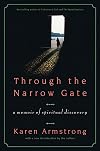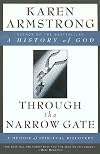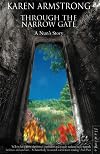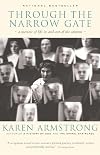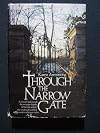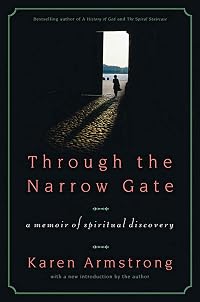
Through the Narrow Gate
by Karen Armstrong
On This Page
Description
Recounts the seven years that the author spent in a convent beginning at the age of seventeen, describing her religous doubts and spiritual struggles which led to her final recognition that she was not suited for life as a nun.Tags
Recommendations

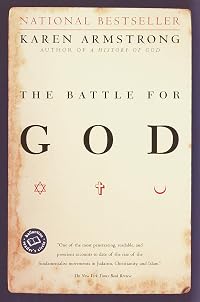


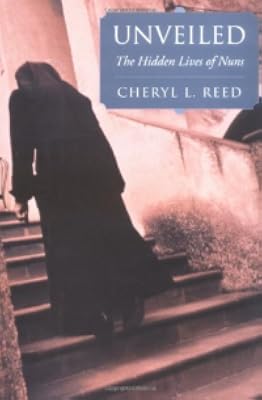

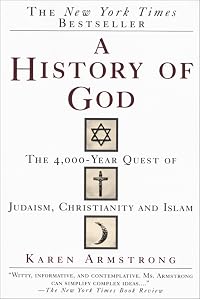
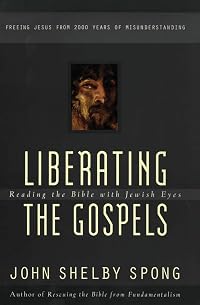

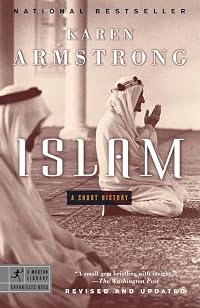
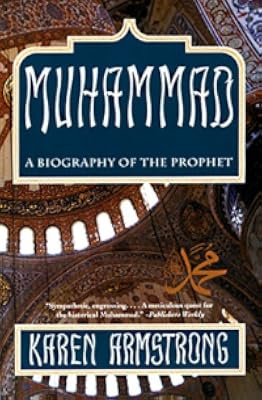
Member Recommendations

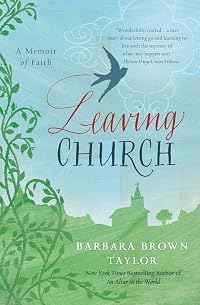
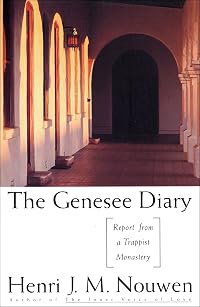
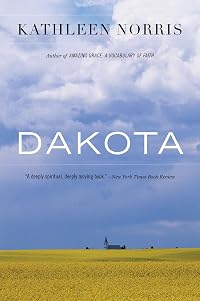
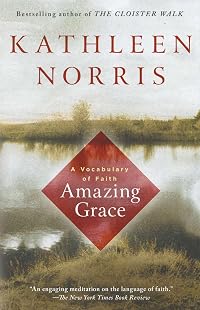
aulsmith The stories of other women who left the convent. Many of them had the same kind of crazy experiences that Karen Armstrong did.
Member Reviews
Absolutely unputdownable autobiography of a woman who spent seven years as a nun.
It''s particularly fascinating as her upbringing was pretty 'normal'- her Catholic family weren't obsessively religious and did their best to try and dissuade her. And in 1962, as she made the decision, she was surrounded by a usual life of school and friends.
The author tries to pinpoint the things that propelled her: the nuns she met in her convent school; a vow to God to enter the religious life if he cured her ill sister; a distaste at the permissive society; her alcoholic grandmother, whose own desire to become a nun had been prevented (would her own life end so sadly if she denied
the 'urge'?)
And the reader - kind of- gets the attraction of the show more surrender of such a life. But the pointlessnesss, the requirement for unquestioning obedience, even if the order is foolish...and the cold, harsh, rigid, loveless existence, as pushed by many (but not all) the superiors. begin to make her realise something is wrong..
Concluding, she writes: "How lovely it would be if the will really were supreme; if the mass of emotion, bodily impulses, and disorders and the murky subconscious couldall be controlled by a strong act of will. In the Order I discovered that we are complex beings, mind, heart , soul and body engaged in a continuous bloody battle. Indeed one of the most important things I learned from the religious life was the relative impotence of the will. It's a good, though humbling, thing to realize. It brings a kind of peace with it.".
The author completed her degree at Oxford and went on to become a respected writer on religious affairs. show less
It''s particularly fascinating as her upbringing was pretty 'normal'- her Catholic family weren't obsessively religious and did their best to try and dissuade her. And in 1962, as she made the decision, she was surrounded by a usual life of school and friends.
The author tries to pinpoint the things that propelled her: the nuns she met in her convent school; a vow to God to enter the religious life if he cured her ill sister; a distaste at the permissive society; her alcoholic grandmother, whose own desire to become a nun had been prevented (would her own life end so sadly if she denied
the 'urge'?)
And the reader - kind of- gets the attraction of the show more surrender of such a life. But the pointlessnesss, the requirement for unquestioning obedience, even if the order is foolish...and the cold, harsh, rigid, loveless existence, as pushed by many (but not all) the superiors. begin to make her realise something is wrong..
Concluding, she writes: "How lovely it would be if the will really were supreme; if the mass of emotion, bodily impulses, and disorders and the murky subconscious couldall be controlled by a strong act of will. In the Order I discovered that we are complex beings, mind, heart , soul and body engaged in a continuous bloody battle. Indeed one of the most important things I learned from the religious life was the relative impotence of the will. It's a good, though humbling, thing to realize. It brings a kind of peace with it.".
The author completed her degree at Oxford and went on to become a respected writer on religious affairs. show less
This moving and intimate memoir unfolds the story of a young woman in Birmingham, England who decides at age 17 to become a nun and begin the training that will prepare her to be the pure bride of Christ that she longs to be. The year is 1962 and Karen Armstrong is sure this is the right choice for her, though she knows it is breaking the hearts of her parents. Nominally good Catholics, they cannot comprehend why Karen would think this is the best choice. She has done well in school and ought to continue her education to maximize her potential. But Karen receives the encourage she needs from Mother Katherine, the nun who is principal of the school she attends.
The Order Karen chooses to join is the one where Mother Katherine trained. show more Karen believes a teaching ministry would be suitable to pursue, but the actual training as a Novice in the Order requires manual labor, absolute obedience and absolutely no time for reading. Actually, even thinking is discouraged because it might cause the young women to question their Superiors. Since they must obey every rule and comply with the very strict behavior code, they are told that questioning the Superior is tantamount to questioning God, the very thing they must never do.
But perhaps the greatest difficulty Karen faces deals with sublimating the flesh to embrace her spiritual life. It is the rule to eat every bite of every meal, and take second helpings of the foods she really dislikes. She really does have some serious allergies...probably lactose intolerance, but it is undiagnosed and the Superiors believe she is calling inappropriate attention to herself by getting sick all the time. And even worse, she suffers from seizures occasionally, which the Superiors believe demonstrate a weakness...the lack of self control, for which she should be seeking forgiveness!
Karen tries so hard to accept the rigid judgements of her Superiors, but she is incredibly lonely. Friendships and even conversation with the other novices are discouraged. Her strengths lie in her intelligence but the Superiors insist that she serve as a cook, a seamstress and a housekeeper, none of which she has any skills which please those who are training her. Ironically, it is in these years when Pope John XXIII is modernizing the foundations of religious life, so that nuns who follow Karen into the order are not subjugated to the rigid structure which is meant to break down "carnal self," so that only the pure spiritual self remains.
After three years of this difficult life, Karen does get the opportunity to go to Oxford, but her mundane work as a Postulant continues as usual. She is rushed and tired all the time, continuing also to have bouts with illness, but gradually begins to use her skill at critical thinking and reason.
After seven years, she decides with great difficulty that she should leave the order and return to the world. It is a world very different from the one she had left...she missed the turbulent 60's, the sexual revolution, the Cuban and Viet Nam crises that were daily in the news...news she never heard as she lived her cloistered life.
It is a moving story and a journey of faith that still inspires. It serves as a warning to religious leaders who draw the lines much more rigidly than Christ himself did and insist that others must stay within the lines or perish. show less
The Order Karen chooses to join is the one where Mother Katherine trained. show more Karen believes a teaching ministry would be suitable to pursue, but the actual training as a Novice in the Order requires manual labor, absolute obedience and absolutely no time for reading. Actually, even thinking is discouraged because it might cause the young women to question their Superiors. Since they must obey every rule and comply with the very strict behavior code, they are told that questioning the Superior is tantamount to questioning God, the very thing they must never do.
But perhaps the greatest difficulty Karen faces deals with sublimating the flesh to embrace her spiritual life. It is the rule to eat every bite of every meal, and take second helpings of the foods she really dislikes. She really does have some serious allergies...probably lactose intolerance, but it is undiagnosed and the Superiors believe she is calling inappropriate attention to herself by getting sick all the time. And even worse, she suffers from seizures occasionally, which the Superiors believe demonstrate a weakness...the lack of self control, for which she should be seeking forgiveness!
Karen tries so hard to accept the rigid judgements of her Superiors, but she is incredibly lonely. Friendships and even conversation with the other novices are discouraged. Her strengths lie in her intelligence but the Superiors insist that she serve as a cook, a seamstress and a housekeeper, none of which she has any skills which please those who are training her. Ironically, it is in these years when Pope John XXIII is modernizing the foundations of religious life, so that nuns who follow Karen into the order are not subjugated to the rigid structure which is meant to break down "carnal self," so that only the pure spiritual self remains.
After three years of this difficult life, Karen does get the opportunity to go to Oxford, but her mundane work as a Postulant continues as usual. She is rushed and tired all the time, continuing also to have bouts with illness, but gradually begins to use her skill at critical thinking and reason.
After seven years, she decides with great difficulty that she should leave the order and return to the world. It is a world very different from the one she had left...she missed the turbulent 60's, the sexual revolution, the Cuban and Viet Nam crises that were daily in the news...news she never heard as she lived her cloistered life.
It is a moving story and a journey of faith that still inspires. It serves as a warning to religious leaders who draw the lines much more rigidly than Christ himself did and insist that others must stay within the lines or perish. show less
She brings out that the origin of the habit was to be unobtrusive. That customs developed because of historical accident became endowed over years with weighty significance.
I wonder when she took the name Martha, was she being deliberately ironic. She took the name because she learned that practical things were more important than she realized, however the lesson Martha needed to learn it that spiritual things are more important.
I wonder when she took the name Martha, was she being deliberately ironic. She took the name because she learned that practical things were more important than she realized, however the lesson Martha needed to learn it that spiritual things are more important.
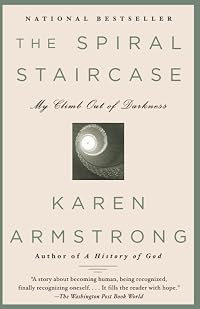
A well-written memoir by one of the top authors on religion of our time. It's a fascinating read about entering the Roman Catholic convent and how very psychological damaging that experience was on so many girls. Be sure to read the sequel "The Spiral Staircase."
Very beautiful and moving book memoir of the authors time in a convent in the 1960s. It was a very hard life and the book makes this clear, but also makes clear the reasons people are willing to stay in the religious life, and the inner battle when they decide to leave. Really worth the read.
This is the first thing I've read by Karen Armstrong. I'm always fascinated by stories about the religious life. In this memoir, Armstrong tells the story of how she entered a convent at age 17, the details of her life there, and how she eventually left.
I found this book to be very touching as well as very detailed. When I reached the end, I wanted to read more, so her sequel is on my TBR list.
Members
- Recently Added By
Lists

Best Biographies, Autobiographies and Memoirs
465 works; 160 members

Christianity Books You've Read
179 works; 19 members

Favourite Non-Fiction
24 works; 1 member

Top Five Books of 2016
795 works; 229 members

Best Books Read in 2016
12 works; 1 member

Books featuring monks and/or nuns
166 works; 33 members

Books Read in 2016
4,666 works; 199 members

Favourite books by Female Authors
43 works; 4 members
Author Information

57+ Works 36,352 Members
Karen Armstrong is one of the foremost commentators on religious affairs in both Britain and the United States. She spent seven years as a Roman Catholic nun and received a degree at Oxford University. (Publisher Provided)
Some Editions
Work Relationships
Common Knowledge
- Canonical title
- Through the Narrow Gate
- Original title
- Through the Narrow Gate
- Original publication date
- 1981
- People/Characters
- Karen Armstrong
- Important places
- Provincial House, Tripton, London, England, UK; Oxford, Oxfordshire, England, UK
- Epigraph
- Enter by the narrow gate, since the gate that leads to perdition is wide, and the road spacious, and many take it; but it is a narrow gate and a hard road that lead to life, and only a few find it. -Matthew 7:12
- Dedication
- In memory of my father
- First words
- It was 14 September 1962, the most important day of my life.
- Last words
- (Click to show. Warning: May contain spoilers.)Perhaps none of us risked enough.
- Blurbers
- McCarthy, Mary
- Original language*
- Engels
*Some information comes from Common Knowledge in other languages. Click "Edit" for more information.
Classifications
- Genres
- Religion & Spirituality, Biography & Memoir, Nonfiction, General Nonfiction
- DDC/MDS
- 271.9 — Religion History of Christianity Religious congregations and orders in church history Orders of Women
- LCC
- BX4668.3 .A75 .A3 — Philosophy, Psychology and Religion Christian Denominations Christian Denominations Catholic Church Biography and portraits Collective
- BISAC
Statistics
- Members
- 777
- Popularity
- 35,997
- Reviews
- 11
- Rating
- (4.04)
- Languages
- Dutch, English, Swedish
- Media
- Paper, Audiobook, Ebook
- ISBNs
- 21
- ASINs
- 11