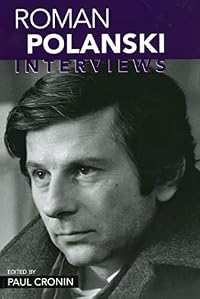
Roman Polanski: Interviews (Conversations With Filmmakers Series)
by Roman Polanski
Conversations with Filmmakers
21 Members (3.75)
On This Page
Description
Roman Polanski (b. 1933) arrived on the international scene in 1962 with his first feature film, Knife in the Water, and his face would be on the cover of Time magazine by the end of that year. His vibrant, disturbing, and often violent films--including the psychological thriller Rosemary's Baby, the film noir classic Chinatown, and the somber Holocaust drama The Pianist--have entertained and sometimes infuriated audiences. Stylistically unsettling and thematically varied, Polanski's films show more have established him as one of the most talented and controversial European filmmakers of his generation. Polanski's life has been troubled. He survived the Krakow ghetto and the Holocaust, but his mother died at Auschwitz. His wife Sharon Tate was brutally murdered in 1968 by members of Charles Manson's cult. After years of success in the United States, he fled the country in 1978 when he was convicted for having sex with a minor. He hasn't returned to America since that time. In Roman Polanski: Interviews, the acclaimed director talks openly about how incidents in his life have and have not influenced his artistic vision. This collection of interviews spans nearly forty years and comprises translations from French, German, and Spanish newspapers and magazines and transcripts of British and American television and radio appearances. show lessTags
Recommendations



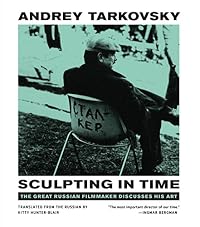
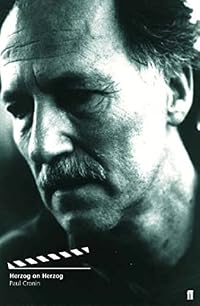
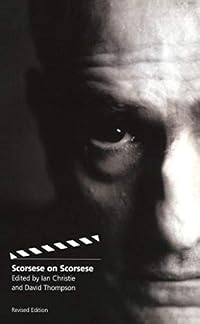
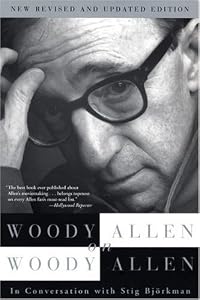








Member Reviews
Members
- Recently Added By
Author Information

55+ Works 2,758 Members
The French-born Polish actor and director Roman Polanski survived one of the darkest events of the twentieth century, the Holocaust. At the age of 8, he was interned in a German concentration camp, where his mother died. He later attended the Polish Film School and, with his film noir Knife in the Water (1962), helped establish the reputation of show more Polish cinema abroad. Polanski's vision is of an unstable world of violence, sexual frustration, unconscious impulses, and destructive psychoses. Repulsion (1965), his first feature in the West, and the chilling Rosemary's Baby (1968), about satanic possession in New York City, marked him as a filmmaker who was unafraid to confront evil. He was forced to confront evil in his personal life once again when his wife, Sharon Tate, was brutally murdered in 1969 by the satanic Charles Manson cult in one of California's most sensational slayings. The horror of this experience informs his filmed version of Shakespeare's Macbeth (1972). Of his later films, Chinatown (1974), the story of a private investigator's discovery of twisted relationships in the wealthy family that has hired him, was well received, as was Tess (1981), Polanski's adaptation of Thomas Hardy's novel Tess of the D'Urbervilles. (Bowker Author Biography) show less
All Editions
Series

Common Knowledge
- People/Characters
- Roman Polanski
Classifications
- Genres
- Nonfiction, Biography & Memoir
- DDC/MDS
- 791.4302 — Arts & recreation Recreation, sports, and performing arts Movies, TV, Video Motion pictures, radio, television, podcasting Motion pictures Standard subdivisions
- LCC
- PN1998.3 .P65 .A3 — Language and Literature Literature (General) Literature (General) Drama Motion pictures
- BISAC
Statistics
- Members
- 21
- Popularity
- 1,229,905
- Rating
- (3.75)
- Languages
- English
- Media
- Paper
- ISBNs
- 3