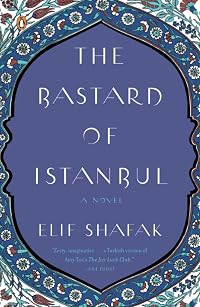
The Bastard of Istanbul
by Elif Shafak
On This Page
Description
From one of Turkey's most acclaimed and outspoken writers comes a novel about the tangled histories of two families.In her second novel written in English, Elif Shafak confronts her country's violent past in a vivid and colorful tale set in both Turkey and the United States. At its center is the "bastard" of the title, Asya, a nineteen-year-old woman who loves Johnny Cash and the French Existentialists, and the four sisters of the Kazanci family who all live together in an extended household show more in Istanbul: Zehila, the zestful, headstrong youngest sister who runs a tattoo parlor and is Asya's mother; Banu, who has newly discovered herself as a clairvoyant; Cevriye, a widowed high school teacher; and Feride, a hypochondriac obsessed with impending disaster. Their one estranged brother lives in Arizona with his wife and her Armenian daughter, Armanoush. When Armanoush secretly flies to Istanbul in search of her identity, she finds the Kazanci sisters and becomes fast friends with Asya. A secret is uncovered that links the two families and ties them to the 1915 Armenian deportations and massacres. Full of vigorous, unforgettable female characters, The Bastard of Istanbul is a bold, powerful tale that will confirm Shafak as a rising star of international fiction. show lessTags
Recommendations
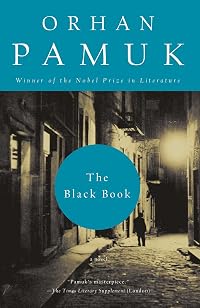

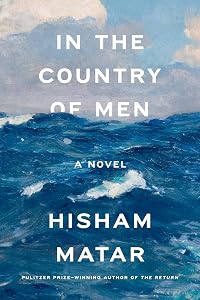
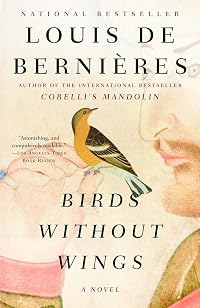
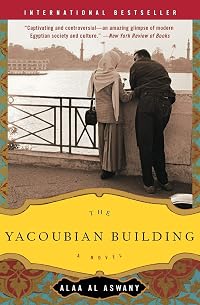
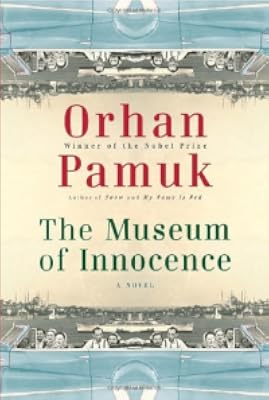

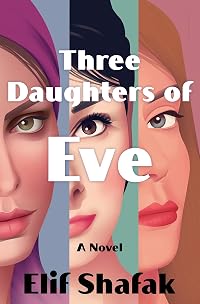
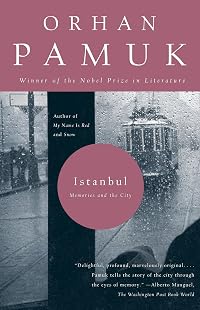
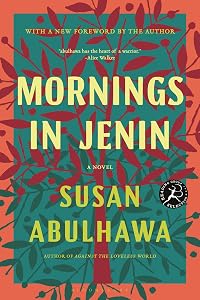
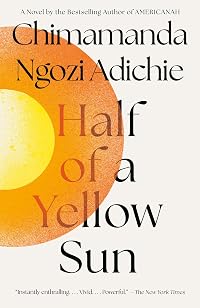
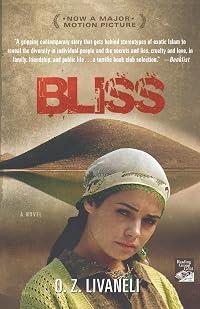
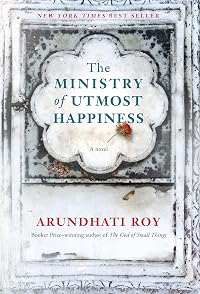

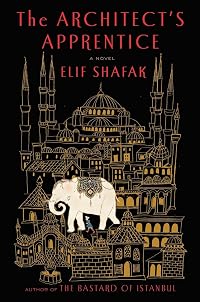
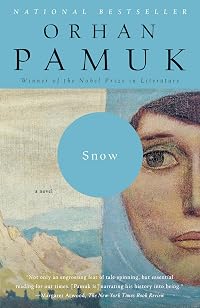
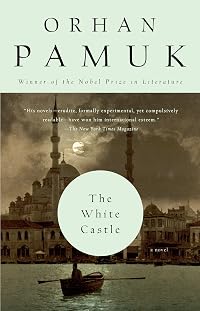
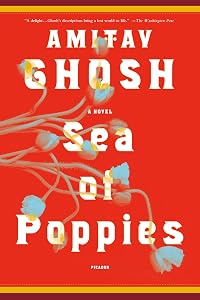
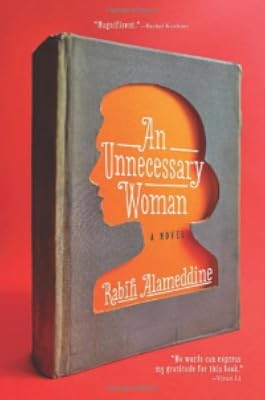








Member Recommendations

gust Ook een boek over de Armeense genocide
Member Reviews
The Bastard of Istanbul is well worth reading. Elif Shafak created an atmosphere that engulfs the reader. The characters thoughts and actions had me squirming in my seat at times and admiring their bravery at others. A full realm of emotion was unleashed in The Bastard of Istanbul. Shafak's words pull the reader into a history with two sides that reminds us there are always two sides to every story. The interwoven family dynamics and secrets are beautifully addressed in a way that makes the reader ache for the characters at times and celebrate at others. Shafak also manages to connect American culture, Armenian culture, and Turkish culture by creating characters with distinct backgrounds and strongly held beliefs that interact in a show more believable manner with very little sterotyping. A heart touching story that feels real and reminds us that all cultures have much more in common than they realize or wish to admit. show less
The Bastard of Istanbul is the story of two extended families: one Turkish and living in Istanbul, the other Armenian and living in San Francisco. Armanoush is the grandaughter of an Armenian deportation survivor, but with an American mom. In her struggle to integrate the two halves of her identity, she decides to go to Istanbul and stay with her stepfather′s Turkish family. What better way to feel Armenian than be surrounded by enemy Turks? And she can look for the house her grandmother′s family owned prior to deportation. Asya is a nineteen-year-old nihilist with a desire to have no past since she doesn′t know who her father is anyway. She lives with her mom, aunts, grandmother, and great-grandmother, a warren of women with show more disparate views on everything. When Amanoush arrives on their doorstep, the past begins to make itself felt in unexpected and alarming ways.
There are many characters in this novel, and the author does a wonderful job of making each one distinct and memorable. The plot is interesting and surprising enough to keep me turning pages. But primarily this is a book about memory, both personal and national, a topic I find endlessly fascinating. Some characters are trying to cultivate amnesia, to forget their pasts as though they never happened. Others revel in the past as a unifier for their family and their people. Secular, modern Turkey wants to forget that Armanians were ever a part of their Ottoman past, never mind confront the question of deportations and death marches. American Armenians push genocide onto the national agenda as a rallying cry in their diaspora. Why do people choose to remember or to forget? Is remembering always a good thing?
Upon publication of this novel in 2006, the author, Elif Shafak, was charged with ″denigrating Turkishness,″ a crime punishable with up to two years of jail time in Turkey. She drifts too close to the topic of the Armenian genocide, and some of her characters say things that touched nerves. Despite this, the book became a bestseller in Turkey. Recommended. show less
There are many characters in this novel, and the author does a wonderful job of making each one distinct and memorable. The plot is interesting and surprising enough to keep me turning pages. But primarily this is a book about memory, both personal and national, a topic I find endlessly fascinating. Some characters are trying to cultivate amnesia, to forget their pasts as though they never happened. Others revel in the past as a unifier for their family and their people. Secular, modern Turkey wants to forget that Armanians were ever a part of their Ottoman past, never mind confront the question of deportations and death marches. American Armenians push genocide onto the national agenda as a rallying cry in their diaspora. Why do people choose to remember or to forget? Is remembering always a good thing?
Upon publication of this novel in 2006, the author, Elif Shafak, was charged with ″denigrating Turkishness,″ a crime punishable with up to two years of jail time in Turkey. She drifts too close to the topic of the Armenian genocide, and some of her characters say things that touched nerves. Despite this, the book became a bestseller in Turkey. Recommended. show less
Generally not a fan of slow-paced writing but Elif Shafak somehow works for me, the visuals on this book on food, philosophies and just sceneries were such a treat to read through. I loved Zeliha as a character throughout the book, she was such a strong and badass woman - those short skirts and her energy is everything!
Reading this also made me look into the Armenian genocide and the 'other side' of the Ottomans - people tend to romanticise them as some sort of peace lovers forgetting the fact that they are invaders and also have committed a lot of atrocities. But then again, what is the common man supposed to say if their ancestors have done some terrible things? Made me think...
Reading this also made me look into the Armenian genocide and the 'other side' of the Ottomans - people tend to romanticise them as some sort of peace lovers forgetting the fact that they are invaders and also have committed a lot of atrocities. But then again, what is the common man supposed to say if their ancestors have done some terrible things? Made me think...
Armanoush (Amy), an American Armenian teen, travels to Turkey to learn more about her family. She befriends Asya and her family of kooky but wonderful aunts—each of whom must come to grasps with Amy’s harsh family’s past due to the slaughter and ouster of Armenians. The book reveals a delicious commonality between the cultures: food. A bit of mysticism helps tell this story. Amy’s broken family in America don’t know she’s made this trip. The underlying story back in America is good but I felt like there was a missed opportunity for a more meaningful conclusion to it. A good book I absolutely recommend, for the references to the food, the history of the Armenian genocide, or just a good story.
[[Elif Shafak]] is one of those rare writers, able to compose a readable and enjoyable narrative while still managing to enlighten. This book, like some of her others, is focused squarely on identity - its origins and implications. Here, we have two daughters, one of Armenian descent and the other of Turkish. When they are cast together in Istanbul, their pasts weave together. The diversity of unique characters is stunning, and inevitably entertaining - a Turkish aunt with competing djinns counseling her, another Turkish aunt tattoo artist, and a coffee society of progressive Turks. The rest of the story, as Paul Harvey would say, is that Shafak was criminally charged in Turkey for statements made in the book. She has since been exiled show more from her home country for her views on a range of topics, including the Armenian genocide that features so prominently in this narrative. She is a far too unknown in the United States.
Highly Recommended.
5 bones!!!!! show less
Highly Recommended.
5 bones!!!!! show less
Other reviewers have noted that Shafak has a tendency to over-write, and I did think it could have done with a few good edits. For one example, using an internet chat room to get points across, really didn't work for me.
This is an intergenerational novel, contrasting the families of two young women, one, the titular "Bastard of Istanbul" lives with a large family of women, aunts, grandmother, in Istanbul; the other is Armenian American, in Arizona and San Francisco.
I was excited to read a book that dealt with the Armenian Genocide from a Turkish perspective. It turns out that the author was charged with being anti-Turkish, and threatened with a 3 year jail sentence for being anti-Turkish. That made me admire the author for her bravery show more in taking up the topic. Luckily,. she was acquitted.
That said, there were parts of the exploration that made me uncomfortable. Shafak, through various characters and also the internet chat room, indicates that Turkish people are not enough aware of the past, and too future focussed, and that Armenians are too focused on the past. I have to wonder how Armenians could not be focussed on the past, when Turkey is still in denial about the genocide, and in fact the US just recognized the Armenian genocide this year???
Shafak does a good job of showing the similarities between Armenian and Turkish culture--in terms of food, family relations, etc. And the book does have some interesting plot twists, and great food descriptions.
I would normally give the book 3.5 stars, but am going with 4--basically because of the topic. It gave me the opportunity to think about historical trauma and how it impacts us today, and to contrast the Armenian genocide with other historical traumas; like slavery in the US and the genocide of Native Americans. show less
This is an intergenerational novel, contrasting the families of two young women, one, the titular "Bastard of Istanbul" lives with a large family of women, aunts, grandmother, in Istanbul; the other is Armenian American, in Arizona and San Francisco.
I was excited to read a book that dealt with the Armenian Genocide from a Turkish perspective. It turns out that the author was charged with being anti-Turkish, and threatened with a 3 year jail sentence for being anti-Turkish. That made me admire the author for her bravery show more in taking up the topic. Luckily,. she was acquitted.
That said, there were parts of the exploration that made me uncomfortable. Shafak, through various characters and also the internet chat room, indicates that Turkish people are not enough aware of the past, and too future focussed, and that Armenians are too focused on the past. I have to wonder how Armenians could not be focussed on the past, when Turkey is still in denial about the genocide, and in fact the US just recognized the Armenian genocide this year???
Shafak does a good job of showing the similarities between Armenian and Turkish culture--in terms of food, family relations, etc. And the book does have some interesting plot twists, and great food descriptions.
I would normally give the book 3.5 stars, but am going with 4--basically because of the topic. It gave me the opportunity to think about historical trauma and how it impacts us today, and to contrast the Armenian genocide with other historical traumas; like slavery in the US and the genocide of Native Americans. show less
The mordant gap between the children of those who managed to stay and the children of those who had to leave.
If there's one story the media in the United States should be having conniptions over right now, it's that of Mike Brown. Not Ebola, not Ukraine, not even Robin Williams, for if that man was half of the good things I've heard since depression killed him, he wouldn't want the tears of those who believe yet another black person deserved to die at the hands of white law enforcement. There's no nation quite like the US when it comes to handling the genocide card; it makes for a much messier state of things than this book's portrayal of the cosmopolitan memory of the Armenian genocide committed by the Turkish, but the indoctrination show more is there, the view of abroad versus the focus of at home is there, and the compromise, oh, the compromise. The compromise is there, with no answers to tuck you in at night.
The word 'genocide' hadn't existed in concrete fullness on April 24, 1915, much as there is no singular term for what Wikipedia calls "government neglect, unfavorable social policies, high poverty rates, changes implemented in the criminal justice system and laws, and...extremely high incarceration rates" within its 'Social issues' section of the 'Post-Civil Rights Era in African-American history'. Words, words, words, all of which imply a both sides to the story and refuse to even touch upon the body count or the unwillingness of drivers in Portland, Oregon, to stop for black pedestrians in crosswalks with no traffic lights, twice as likely to keep on going and make them wait of fear for their lives. I don't invoke this as a metaphor for the relations of Armenians and Turkish people in this day and age, but as a personal reminder of the latest link in a history of oppression in my own country. Şafak doesn't solve the issues faced by oppressors and oppressed; she starts a conversation, and within my own means, I will follow.
Am I responsible for my father's crime? A Girl Named Turk asked.
You are responsible for recognizing your father's crime, Anti-Khavurma replied.
I will admit, I wish she had gone further, rather than bring forward another age old incarnation of patriarchal violation that I am far more comfortable in my stance towards. I wish she had continued her wonderfully modern take on American-centric stereotypes, her portrayal of today's Istanbul with all its novelties all the more intriguing for their familiarity and feminism, her discussions of existentialism and Eastern European literature that never felt the need to wrap themselves in esoteric pomposity. I wish she had continued that Internet chat quoted above, just one example of the many I have had online regarding oppression, social justice, what I as a white inheritor of protection what must do with such skin-deep privilege. Futile wishes, for her heritage is not mine, and yet how wonderful it is to encounter a modern author refusing to be silent, taking on the technological inundation in a world founded on millenia of might makes right.
"I admire philosophy," Asya conceded. "But that doesn't necessarily mean I agree with the philosophers."
I have hope for contemporary literature, and indeed the literature for the future, because of books such as these. Pretty prose has its perks, but I'll chose an unflinchingly progressive state of story over dehumanizing jargon any day. show less
Members
- Recently Added By
Lists

Best 21st Century Books (So Far)
679 works; 86 members

Asia
178 works; 7 members

Mothers and Daughters
114 works; 11 members

Books Read in 2020
4,379 works; 124 members

Books Read in 2018
4,360 works; 110 members
Author Information

36+ Works 12,401 Members
Elif Shafak is an assistant professor of Near Eastern Studies at the University of Arizona.
Awards and Honors
Awards
Notable Lists
Series
Belongs to Publisher Series
Common Knowledge
- Canonical title*
- De bastaard van Istanbul
- Original title
- The Bastard of Istanbul
- Original publication date
- 2006
- People/Characters
- Asya; Zehila Kazanci; Banu Kazanci; Cevriye Kazanci; Feride Kazanci
- Important places
- Istanbul, Turkey
- Important events
- Armenian Deportation (1915)
- Epigraph
- Once there was; once there wasn’t.
God’s creatures were as plentiful as grains
And talking too much was a sin...
-- The preamble to a Turkish tale
... and to an Arm... (show all)enian one - Dedication
- To Eyup and Behrazat Zelda
- First words
- Whatever falls from the sky above, thou shall not curse it.
- Last words
- (Click to show. Warning: May contain spoilers.)And that includes the rain.
- Blurbers*
- Mak, Geert
- Original language
- English
- Canonical DDC/MDS
- 813.6
- Canonical LCC
- PS3619.H328
*Some information comes from Common Knowledge in other languages. Click "Edit" for more information.
Classifications
Statistics
- Members
- 2,169
- Popularity
- 9,405
- Reviews
- 85
- Rating
- (3.67)
- Languages
- 20 — Bosnian, Catalan, Chinese, Danish, Dutch, English, Finnish, French, German, Greek, Italian, Norwegian (Bokmål), Polish, Romanian, Russian, Slovenian, Spanish, Swedish, Turkish, Portuguese (Portugal)
- Media
- Paper, Audiobook, Ebook
- ISBNs
- 79
- UPCs
- 1
- ASINs
- 18