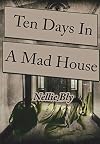
Ten Days in a Mad-House
by Nellie Bly
On This Page
Description
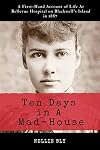
In 1887, Nellie Bly had herself committed to the notorious Blackwell's Island insane asylum in New York City with the goal of discovering what life was like for its patients. While there, Bly experienced firsthand the shocking abuse and neglect of its inmates, from inedible food to horrifyingly unsanitary conditions. Ten Days in a Mad-House is Bly's expose of the asylum. Written for Joseph Pulitzer's New York World, Bly's account chronicles her 10 days at Blackwell's Island and, upon its show more publication, drew public attention to the abuse of the institutionalized and led to a grand jury investigation of the facility. This series of articles established Bly as a pioneering female journalist and remains a classic of investigative reporting. show lessTags
Recommendations


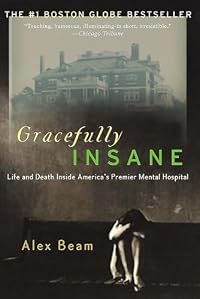

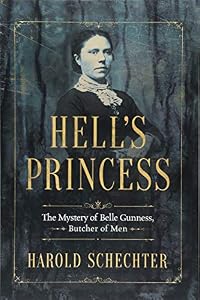

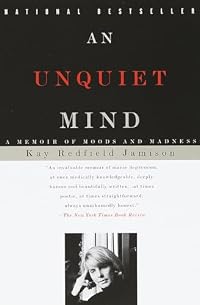
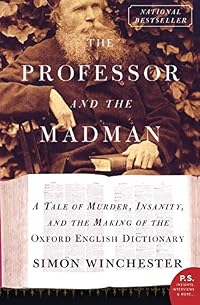

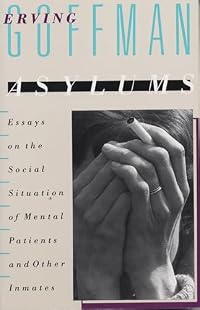

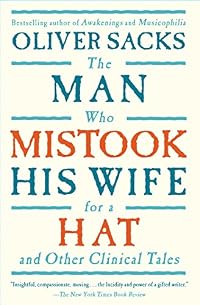

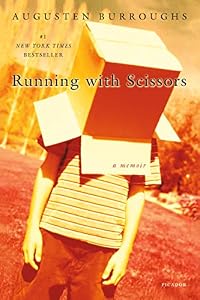
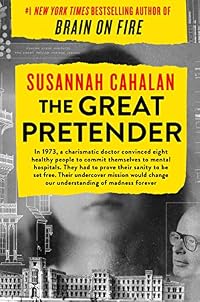







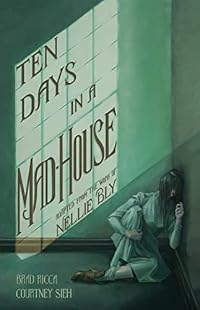













Member Recommendations
Ibuddy66 Learn about the construction of some of the most famous Asylums and the designs employed in the construction and administration. A great historical overview.

The Woman They Could Not Silence: One Woman, Her Incredible Fight for Freedom, and the Men Who Tried to Make Her Disappear by Kate Moore
cbl_tn Both books explore the psychiatric hospitalization of women in the 19th century.
Member Reviews
Well, this was a sobering read. It’s also really good, and it’s freely available online.
Nellie Bly, an investigative journalist from the 1880s, had herself temporarily committed to an asylum for insane women in New York, in order to write a series of articles documenting the (mal)treatments that the inmates were subjected to. This book was a reissue of those articles to satisfy the high demand.
Things start off amusingly, when Bly has to try and convince people to section her -- essentially, she shows up at a short-term lodging place for women and acts suspiciously, while pitying the kind people she is deceiving in the process. But once she is transported to the asylum, she puts on her journalist hat, acts completely normal, and show more records what is allowed to happen to her.
It’s not pretty. The inmates are always cold (due to insufficient clothing, non-existent heating, and cold baths); the food is execrable; they are under constant threat of violence; and humiliations are frequent and issued with glee by the power-tripping staff. The maltreatment of the patients rises to the level of prison camp torture: they are deliberately and methodically kept in a state of sleep deprivation, malnourishment and under-stimulation. Worse: there is no way to prove their sanity, nor will the staff be even willing to listen. A diagnosis equals a sentence for life.
Bly describes a typical day as she underwent them, which is a terrible enough ordeal, and adds other inmates’ stories and experiences -- which are worse (lifelong imprisonment for not speaking English? How xenophobic can your medical system get?). Bly uses no rhetorical flourishes; there is no need for jokes or cutesy asides: drily narrated reality is harsh and unforgiving and undermines trust in fellow human beings, if not in society at large. I knew 19th-century treatment of The Other was atrocious, but reading contemporary reports really drives home that message.
The only good thing about Bly’s undercover stint is that, as a response to this exposé, the city of New York increased the funding (and, through increased inspections, the living standards) of its asylums.
Finally: my edition of this book also contains two shorter articles, in which Bly goes undercover to secure a job as a maid, and works briefly as an inner-city factory girl. Those as well show off her on-point observational skills. Good stuff! show less
Nellie Bly, an investigative journalist from the 1880s, had herself temporarily committed to an asylum for insane women in New York, in order to write a series of articles documenting the (mal)treatments that the inmates were subjected to. This book was a reissue of those articles to satisfy the high demand.
Things start off amusingly, when Bly has to try and convince people to section her -- essentially, she shows up at a short-term lodging place for women and acts suspiciously, while pitying the kind people she is deceiving in the process. But once she is transported to the asylum, she puts on her journalist hat, acts completely normal, and show more records what is allowed to happen to her.
It’s not pretty. The inmates are always cold (due to insufficient clothing, non-existent heating, and cold baths); the food is execrable; they are under constant threat of violence; and humiliations are frequent and issued with glee by the power-tripping staff. The maltreatment of the patients rises to the level of prison camp torture: they are deliberately and methodically kept in a state of sleep deprivation, malnourishment and under-stimulation. Worse: there is no way to prove their sanity, nor will the staff be even willing to listen. A diagnosis equals a sentence for life.
Bly describes a typical day as she underwent them, which is a terrible enough ordeal, and adds other inmates’ stories and experiences -- which are worse (lifelong imprisonment for not speaking English? How xenophobic can your medical system get?). Bly uses no rhetorical flourishes; there is no need for jokes or cutesy asides: drily narrated reality is harsh and unforgiving and undermines trust in fellow human beings, if not in society at large. I knew 19th-century treatment of The Other was atrocious, but reading contemporary reports really drives home that message.
The only good thing about Bly’s undercover stint is that, as a response to this exposé, the city of New York increased the funding (and, through increased inspections, the living standards) of its asylums.
Finally: my edition of this book also contains two shorter articles, in which Bly goes undercover to secure a job as a maid, and works briefly as an inner-city factory girl. Those as well show off her on-point observational skills. Good stuff! show less
لم تحصل الصحفية الامريكية نيلي بلاي على وسام الريادة الصحفية النسائية في أمريكا لمجرد كونها من أوائل النساء اللاتي اقتحمن مجال الصحافة في نهاية القرن التاسع عشر، في وقت لم يكن لهنّ مكان ولم يعترف الرجال بأهليتهن لهذه المهنة.
نيلي أو كما سُجل اسمها رسمياً في شهادة الميلاد اليزابيث جاين كوشران كانت رائدة التقارير الصحفية السرية أو كما تسمى باللغة الانجليزية "Undercover Journalism” إذ أنجزت مهمتها الصحفية الاشهر show more والانجح متخفية في سبيل التحقيق حول الممارسات الخاطئة وأذية نزلاء مأوى الأمراض العقلية بنيويورك "بلاكويل ايلاند".
ولكن كيف كانت صيغة هذا التخفي؟
اضطرت نيلي بلاي لإدعاء الجنون كي يتم ايداعها في المأوى، وطريقها إلى هذا المكان كان محفوفاً بالخطر كونها كانت معروفة لدى بعض رجال الأمن والصحفيين أمثالها.
احتاجت لأن تراوغ وتختار بعناية مكانا مكتظاً بالسكان ليكون مسرح التمثيل الضخم، ففي سكن مخصص للسيدات المقيمات للعمل أو زوار المدينة حجزت غرفة وانتقلت إليها.
وبعد سلسلة من المواقف المحبوكة بعناية وجدت نفسها مع مديرة السكن لدى القاضي الذي لا يمكن ايداع أي مريض في المأوى إلا بعد حكمه عليه رسمياً بالجنون!
في سبتمبر "ايلول" من العام ١٨٨٧م أودعت نيلي في مأوى بلاكويل ايلاند بأمر من القاضي، وهناك ستقضي عشرة أيام من الجحيم كما وصفتها في كتابها "عشرة أيام في بيت للمجانين – Ten Days in a Mad-House” وبينما كانت تعبر البوابة الرئيسة للمكان حدثت نفسها " من يدخل المكان يترك الأمل خلفه ".
في تقريرها الصحفي لجريدة وورلد "World” الذي تحول لاحقا ذلك العام إلى كتاب مدعم برسوم توضيحية انجزتها بلاي في كراسها، تصف نيلي بدقة أنها لم تكن وحدها العاقلة في ذلك المأوى النساء كنّ يودعن فيه لاسباب أخرى عدا الجنون كونهنّ لا يتقن اللغة الانجليزية أو ببساطة يعشن في فقر مدقع!
من خلال تصوير بلاي للحياة خلف جدران بلاكويل تؤكد أنّ السيدات اللاتي لم يعانين من مشكلات عقلية من قبل تحولهن الظروف إلى مجانين بامتياز: “ تأخذ أمرأة عاقلة وصحيحة ذهنياً، تجلسها دون حراك على كرسي قاسي من الخشب بلا مسند للظهر بين الساعة السادسة صباحاً والثامنة مساءاً وتطلب منها الصمت التام، دون مادة للقراءة أو أي خبر عن العالم الخارجي، عاملها بسوء واطعمها بسوء وانظر كيف سيحولها ذلك إلى حطام جسدي وعقلي خلال شهرين فقط".
ولأنها كانت عاقلة وتعي ما يحدث حولها كان وقع المناظر على نفسها أشدّ، حتى وإن كانت تشكك في الطريقة التي ستخرج بها من المأوى لكنها كانت متأكدة من أنها ستترك المكان بمساعدة جريدتها ورجال الأمن إن تطلب الأمر ذلك. كانت طوال تلك الأيام تفكر حسناً وماذا سيحلّ بالنساء الاخريات اذا خرجت وتركتهنّ؟
كان الألم يتضاعف وهي تشاهد الممرضات والاطباء يعاملن النزيلات من سيء لأسوأ خصوصا اللاتي كنّ يدافعن عن أنفسن بعنف وسلسلة العنف تمتد.
أعتقد أن أجواء المكان طبعت للأبد في ذهن نيلي بلاي، الاروقة الباردة الرمادية والأسرة القاسية التي تجبرها على خوض حرب طويلة مع الارق، الجرذان والطعام الذي لا يمكن تسميته بذلك وحمامات الماء الباردة التي تعجّل الاصابة بأمراض الرئة.
بعد خروجها من المأوى مثلت نيلي بلاي أمام هيئة التحكيم الكبرى في نيويورك للادلاء بشهادتها على ما رأته والاجابة على الاسئلة التي آمنت بأنها من خلالها ستتمكن من انقاذ اللاتي تركتهن وراءها.
تلا ذلك زيارة خاصة للمأوى لتحقيق أوسع من قبل الجهات الرسمية، علمت نيلي أن العاملين هناك قد استعدوا للزيارة. وعلى الرغم من المظهر شبه المثالي الذي ظهر عليه المكان أمام التحقيق الرسمي إلا أنها حصلت على ما أرادت وأُقرّت التعديلات المقترحة بالاضافة إلى رفع الميزانية المخصصة لملاجئ ومراكز المرضى العقليين إلى مليون دولار، وهو ما لم يحصل من قبل!
لم تكتفي الصحفية الرائدة بهذا النجاح فقد كانت لها أعمال أخرى كالرحلة التي قطعتها حول العالم في اثنين وسبعين يوماً في محاولة للاقتباس من الكتاب " حول العالم في ثمانين يوماً ".
التحقيقات الصحفية السرية بدأت من عصر نيلي بلاي وما زالت حتى يومنا هذا، تجريها كبريات الصحف والقنوات الاخبارية الشهيرة حول العالم.
شجاعة الآنسة بلاي صنعت تغييراً ولم تجعلها صحفية حقيقية فقط، بل إنسانة حقيقية بحسّ عالي بالمسؤولية تجاه الاخرين. show less
نيلي أو كما سُجل اسمها رسمياً في شهادة الميلاد اليزابيث جاين كوشران كانت رائدة التقارير الصحفية السرية أو كما تسمى باللغة الانجليزية "Undercover Journalism” إذ أنجزت مهمتها الصحفية الاشهر show more والانجح متخفية في سبيل التحقيق حول الممارسات الخاطئة وأذية نزلاء مأوى الأمراض العقلية بنيويورك "بلاكويل ايلاند".
ولكن كيف كانت صيغة هذا التخفي؟
اضطرت نيلي بلاي لإدعاء الجنون كي يتم ايداعها في المأوى، وطريقها إلى هذا المكان كان محفوفاً بالخطر كونها كانت معروفة لدى بعض رجال الأمن والصحفيين أمثالها.
احتاجت لأن تراوغ وتختار بعناية مكانا مكتظاً بالسكان ليكون مسرح التمثيل الضخم، ففي سكن مخصص للسيدات المقيمات للعمل أو زوار المدينة حجزت غرفة وانتقلت إليها.
وبعد سلسلة من المواقف المحبوكة بعناية وجدت نفسها مع مديرة السكن لدى القاضي الذي لا يمكن ايداع أي مريض في المأوى إلا بعد حكمه عليه رسمياً بالجنون!
في سبتمبر "ايلول" من العام ١٨٨٧م أودعت نيلي في مأوى بلاكويل ايلاند بأمر من القاضي، وهناك ستقضي عشرة أيام من الجحيم كما وصفتها في كتابها "عشرة أيام في بيت للمجانين – Ten Days in a Mad-House” وبينما كانت تعبر البوابة الرئيسة للمكان حدثت نفسها " من يدخل المكان يترك الأمل خلفه ".
في تقريرها الصحفي لجريدة وورلد "World” الذي تحول لاحقا ذلك العام إلى كتاب مدعم برسوم توضيحية انجزتها بلاي في كراسها، تصف نيلي بدقة أنها لم تكن وحدها العاقلة في ذلك المأوى النساء كنّ يودعن فيه لاسباب أخرى عدا الجنون كونهنّ لا يتقن اللغة الانجليزية أو ببساطة يعشن في فقر مدقع!
من خلال تصوير بلاي للحياة خلف جدران بلاكويل تؤكد أنّ السيدات اللاتي لم يعانين من مشكلات عقلية من قبل تحولهن الظروف إلى مجانين بامتياز: “ تأخذ أمرأة عاقلة وصحيحة ذهنياً، تجلسها دون حراك على كرسي قاسي من الخشب بلا مسند للظهر بين الساعة السادسة صباحاً والثامنة مساءاً وتطلب منها الصمت التام، دون مادة للقراءة أو أي خبر عن العالم الخارجي، عاملها بسوء واطعمها بسوء وانظر كيف سيحولها ذلك إلى حطام جسدي وعقلي خلال شهرين فقط".
ولأنها كانت عاقلة وتعي ما يحدث حولها كان وقع المناظر على نفسها أشدّ، حتى وإن كانت تشكك في الطريقة التي ستخرج بها من المأوى لكنها كانت متأكدة من أنها ستترك المكان بمساعدة جريدتها ورجال الأمن إن تطلب الأمر ذلك. كانت طوال تلك الأيام تفكر حسناً وماذا سيحلّ بالنساء الاخريات اذا خرجت وتركتهنّ؟
كان الألم يتضاعف وهي تشاهد الممرضات والاطباء يعاملن النزيلات من سيء لأسوأ خصوصا اللاتي كنّ يدافعن عن أنفسن بعنف وسلسلة العنف تمتد.
أعتقد أن أجواء المكان طبعت للأبد في ذهن نيلي بلاي، الاروقة الباردة الرمادية والأسرة القاسية التي تجبرها على خوض حرب طويلة مع الارق، الجرذان والطعام الذي لا يمكن تسميته بذلك وحمامات الماء الباردة التي تعجّل الاصابة بأمراض الرئة.
بعد خروجها من المأوى مثلت نيلي بلاي أمام هيئة التحكيم الكبرى في نيويورك للادلاء بشهادتها على ما رأته والاجابة على الاسئلة التي آمنت بأنها من خلالها ستتمكن من انقاذ اللاتي تركتهن وراءها.
تلا ذلك زيارة خاصة للمأوى لتحقيق أوسع من قبل الجهات الرسمية، علمت نيلي أن العاملين هناك قد استعدوا للزيارة. وعلى الرغم من المظهر شبه المثالي الذي ظهر عليه المكان أمام التحقيق الرسمي إلا أنها حصلت على ما أرادت وأُقرّت التعديلات المقترحة بالاضافة إلى رفع الميزانية المخصصة لملاجئ ومراكز المرضى العقليين إلى مليون دولار، وهو ما لم يحصل من قبل!
لم تكتفي الصحفية الرائدة بهذا النجاح فقد كانت لها أعمال أخرى كالرحلة التي قطعتها حول العالم في اثنين وسبعين يوماً في محاولة للاقتباس من الكتاب " حول العالم في ثمانين يوماً ".
التحقيقات الصحفية السرية بدأت من عصر نيلي بلاي وما زالت حتى يومنا هذا، تجريها كبريات الصحف والقنوات الاخبارية الشهيرة حول العالم.
شجاعة الآنسة بلاي صنعت تغييراً ولم تجعلها صحفية حقيقية فقط، بل إنسانة حقيقية بحسّ عالي بالمسؤولية تجاه الاخرين. show less
Ten Days in a Mad-House by Nellie Bly was a complete gamble. I saw it as a free download on my Kindle and I snatched it up on a whim. This is the true account of a young female reporter who lied her way into the Women's Lunatic Asylum on Blackwell's Island in New York. Originally published as a series of articles in 1887, Ten Days in a Mad-House is shocking in its stark depiction of how 'insane' women are treated. Nellie describes women who are no more mentally deficient than she herself is (and once inside she asserted again and again her sanity and acted no different than she would had she her freedom). The horrific conditions of the facilities and the demoralizing treatment heaped upon them by the staff at the asylum were startling show more to say the least (and absolutely disgusting). After reading this small book, I decided to do a little research into Bly and discovered that beyond being an advocate for women's rights she was also an inventor and an adventurer. (She traveled around the world in a record-breaking 72 days!) This was a short little book that packed a big punch due to its subject matter and the passion with which Bly clearly had for improving the situation of those deemed 'mentally insane'. In those days, you could get rid of the unwanted women in your life by simply dropping them off at the asylum and saying they were 'crazy'. The vetting process was nearly nonexistent and any attempt to assert your sanity was dismissed offhand. I recommend this for anyone in the mood for a fast nonfiction book from a voice that is both intelligent and impassioned. 8/10 show less
This is a very fast and engrossing read. It is the author's first-person account of her successful attempt to gain access to an insane asylum to see its inner workings. The original story was apparently published as a series of news articles in the late 1800s and then turned into a book.
The book is highly readable and moves at a fast clip. It is a fascinating insight into both insane asylums and the prevailing attitude toward mental illness (and the relationship between mental illness and poverty) of the times. Nellie Bly is sympathetic toward the women incarcerated in the insane asylum and her descriptions of life inside are vivid, heartbreaking, and disturbing, but not altogether depressing, since Bly does find humor where she can. I show more have read historical accounts of hospitals where patients were locked up against their will, but this is probably one of the most accessible books on the subject. Despite the fact that the story is well over a century old, it is written in the clear and concise style of an unbiased journalist and does not feel dated. show less
The book is highly readable and moves at a fast clip. It is a fascinating insight into both insane asylums and the prevailing attitude toward mental illness (and the relationship between mental illness and poverty) of the times. Nellie Bly is sympathetic toward the women incarcerated in the insane asylum and her descriptions of life inside are vivid, heartbreaking, and disturbing, but not altogether depressing, since Bly does find humor where she can. I show more have read historical accounts of hospitals where patients were locked up against their will, but this is probably one of the most accessible books on the subject. Despite the fact that the story is well over a century old, it is written in the clear and concise style of an unbiased journalist and does not feel dated. show less
I've always loved journalist Nellie Bly, who broke down barriers for women in the field during her time at the New York World newspaper in the late 19th century. This is the actual account of her time in the Blackwell’s Island Lunatic Asylum. She got herself committed in order to find out the true conditions. They were atrocious and her article led to one million more dollars being allocated to improve the asylum. She gives a straightforward account of her time, but reading between the lines, it's easy to see how terrifying her time in the asylum must have been.
My fascination with this book came when my students had to read an excerpt in my Middle School English class. They struggled to understand why someone would purposely get themselves committed to an asylum. Nellie Bly had a lot of guts in my mind. First of all she was a female living in a male dominated world. Many women were put away by husbands who no longer wanted them around. Nellie Bly wished to let the world know what actually went on inside. Why you may ask. There was no one to speak for those women. Bly came up with a plan to tell their story. She got herself committed by acting like she was insane and used a fake last name. They sent her to the asylum where she spoke with these women and documented the abuses they suffered. She show more had pre-arranged with her editor to have them get her out after ten days. She exposed the atrocities and created change. show less
Nellie Bly was a reporter in New York who convinced the courts that she was insane and got herself locked away at Blackwell's Island. Her expose of the conditions there led to increased care and resources given to the patients. What really shocked me about this piece was not the terrible treatment the patients endured, but how easily, and on what tenuous grounds, women were declared insane.
Members
- Recently Added By
Published Reviews
I'm finally reading this!! You can broaden your audience by publishing your story on NovelStar Mobile App.
added by rhyleedeign
Lists

My Year Spent Doing Something Stupid so I Could Write This Book
31 works; 5 members

Best Biographies of Notable Women
277 works; 101 members
Author Information

29+ Works 1,235 Members
Work Relationships
Has the adaptation
Common Knowledge
- Canonical title
- Ten Days in a Mad-House
- Original title
- Ten Days in a Madhouse
- Alternate titles
- Ten Days in a Madhouse
- Original publication date
- 1887
- People/Characters
- Nellie Bly; Frank Ingram (doctor); E. C. Dent (doctor); Tillie Mayard; Anne Neville; Annie Grupe (nurse)
- Important places
- Blackwell's Island, New York, USA; Roosevelt Island, New York, New York, USA; New York City Lunatic Asylum, Blackwell's Island, New York, USA
- First words
- On the 22nd of September I was asked by the World if I could have myself committed to one of the asylums for the insane in New York, with a view to writing a plain and unvarnished narrative of the treatment of the pati... (show all)ents therein and the methods of management, etc.
Since my experiences in Blackwell's Island Insane Asylum were published in the World I have received hundreds of letters in regard to it. - Last words
- (Click to show. Warning: May contain spoilers.)I have one consolation for my work–on the strength of my story the committee of appropriation provides $1,000,000 more than was ever before given, for the benefit of the insane.
(Click to show. Warning: May contain spoilers.)I have seen many worse girls in much higher positions than the white slaves of New York. - Original language
- English
Classifications
- Genres
- Nonfiction, General Nonfiction, Biography & Memoir
- DDC/MDS
- 362.2 — Social sciences Social problems and social services Social problems of and services to groups of people Mental illness
- LCC
- RC606 .C7 — Medicine Internal medicine Internal medicine Specialties of internal medicine Immunologic diseases. Allergy
- BISAC
Statistics
- Members
- 873
- Popularity
- 30,910
- Reviews
- 45
- Rating
- (3.81)
- Languages
- 8 — Catalan, English, Finnish, French, German, Italian, Portuguese (Portugal), Spanish
- Media
- Paper, Audiobook, Ebook
- ISBNs
- 85
- UPCs
- 1
- ASINs
- 33