On This Page
Description
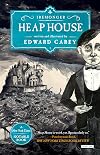
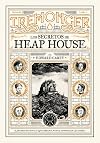
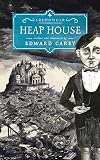
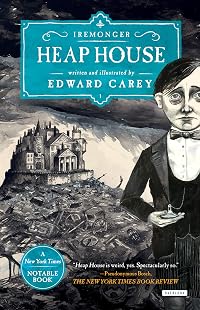
Young Clod, living in his family's mansion amongst a mass of shifting forgotten items, becomes aware of the items whispering to him and senses a growing storm ahead, needing the help of an orphan servant to unravel the mystery. "Young Clod is an Iremonger. He lives at Heap House, his family's mansion at the center of the Heaps, a vast sea of lost and discarded items whose ever-shifting masses have been known to swallow people alive. The Iremongers are an odd old family, each the owner of a show more Birth Object they must keep with them at all times. Clod is perhaps the oddest of all--his gift and his curse is that he can hear all of the objects of Heap House whispering. Yes, a storm is brewing over Heap House. The Iremongers are growing restless and the house's many objects are showing strange signs of life. Clod is on the cusp of being 'trousered' and married off (unhappily) to his cousin Pinalippy when he meets the plucky orphan servant Lucy Pennant, with whose help he begins to uncover the dark secrets of his family's empire."--Publisher's website. show lessTags
Recommendations

Member Recommendations
Member Reviews
Clod Iremonger grows up in Heap House, Forlichingham, London, among many members of his family. The Iremongers have made their fortune from the enormous dust heaps that surround the house on all sides, reaching as far as the eye can see. One day, a young orphan called Lucy Pennant joins the household as a serving girl, and the lives of everyone in Heap House will never be the same again ...
Prepare yourself for a wildly imaginative, compellingly gothic, refreshingly eccentric, surprising, unpredictable, fantastic, bizarre, macabre, unexpectedly poignant and yet psychologically mature novel with lots of undercurrents, and illustrations by the author that enhance the reading experience no end. Told principally with Clod and Lucy's voices, show more Clod Iremonger must be one of the most unlikely heroes I've yet encountered in fiction, and I almost wanted to cheer when his moment comes. This is a book that sweeps the reader before it, as do the dust heaps in a storm; and yet Clod and Lucy's voices at times just sound too similar, the confusing timeline at the beginning of the book and a seeming contradiction at the end mean I can't award it the full five stars. With a terrific cliff-hanger at the end of the novel I can't wait for the second volume in the trilogy. Recommended for grown-ups and teenagers alike. If Dickens had been on drugs, this might have been the book he'd written. show less
Prepare yourself for a wildly imaginative, compellingly gothic, refreshingly eccentric, surprising, unpredictable, fantastic, bizarre, macabre, unexpectedly poignant and yet psychologically mature novel with lots of undercurrents, and illustrations by the author that enhance the reading experience no end. Told principally with Clod and Lucy's voices, show more Clod Iremonger must be one of the most unlikely heroes I've yet encountered in fiction, and I almost wanted to cheer when his moment comes. This is a book that sweeps the reader before it, as do the dust heaps in a storm; and yet Clod and Lucy's voices at times just sound too similar, the confusing timeline at the beginning of the book and a seeming contradiction at the end mean I can't award it the full five stars. With a terrific cliff-hanger at the end of the novel I can't wait for the second volume in the trilogy. Recommended for grown-ups and teenagers alike. If Dickens had been on drugs, this might have been the book he'd written. show less
show more
How it started
It all really began, all the terrible business that followed, on the day Aunt Rosamud's door handle went missing. It was my aunt's particular door handle, a brass one.
[...]
There hadn't been such a fuss since my Great Uncle Pitter lost his safety pin. On that occasion there was searching all the way up and down the building only for it to be discovered that poor old Uncle had had it all along, it had fallen through the ripped lining of his jacket pocket.
I was the one that found it.
They looked at me queerly afterwards, my family did, or I should say more queerly, because I was never absolutely trusted and was often shooed from place to place. After the safety pin was found it seemed to confirm something more in my family,
and some of my aunts and cousins would steer clear of me, not even speaking to me,show less
[...]
'But how could you tell Clod?' my relations wondered. 'How could you know the safety pin was there?'
'I heard it,' I said, 'calling out.'
From the publisher's summary: 'The extensive Iremonger family of Filching (“kings of mildew, moguls of mould”) has made a fortune from junk, building a dark and sprawling mansion from salvage scrap. Heap House is surrounded by the dangerous, noxious, shifting Heaps that stretch beyond its bounds, while within its walls, certain objects begin to display strange signs of life.'
I simply loved this book which is beyond a doubt Dickensian in some of its themes; we've got orphans and dirt heaps (taken directly from Dickens's [Our Mutual Friend]) as the main protagonists of the story, and though each book isn't especially long, I suppose the trilogy as a whole might be considered Dickensian in length as well, if it ever gets published in one tome. Clod Iremonger is a descendant of a family dynasty which was literally built out of garbage. The family home, commonly referred to as Heap House is composed of sections of former London dwellings and places of business and it stands in the midst of The Heaps; mounds of discarded objects from the big city which unfortunate workers spend their days sorting through. Unfortunate because it seems the heaps have their own laws of physics and are constantly in motion, and anyone can go under and disappear for good if they aren't properly tethered and dressed in full protective gear before approaching them.
The story takes place in an alternative 19th century England. The year is 1875, during which times common folk are known to suffer from a terrible disease which literally 'objectifies' them: one day cracks start appearing on a person's body, and the next they are transformed into an object—anything from a bathtub to a teapot to a box of matches or nose tweezers. The Iremongers, who lord it over everyone, live by one strict rule, which is that each family member is given a "birth object" from early infancy, and they are instructed to keep this object about their person at all times. This can be easily done when the object is portable, such as Clod's universal plug, but less so when it takes the form of a marble fireplace, such as his venerable grandmother has been saddled with, which has always prevented her from leaving her rooms, though it hasn't stopped her from ruling with an iron fist (she is the one who assigns the birth objects, which are thought to be highly personal and indicative of an individual's personality). Clod's peculiar gift for "hearing" the objects has gotten him in trouble with the family. Already shunned by his grandmother who holds him responsible for the death of her daughter, who died giving him birth, he is considered strange and unstable. Most of the objects in the house call out names to Clod, and the one he hears most often is his own universal plug, which continually calls out 'James Henry Hayward' in a young pleasant voice. Other than specific names, which they repeat whenever they are within hearing distance, they seem to have nothing else to say however... but surely there is a deeper significance here?! and of course there is, as we discover with the unfolding of events.
As any proper Victorian household, the family live 'upstairs' and the servants live 'downstairs'. The lower orders must never be seen by the family, although they themselves are considered as family too. In fact each person who works in Heap House is called 'Iremonger' and has forgotten whatever her or his name was before entering the house. We meet Lucy Pennant in the third chapter; she like Clod is another orphan, who lost both her parents to the strange disease (we learn what objects they've become in the second book). She has just been brought to the house and is assigned the task of looking after the house's fire grates. Lucy Pennant is a redhead with a strong personality, who is 'freckled and spotted and moled' and has teeth which are 'not quite white' and one tooth which is crooked... she has no intention of letting anyone letting her forget her own name. She also has no intention of blindly following the rules, which forbid her from exploring around the house, which is how she comes to meet Clod Iremonger. Inevitably, a friendship develops between them, which will turn Heap House inside out and be the cause of incredible events.
An exciting adventure story with great themes: 'Delightful, eccentric, heartfelt, surprising, philosophical.' is what Booker Prize winner Eleanor Catton had to say about this trilogy, and I must say I wholeheartedly agree with her. I'm more than halfway through [Foulsham], book 2 in the trilogy, and will no doubt tackle [Lungdon], which came to my attention via NPR's praise in their 2015 roundup, very soon too.
I came upon Edward Carey's Iremonger series by mistake. I don't mean that I stumbled across his books and didn't know what I was getting into…it was more that I had Mr. Carey mixed up with Edward GOREY. If you've seen their artwork at a glance then you might see how I came to make such a grievous error. I had seen some of Gorey's art a few years ago and made a note to grab some of his work…and then I was recommended this trilogy and thought I had finally got around to completing my goal. However, I think this was a happy accident because I really enjoyed this disturbing set of books. Firstly, I appreciate authors who do their own illustrations because they see their characters and worlds most clearly and they tend to feel like show more living things instead of one dimensional drawings. Heap House, Foulsham, and Lungdon make up the Iremonger trilogy and they chronicle the story of that clan of foul, loathsome dealers of filth, the Iremongers. In particular, these books detail the misadventures of Clod Iremonger and the irascible Lucy Pennant. Even though this sits on the shelves of the young adult section and are chock full of illustrations I must caution that no punches are pulled. All that is base and evil is dragged to the front and shown in shocking detail which is probably why I like it so much. There are no characters without flaws. However, this is not to say that this is told in a realistic fashion because if it was then I'd immediately fear for our very lives. The Heaps are made up of all the trash of that great offal generating city that goes by the name of London. The Iremongers are Regents of the refuse and under them are the residents of Forlinchingam (or Foulsham as it comes to be called). They are kept separate from London (Lungdon to some) by giant walls. You'd think this cruel enough but there's a terrible illness striking at the people. It's ridiculous. It's unsettling. It's…well I don't want to give the game away. 😁 Fair to say, this Victorian tale has evildoers, unlikely heroes, romance, and lots of rubbish besides. My one complaint is that I felt the ending didn't meet the expectations created by the buildup of the story arc. It wasn't bad but it lacked the punch that I wanted. I do think this is worth a read if for nothing else than for the ghastly illustrations which I absolutely adored. 9/10 show less
Inbred magical steampunk hoarders. Now, why didn't I think of that? Because I lack the imaginative chops for any such concept, much less the ability to execute it in writing. The only reason this book doesn't have five stars is because, based on the screaming wit of the dialogue on one single page (the one where the heroine is about to risk her life venturing 500 yards into the Heaps, and has this boy for an Anchor who should have been a main character, he was so hilarious), I felt the author was holding out on me. More comical relief along the same lines would have been great. Also it needs more illustrations. However, this is totally my kind of thing, a sort of Dahlesque, Snickety flight of dark fantasy set in a Ghormenghastic garbage show more pile outside of London. Sign me up for the whole trilogy. show less
Even among the eccentric Iremongers, Clod is different: he can hear objects talking. It's been this way all his life, but things come to a head when he meets serving girl Lucy Pennant, a newcomer to Heap House, who is not yet accustomed to the Iremongers, their strange ways, and life among the Heaps.
This is a very difficult book to summarize, because (like the Iremongers themselves, perhaps?) it's just so very quirky. The real feat revealed in the writing is that, for all of the story's outright weirdness, it's a compelling read. It does end on something of a cliffhanger, so be forewarned.
This is a very difficult book to summarize, because (like the Iremongers themselves, perhaps?) it's just so very quirky. The real feat revealed in the writing is that, for all of the story's outright weirdness, it's a compelling read. It does end on something of a cliffhanger, so be forewarned.
According to Wikipedia, "Steampunk refers to a subgenre of science fiction and sometimes fantasy that incorporates technology and aesthetic designs inspired by 19th-century industrial steam-powered machinery." I'm not sure this really falls into the category of steampunk, and in fact I have not read much steampunk (I'm not much of a sci-fi reader generally), but that word kept popping into my head as I plowed through this. It describes a world which is covered by garbage, and in the middle of the garbage-filled world (the Heaps) is a family home, a mansion really, which is occupied by the Iremonger family and its myriad Serving Iremongers (people who are kidnapped or otherwise recruited from among the unfortunate classes, to give up show more their identities and serve the ruling family). That seems pretty dark, right? Well, it gets even darker, as the truth about the Iremongers and their inanimate "birth objects" becomes clear over the course of the story. The narrative follows Clod Iremonger and Lucy Pennant, an accidental interloper into this weird world. One of the most interesting conceits in this story is the strangeness of the names: Clod, Tummis, Ormily et al, names which are almost familiar but somehow warped, just like the world they inhabit. That Lucy is the only "normal" name should be a clue to the way the story progresses, but I don't usually pick up on those kinds of clues. This is supposed to be a YA book (or even a middle-grade book), but some of the concepts here are very sophisticated, and certainly the world and the story playing out are extremely dark. I suppose a less sophisticated reader could take it for a kind of sci-fi romp, but there is much more to it than that. Weirdly enjoyable though, and given the way it ended (no spoilers here!) I shall add the next installment to my reading list. show less
Es un libro muy raro. Últimamente digo eso de todo lo que leo pero es que realmente es raro. Es una familia muy rara en un sitio muy raro, rodeado por aún más cosas raras. Empiezan a pasar, cómo no, cosas raras, y todo se vuelve más raro aún y acaba rarísimo. Pero me ha gustado. Es súper original.
Al principio el libro me provocaba desazón, me quedaba muy decaída después de leer un rato. Por suerte, hacia la mitad dejó de suceder. No sé si es por la mezcla de los dibujos (que son realistas y dan malrollito), el tono de la narración y la pobre familia esta, o yo que tenía un mal día, varios días seguidos. Lo bueno es que se lee muy rápido, así que no he sufrido mucho y de desazón por esta pobre gente condenada ha show more pasado a «pero bueno, no pasa nada, son todos raros y no conocen otra cosa». Ningún personaje me ha caído especialmente bien o mal, simplemente están ahí, algunos mejor que otros pero si les ha pasado algo ha sido un poco «ah, vaya, bueno, esta es su vida ahora, a ver qué pasa con los demás».
Las cosas raras que pasan las vas aceptando porque todo es tan raro que es normal, así que da igual.
Y la casa. La casa es lo mejor. Y lo peor. Lo mejor porque es gigante, en las guardas del libro hay sendos planos de la casa con todas sus habitaciones y recovecos y mola mucho todo, sería una casa genial para explorar, vivir y perderse en ella. Lo malo es que no salen nunca de allí, así que puede ser una vida muy triste. Pero, con lo enorme que es, algunos quizá ni lo necesiten.
El resultado es que esa familia es como una secta, con sus reglas, restricciones, doctrinas y autoconvencimientos (la caverna de Platón se me viene a la mente).
Al final esto no es una reseña ni es nada, pero yo necesitaba soltar algunas palabras sobre este libro y este rinconcito me ha permitido hacerlo.
Ya me he empezado el segundo.
Edit:
A todo esto, no sé por qué no han traducido Heap House, si «Casa de los Cúmulos» queda perfectamente y tiene la misma aliteración (y de hecho no paran de hablar de los cúmulos, no es que fuera un nombre y ya). show less
Al principio el libro me provocaba desazón, me quedaba muy decaída después de leer un rato. Por suerte, hacia la mitad dejó de suceder. No sé si es por la mezcla de los dibujos (que son realistas y dan malrollito), el tono de la narración y la pobre familia esta, o yo que tenía un mal día, varios días seguidos. Lo bueno es que se lee muy rápido, así que no he sufrido mucho y de desazón por esta pobre gente condenada ha show more pasado a «pero bueno, no pasa nada, son todos raros y no conocen otra cosa». Ningún personaje me ha caído especialmente bien o mal, simplemente están ahí, algunos mejor que otros pero si les ha pasado algo ha sido un poco «ah, vaya, bueno, esta es su vida ahora, a ver qué pasa con los demás».
Las cosas raras que pasan las vas aceptando porque todo es tan raro que es normal, así que da igual.
Y la casa. La casa es lo mejor. Y lo peor. Lo mejor porque es gigante, en las guardas del libro hay sendos planos de la casa con todas sus habitaciones y recovecos y mola mucho todo, sería una casa genial para explorar, vivir y perderse en ella. Lo malo es que no salen nunca de allí, así que puede ser una vida muy triste. Pero, con lo enorme que es, algunos quizá ni lo necesiten.
El resultado es que esa familia es como una secta, con sus reglas, restricciones, doctrinas y autoconvencimientos (la caverna de Platón se me viene a la mente).
Al final esto no es una reseña ni es nada, pero yo necesitaba soltar algunas palabras sobre este libro y este rinconcito me ha permitido hacerlo.
Ya me he empezado el segundo.
Edit:
A todo esto, no sé por qué no han traducido Heap House, si «Casa de los Cúmulos» queda perfectamente y tiene la misma aliteración (y de hecho no paran de hablar de los cúmulos, no es que fuera un nombre y ya). show less
Members
- Recently Added By
Lists

Books Read in 2016
4,666 works; 199 members

Overdue Podcast
806 works; 9 members

At the Library
217 works; 1 member
Author Information

15+ Works 2,321 Members
Only thirty years old, Edward Carey has already achieved success as a playwright & as an illustrator. (Bowker Author Biography)
Awards and Honors
Awards
Distinctions
Notable Lists
Series


Common Knowledge
- Canonical title
- Heap House
- Original publication date
- 2013
- People/Characters
- Clod Iremonger; Lucy Pennant; Tummis Iremonger; Moorcus Iremonger; Aliver Iremonger; Cusper Iremonger (show all 19); Rosamud Iremonger; Timfy Iremonger; Ormily Iremonger; Claar Piggott; Olbert Sturridge; Ingus Briggs; Pinalippy Iremonger; Orris Groom; Odith Groom; Solly Smith; Umbitt Iremonger; Ommaball Oliff Iremonger; Idwid Iremonger
- Important places
- Forlichingham, London, England, UK
- Dedication
- For my brother James (1966–2012)
- First words
- It all really began, all the terrible business that followed, on the day Aunt Rosamud's door handle went missing. It was my aunt's particular door handle, a brass one.
- Last words
- (Click to show. Warning: May contain spoilers.)'London,' he says, 'Filching.'
- Publisher's editor
- O'Connor, Sara
- Blurbers
- Catton, Eleanor
- Original language
- English
Classifications
Statistics
- Members
- 385
- Popularity
- 81,327
- Reviews
- 21
- Rating
- (3.79)
- Languages
- 9 — Catalan, Chinese, English, French, German, Italian, Portuguese, Romanian, Spanish
- Media
- Paper, Audiobook, Ebook
- ISBNs
- 26
- ASINs
- 10