On This Page
Description
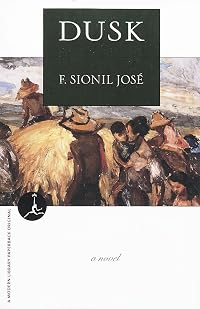
With Dusk (originally published in the Philippines as Po-on), F. Sionil Jose begins his five-novel Rosales Saga, which the poet and critic Ricaredo Demetillo called "the first great Filipino novels written in English." Set in the 1880s, Dusk records the exile of a tenant family from its village and the new life it attempts to make in the small town of Rosales. Here commences the epic tale of a family unwillingly thrown into the turmoil of history. But this is more than a historical novel; it show more is also the eternal story of man's tortured search for true faith and the larger meaning of existence. Jose has achieved a fiction of extraordinary scope and passion, a book as meaningful to Philippine literature as One Hundred Years of Solitude is to Latin American literature. "The foremost Filipino novelist in English, his novels deserve a much wider readership than the Philippines can offer."--Ian Buruma, New York Review of Books "Tolstoy himself, not to mention Italo Svevo, would envy the author of this story."--Chicago Tribune show lessTags
Recommendations



















Member Reviews
Po-on (also published as Dusk) is the first chronological part of F. Sionil José's epic story consisting of five volumes and collectively known as the Rosales saga. It is a historical and political novel set in Luzon Island during the last days of Spanish rule in the Philippines in late 19th century up to the entry of American imperialists. It traces the southward journey of an extended family evicted from their homes by Spanish authorities. The Salvador family's journey is marked by indescribable hardship. It also depicts the enduring character of small peoples and their continuing struggle against colonial powers (Spanish and American) and greedy landowners.
The novel is written in very spare, very transparent, and direct prose, show more devoid of any flourishes yet lyrical nonetheless. F. Sionil José is always spoken of as a contender for the Nobel Prize for Literature. That he hasn't won yet may be explained by the fact that he is not what one would usually consider a prose stylist and that his novels are sometimes weighed down by their political themes. Among Filipino novelists in the English language, the late Nick Joaquín and N. V. M. Gonzalez are arguably better writers than him. Even so, his engagement with questions of national identity and social justice makes him a novelist worth reading. His aesthetic can be summed up by the words of one of this novel's pivotal characters:
"Remember, Eustaquio, these are curtains to a window. And the words are themselves the window. First, the writing must be neat but not ornate for if I wanted beautiful letters, then I would have nothing but a page of the alphabet in ornate lettering. The Chinese consider calligraphy as an art form and it could be beautiful, but attention, as tradition demands, is drawn to the shape of the characters themselves. Great calligraphers are, therefore, great poets, too. But you are not Chinese. Words should not hinder the expression of thought unless one is expressing poetry. I am not writing poetry; I am writing to convince people of the validity of our struggle, its righteousness, and the utter fallacy and hypocrisy of the Americans in saying we are not capable of self-government."
show less
The novel is written in very spare, very transparent, and direct prose, show more devoid of any flourishes yet lyrical nonetheless. F. Sionil José is always spoken of as a contender for the Nobel Prize for Literature. That he hasn't won yet may be explained by the fact that he is not what one would usually consider a prose stylist and that his novels are sometimes weighed down by their political themes. Among Filipino novelists in the English language, the late Nick Joaquín and N. V. M. Gonzalez are arguably better writers than him. Even so, his engagement with questions of national identity and social justice makes him a novelist worth reading. His aesthetic can be summed up by the words of one of this novel's pivotal characters:
"Remember, Eustaquio, these are curtains to a window. And the words are themselves the window. First, the writing must be neat but not ornate for if I wanted beautiful letters, then I would have nothing but a page of the alphabet in ornate lettering. The Chinese consider calligraphy as an art form and it could be beautiful, but attention, as tradition demands, is drawn to the shape of the characters themselves. Great calligraphers are, therefore, great poets, too. But you are not Chinese. Words should not hinder the expression of thought unless one is expressing poetry. I am not writing poetry; I am writing to convince people of the validity of our struggle, its righteousness, and the utter fallacy and hypocrisy of the Americans in saying we are not capable of self-government."
show less
as with his other novels i've read, f. sionil jose poignanly reminds me of my origins, and that the story he tells is essentially mine.
Wow. This is such a beautiful novel. The prose is like poetry.
Je n’ai aucune idée de comment j’ai découvert et acheté ce livre probablement plus ou moins au moment de sa parution. Et je n’ai aucune idée de pourquoi j’ai mis tout ce temps à le lire… Enfin si, il était gros et n’était jamais dans les cartons des déménagements de ces dernières années. Mais maintenant que je l’ai lu, je me sens prête à lire les suivants dans cette série. Car il s’agit d’une série de cinq livres qui retrace, à travers l’histoire d’une famille, l’histoire des Philippines au cours des deux derniers siècles.
Po-on est le premier volume au sens chronologique de l’histoire, mais pas de la publication, c’est même le dernier que Francisco Sionil José a écrit et, d’après ce show more qu’il écrit dans la postface, un des plus difficiles à écrire. Peut-être à cause de la distance historique, ou peut-être parce que c’est à ce moment que l’auteur place la naissance de cette famille qui lui tient tant à cœur, les Rosales. Et tout commence avec Eustaquio, un jeune enfant qui bénéficie d’une éducation poussée grâce à la sollicitude d’un père jésuite, mais qui ne pourra entrer dans les ordres et suivre la voie toute tracée d’une ascension sociale limitée mais désirée. Mais Eustaquio sera un paysan, comme ses parents et comme ses frères, et il le sera dans un nouveau village, arraché à la forêt luxuriante. Il sera aussi le chef officieux du village, et il sera le guérisseur, se partageant entre sa famille et sa communauté, et s’écartelant entre les traditions qu’il a toujours connues et les croyances auxquelles il a été initiées. Mais nous sommes encore au temps de la domination espagnole, et c’est aussi une question d’allégeance.
C’est tous ces tiraillements que Francisco Sionil José met en scène dans ce roman, celui d’un homme et celui d’un peuple aussi, un peuple qui cherche sa voie et qui cherche son indépendance. Le roman ne finit pas bien, parce qu’après la colonisation espagnole, c’est celle des Etats-Unis qui se met en place, mais c’est aussi un livre d’espoir, un livre sur le chemin. Le chemin qu’un homme doit faire pour apprendre à être lui-même, et en parallèle le chemin qu’un peuple doit faire pour trouver sa voix.
Un livre très intéressant, probablement le premier roman philippin que je lis, qui m’a beaucoup appris sur l’histoire des Philippines au XIXème siècle, que j’ignorais encore plus que je ne le pensais. Mais un livre intéressant aussi pour les portraits qu’il brosse, diversifiés dans leurs origines ethniques et sociales, dans leurs parcours et leurs opinions, à l’image de la société philippine dont Francisco Sionil José veut rendre compte, et surtout, au centre de cette histoire, le portrait tout en nuances, en contradictions peut-être même parfois, d’Eustaquio, cet homme à la croisée de plusieurs mondes qui incarne, probablement à son corps défendant, les Philippines en construction, une nation en devenir dont ce livre illustre les premiers pas. show less
Po-on est le premier volume au sens chronologique de l’histoire, mais pas de la publication, c’est même le dernier que Francisco Sionil José a écrit et, d’après ce show more qu’il écrit dans la postface, un des plus difficiles à écrire. Peut-être à cause de la distance historique, ou peut-être parce que c’est à ce moment que l’auteur place la naissance de cette famille qui lui tient tant à cœur, les Rosales. Et tout commence avec Eustaquio, un jeune enfant qui bénéficie d’une éducation poussée grâce à la sollicitude d’un père jésuite, mais qui ne pourra entrer dans les ordres et suivre la voie toute tracée d’une ascension sociale limitée mais désirée. Mais Eustaquio sera un paysan, comme ses parents et comme ses frères, et il le sera dans un nouveau village, arraché à la forêt luxuriante. Il sera aussi le chef officieux du village, et il sera le guérisseur, se partageant entre sa famille et sa communauté, et s’écartelant entre les traditions qu’il a toujours connues et les croyances auxquelles il a été initiées. Mais nous sommes encore au temps de la domination espagnole, et c’est aussi une question d’allégeance.
C’est tous ces tiraillements que Francisco Sionil José met en scène dans ce roman, celui d’un homme et celui d’un peuple aussi, un peuple qui cherche sa voie et qui cherche son indépendance. Le roman ne finit pas bien, parce qu’après la colonisation espagnole, c’est celle des Etats-Unis qui se met en place, mais c’est aussi un livre d’espoir, un livre sur le chemin. Le chemin qu’un homme doit faire pour apprendre à être lui-même, et en parallèle le chemin qu’un peuple doit faire pour trouver sa voix.
Un livre très intéressant, probablement le premier roman philippin que je lis, qui m’a beaucoup appris sur l’histoire des Philippines au XIXème siècle, que j’ignorais encore plus que je ne le pensais. Mais un livre intéressant aussi pour les portraits qu’il brosse, diversifiés dans leurs origines ethniques et sociales, dans leurs parcours et leurs opinions, à l’image de la société philippine dont Francisco Sionil José veut rendre compte, et surtout, au centre de cette histoire, le portrait tout en nuances, en contradictions peut-être même parfois, d’Eustaquio, cet homme à la croisée de plusieurs mondes qui incarne, probablement à son corps défendant, les Philippines en construction, une nation en devenir dont ce livre illustre les premiers pas. show less
Dec 14, 2022French
Ratings
Members
- Recently Added By
Author Information

49 Works 1,130 Members
F. Sionil José was born in Rosales, Philippines on December 3, 1924. He was educated at the University of Santo Tomas. While working as a journalist in Manila, he wrote short stories and eventually novels in his spare time. In the late 1950s, he founded the Philippine branch of PEN. In 1965, he started his own publishing house Solidaridad and a show more year later started publishing the journal Solidarity. His first novel, The Pretenders, was published in 1962. Since then he has written twelve novels, seven short story collections, a book of verse, and five books of essays. His other works include Three Filipino Women, Sins, Dusk, Don Vincente, Ermita, and Vibora! He received the Ramon Magsaysay Award for Journalism, Literature, and Creative Communication Arts in 1980 and the Pablo Neruda Centennial Award in 2004. (Bowker Author Biography) show less
Awards and Honors
Notable Lists
Series

Common Knowledge
- Canonical title
- Dusk
- Original title
- Po-on
- Original publication date
- 1984
- Important places
- Philippines
- Important events
- Philippine-American War
- Dedication
- For Philip, Frederick,
Evelina and Stephen Cichy - First words
- My Very Beloved in Christ,
Reverend Father Superior;
Once again, I will acquaint Your Reverence with what has transpired in this distant post where I served for more than forty years, and once again I will summarize... (show all) my activities during my last year there and beg your indulgence for what I will relate, knowing full well that you have grown tired of listening to me, particularly my insistence that we need more young people in the missions and, therefore, more of the Indios in the seminaries. - Last words
- (Click to show. Warning: May contain spoilers.)Yours,
Tom - Original language
- English
Classifications
Statistics
- Members
- 216
- Popularity
- 151,493
- Reviews
- 4
- Rating
- (3.61)
- Languages
- 5 — English, French, Indonesian, Portuguese, Spanish
- Media
- Paper, Ebook
- ISBNs
- 11
- ASINs
- 3