
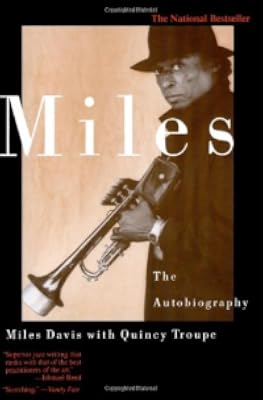
Miles: The Autobiography
by Miles Davis
On This Page
Description
Universally acclaimed as a musical genius, Miles Davis was one of the most important and influential musicians in the world. Here, Miles speaks out about his extraordinary life.Miles: The Autobiography, like Miles himself, holds nothing back. For the first time Miles talks about his five-year silence, he speaks frankly and openly about his drug problem and how he overcame it, he condemns the racism he encountered in the music business and in American society in general, and he discusses the show more women in his life. But above all, Miles talks about music and musicians, including the legends he has played with over the years: Bird, Dizzy, Monk, Trane, Mingus, and many others.
. show less
Tags
Recommendations














Member Reviews
A brash, opinionated, and entertaining autobiography. Miles Davis tells about his rise from playing trumpet in East St. Louis to the pinnacle of the music world. He tells about the many players he worked with, both those who influenced him and those he influenced. He talks about his women, his drug use. And that’s what the book reads like – as if Miles was talking to you, in his true voice. It has the distinction of using the word motherf*cker probably about once a page on average, and with a variety of meanings.
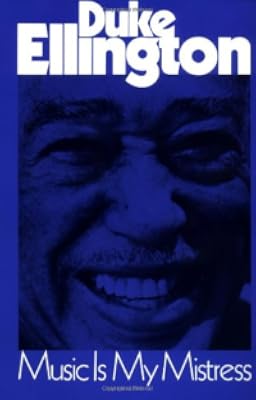
Miles liked sharp clothes (custom made), cars (Ferrari, Lamborghini), and women (various, beautiful). He was appalled when Duke Ellington tried to recruit him for his orchestra and received Miles in his office in the Brill show more Building while wearing shorts. He tells of his deep admiration of and exasperation with the heroin addicted Charlie Parker: “Among the masters he was the master.”
Miles on dealing with people you don’t want around. “You just tell them to get the fuck out of your face. That’s it. Anything else is a waste of time.”
Known for his musical innovation and his ever-evolving playing styles, Miles had no use for jazz musicians “playing all those same old licks we used to play so long ago. I feel sad for them. I mean, it’s like going to bed with a real old person who even smells real old.”
Miles main hatred was racism and the exploitation of black musicians by white people. His description of attending an award ceremony in Washington, D.C. is both illuminating and wildly funny. show less
Miles liked sharp clothes (custom made), cars (Ferrari, Lamborghini), and women (various, beautiful). He was appalled when Duke Ellington tried to recruit him for his orchestra and received Miles in his office in the Brill show more Building while wearing shorts. He tells of his deep admiration of and exasperation with the heroin addicted Charlie Parker: “Among the masters he was the master.”
Miles on dealing with people you don’t want around. “You just tell them to get the fuck out of your face. That’s it. Anything else is a waste of time.”
Known for his musical innovation and his ever-evolving playing styles, Miles had no use for jazz musicians “playing all those same old licks we used to play so long ago. I feel sad for them. I mean, it’s like going to bed with a real old person who even smells real old.”
Miles main hatred was racism and the exploitation of black musicians by white people. His description of attending an award ceremony in Washington, D.C. is both illuminating and wildly funny. show less
Man what a wild ride. It was an amazing read, and as Miles would say, "this book is a motherfucker." I loved reading about the New York jazz scene in the 40's and 50's. There are so many fascinating stories about all the legendary musicians. Also really loved hearing about Miles creative process and background for some of my favorite albums of all time. You also get to hear Miles' no nonsense takes on things like racism, drug use, music, leading a band, playing trumpet, etc, all in Miles' distinctly authentic voice. Anybody who is a fan of music (especially jazz) should read this one.
The definitive jazz biography. Miles writes with such a casual hipness - and frankness - that you're pretty much disarmed from the get-go. His attitude toward women is abysmal, and his prejudice against most white people, while perhaps justified, is disheartening. Still, you find yourself mesmerized by his life, his battles, his confidence, and his passion for jazz.
A wounded, bitter artist, a fireplug, a gentle soul, a man lost in his music, an outspoken advocate for African Americans, and at the heart of it, a musical genius, pure and simple.
This is truly a trip through jazz history, with Miles ensconced right in the heart of it all - taking you back as far as Satchmo and Diz, and right up to the mid-80's, when jazz was crying out for show more another Miles to step up and revive the art form. show less
A wounded, bitter artist, a fireplug, a gentle soul, a man lost in his music, an outspoken advocate for African Americans, and at the heart of it, a musical genius, pure and simple.
This is truly a trip through jazz history, with Miles ensconced right in the heart of it all - taking you back as far as Satchmo and Diz, and right up to the mid-80's, when jazz was crying out for show more another Miles to step up and revive the art form. show less
Miles is amazingly good and bad
I just finished Miles Davis’s autobiography, Miles: The Autobiography. In all that he was, Miles was amazing. An amazing musical mind, amazing in his drug addictions, amazingly selfish, amazingly genius, amazingly stylish, amazingly angry, and amazingly racist, are all aspects of Miles.
The book was a blast to read because it was written in Miles’ conversational tone. Think of Richard Pryor reading Lewis Carroll, “That Cheshire Cat was grinning like a mutherf*@%er!” This is part what makes Miles seem so real, as well as so much fun to read. You never know what he will say next or about whom. Miles is a seer. He sees people’s love, their creativity, their talent, their faults, and their show more shortcomings. This is true for everyone in Miles’ life except for Miles himself. There is no doubt that Miles loved so many folks in his life, his parents, Dizzy, Train, and of course Bird, as well as many of the women in his life. But Miles had no use for many in his world, and no respect for them. He pimped some of the women in his life; and Miles never had a problem wasn't either directly or indirectly caused by white people. It is not surprising that a young black man in East St. Louis, coming of age in the 1940’s, experienced prejudice and racism. However, over the course of his life, Miles seemed more and more focused on the evils of white people, and less and less tolerant. As I read about Miles’ experiences of the 1970’s and ‘80’s, I heard Miles sound more and more like the older generation in my small Tennessee hometown. Change the word black to white, and Miles spewed hatred just like the old men found each morning on the courthouse square.
This is what makes Miles amazingly sad. For a man of such light, love, and creativity to not see that hate is hate makes Miles one of the saddest artist of the 20th century. Miles allows those who influenced his youth win, by turning into the very same type of person. Thankfully, we have the music Miles created, before the drugs, anger and hatred turned out the light. show less
I just finished Miles Davis’s autobiography, Miles: The Autobiography. In all that he was, Miles was amazing. An amazing musical mind, amazing in his drug addictions, amazingly selfish, amazingly genius, amazingly stylish, amazingly angry, and amazingly racist, are all aspects of Miles.
The book was a blast to read because it was written in Miles’ conversational tone. Think of Richard Pryor reading Lewis Carroll, “That Cheshire Cat was grinning like a mutherf*@%er!” This is part what makes Miles seem so real, as well as so much fun to read. You never know what he will say next or about whom. Miles is a seer. He sees people’s love, their creativity, their talent, their faults, and their show more shortcomings. This is true for everyone in Miles’ life except for Miles himself. There is no doubt that Miles loved so many folks in his life, his parents, Dizzy, Train, and of course Bird, as well as many of the women in his life. But Miles had no use for many in his world, and no respect for them. He pimped some of the women in his life; and Miles never had a problem wasn't either directly or indirectly caused by white people. It is not surprising that a young black man in East St. Louis, coming of age in the 1940’s, experienced prejudice and racism. However, over the course of his life, Miles seemed more and more focused on the evils of white people, and less and less tolerant. As I read about Miles’ experiences of the 1970’s and ‘80’s, I heard Miles sound more and more like the older generation in my small Tennessee hometown. Change the word black to white, and Miles spewed hatred just like the old men found each morning on the courthouse square.
This is what makes Miles amazingly sad. For a man of such light, love, and creativity to not see that hate is hate makes Miles one of the saddest artist of the 20th century. Miles allows those who influenced his youth win, by turning into the very same type of person. Thankfully, we have the music Miles created, before the drugs, anger and hatred turned out the light. show less
Miles Davis is known worldwide for musical genius expressed on his trumpet and through his musical groups. He was a figurehead in many countries for jazz, the quintessentially American cultural expression. In this autobiography, he teamed with Troupe to tell his story just before he died. With Troupe, he talked openly about his struggles with drugs, women, and racism. He spoke bluntly about the people who surrounded him and shared insight into the creative forces at work in his life.
He honestly describes his struggles with drugs. Much of the book is repetitive concerning this hardship because this was the nature of Davis’ life. Unfortunately, drugs prevented him from reaching his full potential. When he overcame his addictions, he show more became more musically creative, and the book’s writing reflected this liveliness as well. Davis found comfort by pursuing painting towards the end of his life. This allowed him a place to work out his humanity besides his famed trumpet.
Troupe does a good job of capturing Davis’ personality. Much of Davis’ language in this work is vulgar, but in the afterword, Troupe insists that this was natural to Davis’ expression in interviews. Davis spoke a lot about racism and double standards that American white people carry. I am saddened that he had to carry this burden throughout his life.
Fans of jazz and music in general can benefit from understanding Davis’ voice in this autobiography. Also, readers can learn about the hardships of being a famous musician who is often on the road and without supportive social structures. The clearly negative effects of drugs on genius can also be observed. Engaged readers cannot help but wonder what he could have been (even moreso!) without the impediments of drugs.
Miles Davis reinvented himself several times musically throughout his life. He also reinvented himself spiritually and in daily habits. All of that spoke to the nature of his immense genius. Overall, Troupe does a good job of capturing this. Davis’ language, which tends towards sounding cool rather than being direct, tends to obscure its potential impact. He overuses vulgar words that could be effectively replaced with clearer language. Troupe notes that Davis conveyed meaning through these words tonally as well, and this, of course, is hard to convey through the written word. Overall, Davis’ life represented a triumph of the creative human spirit, though I cannot help but wonder what more he could have contributed had drugs and racism not negatively encumber him. show less
He honestly describes his struggles with drugs. Much of the book is repetitive concerning this hardship because this was the nature of Davis’ life. Unfortunately, drugs prevented him from reaching his full potential. When he overcame his addictions, he show more became more musically creative, and the book’s writing reflected this liveliness as well. Davis found comfort by pursuing painting towards the end of his life. This allowed him a place to work out his humanity besides his famed trumpet.
Troupe does a good job of capturing Davis’ personality. Much of Davis’ language in this work is vulgar, but in the afterword, Troupe insists that this was natural to Davis’ expression in interviews. Davis spoke a lot about racism and double standards that American white people carry. I am saddened that he had to carry this burden throughout his life.
Fans of jazz and music in general can benefit from understanding Davis’ voice in this autobiography. Also, readers can learn about the hardships of being a famous musician who is often on the road and without supportive social structures. The clearly negative effects of drugs on genius can also be observed. Engaged readers cannot help but wonder what he could have been (even moreso!) without the impediments of drugs.
Miles Davis reinvented himself several times musically throughout his life. He also reinvented himself spiritually and in daily habits. All of that spoke to the nature of his immense genius. Overall, Troupe does a good job of capturing this. Davis’ language, which tends towards sounding cool rather than being direct, tends to obscure its potential impact. He overuses vulgar words that could be effectively replaced with clearer language. Troupe notes that Davis conveyed meaning through these words tonally as well, and this, of course, is hard to convey through the written word. Overall, Davis’ life represented a triumph of the creative human spirit, though I cannot help but wonder what more he could have contributed had drugs and racism not negatively encumber him. show less
Wonderful. If you want to get a glimpse into the mind of a great musician, Miles’ autobiography is a collection of crazy intense stories of the life of a man who (in his own words) “changed music five or six times.” While Davis is not shy about his own gifts, one of the most rewarding parts of the book is his regard for fellow musicians. A significant portion of the book is Davis explaining other musicians’ talent- breaking down their strength and weaknesses. This is not a technical analysis of music-- rather a testimonial of Davis’ passion for music and innovation- and a marvelous look into the jazz scene of the 40’s- clear into the 80’s.
What a motherfucker of an autobiography. Been listening to this audiobook as I go to sleep and it is just the best. The reader does a pretty great old-Miles-scratchy-voice. I wonder if there's ever been a book with more "motherfuckers" in it. I fell asleep for big parts of it, but I've been thinking of it as a kind of atmospheric / meditation record and I can't recommend it enough.
Members
- Recently Added By
Lists


Author Information

349+ Works 4,100 Members
All Editions
Some Editions
Awards and Honors
Awards
Distinctions
Notable Lists
Common Knowledge
- Original publication date
- 1989
- People/Characters*
- Miles Davis
*Some information comes from Common Knowledge in other languages. Click "Edit" for more information.
Classifications
Statistics
- Members
- 1,458
- Popularity
- 16,016
- Reviews
- 22
- Rating
- (4.07)
- Languages
- 17 — Czech, Danish, Dutch, English, Finnish, French, German, Greek, Hungarian, Italian, Polish, Russian, Croatian, Spanish, Swedish, Turkish, Portuguese (Portugal)
- Media
- Paper, Audiobook
- ISBNs
- 44
- UPCs
- 1
- ASINs
- 7