Underground in Berlin: A Young Woman's Extraordinary Tale of Survival in the Heart of Nazi Germany
by Marie Jalowicz Simon
On This Page
Description
Follows the true story of a young Jewish woman who vanished into the city and lived under an assumed identity, relying on safe houses, foreign workers, and communists in order to survive in World War II Berlin.Tags
Recommendations

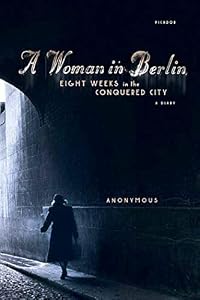
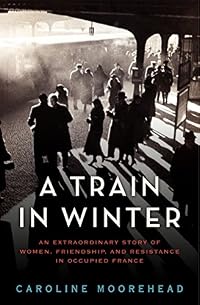
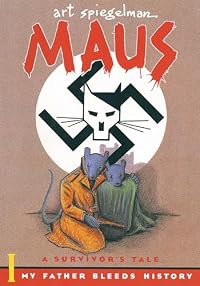
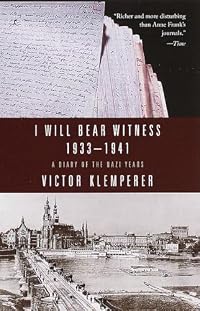












Member Reviews
I just finished this book last night and I must say I can HIGHLY recommend it. It had a knack for showing each character’s individuality and their internal contradictions—there were no heroes in this story, and even many of the Nazis were not monsters.
Marie Simon, a German Jew from a middle class family, an only child whose parents died before the deportations started, spent (save for an abortive flight to Bulgaria) three years “gone to ground” on Berlin on papers she’d borrowed from a helpful woman and then altered to better fit herself. She stayed with a long series of different hosts and estimates that over 20 people could share credit for having saved her life.
At the same time, many of her rescuers, although they were show more undoubtedly risking their lives for her, were very also unkind to her, and Marie had complicated and often painful relationships with them. She does a good job showing the hypocrisies: the committed Communist who looked down on working class people, the gynecologist who was helping save Jews left and right while cheering the German war successes, the Nazi sympathizer who blackmailed Marie while at the same time treating her lovingly like a daughter, and so on.
Marie often had to barter her body to stay safe, something she also speaks about frankly and without self pity, as if she was only describing what she had for breakfast. I’m sure many other Jews in hiding had to go through the same experiences, but few of the other accounts I’ve read have touched on this.
This is definitely a win, especially if you’re interested in Jews hiding in plain sight in Germany. show less
Marie Simon, a German Jew from a middle class family, an only child whose parents died before the deportations started, spent (save for an abortive flight to Bulgaria) three years “gone to ground” on Berlin on papers she’d borrowed from a helpful woman and then altered to better fit herself. She stayed with a long series of different hosts and estimates that over 20 people could share credit for having saved her life.
At the same time, many of her rescuers, although they were show more undoubtedly risking their lives for her, were very also unkind to her, and Marie had complicated and often painful relationships with them. She does a good job showing the hypocrisies: the committed Communist who looked down on working class people, the gynecologist who was helping save Jews left and right while cheering the German war successes, the Nazi sympathizer who blackmailed Marie while at the same time treating her lovingly like a daughter, and so on.
Marie often had to barter her body to stay safe, something she also speaks about frankly and without self pity, as if she was only describing what she had for breakfast. I’m sure many other Jews in hiding had to go through the same experiences, but few of the other accounts I’ve read have touched on this.
This is definitely a win, especially if you’re interested in Jews hiding in plain sight in Germany. show less
This is a story of a remarkable woman who, with the help of friends, went underground in Berlin during WWII 1942 - 1945. She initially escaped arrest from the Gestapo, and was able to survive terrifying events, thwart starvation, and to trust numerous people to protect her and not denounce her. The story is one that I hadn't heard before. I've read stories of survivors that were locked away in small room and nearly starved to death waiting for the war to end. Her story is unique in that she had forged documents and an identity card (that weren't that good, but luckily she was able to survive with them). She would have to hide, slip away and flee in order to not show her documents as she knew they weren't that good. She lived openly with show more sooooo many people knowing about her and protecting her that it is really a miracle she wasn't caught. She moved from place to place staying a couple weeks here and a couple weeks there... pretending to be a relative staying for a while. She had to sleep with men for protection, starve as some of her hosts wouldn't share their food... and cower for hours in corners away from windows. Yet, other times, she would stand in line for hours getting provisions for the families that she was staying with. She also discusses what happened with the Russians came to Berlin... those weeks of mass rapes, hunger and the mistreatment to the Germans by the Russians. Of which, she feel victim to this as well.
The prologue and afterword were written by her son (a historian). He states that multiple people requested for Marie to share her story with the world, but she refused every time. She never talked about it at home with her family, with people she worked with, or those she knew personally. She was a very closed person... keeping all her memories of those years to herself. 26 December 1997, her son set a tape recorder down on the table asking her to share her story, and she proceeded to make 77 tapes in chronological order... amounting to 900 pages of typed transcript. Marie died 16 September 1998.... with the last of her tapes made only a few days before she died. It's not clear, if her wishes were for this to be made into a book. My thoughts are no... I'm not convinced that was her wishes when she made these tapes. In the 15 years that followed, her son researched the many names, address and dates for accuracy. She had kept a diary for a couple of years while in hiding but she had to leave them behind after a bombing... and they were never recovered. Pictures and her identity papers were saved and are shown in this book.
This is were the review is hard for me... Her amazing story is 5 stars, but the telling of the story was choppy, and difficult at times. It took me rereading multiple passages to understand the meaning of what was being said. The use of names was a challenge as well... she would talk for a long time about a person calling them by their last name... and then all of a sudden speak about them using their first name. It was difficult to make the connection of whom she was talking about. I had to flip around multiple times in confusion trying to find their full name so I could get a clearer understanding.
I'm not sure if my difficulty was because the book was originally written in German and than translated to English and therefore things were lost in translation. OR, if it's because the book is basically a transcription of her tapes. The voice of the book is a matter-of-fact account that happened a long ago and it has limited feeling. It just felt like a sterile account of events. I wish the son would have taken the extra step to have an author write her story. I think it would have been so moving and impactful if the writing would have been better. I suppose his intent was to have the story "in her own words," but it made the book a hard read for me. So, overall, I'm settling on 3.5 stars, I'm happy I read about her amazing life. show less
The prologue and afterword were written by her son (a historian). He states that multiple people requested for Marie to share her story with the world, but she refused every time. She never talked about it at home with her family, with people she worked with, or those she knew personally. She was a very closed person... keeping all her memories of those years to herself. 26 December 1997, her son set a tape recorder down on the table asking her to share her story, and she proceeded to make 77 tapes in chronological order... amounting to 900 pages of typed transcript. Marie died 16 September 1998.... with the last of her tapes made only a few days before she died. It's not clear, if her wishes were for this to be made into a book. My thoughts are no... I'm not convinced that was her wishes when she made these tapes. In the 15 years that followed, her son researched the many names, address and dates for accuracy. She had kept a diary for a couple of years while in hiding but she had to leave them behind after a bombing... and they were never recovered. Pictures and her identity papers were saved and are shown in this book.
This is were the review is hard for me... Her amazing story is 5 stars, but the telling of the story was choppy, and difficult at times. It took me rereading multiple passages to understand the meaning of what was being said. The use of names was a challenge as well... she would talk for a long time about a person calling them by their last name... and then all of a sudden speak about them using their first name. It was difficult to make the connection of whom she was talking about. I had to flip around multiple times in confusion trying to find their full name so I could get a clearer understanding.
I'm not sure if my difficulty was because the book was originally written in German and than translated to English and therefore things were lost in translation. OR, if it's because the book is basically a transcription of her tapes. The voice of the book is a matter-of-fact account that happened a long ago and it has limited feeling. It just felt like a sterile account of events. I wish the son would have taken the extra step to have an author write her story. I think it would have been so moving and impactful if the writing would have been better. I suppose his intent was to have the story "in her own words," but it made the book a hard read for me. So, overall, I'm settling on 3.5 stars, I'm happy I read about her amazing life. show less
This is a story of a remarkable woman who, with the help of friends, went underground in Berlin during WWII 1942 - 1945. She initially escaped arrest from the Gestapo, and was able to survive terrifying events, thwart starvation, and to trust numerous people to protect her and not denounce her. The story is one that I hadn't heard before. I've read stories of survivors that were locked away in small room and nearly starved to death waiting for the war to end. Her story is unique in that she had forged documents and an identity card (that weren't that good, but luckily she was able to survive with them). She would have to hide, slip away and flee in order to not show her documents as she knew they weren't that good. She lived openly with show more sooooo many people knowing about her and protecting her that it is really a miracle she wasn't caught. She moved from place to place staying a couple weeks here and a couple weeks there... pretending to be a relative staying for a while. She had to sleep with men for protection, starve as some of her hosts wouldn't share their food... and cower for hours in corners away from windows. Yet, other times, she would stand in line for hours getting provisions for the families that she was staying with. She also discusses what happened with the Russians came to Berlin... those weeks of mass rapes, hunger and the mistreatment to the Germans by the Russians. Of which, she feel victim to this as well.
The prologue and afterword were written by her son (a historian). He states that multiple people requested for Marie to share her story with the world, but she refused every time. She never talked about it at home with her family, with people she worked with, or those she knew personally. She was a very closed person... keeping all her memories of those years to herself. 26 December 1997, her son set a tape recorder down on the table asking her to share her story, and she proceeded to make 77 tapes in chronological order... amounting to 900 pages of typed transcript. Marie died 16 September 1998.... with the last of her tapes made only a few days before she died. It's not clear, if her wishes were for this to be made into a book. My thoughts are no... I'm not convinced that was her wishes when she made these tapes. In the 15 years that followed, her son researched the many names, address and dates for accuracy. She had kept a diary for a couple of years while in hiding but she had to leave them behind after a bombing... and they were never recovered. Pictures and her identity papers were saved and are shown in this book.
This is were the review is hard for me... Her amazing story is 5 stars, but the telling of the story was choppy, and difficult at times. It took me rereading multiple passages to understand the meaning of what was being said. The use of names was a challenge as well... she would talk for a long time about a person calling them by their last name... and then all of a sudden speak about them using their first name. It was difficult to make the connection of whom she was talking about. I had to flip around multiple times in confusion trying to find their full name so I could get a clearer understanding.
I'm not sure if my difficulty was because the book was originally written in German and than translated to English and therefore things were lost in translation. OR, if it's because the book is basically a transcription of her tapes. The voice of the book is a matter-of-fact account that happened a long ago and it has limited feeling. It just felt like a sterile account of events. I wish the son would have taken the extra step to have an author write her story. I think it would have been so moving and impactful if the writing would have been better. I suppose his intent was to have the story "in her own words," but it made the book a hard read for me. So, overall, I'm settling on 3.5 stars, I'm happy I read about her amazing life. show less
The prologue and afterword were written by her son (a historian). He states that multiple people requested for Marie to share her story with the world, but she refused every time. She never talked about it at home with her family, with people she worked with, or those she knew personally. She was a very closed person... keeping all her memories of those years to herself. 26 December 1997, her son set a tape recorder down on the table asking her to share her story, and she proceeded to make 77 tapes in chronological order... amounting to 900 pages of typed transcript. Marie died 16 September 1998.... with the last of her tapes made only a few days before she died. It's not clear, if her wishes were for this to be made into a book. My thoughts are no... I'm not convinced that was her wishes when she made these tapes. In the 15 years that followed, her son researched the many names, address and dates for accuracy. She had kept a diary for a couple of years while in hiding but she had to leave them behind after a bombing... and they were never recovered. Pictures and her identity papers were saved and are shown in this book.
This is were the review is hard for me... Her amazing story is 5 stars, but the telling of the story was choppy, and difficult at times. It took me rereading multiple passages to understand the meaning of what was being said. The use of names was a challenge as well... she would talk for a long time about a person calling them by their last name... and then all of a sudden speak about them using their first name. It was difficult to make the connection of whom she was talking about. I had to flip around multiple times in confusion trying to find their full name so I could get a clearer understanding.
I'm not sure if my difficulty was because the book was originally written in German and than translated to English and therefore things were lost in translation. OR, if it's because the book is basically a transcription of her tapes. The voice of the book is a matter-of-fact account that happened a long ago and it has limited feeling. It just felt like a sterile account of events. I wish the son would have taken the extra step to have an author write her story. I think it would have been so moving and impactful if the writing would have been better. I suppose his intent was to have the story "in her own words," but it made the book a hard read for me. So, overall, I'm settling on 3.5 stars, I'm happy I read about her amazing life. show less
Very good book. It really gives a good insight of the life a Jew in hiding and that of many ordinary Germans during WWII. Well written and detailed.
Kirja on ollut Saksassa kovin suosittu, ehkä siksi, että tässä kirjassa nuori juutalaistyttö selviytyy natsien vainolta ja holokaustilta piileskelemällä Berliinissä - tavallisten saksalaisten avustamana. Monet avustajista vaarantavat henkensä, jakavat vähistä ruuistaan, ja näkevät runsaasti ylimääräistä vaivaa suojattinsa vuoksi. Kaikki eivät tietenkään ole pelkästään epäitsekkäitä, mutta jokin omantunnon ääni on tallessa. Tästä kirjasta saa hyvän kuvan tavallisen ihmisen tilanteesta ja elämästä natsiaikana.
Marie on älykäs, tilannetajuinen ja rohkea, juuri ylioppilaaksi 1939 kirjoittanut, ja on päättänyt selviytyä. Hänen vanhempansa kuolevat 30-luvun lopulla (sairauteen), joten hän on orpo. show more Juutalaiset sukulaiset ja tuttavat saavat vainojen yllyttyä kukin vähitellen siirtomääräyksen "itään", minkä tiedetään tarkoittavan keskitysleiriä ja todennäköistä kuolemaa. Paettuaan näppärästi Gestapon käsistä Marie on "maan alla", laiton juutalainen ilman papereita ja jatkuvassa vaarassa joutua kiinni. Pääosa kirjasta kertoo tästä piileskelyn todellisuudesta, aina uutta piileskelypaikkaa etsien, koska kukaan ei uskalla pitää laitonta asukasta kovin kauaa, vaikka Marie ei piirteiltään muistuta tyypillistä juutalaista ja käy siis täysin kunnon germaanista. Asuinolot ovat tavallisillakin saksalaisilla alati kurjistuvat, lämmityksestä ja ruuasta on pula (ruokakortit) ja asunnot pieniä. Pahimmalta tuntuu tietysti kiitollisuudenvelka auttajia kohtaan, ja ihmissuhteet ylipäätään.
Kirja on irtonaisesti kerrottu, erittäin luettava ja kaikinpuolin kiinnostava elämäkerta. Marie Jalowicz päätti sodan jälkeen jäädä Saksaan ja Berliiniin, liittyi kommunistiseen puolueeseen, opiskeli filologian tohtoriksi ja toimi antiikin kirjallisuuden ja kulttuurin professorina Berliinin Humboldt-yliopistossa. Tarinansa hän kertoi poikansa Hermann Simonin pyynnöstä nauhalle ollessaan jo varsin iäkäs ja sairas. show less
Marie on älykäs, tilannetajuinen ja rohkea, juuri ylioppilaaksi 1939 kirjoittanut, ja on päättänyt selviytyä. Hänen vanhempansa kuolevat 30-luvun lopulla (sairauteen), joten hän on orpo. show more Juutalaiset sukulaiset ja tuttavat saavat vainojen yllyttyä kukin vähitellen siirtomääräyksen "itään", minkä tiedetään tarkoittavan keskitysleiriä ja todennäköistä kuolemaa. Paettuaan näppärästi Gestapon käsistä Marie on "maan alla", laiton juutalainen ilman papereita ja jatkuvassa vaarassa joutua kiinni. Pääosa kirjasta kertoo tästä piileskelyn todellisuudesta, aina uutta piileskelypaikkaa etsien, koska kukaan ei uskalla pitää laitonta asukasta kovin kauaa, vaikka Marie ei piirteiltään muistuta tyypillistä juutalaista ja käy siis täysin kunnon germaanista. Asuinolot ovat tavallisillakin saksalaisilla alati kurjistuvat, lämmityksestä ja ruuasta on pula (ruokakortit) ja asunnot pieniä. Pahimmalta tuntuu tietysti kiitollisuudenvelka auttajia kohtaan, ja ihmissuhteet ylipäätään.
Kirja on irtonaisesti kerrottu, erittäin luettava ja kaikinpuolin kiinnostava elämäkerta. Marie Jalowicz päätti sodan jälkeen jäädä Saksaan ja Berliiniin, liittyi kommunistiseen puolueeseen, opiskeli filologian tohtoriksi ja toimi antiikin kirjallisuuden ja kulttuurin professorina Berliinin Humboldt-yliopistossa. Tarinansa hän kertoi poikansa Hermann Simonin pyynnöstä nauhalle ollessaan jo varsin iäkäs ja sairas. show less
Dec 15, 2015Finnish
Es geht in diesem Buch um die Wahrheit, nur um die Wahrheit, schonungslos, so wird der Alltag einer untergetauchten Jüdin in Berlin geschildert.
Marie Jalowicz Simon erlebt durchaus anständige Kollegen in Rüstungsbetrieben, sie blickt den Menschen ins Herz und erlebt Güte überall. Aber eben auch diesen unversöhnlichen Hass allen reichen Juden gegenüber. Sie differenziert und skizziert dadurch eine gleichgeschaltete, aber doch mitfühlende Gesellschaft.
Sie macht sich im Unterrock davon aus einer Untersuchung, entgeht dadurch der Deportation, sie findet Unterschlupf bei Freunden, Feldarbeitern, Prostituierten - eher am Rande der Gesellschaft wurde es für sie hilfreich.
Sie trifft Chinesen, Bulgaren, Holländern, sie lebt mit show more unterschiedlichen Nationalitäten zusammen, sie ist ein starker Charakter, durchaus egoistisch, auf sich alleine fixiert, nur so kann sie überleben. Nicht zu viel Vertrauen, nur bei wenigen und gezielt.
Faschistischen Männer zupasse zu sein, es war wohl das Ekelhafteste, sie ging durch alle Tiefen und berichtet wirklich ungeschminkt von einem brutal harten Alltag, dessen gnadenlose Flexibilität und wetterwendisches Glück gelebt wurde, wie man es sich heute nicht mehr vorstellen kann.
Ich konnte mir bislang nicht vorstellen, dass man Kontakt mit Fischen aufnimmt, die Verbindung mit ihnen in der Wohnung des Gummidirektors sucht, der ihr stolz ein Hundehaar von Führers Hund präsentiert, ein Krüppel, aber umso fanatischerer Nazi, der ihr gesteht, nicht das Bett mit ihr teilen zu können, grässlich und doch war dieses Geständnis ein Himmelsruf. Wie ein 18- bis 23 jähriges Mädchen fühlt, das in einem Todesumfeld improvisieren muss, unvorstellbar für uns heute. show less
Marie Jalowicz Simon erlebt durchaus anständige Kollegen in Rüstungsbetrieben, sie blickt den Menschen ins Herz und erlebt Güte überall. Aber eben auch diesen unversöhnlichen Hass allen reichen Juden gegenüber. Sie differenziert und skizziert dadurch eine gleichgeschaltete, aber doch mitfühlende Gesellschaft.
Sie macht sich im Unterrock davon aus einer Untersuchung, entgeht dadurch der Deportation, sie findet Unterschlupf bei Freunden, Feldarbeitern, Prostituierten - eher am Rande der Gesellschaft wurde es für sie hilfreich.
Sie trifft Chinesen, Bulgaren, Holländern, sie lebt mit show more unterschiedlichen Nationalitäten zusammen, sie ist ein starker Charakter, durchaus egoistisch, auf sich alleine fixiert, nur so kann sie überleben. Nicht zu viel Vertrauen, nur bei wenigen und gezielt.
Faschistischen Männer zupasse zu sein, es war wohl das Ekelhafteste, sie ging durch alle Tiefen und berichtet wirklich ungeschminkt von einem brutal harten Alltag, dessen gnadenlose Flexibilität und wetterwendisches Glück gelebt wurde, wie man es sich heute nicht mehr vorstellen kann.
Ich konnte mir bislang nicht vorstellen, dass man Kontakt mit Fischen aufnimmt, die Verbindung mit ihnen in der Wohnung des Gummidirektors sucht, der ihr stolz ein Hundehaar von Führers Hund präsentiert, ein Krüppel, aber umso fanatischerer Nazi, der ihr gesteht, nicht das Bett mit ihr teilen zu können, grässlich und doch war dieses Geständnis ein Himmelsruf. Wie ein 18- bis 23 jähriges Mädchen fühlt, das in einem Todesumfeld improvisieren muss, unvorstellbar für uns heute. show less
Mar 9, 2023German
Un témoignage essentiel, bien que tardif. Ce qui est touchant c'est l'aspect banal, quotidien, parfois héroïque et souvent mesquin de l'aide que M Jalowicz a reçu. Oui, ce sont quasiment que de personnages paradoxaux qui ont accompagné cette jeune femme vers la lumière. Leçon troublante, et humaine, leçon utile pour ceux qui aiment l'Allemagne, mais qui l'aiment sans concession.
Dec 15, 2015French
Members
- Recently Added By
Published Reviews
ThingScore 100
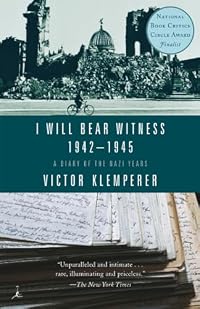
Gone to Ground is in many ways a heartening book, about how ordinary German men and women could and did behave imaginatively and generously, often at great danger to themselves. It belongs with Hans Fallada’s novels, and Victor Klemperer’s diaries, as a portrait of a German city during the Nazi years, many of its inhabitants neither good nor bad, but simply intent on survival, and willing show more to take risks as a reminder that they were, at heart, human beings, with sympathy for those in trouble. The people in her apartment block gave her food, watched over her. There is nothing sentimental in Jalowicz’s writing. She simply records what she perceives, and how she felt. Even the obligatory sexual encounters are described calmly, as necessary transactions for survival. show less
added by charl08
Lists

Holocaust Narratives
159 works; 3 members

Women's History Month: Suggested Reads
63 works; 6 members

Books Read in 2021
5,361 works; 114 members
Author Information

Some Editions
Series
Belongs to Publisher Series
Common Knowledge
- Canonical title
- Underground in Berlin: A Young Woman's Extraordinary Tale of Survival in the Heart of Nazi Germany
- Original title
- Geschichte der jüdischen Philosophie
- Alternate titles
- Gone to Ground: One Woman's Extraordinary Account of Survival in the Heart of Nazi Germany
- Original publication date
- 1999; 2014 (1e édition originale allemande) (1e édition originale allemande); 2015-03-04 (1e traduction et édition française, Flammarion) (1e traduction et édition française, Flammarion)
- People/Characters*
- Marie Simon (1922-1998)
- Important places
- Berlin, Germany
- Important events
- Holocaust; World War II
- Epigraph*
- /
- Dedication*
- /
- First words*
- Prologue
1942
IL FAISAIT TRÈS FROID dehors et déjà nuit. Le bistrot se trouvait dans la Wassertorstrasse, un coin du quartier de Kreuzberg où je n'avais jamais été. Je pénétrai dans le local en... (show all)core désert. « Oui ? » cria une voix depuis une pièce au fond. Par la porte ouverte, j'aperçus une femme assise, en train de recoudre une fourrure. Elle sembla lâcher ce travail à contrecœur pour approcher en traînant les pieds.
[...] - Blurbers
- Kramer, Clara; Ertman, Thomas
- Original language
- German
*Some information comes from Common Knowledge in other languages. Click "Edit" for more information.
Classifications
- Genres
- History, Nonfiction, Biography & Memoir, General Nonfiction, Religion & Spirituality
- DDC/MDS
- 940.5318092 — History & geography History of Europe History of Europe 1918- World War II, 1939-1945 Social, political, economic history; Holocaust Holocaust Standard subdivisions History, geographic treatment, biography Biography
- LCC
- DS134.42 .S55 .A3 — History of Europe, Asia, Africa and Oceania Asia History of Asia Israel (Palestine). The Jews Jews outside of Palestine
- BISAC
Statistics
- Members
- 394
- Popularity
- 78,712
- Reviews
- 9
- Rating
- (4.00)
- Languages
- 9 — Dutch, English, Finnish, French, German, Italian, Polish, Russian, Spanish
- Media
- Paper, Audiobook, Ebook
- ISBNs
- 33
- ASINs
- 11