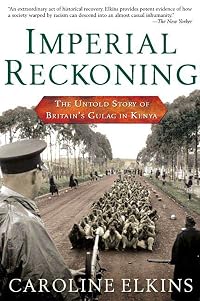
Imperial Reckoning: The Untold Story of Britain's Gulag in Kenya
by Caroline Elkins
On This Page
Description
Thousands of Kenyans fought alongside the British in World War II, but just a few years after the defeat of Hitler, the British colonial government detained nearly the entire population of Kenya's largest ethnic minority, the Kikuyu--some one and a half million people. The story of the system of prisons and work camps where thousands met their deaths has remained largely untold, because of a determined effort by the British to destroy all official records of their attempts to stop the Mau show more Mau uprising, the Kikuyu people's ultimately successful bid for Kenyan independence--Publisher. show lessTags
Recommendations
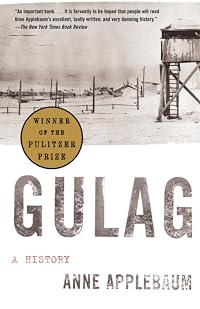

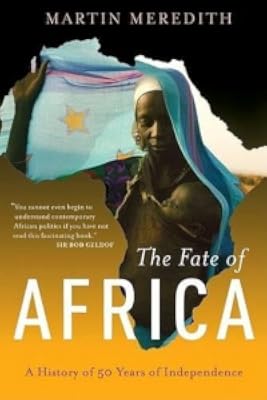
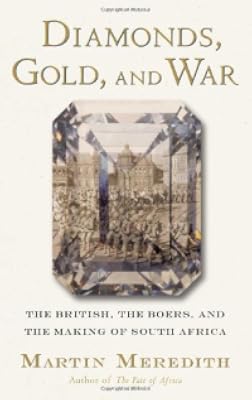
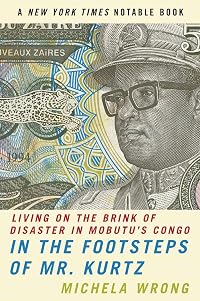


Member Recommendations
Member Reviews
This is an important book, but a gut-churning one. If you've frothed at the sicko propaganda spewed by Simon Winchester, Jan Morris, John Keays, anything published by John Murray, and the international tourism industry, it's a great, sobering antidote, but you must have a strong stomach.
I'm in Asia and so have known many Hong Kong Chinese, Malaysians, Burmese and South Asians over the years. Let's not leave out the Irish either. Their world-weary reflex if I told them of this book (or a British-made colonial-yhemed movie) would be--it always is--"You think *that's* bad, you should see what the British did to us/how we're depicted by the British."
I got a similar response when I first heard of this book and mentioned it to an American show more friend whose anthropologist father was doing research in Kenya in this period: "But everybody knows this!" Then he ran off the figures of the number of people killed by the Mau Mau (30-something? Less than 100) and the typical imperial response of massacring many, many more. And of course the virtually instantaneous evacuation of Nairobi and the history of land expropriation would be well known to people like his father. (Not to mention Obama, as noted in Dreams of My Father.)
But, folks, for the 20th century this is a new level of British racism and violence. Yes, the Brits castrated Indian nationalists. Summary trials and executions were rife wherever there was rebellion (consider the Malaya civil war taking place at the same time). OK, the mass movements of 500,000 people in Malaysia--where entire mountain villages would be given hours' notice to be moved to the lowlands into guarded "villages" for years on end--beat the Kenyan experience (where 3/4 of Nairobi's population, all the Kikuyu, was cleaned out in a day) but the extent of brutality and how long it went on, I suspect is unrivaled.
(Oh, btw, when I was reading this, I talked to two Malaysians who have made a couple of films about the army of the Communist Party of Malaya. Looking through this book, they said that the degree of violence was probably lower in Malaya at the time--unless you count the "banishment" of 50,000 Chinese to newly communist China. But they picked up on the pix of Kenyan informers with bags over their bodies, merely nodding as suspects were marched by them. A single nod and the poor suspect--perhaps a personal enemy, perhaps a stranger--was often destined for years of hell. They said that was done in Malayan states at the time too. [With that world-weary look: doesn't everyone know that?] Tying people with barbed wire and then dragging them behind vehicles until their limbs pulled off, however, was a French specialty in Asia. )
Then you have the concentration camps themselves. Worse in the way than the Brits' beloved Nazi camps because the tortures continued to get alleged Mau Mau (often not genuine Mau Mau, of course) to renounce and then to get out of the "pipeline," they had to inflict tortures on others. Among them was Kenyatta's son.
I want to caution readers, especially female ones, about the chapter on the home front, back in the villages and small towns. I suppose I was hoping for a little relief after the camp documentation. Well, brace yourself: rampant rape and rapes that you may not have imagined before. Not only with bottles but chili peppers in the vagina. Any woman can imagine all these years later how difficult it would be for the victims to talk about this. Not surprising that the author and her chief assistant/translator are women. (Of course they have to pile on this detail: it's the repetition of so many atrocities, the similarity of methods and memories, that makes the book credible ... but phew.)
I'm thinking of one woman's story: she was among a group of women from her village who were taken to a ditch to be shot, but she was saved because one of the killers found her good-looking. I don't have to tell you what ensued: maybe it would be better to be dead?
The nearby forests, where male relatives and neighbors often hid, were also free-range shooting galleries for the white settlers. It's eerie living so close to Cambodia, as I do, especially with a Khmer Rouge trial going on. Sometimes the interviewers in Imperial Reckoning are told of a massacre and the source will point, say, to a row of shops and say "there are piles of skeletons under there." Now, that's true of so many places in Cambodia, so many wars, so many massacres. I'm sure Cambodians wonder, "Why are the Khmer Rouge ones or this particular KR one singled out for excavation?" Why are the Kenyan graves not an international or British or Kenyan concern today?
We can guess some of the answer from the book's sad summary of post-independence history. Despite being imprisoned in a remote desert location, Kenyatta was a Christian and was never able to acknowledge the role of the Mau Mau in the independence fight. Incredibly, the white "settlers" were not all expelled or eased out. Well, some were bought out, but the buyers, winners, tended to be black Kenyans who had collaborated with them.
Reading this I often wondered if an African-American movie star or director might set a movie in Kenya and bring international public focus to apartheid in Kenya and Kenya's independence fight. (There's been enough about South Africa, right?) Obama's autobiographical work hasn't been enough to do that, though he's obviously knows what went down. Unfortunately, there's no happy ending, no triumphant life to exemplify the struggle like Mandela's. show less
I'm in Asia and so have known many Hong Kong Chinese, Malaysians, Burmese and South Asians over the years. Let's not leave out the Irish either. Their world-weary reflex if I told them of this book (or a British-made colonial-yhemed movie) would be--it always is--"You think *that's* bad, you should see what the British did to us/how we're depicted by the British."
I got a similar response when I first heard of this book and mentioned it to an American show more friend whose anthropologist father was doing research in Kenya in this period: "But everybody knows this!" Then he ran off the figures of the number of people killed by the Mau Mau (30-something? Less than 100) and the typical imperial response of massacring many, many more. And of course the virtually instantaneous evacuation of Nairobi and the history of land expropriation would be well known to people like his father. (Not to mention Obama, as noted in Dreams of My Father.)
But, folks, for the 20th century this is a new level of British racism and violence. Yes, the Brits castrated Indian nationalists. Summary trials and executions were rife wherever there was rebellion (consider the Malaya civil war taking place at the same time). OK, the mass movements of 500,000 people in Malaysia--where entire mountain villages would be given hours' notice to be moved to the lowlands into guarded "villages" for years on end--beat the Kenyan experience (where 3/4 of Nairobi's population, all the Kikuyu, was cleaned out in a day) but the extent of brutality and how long it went on, I suspect is unrivaled.
(Oh, btw, when I was reading this, I talked to two Malaysians who have made a couple of films about the army of the Communist Party of Malaya. Looking through this book, they said that the degree of violence was probably lower in Malaya at the time--unless you count the "banishment" of 50,000 Chinese to newly communist China. But they picked up on the pix of Kenyan informers with bags over their bodies, merely nodding as suspects were marched by them. A single nod and the poor suspect--perhaps a personal enemy, perhaps a stranger--was often destined for years of hell. They said that was done in Malayan states at the time too. [With that world-weary look: doesn't everyone know that?] Tying people with barbed wire and then dragging them behind vehicles until their limbs pulled off, however, was a French specialty in Asia. )
Then you have the concentration camps themselves. Worse in the way than the Brits' beloved Nazi camps because the tortures continued to get alleged Mau Mau (often not genuine Mau Mau, of course) to renounce and then to get out of the "pipeline," they had to inflict tortures on others. Among them was Kenyatta's son.
I want to caution readers, especially female ones, about the chapter on the home front, back in the villages and small towns. I suppose I was hoping for a little relief after the camp documentation. Well, brace yourself: rampant rape and rapes that you may not have imagined before. Not only with bottles but chili peppers in the vagina. Any woman can imagine all these years later how difficult it would be for the victims to talk about this. Not surprising that the author and her chief assistant/translator are women. (Of course they have to pile on this detail: it's the repetition of so many atrocities, the similarity of methods and memories, that makes the book credible ... but phew.)
I'm thinking of one woman's story: she was among a group of women from her village who were taken to a ditch to be shot, but she was saved because one of the killers found her good-looking. I don't have to tell you what ensued: maybe it would be better to be dead?
The nearby forests, where male relatives and neighbors often hid, were also free-range shooting galleries for the white settlers. It's eerie living so close to Cambodia, as I do, especially with a Khmer Rouge trial going on. Sometimes the interviewers in Imperial Reckoning are told of a massacre and the source will point, say, to a row of shops and say "there are piles of skeletons under there." Now, that's true of so many places in Cambodia, so many wars, so many massacres. I'm sure Cambodians wonder, "Why are the Khmer Rouge ones or this particular KR one singled out for excavation?" Why are the Kenyan graves not an international or British or Kenyan concern today?
We can guess some of the answer from the book's sad summary of post-independence history. Despite being imprisoned in a remote desert location, Kenyatta was a Christian and was never able to acknowledge the role of the Mau Mau in the independence fight. Incredibly, the white "settlers" were not all expelled or eased out. Well, some were bought out, but the buyers, winners, tended to be black Kenyans who had collaborated with them.
Reading this I often wondered if an African-American movie star or director might set a movie in Kenya and bring international public focus to apartheid in Kenya and Kenya's independence fight. (There's been enough about South Africa, right?) Obama's autobiographical work hasn't been enough to do that, though he's obviously knows what went down. Unfortunately, there's no happy ending, no triumphant life to exemplify the struggle like Mandela's. show less
I studied history up to degree level at Oxford University, and yet reading books like this makes me realise how one-sided my education was. The statistics here are stunning - 1.5 million Kenyans imprisoned, perhaps hundreds of thousands killed. But it is the individual stories which are truly shocking: women raped with bottles, men dragged behind trucks until their limbs came off, mass killings, summary execution, castration and a hundred other torture techniques I could never even have imagined. And all this was being perpetrated by British soldiers and colonial administrators in the 1950s, a time when my mother was sitting in a schoolroom in north London being taught to be proud that one-third of the globe was coloured pink. It's a show more truly heartbreaking story, meticulously researched by a Harvard faculty member, with a wealth of accounts from both sides as well as fascinating quotes from British government archives (those that weren't mysteriously destroyed just before independence). I defy even the most hardened patriot to read this book and still maintain that Britan was a "civilising influence" in Africa. show less
This book does a great job of delving into the atrocities committed while Britain had troops in Kenya. It doesn't hold any punches and Elkins does a good job of giving voice to those who spent so long in the detention camps. It was organized in a cohesive way and while I'm sure we could all assume that colonial rule would involve some level of violence I don't think anything can prepare you for the horrors inflicted upon the Kikuyu.
Well written, highly researched but brutal in its honesty. Yet another history of European's assumption of power and intelligence of Africans.
A slow but thorough book. When I got the candid part of torturing of natives, I said to myself. Enough.
A necessary book to remind ourselves of the callousness of the human race.
A slow but thorough book. When I got the candid part of torturing of natives, I said to myself. Enough.
A necessary book to remind ourselves of the callousness of the human race.
The Dark Side of Empire
The British have up until recently been very proud of their imperial achievements. The only problem was that empire-building involved a certain amount of heavy-handed tactics, and like other imperialists like King Leopold, the French, and the Germans knew that sacrifices needed to be made for their "civilizing mission."
Like France's "dirty war" in French Algeria, or the British Malay, or the Belgian Congo, the British war against the Mau Mau movement turned savage very quickly. Many of the details that Elkins describe are too shocking to repeat, suffice to say that thousands, possibly hundreds of thousands, suffered horrible deaths.
Overall, an important, if sordid, look into another regrettable chapter of British show more imperial historiography. show less
The British have up until recently been very proud of their imperial achievements. The only problem was that empire-building involved a certain amount of heavy-handed tactics, and like other imperialists like King Leopold, the French, and the Germans knew that sacrifices needed to be made for their "civilizing mission."
Like France's "dirty war" in French Algeria, or the British Malay, or the Belgian Congo, the British war against the Mau Mau movement turned savage very quickly. Many of the details that Elkins describe are too shocking to repeat, suffice to say that thousands, possibly hundreds of thousands, suffered horrible deaths.
Overall, an important, if sordid, look into another regrettable chapter of British show more imperial historiography. show less
What a horror! I had no idea. A slow, dense read but so worth it. The book contained only a few pictures and maps which I supplemented online.
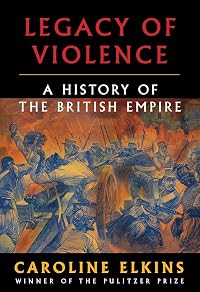
I will certainly look for more of her books, including Legacy of Violence: A History of the British Empire.
Highly recommended!
I will certainly look for more of her books, including Legacy of Violence: A History of the British Empire.
Highly recommended!
Until fairly recently this story of the brutality exacted on the Kenyan population, in particular the Kikuyus, by the colonial Kenyan government with the knowledge and approval of the British Foreign Office was not common knowledge. Caroline Elkins' book corrects this historical ommission and puts the resistance of the Kenyan people in in its proper context.
Members
- Recently Added By
Published Reviews
ThingScore 50
Elkins's prosecutorial zeal in a sense precludes a true ''imperial reckoning.'' For British rule brought crucial benefits that persist -- among them modern education and a degree of infrastructure -- as well as violent oppression to its subjects. A thorough reckoning would provide, by way of paradox, not only a more deeply insightful but a more deeply wrenching work of imperial history.
added by Shortride
Lists

Pulitzer Prize for General Non-Fiction
16 works; 3 members

Club Read's Recommended Nonfiction Written by Women
618 works; 30 members
Author Information

3 Works 997 Members
Awards and Honors
Awards
Distinctions
Work Relationships
Is contained in
Common Knowledge
- Original title
- Imperial Reckoning: The Untold Story of Britain's Gulag in Kenya
- Original publication date
- 2005
- Important places
- Africa; British Empire; East Africa; Kenya
- Important events
- Mau Mau Uprising (1952 | 1960)
- Disambiguation notice
- Full title (2005): Imperial reckoning : the untold story of Britain's Gulag in Kenya / Caroline Elkins
Classifications
Statistics
- Members
- 590
- Popularity
- 49,834
- Reviews
- 13
- Rating
- (4.09)
- Languages
- English
- Media
- Paper, Ebook
- ISBNs
- 8
- ASINs
- 4