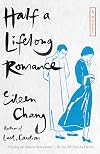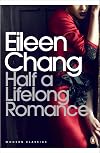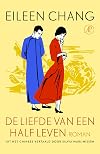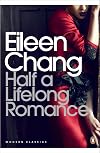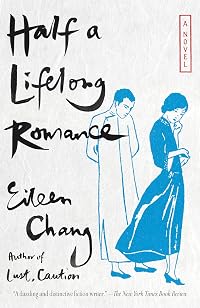
Half a Lifelong Romance
by Eileen Chang
On This Page
Description
"Shanghai, 1930s. Shen Shijun, a young engineer, has fallen in love with his colleague, the beautiful Gu Manzhen. He is determined to resist his family's efforts to match him with his wealthy cousin so that he can marry the woman he truly loves. But dark circumstances--a lustful brother-in-law, a treacherous sister, a family secret--force the two young lovers apart. As Manzhen and Shijun go on their separate paths, they lose track of one another, and their lives become filled with feints and show more schemes, missed connections and tragic misunderstandings. At every turn, societal expectations seem to thwart their prospects for happiness. Still, Manzhen and Shijun dare to hold out hope--however slim--that they might one day meet again. A glamorous, wrenching tale set against the glittering backdrop of an extraordinary city, Half a Lifelong Romance is a beloved classic from one of the essential writers of twentieth-century China"-- show lessTags
Recommendations







Member Reviews
I really hoped to like this but it seemed more like a soap opera than novel: boy meets girl, boy/girl fall in love, life repeatedly conspires to keep them apart. Although Chang wrote some of her works in English, she wrote this particular novel in Chinese and, sadly, I found the translation—although it read easily—a constant issue. The translator’s word choices and her syntax regularly made Chang’s writing appear stilted, a problem I have not had reading her works before. Worse, although the characters were well-drawn and believable, the situations were almost constantly melodramatic and only seemed to become more so as the book went on. According to the translator’s (useful) Introduction, this is “by almost any count, show more Eileen Chang’s most popular novel.” If so (and I have no reason to doubt it), I can only assume that the Chinese audience has wholly different expectations and reads the novel in a context that I simply cannot appreciate. Disappointing. show less
An overcast of melancholy paired with a cinematic touch makes this story of star-crossed lover in 1930s and 1940’s Shanghai so heartrending.
This is one of Ms. Chang’s most popular novels and was originally serialized in 1948 in a Shanghai magazine but finally thanks to translator, Karen S. Kingsbury recently published.
While at times this novel moves along at the pace of a soap opera, the reader will be so engrossed in the couple’s lives that they will be anxious to read if they finally grabbed their gusto or let themselves be directed by others. As often as I wanted to shake the characters into taking a risk for love or happiness, I remembered the time and place of the storyline and the value of family, honor, and tradition were show more the mantra of the time and often won out over personal independence.
The minute detail of the scenery, food, appearances, etc. was much appreciated this made the characters become real before my eyes. I also thought what the characters left unsaid were important in feeling empathy for them.
This is definitely a classic to be enjoyed as the tender prose serves to emphasize the beauty of the time and soft-edge the cruelty of the times. show less
This is one of Ms. Chang’s most popular novels and was originally serialized in 1948 in a Shanghai magazine but finally thanks to translator, Karen S. Kingsbury recently published.
While at times this novel moves along at the pace of a soap opera, the reader will be so engrossed in the couple’s lives that they will be anxious to read if they finally grabbed their gusto or let themselves be directed by others. As often as I wanted to shake the characters into taking a risk for love or happiness, I remembered the time and place of the storyline and the value of family, honor, and tradition were show more the mantra of the time and often won out over personal independence.
The minute detail of the scenery, food, appearances, etc. was much appreciated this made the characters become real before my eyes. I also thought what the characters left unsaid were important in feeling empathy for them.
This is definitely a classic to be enjoyed as the tender prose serves to emphasize the beauty of the time and soft-edge the cruelty of the times. show less
Half a Lifelong Romance is a story of urban families living through Chinese cultural changes that begin with traditional conservative morality and progress to collective communist values in Shanghai in the 1930s. Manzhen Gu and Shijun Shen are the main characters whose romance illustrates the shift from extended family control of career and relationships to state control of individual motivations. The apparent freedom of choice in career and relationships is restricted early on by extended family mores that complicate romance, marriage, financial support roles, and other traditional family responsibilities. There is a complicated calculus of personal motivations and actions among the families of the two lovers that keep them apart.
The show more descriptions of daily lives of the characters are realistic, detailed, romantic, and tragic creating a historical narrative that has been very popular among Chinese readers. The familiar theme is that individualism can overcome the unjust constraints of the past maintained by the conservatism of traditional families as the culture affords more economic opportunities even as it becomes more controlling of individual social development. Thomas Mann’s early novel Buddenbrooks develops a similar theme in Germany following 4 generations of an urban family in the 19th Century. As in our current US society, both individual personal freedom and restrictive social government progressivism require the compromise of integrity for the goal of survival. In Eileen Chang’s novel, compromise is not too high a price to pay when endurance makes possible half a lifelong romance. It is better than no romance at all.
This is a very good novel with a translation by Karen S. Kingsbury that consistently reflects the historical period in Shanghai. show less
The show more descriptions of daily lives of the characters are realistic, detailed, romantic, and tragic creating a historical narrative that has been very popular among Chinese readers. The familiar theme is that individualism can overcome the unjust constraints of the past maintained by the conservatism of traditional families as the culture affords more economic opportunities even as it becomes more controlling of individual social development. Thomas Mann’s early novel Buddenbrooks develops a similar theme in Germany following 4 generations of an urban family in the 19th Century. As in our current US society, both individual personal freedom and restrictive social government progressivism require the compromise of integrity for the goal of survival. In Eileen Chang’s novel, compromise is not too high a price to pay when endurance makes possible half a lifelong romance. It is better than no romance at all.
This is a very good novel with a translation by Karen S. Kingsbury that consistently reflects the historical period in Shanghai. show less
One way to describe this novel is that it is what I would imagine a Chibese soap opera to be like. Melodrama, albeit couched in marvelous prose and with a delicacy that is unexpected, abounds. Which character will end up with which character? Engagements broken, divorced, and unhappy marriages also abound. Set in China, three young colleagues become fast friends. Love creeps in, then life events and family machinations take over. I enjoyed the plot, although I was ready for the story to end. I enjoyed the characters, yet found the perpetual misfortunes became a bit dull. I definitely enjoyed the writing and the peek into Chinese culture and tradition.
“We can never go back to the past.”
Introduction
This novel is unique and positive for Eileen Chang. The hero and heroine are the only positive roles who have healthy characters and are seldom seen in her other works. They are kindly, innocent and hard-working compared to other roles.
This novel ‘Half a lifelong romance’ is the first long novel for Eileen Chang. It is connected tightly with another novel ‘Eighteen Spring’. Eileen Chang was not satisfied with the traditional and common happy ending of that book. After she went to America, she revised the ending and removed politic elements. Finally this book was born.
‘Half a lifelong romance’ talked about a sad love story in Shanghai. The hero and heroine could not be show more together for old social prejudices. Many years passed, when they came across each other, the heroine said very sadly to the hero, ”We can never go back to the past.”
Summary
In old Shanghai of 1930s, Manzhen Gu, Shuhui Xu and Shijun Shen worked together. Manzhen loved Shijun.
The love between Shijun and Manzhen was opposed by Shijun’s mother. His mother thought Manzhen did not deserve Shijun. Manlu, Manzhen’s elder sister, became a dancer to care for the whole family when young. Later Manlu married to Hongcai Zhu. After marriage, Zhu Hongcai exposed his nature. Manlu wanted to have a child to catch his heart but failed. She made an evil plan. With Manlu’s help, Hongcai Zhu insulted and imprisoned Manzhen. Thinking that Manzhen “married”, Shijun sadly married with a woman from a rich family. Manzhen fled after giving birth to a boy. But after knowing Manlu died, Manzhen went back to care for her child.
Fourteen years passed, Manzhen came across Shijun. But they knew they could never go back to the past.
Analysis
It is a good tragedy which is thought-provoking and can make us think more on social problems and human nature.
With regard to linguistic features, Zhang Ailing followed her usual language style, a little sad and cold. This is a very appropriate and excellent way for a tragedy. When Gu Manzhen told Shen Shijun they could never go back to the past, the cold feeling is deep in readers’ mind.
It is successful for this book to reveal the not brave part and weakness of people’s characters. None of the love stories told by it were perfect and happy-ending just like our life sometimes. The way she described the dark part of human nature made people surprised, who had been accustomed to the single mode of literature.
The plot of the sad love stories is pretty good. In this novel, Manlu was afraid to leave Zhu Hongcai’s house for her disability to have a child. Under the background of old society, females were scary to be abandoned by her husband. After she knew Manzhen was loved by her first love Yujing and her husband Zhu Hongcai, she was jealous. She thought she paid her youth and chastity for her family including Manzhen but Manzhen “robbed” all she wanted. She cheated Manzhen and let Zhu Hongcai insult Manzhen. This plot was well designed and showed the tragedies of female’s fate and revealed the social problem deeply.
The theme was also thought-provoking. Its name was very sad and obviously told the story’s theme. The love between two people needs luck and their insisting. You should do the most important thing and seize the opportunity. Cherish the people beside you and pursue the happiness that you can obtain because the pills for regretting are nonexistent. And it was excellent for the book to criticize the old ideas such as equal marriage and problems such as females’ low status in that era.
It seemed that the structure was not well organized. Using two love stories to support half a life was not enough. The chapter, in which Manlu cheated Manzhen and let Zhu Hongcai insult Manzhen, was good but it ended too quickly. Many years passed with only several words. This kind of narration was not even and it appeared top-heavy. If the author could condense the part about love and unfolded the details of the years when the main roles were separate, it would be better. Though the chapters were independently great, the whole structure had some problems. It advanced the plot too abruptly. For example, it lacked some necessary foreshadowing when Manzhen married Zhu Hongcai and Manlu’s psychological state changed. The whole story lacked wholeness.
Conclusion
As a whole, this is an impressive tragedy which leaves us a sad ending and makes us more aware of the social problems and human nature. It is believed that we will go further in the road of improving society. This book had its own eternal value. show less
Introduction
This novel is unique and positive for Eileen Chang. The hero and heroine are the only positive roles who have healthy characters and are seldom seen in her other works. They are kindly, innocent and hard-working compared to other roles.
This novel ‘Half a lifelong romance’ is the first long novel for Eileen Chang. It is connected tightly with another novel ‘Eighteen Spring’. Eileen Chang was not satisfied with the traditional and common happy ending of that book. After she went to America, she revised the ending and removed politic elements. Finally this book was born.
‘Half a lifelong romance’ talked about a sad love story in Shanghai. The hero and heroine could not be show more together for old social prejudices. Many years passed, when they came across each other, the heroine said very sadly to the hero, ”We can never go back to the past.”
Summary
In old Shanghai of 1930s, Manzhen Gu, Shuhui Xu and Shijun Shen worked together. Manzhen loved Shijun.
The love between Shijun and Manzhen was opposed by Shijun’s mother. His mother thought Manzhen did not deserve Shijun. Manlu, Manzhen’s elder sister, became a dancer to care for the whole family when young. Later Manlu married to Hongcai Zhu. After marriage, Zhu Hongcai exposed his nature. Manlu wanted to have a child to catch his heart but failed. She made an evil plan. With Manlu’s help, Hongcai Zhu insulted and imprisoned Manzhen. Thinking that Manzhen “married”, Shijun sadly married with a woman from a rich family. Manzhen fled after giving birth to a boy. But after knowing Manlu died, Manzhen went back to care for her child.
Fourteen years passed, Manzhen came across Shijun. But they knew they could never go back to the past.
Analysis
It is a good tragedy which is thought-provoking and can make us think more on social problems and human nature.
With regard to linguistic features, Zhang Ailing followed her usual language style, a little sad and cold. This is a very appropriate and excellent way for a tragedy. When Gu Manzhen told Shen Shijun they could never go back to the past, the cold feeling is deep in readers’ mind.
It is successful for this book to reveal the not brave part and weakness of people’s characters. None of the love stories told by it were perfect and happy-ending just like our life sometimes. The way she described the dark part of human nature made people surprised, who had been accustomed to the single mode of literature.
The plot of the sad love stories is pretty good. In this novel, Manlu was afraid to leave Zhu Hongcai’s house for her disability to have a child. Under the background of old society, females were scary to be abandoned by her husband. After she knew Manzhen was loved by her first love Yujing and her husband Zhu Hongcai, she was jealous. She thought she paid her youth and chastity for her family including Manzhen but Manzhen “robbed” all she wanted. She cheated Manzhen and let Zhu Hongcai insult Manzhen. This plot was well designed and showed the tragedies of female’s fate and revealed the social problem deeply.
The theme was also thought-provoking. Its name was very sad and obviously told the story’s theme. The love between two people needs luck and their insisting. You should do the most important thing and seize the opportunity. Cherish the people beside you and pursue the happiness that you can obtain because the pills for regretting are nonexistent. And it was excellent for the book to criticize the old ideas such as equal marriage and problems such as females’ low status in that era.
It seemed that the structure was not well organized. Using two love stories to support half a life was not enough. The chapter, in which Manlu cheated Manzhen and let Zhu Hongcai insult Manzhen, was good but it ended too quickly. Many years passed with only several words. This kind of narration was not even and it appeared top-heavy. If the author could condense the part about love and unfolded the details of the years when the main roles were separate, it would be better. Though the chapters were independently great, the whole structure had some problems. It advanced the plot too abruptly. For example, it lacked some necessary foreshadowing when Manzhen married Zhu Hongcai and Manlu’s psychological state changed. The whole story lacked wholeness.
Conclusion
As a whole, this is an impressive tragedy which leaves us a sad ending and makes us more aware of the social problems and human nature. It is believed that we will go further in the road of improving society. This book had its own eternal value. show less
Moving story of a heroine kidnapped by her own family.
Goddamn what a story
Members
- Recently Added By
Lists

Schwob Nederland
207 works; 2 members

Literary Witches
86 works; 4 members

BookTok Adult
115 works; 2 members
Author Information

82+ Works 2,232 Members
Some Editions
Awards and Honors
Notable Lists
Series
Belongs to Publisher Series
Common Knowledge
- Canonical title
- Half a Lifelong Romance
- Original title
- 半生緣
- Original publication date
- 1951
- People/Characters
- Shen Shijun; Gu Manzhen
- Important places
- Shanghai, China
Classifications
- Genres
- Fiction and Literature, General Fiction, Historical Fiction, Romance
- DDC/MDS
- 895.13 — Literature & rhetoric Literatures of other languages Literatures of East and Southeast Asia Chinese Chinese fiction
- LCC
- PL2837 .E35 .B36313 — Language and Literature Languages and literatures of Eastern Asia, Africa, Oceania Languages of Eastern Asia, Africa, Oceania Chinese language and literature Chinese literature Individual authors and works
- BISAC
Statistics
- Members
- 210
- Popularity
- 156,274
- Reviews
- 8
- Rating
- (3.73)
- Languages
- Chinese, Dutch, English, Swedish
- Media
- Paper, Audiobook, Ebook
- ISBNs
- 25
- ASINs
- 5