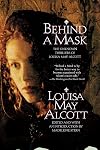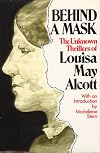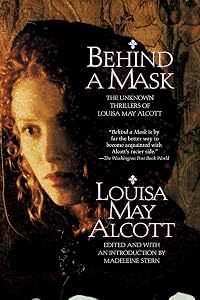
Behind a Mask: The Unknown Thrillers Of Louisa May Alcott
by Louisa May Alcott
On This Page
Description
"Contains an introduction by M.B. Stern and four stories by L.M. Alcott: Behind a mask; or, A woman's power, The abbot's ghost; or Maurice Treherne's temptation, Pauline's passion and punishment, and The mysterious key and what it opened. The first two of these were published under the pseud. of A.M. Bernard."Tags
Recommendations
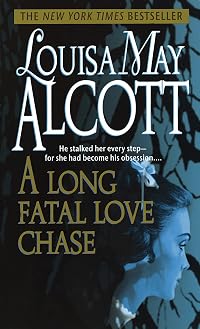
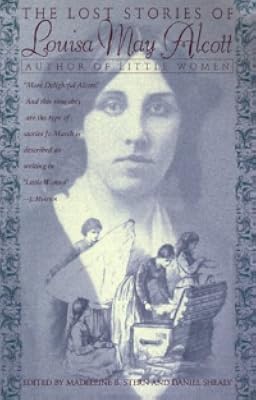

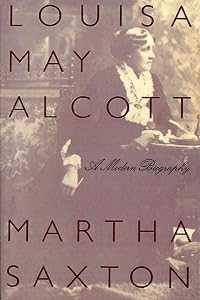

















Member Recommendations

Member Reviews
As her father, Amos Bronson Alcott, didn't earn enough, Louisa May helped her family by going "out to service" but returns after 7 weeks, furious at being tricked, overworked and cheated of her pay. She taught and sewed. She briefly served as a nurse during the Civil War but became ill. Becomes companion of woman who travels to Europe and learns much of the different personalities she meets.
She writes between other jobs. Her horror stories sell well but she was embarrassed with this subject and continued only because it helped the family.
Jean Muir, the first story in this collection, dramatically describes a sly, determined actress who bests an upper-class family. I enjoyed it because I can't abide snobs, and because it was obvious show more that Jean did have heart and soul. I didn't care for Pauline's Passion because it was full of vengeance and anger. Much too ridiculously dramatic.
I did like the Mysterious Key because the characters were mostly kind, though it was definitely over the top. The last selection The Abbot's Ghost is the best. So much going on and hard to figure out how it would all end.
The stories are definitely not modern but do entertain and show Louisa May Alcott as strong, smart, creative and certainly a feminist. show less
She writes between other jobs. Her horror stories sell well but she was embarrassed with this subject and continued only because it helped the family.
Jean Muir, the first story in this collection, dramatically describes a sly, determined actress who bests an upper-class family. I enjoyed it because I can't abide snobs, and because it was obvious show more that Jean did have heart and soul. I didn't care for Pauline's Passion because it was full of vengeance and anger. Much too ridiculously dramatic.
I did like the Mysterious Key because the characters were mostly kind, though it was definitely over the top. The last selection The Abbot's Ghost is the best. So much going on and hard to figure out how it would all end.
The stories are definitely not modern but do entertain and show Louisa May Alcott as strong, smart, creative and certainly a feminist. show less
These Louisa May Alcott original thrillers might just be the sort of writing she hints at in Little Women, but, while not great literature, they're not bad reading. Alcott's writing is excellent, and even though these stories weren't my sort of thing, I very much enjoyed reading them (with the exception of "Polly's Passion and Punishment" and "The Abbot's Ghost"). They were as much about the psychology of the people involved as the events of the stories.
When you think Louisa May Alcott, you think “Little Women”. The author is so synonymous with her much-loved classic that one forgets she wrote other types of stories too. It might come as a surprise to some that before she worked on “Little Women”, she wrote plenty of gothic thrillers. Published in popular magazines anonymously or under the pseudonym ‘A. M. Barnard’, the stories were the pulp fiction of their day, full of deceit and depravity. Alcott dismissively called them “blood-and-thunder tales.”
My copy of this book contained an opening note by Madeleine Stern, the lady who discovered the existence of these stories. She was a rare-book dealer and following clues sprinkled in Alcott’s correspondence and other show more writings, found evidence that Alcott had written potboilers too. Her introductory note is extremely insightful about Louisa May Alcott and gives a lot of details of when and how Alcott brought these stories to life.
This book was my attempt at knowing Louisa May Alcott’s works better. I am a huge fan of ‘Little Women’ and Jo March has a firm place in my heart as one of the best female characters in classics. Some shades of Jo’s independent streak can be found in the women of these stories too, but overall, I was left with mixed feelings. Of the four stories, two worked brilliantly and two left me feeling meh. Here’s a brief feedback on the stories.
1. Behind a Mask, or a Woman's Power: Written under the pseudonym of A M Barnard
It starts off in a very confusing manner with too many characters too soon, but you soon figure out who is who. The story is in the romantic suspense thriller style. Of course, for readers in 2022, there’s not much of suspense, but considering that this was first written in 1866, it must have been mind-blowing then. I never expected Alcott to write a heroine like this, what with her secretive deviousness and flirtatious behaviour. (It stunned me almost as much as Jane Austen’s Lady Susan.)
3.75 stars.
2. Pauline's Passion and Punishment
When Frank Leslie's Illustrated Newspaper offered a one hundred dollar prize for a story, Louisa May Alcott anonymously submitted, and won the contest with this story. Originally published in January 1863, this was the first of Louisa May Alcott's "blood-and-thunder" tales to be printed. It is the shortest story in the book with only four chapters and therein lies its shortcoming. It starts decently but soon becomes a tad boring. The ending is very abrupt and unexpected. At the same time, it has strong shades of feminism as the traditional gender roles seem to be reversed.
2.5 stars
3. The Mysterious Key
First published in 1867, this was my favourite story of the book. It is quite wellwritten and is the only story to create well-defined characters. Though it has its creepy moments, it is a bit predictable. Of course, considering it sprung from a young woman's mind more than 150 years ago, it's amazing. This is the only story in the book with a male hero and the only story that progresses at a steady and quick pace.
4.25 stars.
4. The Abbot's Ghost
Published under the pseudonym of A M Barnard in the year 1867, this is suppoed to be a Christmas story with a ghost. I tried a lot to keep my attention on this but I simply couldn't. There were too many characters (hardly any of whom are developed well) and the writing style was insipid. This was a dud for me with the ghost being the only surprise factor as I didn’t expect that from Alcott.
2 stars.
Overall, I would recommend this only to staunch fans of Louisa May Alcott who want to see her beyond “Little Women”. The stories are all in the public domain so you needn’t purchase this copy but can just download the individual stories from public domain book sites such as Gutenberg or Archive.org.
***********************
Join me on the Facebook group, Readers Forever!, for more reviews, book-related discussions and fun. show less
My copy of this book contained an opening note by Madeleine Stern, the lady who discovered the existence of these stories. She was a rare-book dealer and following clues sprinkled in Alcott’s correspondence and other show more writings, found evidence that Alcott had written potboilers too. Her introductory note is extremely insightful about Louisa May Alcott and gives a lot of details of when and how Alcott brought these stories to life.
This book was my attempt at knowing Louisa May Alcott’s works better. I am a huge fan of ‘Little Women’ and Jo March has a firm place in my heart as one of the best female characters in classics. Some shades of Jo’s independent streak can be found in the women of these stories too, but overall, I was left with mixed feelings. Of the four stories, two worked brilliantly and two left me feeling meh. Here’s a brief feedback on the stories.
1. Behind a Mask, or a Woman's Power: Written under the pseudonym of A M Barnard
It starts off in a very confusing manner with too many characters too soon, but you soon figure out who is who. The story is in the romantic suspense thriller style. Of course, for readers in 2022, there’s not much of suspense, but considering that this was first written in 1866, it must have been mind-blowing then. I never expected Alcott to write a heroine like this, what with her secretive deviousness and flirtatious behaviour. (It stunned me almost as much as Jane Austen’s Lady Susan.)
3.75 stars.
2. Pauline's Passion and Punishment
When Frank Leslie's Illustrated Newspaper offered a one hundred dollar prize for a story, Louisa May Alcott anonymously submitted, and won the contest with this story. Originally published in January 1863, this was the first of Louisa May Alcott's "blood-and-thunder" tales to be printed. It is the shortest story in the book with only four chapters and therein lies its shortcoming. It starts decently but soon becomes a tad boring. The ending is very abrupt and unexpected. At the same time, it has strong shades of feminism as the traditional gender roles seem to be reversed.
2.5 stars
3. The Mysterious Key
First published in 1867, this was my favourite story of the book. It is quite wellwritten and is the only story to create well-defined characters. Though it has its creepy moments, it is a bit predictable. Of course, considering it sprung from a young woman's mind more than 150 years ago, it's amazing. This is the only story in the book with a male hero and the only story that progresses at a steady and quick pace.
4.25 stars.
4. The Abbot's Ghost
Published under the pseudonym of A M Barnard in the year 1867, this is suppoed to be a Christmas story with a ghost. I tried a lot to keep my attention on this but I simply couldn't. There were too many characters (hardly any of whom are developed well) and the writing style was insipid. This was a dud for me with the ghost being the only surprise factor as I didn’t expect that from Alcott.
2 stars.
Overall, I would recommend this only to staunch fans of Louisa May Alcott who want to see her beyond “Little Women”. The stories are all in the public domain so you needn’t purchase this copy but can just download the individual stories from public domain book sites such as Gutenberg or Archive.org.
***********************
Join me on the Facebook group, Readers Forever!, for more reviews, book-related discussions and fun. show less
I registered a book at BookCrossing.com!
http://www.BookCrossing.com/journal/10527363
This looked like a different kind of book, and it is. Known for Little Women, Louisa May Alcott wrote all her life, from an early age, like Jo, the main character in Little Women. Among other things she wrote "thrillers" that were often serialized in newspapers, under pen names. She didn't feel they were "legitimate" pieces of writing, not what "real" writers wrote. I suppose that's true, in a sense. Any kind of genre fiction tends to be considered lower class than what we call literature.
Although written mainly for the money, these four short novels are written with care. Time is taken on the details, the characters, the feelings. Unfortunately from my show more point of view, they are written in a rather flowery style, as was usual at the time. So we wade through a lot of delicate language and loaded paragraphs that could easily have been condensed to a pithy sentence or two. For me, the wordiness was a drawback, as it didn't usually add to the narrative or to the sense of the characters.
Each of the four novels features a strong woman who is bent upon revenge. In some cases the woman is relentless, while in others she shows a softer side. These women all have acting skills and can get others to do their dirty work or to believe the stories they tell. I wondered, each time, who would win out, or rather what would win: evil or good. There are unknowns that keep us guessing, and, interestingly to me, many drawing rooms of wealthy people. Alcott was herself not wealthy and did not grow up wealthy. I wonder where she learned the habits and lives of the ruling class. I don't doubt that she got it right, for I have read other accounts of these lives that corroborate her sense.
The book begins with an introduction by Madeleine Stern, which is worth reading for the information it offers about Alcott and her life and work. show less
http://www.BookCrossing.com/journal/10527363
This looked like a different kind of book, and it is. Known for Little Women, Louisa May Alcott wrote all her life, from an early age, like Jo, the main character in Little Women. Among other things she wrote "thrillers" that were often serialized in newspapers, under pen names. She didn't feel they were "legitimate" pieces of writing, not what "real" writers wrote. I suppose that's true, in a sense. Any kind of genre fiction tends to be considered lower class than what we call literature.
Although written mainly for the money, these four short novels are written with care. Time is taken on the details, the characters, the feelings. Unfortunately from my show more point of view, they are written in a rather flowery style, as was usual at the time. So we wade through a lot of delicate language and loaded paragraphs that could easily have been condensed to a pithy sentence or two. For me, the wordiness was a drawback, as it didn't usually add to the narrative or to the sense of the characters.
Each of the four novels features a strong woman who is bent upon revenge. In some cases the woman is relentless, while in others she shows a softer side. These women all have acting skills and can get others to do their dirty work or to believe the stories they tell. I wondered, each time, who would win out, or rather what would win: evil or good. There are unknowns that keep us guessing, and, interestingly to me, many drawing rooms of wealthy people. Alcott was herself not wealthy and did not grow up wealthy. I wonder where she learned the habits and lives of the ruling class. I don't doubt that she got it right, for I have read other accounts of these lives that corroborate her sense.
The book begins with an introduction by Madeleine Stern, which is worth reading for the information it offers about Alcott and her life and work. show less
Obvious talent. I like her "classics" best but these were admirably diverting.
There’s almost nothing I enjoy more than a Victorian gothic romance/thriller, and here are four terrific stories by one of America’s most beloved authors. It was very Bronte-esque!
Some of the stories here are more engaging than others, but they're all well-written and interesting. As different from the Alcott writing you're familiar with as possible, and a worthwhile read regardless.
Members
- Recently Added By
Published Reviews
Alcott published her 1866 novel under the pseudonym A.M. Barnard. A departure from her usual fare, this offers a deceitful governess's attempts to ruin a family. Chekhov's 1895 volume follows a disastrous marriage that triumphs over time. Copyright 2004 Reed Business Information.
added by Citizenjoyce
Lists

Best Gothic Fiction
110 works; 31 members

Books Read in 2017
4,249 works; 130 members
Author Information

474+ Works 109,107 Members
Louisa May Alcott was born in Germantown, Pennsylvania, in 1832. Two years later, she moved with her family to Boston and in 1840 to Concord, which was to remain her family home for the rest of her life. Her father, Bronson Alcott, was a transcendentalist and friend of Ralph Waldo Emerson and Henry David Thoreau. Alcott early realized that her show more father could not be counted on as sole support of his family, and so she sacrificed much of her own pleasure to earn money by sewing, teaching, and churning out potboilers. Her reputation was established with Hospital Sketches (1863), which was an account of her work as a volunteer nurse in Washington, D.C. Alcott's first works were written for children, including her best-known Little Women (1868--69) and Little Men: Life at Plumfield with Jo's Boys (1871). Moods (1864), a "passionate conflict," was written for adults. Alcott's writing eventually became the family's main source of income. Throughout her life, Alcott continued to produce highly popular and idealistic literature for children. An Old-Fashioned Girl (1870), Eight Cousins (1875), Rose in Bloom (1876), Under the Lilacs (1878), and Jack and Jill (1881) enjoyed wide popularity. At the same time, her adult fiction, such as the autobiographical novel Work: A Story of Experience (1873) and A Modern Mephistopheles (1877), a story based on the Faust legend, shows her deeper concern with such social issues as education, prison reform, and women's suffrage. She realistically depicts the problems of adolescents and working women, the difficulties of relationships between men and women, and the values of the single woman's life. (Bowker Author Biography) show less
All Editions
Some Editions
Work Relationships
Is contained in
Common Knowledge
- Canonical title
- Behind a Mask: The Unknown Thrillers Of Louisa May Alcott
- Original title
- Behind a Mask, or a Woman's Power
- Original publication date
- 1975
- People/Characters
- Jean Muir; Bella Coventry; Mrs. Coventry; Lucia Beaufort; Gerald Coventry; Edward (Ned) Coventry (Ned) (show all 36); John Coventry; Dr. Scott; Hester Dean; Pauline Valary Laroche; Manuel Laroche; Gilbert Redmond; Barbara St. Just Redmond; Dolores; Seguin; Richard Trevlyn; Alice Trevlyn; Lillian Trevlyn; Paul Jex (aka Paolo Talbot); Hester; Winston; Maud Churchill; Mrs. Langdon; Bedford; Frank Annon; Major Royston; Maurice Treherne; Octavia Treherne; Lady Treherne; Jasper Treherne; Edith Snowdon; General Snowdon; Rose Talbot; Blanche Talbot; John; Mrs. Benson
- Important places
- England, UK; Cuba
- First words
- "Has she come?"
- Last words
- (Click to show. Warning: May contain spoilers.)The triple wedding feast was celebrated at Treherne Abbey, and no uncanny visitor marred its festivities, for never again was the north gallery haunted by the ghostly Abbot.
- Blurbers
- King, Stephen
- Original language*
- Inglese
- Disambiguation notice
- Contains 4 stories: Behind a mask, or A woman's power --
Pauline's passion and punishment --
The mysterious key and what it opened --
The Abbot's ghost, or Maurice Treherne's temptation.
Please do not combine wi... (show all)th any of the single works.
*Some information comes from Common Knowledge in other languages. Click "Edit" for more information.
Classifications
Statistics
- Members
- 698
- Popularity
- 40,891
- Reviews
- 21
- Rating
- (3.63)
- Languages
- English, Finnish, Italian
- Media
- Paper, Ebook
- ISBNs
- 20
- ASINs
- 4