On This Page
Description
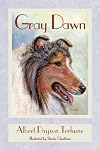
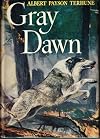
Tales of the large, bumptious, silver grey collie whom the Master found either an unbearable nuisance or a grand chum--never knowing which he was due to be next.Tags
Recommendations



















Member Reviews
I contemplated for about 15 seconds if this book deserved four stars. Yep, that long!
"Gray Dawn" is one of the better, nay, best of the Sunnybank collie stories, including the original "Lad: A Dog". I realized at one point that I was reading quickly, too quickly, in my eagerness to find out how each chapter would end. That, to me, is an indication of a book's quality and worth: for the time it took me to read "Gray Dawn", I was IN the story, with the collies and the Terhunes. I am sorry that the last page finally appeared, and I had to leave Sunnybank.
A worthy read for not just dog lovers, but for any lover of a good story. Highly recommended.
(I just upped this book and "Lad: A Dog" an extra 1/2 star, well deserved!)
"Gray Dawn" is one of the better, nay, best of the Sunnybank collie stories, including the original "Lad: A Dog". I realized at one point that I was reading quickly, too quickly, in my eagerness to find out how each chapter would end. That, to me, is an indication of a book's quality and worth: for the time it took me to read "Gray Dawn", I was IN the story, with the collies and the Terhunes. I am sorry that the last page finally appeared, and I had to leave Sunnybank.
A worthy read for not just dog lovers, but for any lover of a good story. Highly recommended.
(I just upped this book and "Lad: A Dog" an extra 1/2 star, well deserved!)
Albert Payson Terhune is the best author of dog books, and this one first published in 1920 is typical in most ways with his other dog books. He writes of a real dog he owns/has owned and then makes up stories around the dog. The Collie dog in this one is Gray Dawn, a puppy born in tragedy, who becomes a troublesome puppy then dog, but wins out in the end of each story. It is more just story telling than some of his other books where he has fun being more melodramatic. Some stories in this book are of the keystone cop type of comedy as the bad person gets what’s coming to them. The best thing is that in all the stories, Terhune turns the typical dog story on its head and twists the story in a different direction.
I will share some show more quotes I particularly enjoyed or tell themes common in Terhune’s books.
This next quote is when the Master is thinking of selling Gray Dawn to someone who breeds dogs for show. In other books Terhune has talked about the dog showing bug. In this bit he talks about the bad aspect of some who breed show dogs. I hope it is no longer the case with breeders.
‘Such dogs live in sanitary huts and runs. They eat sanitary balanced rations. Often they are trained, by a day or more of pitiful starvation, to look gluttonously alert in show ring. Their lives are about as interesting and jolly as the Congressional Record or the telephone directory. As a rule they die before they are nine years old; often much earlier. None of the gay independence of thought and action, the chumminess and the humanizing influences, which are a Collie’s birthright, are theirs, Their career is the stultifed and miserable career of the prize bull or the prize sheep. God help them!’
The Master is about to sell him because of perceived cowardice, but…
‘Great was Terror. But infinitely greater was Love. Paladins of old, bravely giving battle to fire-breathing dragons, had been spurred on by no purer courage.’
Another story revolves around a stuffed elephant toy. I think of all of us with dogs can relate to favorite toys of our dogs and their life span:
‘The dog’s strong jaws always closed with the most meticulous tenderness on the flannel. Despite this, the many and prolonged soft pressures presently changed the elephantine figure to a semishapeless wad. Dawn loved his plaything none the less for its loss of color and form. The passing of the days did not abate his fondness for it.’
This next bit is a teaser to one story. Normally this would be the punchline but not in this story:
“It was magnificent!” bellowed the father to all and sundry. “I saw the whole thing. Cleppy lost his footing when that scow hit us. Over he went into the river. Before he could reach the water this hero collie was overboard and after him. But for the dog, Cleppy would have been sucked under and drowned before the motor boat could get to him. It was glorious, I tell you!”
Terhune has been around generations of dogs and his experience and observations make his writing feel complexly genuine. It is also nice to when you have read his previous books on his other dogs to see the previous dogs referenced. I liked this next bit for those reasons as he talks about how Gray Down’s behavior when meeting new people differed from some of Terhune’s previous dogs:
‘He enjoyed meeting new people. He was intensely interested in everything that happened. That was all. He did not slip away unobtrusively, as did Bobby and as had Lad, when outsiders sought to pet him or to talk to him. He did not suffer such attentions with haughty aloofness, as did Bruce; nor greet them with a snarl and a flash of teeth, like Wolf. Neither did he repel advances with Treve’s melodramatically harmless growl.
He found mild pleasure in being admired and praised and in walking with stately benignity alongside of guests who were inspecting the rose garden or the kennels. But he felt not the faintest real fondness for such people. At heart he had all a true collie’s exclusiveness of loyalty.’
Several of the stories deal with bad people. As a dog lover, when someone seems willing to hurt or kill a dog it gets our blood boiling. In one, the villain is a dog catcher. He gets paid a dollar per dog he finds loose, but also a dollar per dog he has to put down if they are not claimed in 24 hours. It is also rumored he hid dogs in the cellar so owners wouldn’t see their dog to collect, and the dog catcher could collect that second dollar. In one part the dog catcher is on a boat in the lake and grabs Gray Dawn’s puppy owned by a frail little girl. Of course, Gray Dawn came to save the day, but the bad guy vows his revenge as any good villain would do:
"You mangy cur!” he mouthed, sputtering with wrath and from the water that trickled down from his hair into his nose and mouth. “I'll get you for this, if it takes me a year! I'll get you-----"
The stories of the dog being the hero and willing to brave their own fears never gets old to me, but what makes it exceptional is how with Terhune’s stories, it doesn’t end in the way you expect. Imagine if it was you sending the dog off into danger like the Mistress does here:
“Dawnie,” she told him, her sweet voice not quite level, “it all depends on you now. God never would have given you that steadfast look in the back of your eyes if you weren’t to be relied on to the death, Dawn. And perhaps it is ‘to the death,’ dear old friend. But it’s the only hope there is.
Lastly, I know some people want to know if Kleenex is needed at the end of the book. In this one like some of his other books, he has a couple of pages talking about the real dog. He mentions his life was only a short eight years. He finishes with:
‘Gray Dawn is one of the most lovable collies of all long Sunnybank line. He is not merely the professionally faithful dog of fiction, but rather—as the Mistress expresses it—an “own-your-own-soul dog.”
Within a pitifully small handful of years, at very most he will be gone. That is the way of dogs. All of them die too soon; though so many of us humans live too long. While still he is here, I want his stories to be read. Perhaps you may not like the stories. But I know you will like Dawn, himself. Everyone does.‘ show less
I will share some show more quotes I particularly enjoyed or tell themes common in Terhune’s books.
This next quote is when the Master is thinking of selling Gray Dawn to someone who breeds dogs for show. In other books Terhune has talked about the dog showing bug. In this bit he talks about the bad aspect of some who breed show dogs. I hope it is no longer the case with breeders.
‘Such dogs live in sanitary huts and runs. They eat sanitary balanced rations. Often they are trained, by a day or more of pitiful starvation, to look gluttonously alert in show ring. Their lives are about as interesting and jolly as the Congressional Record or the telephone directory. As a rule they die before they are nine years old; often much earlier. None of the gay independence of thought and action, the chumminess and the humanizing influences, which are a Collie’s birthright, are theirs, Their career is the stultifed and miserable career of the prize bull or the prize sheep. God help them!’
The Master is about to sell him because of perceived cowardice, but…
‘Great was Terror. But infinitely greater was Love. Paladins of old, bravely giving battle to fire-breathing dragons, had been spurred on by no purer courage.’
Another story revolves around a stuffed elephant toy. I think of all of us with dogs can relate to favorite toys of our dogs and their life span:
‘The dog’s strong jaws always closed with the most meticulous tenderness on the flannel. Despite this, the many and prolonged soft pressures presently changed the elephantine figure to a semishapeless wad. Dawn loved his plaything none the less for its loss of color and form. The passing of the days did not abate his fondness for it.’
This next bit is a teaser to one story. Normally this would be the punchline but not in this story:
“It was magnificent!” bellowed the father to all and sundry. “I saw the whole thing. Cleppy lost his footing when that scow hit us. Over he went into the river. Before he could reach the water this hero collie was overboard and after him. But for the dog, Cleppy would have been sucked under and drowned before the motor boat could get to him. It was glorious, I tell you!”
Terhune has been around generations of dogs and his experience and observations make his writing feel complexly genuine. It is also nice to when you have read his previous books on his other dogs to see the previous dogs referenced. I liked this next bit for those reasons as he talks about how Gray Down’s behavior when meeting new people differed from some of Terhune’s previous dogs:
‘He enjoyed meeting new people. He was intensely interested in everything that happened. That was all. He did not slip away unobtrusively, as did Bobby and as had Lad, when outsiders sought to pet him or to talk to him. He did not suffer such attentions with haughty aloofness, as did Bruce; nor greet them with a snarl and a flash of teeth, like Wolf. Neither did he repel advances with Treve’s melodramatically harmless growl.
He found mild pleasure in being admired and praised and in walking with stately benignity alongside of guests who were inspecting the rose garden or the kennels. But he felt not the faintest real fondness for such people. At heart he had all a true collie’s exclusiveness of loyalty.’
Several of the stories deal with bad people. As a dog lover, when someone seems willing to hurt or kill a dog it gets our blood boiling. In one, the villain is a dog catcher. He gets paid a dollar per dog he finds loose, but also a dollar per dog he has to put down if they are not claimed in 24 hours. It is also rumored he hid dogs in the cellar so owners wouldn’t see their dog to collect, and the dog catcher could collect that second dollar. In one part the dog catcher is on a boat in the lake and grabs Gray Dawn’s puppy owned by a frail little girl. Of course, Gray Dawn came to save the day, but the bad guy vows his revenge as any good villain would do:
"You mangy cur!” he mouthed, sputtering with wrath and from the water that trickled down from his hair into his nose and mouth. “I'll get you for this, if it takes me a year! I'll get you-----"
The stories of the dog being the hero and willing to brave their own fears never gets old to me, but what makes it exceptional is how with Terhune’s stories, it doesn’t end in the way you expect. Imagine if it was you sending the dog off into danger like the Mistress does here:
“Dawnie,” she told him, her sweet voice not quite level, “it all depends on you now. God never would have given you that steadfast look in the back of your eyes if you weren’t to be relied on to the death, Dawn. And perhaps it is ‘to the death,’ dear old friend. But it’s the only hope there is.
Lastly, I know some people want to know if Kleenex is needed at the end of the book. In this one like some of his other books, he has a couple of pages talking about the real dog. He mentions his life was only a short eight years. He finishes with:
‘Gray Dawn is one of the most lovable collies of all long Sunnybank line. He is not merely the professionally faithful dog of fiction, but rather—as the Mistress expresses it—an “own-your-own-soul dog.”
Within a pitifully small handful of years, at very most he will be gone. That is the way of dogs. All of them die too soon; though so many of us humans live too long. While still he is here, I want his stories to be read. Perhaps you may not like the stories. But I know you will like Dawn, himself. Everyone does.‘ show less
Albert Payson Terhune is the best author of dog books, and this one first published in 1920 is typical in most ways with his other dog books. He writes of a real dog he owns/has owned and then makes up stories around the dog. The Collie dog in this one is Gray Dawn, a puppy born in tragedy, who becomes a troublesome puppy then dog, but wins out in the end of each story. It is more just story telling than some of his other books where he has fun being more melodramatic. Some stories in this book are of the keystone cop type of comedy as the bad person gets what’s coming to them. The best thing is that in all the stories, Terhune turns the typical dog story on its head and twists the story in a different direction.
I will share some show more quotes I particularly enjoyed or tell themes common in Terhune’s books.
This next quote is when the Master is thinking of selling Gray Dawn to someone who breeds dogs for show. In other books Terhune has talked about the dog showing bug. In this bit he talks about the bad aspect of some who breed show dogs. I hope it is no longer the case with breeders.
‘Such dogs live in sanitary huts and runs. They eat sanitary balanced rations. Often they are trained, by a day or more of pitiful starvation, to look gluttonously alert in show ring. Their lives are about as interesting and jolly as the Congressional Record or the telephone directory. As a rule they die before they are nine years old; often much earlier. None of the gay independence of thought and action, the chumminess and the humanizing influences, which are a Collie’s birthright, are theirs, Their career is the stultifed and miserable career of the prize bull or the prize sheep. God help them!’
The Master is about to sell him because of perceived cowardice, but…
‘Great was Terror. But infinitely greater was Love. Paladins of old, bravely giving battle to fire-breathing dragons, had been spurred on by no purer courage.’
Another story revolves around a stuffed elephant toy. I think of all of us with dogs can relate to favorite toys of our dogs and their life span:
‘The dog’s strong jaws always closed with the most meticulous tenderness on the flannel. Despite this, the many and prolonged soft pressures presently changed the elephantine figure to a semishapeless wad. Dawn loved his plaything none the less for its loss of color and form. The passing of the days did not abate his fondness for it.’
This next bit is a teaser to one story. Normally this would be the punchline but not in this story:
“It was magnificent!” bellowed the father to all and sundry. “I saw the whole thing. Cleppy lost his footing when that scow hit us. Over he went into the river. Before he could reach the water this hero collie was overboard and after him. But for the dog, Cleppy would have been sucked under and drowned before the motor boat could get to him. It was glorious, I tell you!”
Terhune has been around generations of dogs and his experience and observations make his writing feel complexly genuine. It is also nice to when you have read his previous books on his other dogs to see the previous dogs referenced. I liked this next bit for those reasons as he talks about how Gray Down’s behavior when meeting new people differed from some of Terhune’s previous dogs:
‘He enjoyed meeting new people. He was intensely interested in everything that happened. That was all. He did not slip away unobtrusively, as did Bobby and as had Lad, when outsiders sought to pet him or to talk to him. He did not suffer such attentions with haughty aloofness, as did Bruce; nor greet them with a snarl and a flash of teeth, like Wolf. Neither did he repel advances with Treve’s melodramatically harmless growl.
He found mild pleasure in being admired and praised and in walking with stately benignity alongside of guests who were inspecting the rose garden or the kennels. But he felt not the faintest real fondness for such people. At heart he had all a true collie’s exclusiveness of loyalty.’
Several of the stories deal with bad people. As a dog lover, when someone seems willing to hurt or kill a dog it gets our blood boiling. In one, the villain is a dog catcher. He gets paid a dollar per dog he finds loose, but also a dollar per dog he has to put down if they are not claimed in 24 hours. It is also rumored he hid dogs in the cellar so owners wouldn’t see their dog to collect, and the dog catcher could collect that second dollar. In one part the dog catcher is on a boat in the lake and grabs Gray Dawn’s puppy owned by a frail little girl. Of course, Gray Dawn came to save the day, but the bad guy vows his revenge as any good villain would do:
"You mangy cur!” he mouthed, sputtering with wrath and from the water that trickled down from his hair into his nose and mouth. “I'll get you for this, if it takes me a year! I'll get you-----"
The stories of the dog being the hero and willing to brave their own fears never gets old to me, but what makes it exceptional is how with Terhune’s stories, it doesn’t end in the way you expect. Imagine if it was you sending the dog off into danger like the Mistress does here:
“Dawnie,” she told him, her sweet voice not quite level, “it all depends on you now. God never would have given you that steadfast look in the back of your eyes if you weren’t to be relied on to the death, Dawn. And perhaps it is ‘to the death,’ dear old friend. But it’s the only hope there is.
Lastly, I know some people want to know if Kleenex is needed at the end of the book. In this one like some of his other books, he has a couple of pages talking about the real dog. He mentions his life was only a short eight years. He finishes with:
‘Gray Dawn is one of the most lovable collies of all long Sunnybank line. He is not merely the professionally faithful dog of fiction, but rather—as the Mistress expresses it—an “own-your-own-soul dog.”
Within a pitifully small handful of years, at very most he will be gone. That is the way of dogs. All of them die too soon; though so many of us humans live too long. While still he is here, I want his stories to be read. Perhaps you may not like the stories. But I know you will like Dawn, himself. Everyone does.‘ show less
I will share some show more quotes I particularly enjoyed or tell themes common in Terhune’s books.
This next quote is when the Master is thinking of selling Gray Dawn to someone who breeds dogs for show. In other books Terhune has talked about the dog showing bug. In this bit he talks about the bad aspect of some who breed show dogs. I hope it is no longer the case with breeders.
‘Such dogs live in sanitary huts and runs. They eat sanitary balanced rations. Often they are trained, by a day or more of pitiful starvation, to look gluttonously alert in show ring. Their lives are about as interesting and jolly as the Congressional Record or the telephone directory. As a rule they die before they are nine years old; often much earlier. None of the gay independence of thought and action, the chumminess and the humanizing influences, which are a Collie’s birthright, are theirs, Their career is the stultifed and miserable career of the prize bull or the prize sheep. God help them!’
The Master is about to sell him because of perceived cowardice, but…
‘Great was Terror. But infinitely greater was Love. Paladins of old, bravely giving battle to fire-breathing dragons, had been spurred on by no purer courage.’
Another story revolves around a stuffed elephant toy. I think of all of us with dogs can relate to favorite toys of our dogs and their life span:
‘The dog’s strong jaws always closed with the most meticulous tenderness on the flannel. Despite this, the many and prolonged soft pressures presently changed the elephantine figure to a semishapeless wad. Dawn loved his plaything none the less for its loss of color and form. The passing of the days did not abate his fondness for it.’
This next bit is a teaser to one story. Normally this would be the punchline but not in this story:
“It was magnificent!” bellowed the father to all and sundry. “I saw the whole thing. Cleppy lost his footing when that scow hit us. Over he went into the river. Before he could reach the water this hero collie was overboard and after him. But for the dog, Cleppy would have been sucked under and drowned before the motor boat could get to him. It was glorious, I tell you!”
Terhune has been around generations of dogs and his experience and observations make his writing feel complexly genuine. It is also nice to when you have read his previous books on his other dogs to see the previous dogs referenced. I liked this next bit for those reasons as he talks about how Gray Down’s behavior when meeting new people differed from some of Terhune’s previous dogs:
‘He enjoyed meeting new people. He was intensely interested in everything that happened. That was all. He did not slip away unobtrusively, as did Bobby and as had Lad, when outsiders sought to pet him or to talk to him. He did not suffer such attentions with haughty aloofness, as did Bruce; nor greet them with a snarl and a flash of teeth, like Wolf. Neither did he repel advances with Treve’s melodramatically harmless growl.
He found mild pleasure in being admired and praised and in walking with stately benignity alongside of guests who were inspecting the rose garden or the kennels. But he felt not the faintest real fondness for such people. At heart he had all a true collie’s exclusiveness of loyalty.’
Several of the stories deal with bad people. As a dog lover, when someone seems willing to hurt or kill a dog it gets our blood boiling. In one, the villain is a dog catcher. He gets paid a dollar per dog he finds loose, but also a dollar per dog he has to put down if they are not claimed in 24 hours. It is also rumored he hid dogs in the cellar so owners wouldn’t see their dog to collect, and the dog catcher could collect that second dollar. In one part the dog catcher is on a boat in the lake and grabs Gray Dawn’s puppy owned by a frail little girl. Of course, Gray Dawn came to save the day, but the bad guy vows his revenge as any good villain would do:
"You mangy cur!” he mouthed, sputtering with wrath and from the water that trickled down from his hair into his nose and mouth. “I'll get you for this, if it takes me a year! I'll get you-----"
The stories of the dog being the hero and willing to brave their own fears never gets old to me, but what makes it exceptional is how with Terhune’s stories, it doesn’t end in the way you expect. Imagine if it was you sending the dog off into danger like the Mistress does here:
“Dawnie,” she told him, her sweet voice not quite level, “it all depends on you now. God never would have given you that steadfast look in the back of your eyes if you weren’t to be relied on to the death, Dawn. And perhaps it is ‘to the death,’ dear old friend. But it’s the only hope there is.
Lastly, I know some people want to know if Kleenex is needed at the end of the book. In this one like some of his other books, he has a couple of pages talking about the real dog. He mentions his life was only a short eight years. He finishes with:
‘Gray Dawn is one of the most lovable collies of all long Sunnybank line. He is not merely the professionally faithful dog of fiction, but rather—as the Mistress expresses it—an “own-your-own-soul dog.”
Within a pitifully small handful of years, at very most he will be gone. That is the way of dogs. All of them die too soon; though so many of us humans live too long. While still he is here, I want his stories to be read. Perhaps you may not like the stories. But I know you will like Dawn, himself. Everyone does.‘ show less
A series of stories about one of Terhune's collies, Gray Dawn, who starts out as a rambunctious puppy always getting into one scrape or another. Even as an adult, trouble and mischief seem to find him now and again, making for some humorous and interesting stories.
276. Gray Dawn, by Albert Payson Terhune (read 17 Aug 1946) My comment when I finished this book on 17 Aug 1946 was "Too kiddish." I was 17, so I should have read it earlier.
These books are some of my all-time favorites.
Ratings
Members
- Recently Added By
Lists

Favorite Childhood Books
1,646 works; 518 members

Rough collies -- children's/young adult fiction
155 works; 1 member

Dogs -- children's/young adult fiction
1,317 works; 9 members
Author Information

83+ Works 3,626 Members
Series

Belongs to Publisher Series
Harper Perennial (P069)
Common Knowledge
- Original publication date
- 1927
Classifications
Statistics
- Members
- 106
- Popularity
- 305,509
- Reviews
- 6
- Rating
- (4.17)
- Languages
- English
- Media
- Paper, Ebook
- ISBNs
- 5
- ASINs
- 7