On This Page
Description
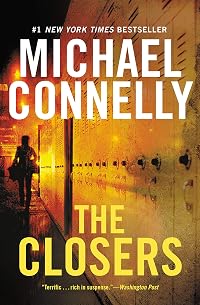
In this #1 New York Times bestseller, Detective Harry Bosch joins LA's elite Open/Unsolved Unit to help piece together the mysterious death of a teenage girl.He walked away from the job three years ago. But Harry Bosch cannot resist the call to join the elite Open/Unsolved Unit. His mission: solve murders whose investigations were flawed, stalled, or abandoned to L.A.'s tides of crime. With some people openly rooting for his failure, Harry catches the case of a teenager dragged off to her show more death on Oat Mountain, and traces the DNA on the murder weapon to a small-time criminal. But something bigger and darker beckons, and Harry must battle to fit all the pieces together. Shaking cages and rattling ghosts, he will push the rules to the limit — and expose the kind of truth that shatters lives, ends careers, and keeps the dead whispering in the night . . . show less
Tags
Recommendations
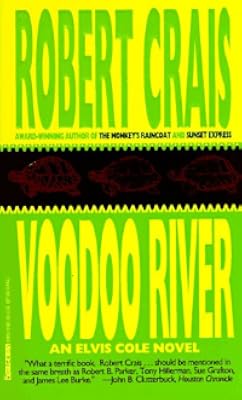
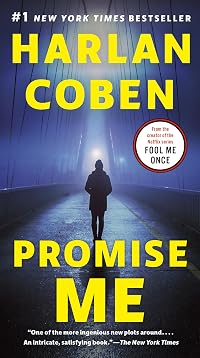
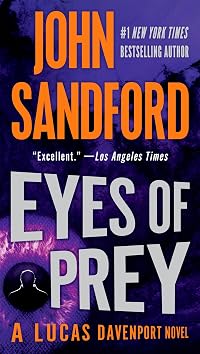
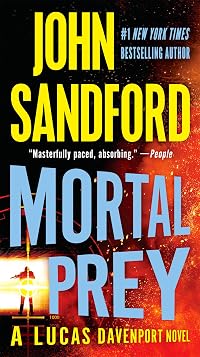

Member Reviews
My expectations were naturally high as I ventured back alongside Harry Bosch as he re-joins the force in "The Closers". This novel does bring a different tempo, quite unlike the whirlwind of suspense we often associate with Bosch's live-wire cases. Instead, he delves into a cold case, bringing a slower, perhaps more methodical, feel to this venture.
Initially, my excitement ebbed slightly as the urgency I’m familiar with in Bosch novels was subdued due to the nature of a cold case. However, as Bosch's intricate world unfurled, the story's pace began to pick up, rendering my initial reservations (mostly) moot. Detours from urgency can indeed provide new spaces for character exploration and narrative depth. This novel proved that show more slow-burning embers could have the potential to ignite an inferno.
The inclusion, perhaps reintroduction, of Irvin Irving added a nuanced blend to the storyline. Though I found Irving's character portrayal to be somewhat dissonant with previous depictions, it provided a refreshing dimension. It's these unexpected character arcs that might polarise views but undeniably stir the plot's dynamic.
Also, Kizmin “Kiz” Rider's return from administrative duties to being Harry’s partner on “sixth floor” made for a welcome addition. Sadly, she remains somewhat bland and underused but at least she’s back.
Lastly, the narrative's gradual acceleration led to a climax that, while not as adrenaline-pumped as some of Connelly’s others, was satisfyingly appropriate given the plot's trajectory.
Connelly proves with "The Closers" that revisiting cold cases need not be a cold affair; rather, it can kindle new respect for nuances in crime-solving that fresher cases rarely provide the space to explore.
While the novel initially felt like a quiet murmur compared to the thunderous exploits of Bosch, it evolved beautifully into a rhythmic soliloquy, deserving a solid four-star rating.
Blog | Facebook | Twitter | Mastodon | Instagram | Pinterest | Medium | Matrix | Tumblr
Ceterum censeo Putin esse delendam show less
Initially, my excitement ebbed slightly as the urgency I’m familiar with in Bosch novels was subdued due to the nature of a cold case. However, as Bosch's intricate world unfurled, the story's pace began to pick up, rendering my initial reservations (mostly) moot. Detours from urgency can indeed provide new spaces for character exploration and narrative depth. This novel proved that show more slow-burning embers could have the potential to ignite an inferno.
The inclusion, perhaps reintroduction, of Irvin Irving added a nuanced blend to the storyline. Though I found Irving's character portrayal to be somewhat dissonant with previous depictions, it provided a refreshing dimension. It's these unexpected character arcs that might polarise views but undeniably stir the plot's dynamic.
Also, Kizmin “Kiz” Rider's return from administrative duties to being Harry’s partner on “sixth floor” made for a welcome addition. Sadly, she remains somewhat bland and underused but at least she’s back.
Lastly, the narrative's gradual acceleration led to a climax that, while not as adrenaline-pumped as some of Connelly’s others, was satisfyingly appropriate given the plot's trajectory.
Connelly proves with "The Closers" that revisiting cold cases need not be a cold affair; rather, it can kindle new respect for nuances in crime-solving that fresher cases rarely provide the space to explore.
While the novel initially felt like a quiet murmur compared to the thunderous exploits of Bosch, it evolved beautifully into a rhythmic soliloquy, deserving a solid four-star rating.
Blog | Facebook | Twitter | Mastodon | Instagram | Pinterest | Medium | Matrix | Tumblr
Ceterum censeo Putin esse delendam show less
Harry Bosch’s return to the LAPD, after a three-years hiatus in which he tried to reinvent himself as a private investigator, marks Michael Connelly’s return to third-person narrative, which had been shifted to first-person in the previous two books, as if to mark the similarity between Bosch’s new chosen profession and the classic noir narrative of the solitary P.I. The switchback does not affect the reader’s immersion in the story, of course, although I’m still curious about the author’s choice and wondering if it was an experiment he then decided to abandon.
Harry is back to his old stomping ground, armed once again with the badge that will allow him to open doors and be as effective as humanly possible in seeking justice show more for the victims: enrolled in the refurbished cold cases department, now renamed Open Unsolved Unit, he teams up with his old partner Kizmin Rider as the two are assigned a case from 1988, that of the murder of sixteen-year old Rebecca Verloren, who was abducted from her home and then killed. The murder had been mismanaged from the start, initially mistaken as a runaway case, and then as suicide: once forensic evidence pointed to murder, too many of the vital clues had been lost, making it impossible to find a perpetrator. Now the analysis of DNA evidence (much improved since then) seems to point to a small-time felon who used to live near Rebecca: Bosch and Rider will have to review what evidence survived the passing of time and find a way to connect the pieces into a viable picture. The passage of time will not be the only obstacle they will encounter on their path, since resistance from inside the police department and some ever-present political maneuvering threaten to crush their efforts, and to nip Bosch’s new career in the bud as the figure of former Chief of police Irving looms quite large on the horizon…
The transformation of Harry Bosch from the “loose cannon” he used to be into a more thoughtful, more sedate detective continues in this 11th novel of the series, and apart from the fact that this change is appropriate - since no individual remains the same throughout their life - it also marks the passing of time and the differences in outlook that experience (and hopefully wisdom) can visit on people. There are some moments in which the “old” Harry seems to surface, the one who preferred to cut corners and defy the system to bring justice to the victims, but here he appears more inclined to listen to his better angels and, more importantly, to his partner’s cooler advice. One of the elements I more appreciated in this book is the working relationship between Bosch and Rider, one that comes from mutual respect and the appreciation of one another’s strengths.
He was back on the job with her less than a day and they had already dropped back into the easy rhythm of their prior partnership. He was happy.
Kiz Rider’s character is a skillful blend of hard-won competence and innate empathy, all rolled into a no-nonsense person who is not afraid of calling out her former mentor on his flaws, or warning him that he might jeopardize both the investigation and their careers with his unorthodox choices. The “old” Harry might have scoffed at such warnings and kept going, the “new” one not only listens, but has the honesty of admitting his faults and attempting to correct them: the two of them complement each other very well, and I hope that Michael Connelly will let us have more of this successful investigative duo in the next books, because I enjoyed it quite a bit.
As far as the story itself goes, it’s less “adventurous” than the previous ones, given that it follows the investigation as Bosch and Rider start back from scratch, collecting all the surviving evidence and trying to gather any new detail that might help them in finding the perpetrator, but I appreciated it all the same because I’m always fascinated by the mechanics of investigation, especially wherever forensic clues are concerned. What truly stands out in The Closers is the depiction of a crime’s emotional fallout for the victim’s relatives, particularly when they are not afforded any form of closure: here we see how Rebecca’s parents never recovered from their child’s murder - the mother living in the same house and keeping her daughter’s room as she left it, a shrine to the memory of a life lost when its potential was still to be explored; the father falling into an abyss of despair and alcohol from which he’s trying to emerge in small, painful steps. These parents’ anguish touches Bosch in quite a poignant way, which is hardly surprising because he’s a father now and, even though it remains unexpressed, the thought that he might lose his daughter to the cruelty of the world lurks just behind his awareness, lending him the drive to bring some form of justice to these bereaved parents.
The investigation, slow-paced as it is, moves unfailingly toward its resolution, one that proved quite surprising to me, and in so doing explores all the avenues offered by the few clues the detectives can work with: we see them research the possibilities of sex crime, and then of hate crime - which also affords a diversion into the murky world of racism and white supremacy - and once again opens a window into the multilayered aspects of a big city like Los Angeles, one that
[…] shimmered out there like a million dreams, not all of them good
And Bosch is certainly back to shine his own light on the pockets of darkness nesting among those bright dreams, he’s back in his true element and not the proverbial fish-out-of-water he felt like in the previous two books: on this respect, there is a very enlightening passage in which he tells Rider that he had noticed how he walked favoring one leg, only to become aware that he was unconsciously compensating for the lack of the service weapon at his side - not so much the gun in itself, but what it represented for his ability to respond to the unheard cries of the victims. This new start in his life is exactly what he always wanted, and needed, to satisfy his drive for justice, and it feels like the start of new, intriguing chapter in this character’s journey. show less
Harry is back to his old stomping ground, armed once again with the badge that will allow him to open doors and be as effective as humanly possible in seeking justice show more for the victims: enrolled in the refurbished cold cases department, now renamed Open Unsolved Unit, he teams up with his old partner Kizmin Rider as the two are assigned a case from 1988, that of the murder of sixteen-year old Rebecca Verloren, who was abducted from her home and then killed. The murder had been mismanaged from the start, initially mistaken as a runaway case, and then as suicide: once forensic evidence pointed to murder, too many of the vital clues had been lost, making it impossible to find a perpetrator. Now the analysis of DNA evidence (much improved since then) seems to point to a small-time felon who used to live near Rebecca: Bosch and Rider will have to review what evidence survived the passing of time and find a way to connect the pieces into a viable picture. The passage of time will not be the only obstacle they will encounter on their path, since resistance from inside the police department and some ever-present political maneuvering threaten to crush their efforts, and to nip Bosch’s new career in the bud as the figure of former Chief of police Irving looms quite large on the horizon…
The transformation of Harry Bosch from the “loose cannon” he used to be into a more thoughtful, more sedate detective continues in this 11th novel of the series, and apart from the fact that this change is appropriate - since no individual remains the same throughout their life - it also marks the passing of time and the differences in outlook that experience (and hopefully wisdom) can visit on people. There are some moments in which the “old” Harry seems to surface, the one who preferred to cut corners and defy the system to bring justice to the victims, but here he appears more inclined to listen to his better angels and, more importantly, to his partner’s cooler advice. One of the elements I more appreciated in this book is the working relationship between Bosch and Rider, one that comes from mutual respect and the appreciation of one another’s strengths.
He was back on the job with her less than a day and they had already dropped back into the easy rhythm of their prior partnership. He was happy.
Kiz Rider’s character is a skillful blend of hard-won competence and innate empathy, all rolled into a no-nonsense person who is not afraid of calling out her former mentor on his flaws, or warning him that he might jeopardize both the investigation and their careers with his unorthodox choices. The “old” Harry might have scoffed at such warnings and kept going, the “new” one not only listens, but has the honesty of admitting his faults and attempting to correct them: the two of them complement each other very well, and I hope that Michael Connelly will let us have more of this successful investigative duo in the next books, because I enjoyed it quite a bit.
As far as the story itself goes, it’s less “adventurous” than the previous ones, given that it follows the investigation as Bosch and Rider start back from scratch, collecting all the surviving evidence and trying to gather any new detail that might help them in finding the perpetrator, but I appreciated it all the same because I’m always fascinated by the mechanics of investigation, especially wherever forensic clues are concerned. What truly stands out in The Closers is the depiction of a crime’s emotional fallout for the victim’s relatives, particularly when they are not afforded any form of closure: here we see how Rebecca’s parents never recovered from their child’s murder - the mother living in the same house and keeping her daughter’s room as she left it, a shrine to the memory of a life lost when its potential was still to be explored; the father falling into an abyss of despair and alcohol from which he’s trying to emerge in small, painful steps. These parents’ anguish touches Bosch in quite a poignant way, which is hardly surprising because he’s a father now and, even though it remains unexpressed, the thought that he might lose his daughter to the cruelty of the world lurks just behind his awareness, lending him the drive to bring some form of justice to these bereaved parents.
The investigation, slow-paced as it is, moves unfailingly toward its resolution, one that proved quite surprising to me, and in so doing explores all the avenues offered by the few clues the detectives can work with: we see them research the possibilities of sex crime, and then of hate crime - which also affords a diversion into the murky world of racism and white supremacy - and once again opens a window into the multilayered aspects of a big city like Los Angeles, one that
[…] shimmered out there like a million dreams, not all of them good
And Bosch is certainly back to shine his own light on the pockets of darkness nesting among those bright dreams, he’s back in his true element and not the proverbial fish-out-of-water he felt like in the previous two books: on this respect, there is a very enlightening passage in which he tells Rider that he had noticed how he walked favoring one leg, only to become aware that he was unconsciously compensating for the lack of the service weapon at his side - not so much the gun in itself, but what it represented for his ability to respond to the unheard cries of the victims. This new start in his life is exactly what he always wanted, and needed, to satisfy his drive for justice, and it feels like the start of new, intriguing chapter in this character’s journey. show less
That late into a series (this is the 11th Bosch novel), you either like (or at least tolerate) the author's style and the main detective's oddities (and/or the supporting cast) or you had bailed out a long time ago. Technically this one may be a good place to start into the series (old grievances coming into the open notwithstanding) but as with most modern crime series, it works better as part of the series.
Bosch is back into LAPD, partnered again with Kiz but this time not in the Homicide team proper but in the Open/Unsolved Unit - the LAPD name for the Cold Cases. Early in the book, a character notes that the biggest obstacle to working on these is not time but the department itself - things had been lost (intentionally or not; show more permanently or not) through the years and solving puzzles with missing pieces is never fun (solving puzzles when someone mixed in pieces from other puzzles is even worse and that is often the case with these as well). As is often the case, that's not there just to fill the pages - it tells you where this story is heading early on - see my note above about the author's style.
His return to the force seems to start very well - there had been a positive DNA match in the murder of Rebecca Verloren 17 years ago, back in 1988. Except that nothing in this case sounds right to Bosch. Cold cases novels can be a bit slow - usually noone is in a particular hurry after all those years. The murder may be a cold case or open/unsolved if you will) but the new investigation opens a lot of old secrets and wounds - in ways that a lot of people would rather not see them open.
As usual, Los Angeles, the city and its history, are an important element of the novel - Bosch cannot exist elsewhere and in a different time. That adds some depth to the story but it also is probably one of the weaker novels in the series - some of the topics it covered sounded like a rehash of the same topics in earlier stories. One thing the novel works for is showing Bosch changing even more - he was the lone wolf who did not care about anyone at the start of the series and now almost feels like a team player (until he does not of course). His professional relationship with Kiz is a lot more strained than the last few times we saw them together - and it is not just because Bosch is being himself.
Overall not a bad entry in the series and I like where Bosch is going (and I much prefer him inside the police than outside of it as in the last few novels). show less
Bosch is back into LAPD, partnered again with Kiz but this time not in the Homicide team proper but in the Open/Unsolved Unit - the LAPD name for the Cold Cases. Early in the book, a character notes that the biggest obstacle to working on these is not time but the department itself - things had been lost (intentionally or not; show more permanently or not) through the years and solving puzzles with missing pieces is never fun (solving puzzles when someone mixed in pieces from other puzzles is even worse and that is often the case with these as well). As is often the case, that's not there just to fill the pages - it tells you where this story is heading early on - see my note above about the author's style.
His return to the force seems to start very well - there had been a positive DNA match in the murder of Rebecca Verloren 17 years ago, back in 1988. Except that nothing in this case sounds right to Bosch. Cold cases novels can be a bit slow - usually noone is in a particular hurry after all those years. The murder may be a cold case or open/unsolved if you will) but the new investigation opens a lot of old secrets and wounds - in ways that a lot of people would rather not see them open.
As usual, Los Angeles, the city and its history, are an important element of the novel - Bosch cannot exist elsewhere and in a different time. That adds some depth to the story but it also is probably one of the weaker novels in the series - some of the topics it covered sounded like a rehash of the same topics in earlier stories. One thing the novel works for is showing Bosch changing even more - he was the lone wolf who did not care about anyone at the start of the series and now almost feels like a team player (until he does not of course). His professional relationship with Kiz is a lot more strained than the last few times we saw them together - and it is not just because Bosch is being himself.
Overall not a bad entry in the series and I like where Bosch is going (and I much prefer him inside the police than outside of it as in the last few novels). show less
Connelly knows the way to keep a long-running series fresh is to change things up. That, and the apparent progression of time between books as roughly analogous to the time that passes in Harry's life are the two things I appreciate most about this series.
Harry is now working on a cold case squad and is again paired with Kiz Rider, a character I really enjoy. This new kind of case offers a different perspective and allows Harry to learn, and Connelly to introduce us to, a new kind of detective work. A pleasure to read.
Harry is now working on a cold case squad and is again paired with Kiz Rider, a character I really enjoy. This new kind of case offers a different perspective and allows Harry to learn, and Connelly to introduce us to, a new kind of detective work. A pleasure to read.
The Closers
4.5 Stars
Harry Bosch is back on the force and together with his new (old) partner, Kiz Ryder, investigates the unsolved murder of a teenage girl taken from her home. The case takes an unexpected turn when the evidence suggests a connection to white supremacists and the possibility that the LAPD, specifically Bosch's nemesis, Chief Irving, may have been involved in a cover up.
The Closers is one of Connelly's better installments in the Harry Bosch series as the writing is succinct, the plotting cohesive and the characterization unburdened by the excessive personal angst that bogs down some of the other stories.
It is good to have Harry back in the LAPD as being a PI was not the right fit for him. The cold case is compelling show more with some excellent twists and misdirection. While the killer's identity is self-evident in retrospect, it is not as obvious as the story progresses. In addition to the solid mystery, Connelly also manages to skillfully evoke the reader's sympathies for the victim by focusing on those left behind - the parents, the friends, the cops.
Although the department politics takes a back seat to the mystery, there are still some interesting developments and there is one particularly satisfying scene when Chief Irving seems to get his just desserts. Perhaps we have finally seen the back of him, but only time will tell.
All in all, an extremely satisfying read and I am eager to read the next one and finally be able to watch the first season of the Bosch television series. show less
4.5 Stars
Harry Bosch is back on the force and together with his new (old) partner, Kiz Ryder, investigates the unsolved murder of a teenage girl taken from her home. The case takes an unexpected turn when the evidence suggests a connection to white supremacists and the possibility that the LAPD, specifically Bosch's nemesis, Chief Irving, may have been involved in a cover up.
The Closers is one of Connelly's better installments in the Harry Bosch series as the writing is succinct, the plotting cohesive and the characterization unburdened by the excessive personal angst that bogs down some of the other stories.
It is good to have Harry back in the LAPD as being a PI was not the right fit for him. The cold case is compelling show more with some excellent twists and misdirection. While the killer's identity is self-evident in retrospect, it is not as obvious as the story progresses. In addition to the solid mystery, Connelly also manages to skillfully evoke the reader's sympathies for the victim by focusing on those left behind - the parents, the friends, the cops.
Although the department politics takes a back seat to the mystery, there are still some interesting developments and there is one particularly satisfying scene when Chief Irving seems to get his just desserts. Perhaps we have finally seen the back of him, but only time will tell.
All in all, an extremely satisfying read and I am eager to read the next one and finally be able to watch the first season of the Bosch television series. show less
This one is a bit of a homecoming for Bosch, as he returns to the LAPD on a special program designed to keep experience in the ranks. An old partner, Liz Rider, brings Bosch back and agrees to partner with him on the Open/Unsolved Unit, looking at cold cases. On their first one, they get a DNA match that puts them into an investigation highlighting a white supremacist group that operated in Los Angeles in the 80's. One of the best aspects of this, and other similar entries in the Bosch universe, is his ability to identify mismanaged and poorly investigated cases so that he can work through the problems to identify and catch the killer.
It's a good place to start with jump start Bosch's story - and a good place for Connelly to get his show more feet back under him after meandering a bit in the last couple novels. It's funny how Bosch's retirement seemed to strain the narratives, as if Connelly felt just as ill at ease as the character.
5 bones!!!!! show less
It's a good place to start with jump start Bosch's story - and a good place for Connelly to get his show more feet back under him after meandering a bit in the last couple novels. It's funny how Bosch's retirement seemed to strain the narratives, as if Connelly felt just as ill at ease as the character.
5 bones!!!!! show less
So this was the last Harry Bosch book I read this past weekend. We have Harry reunited with Kiz and now they are both working in the Open/Unsolved Unit in the LAPD (think Cold Case). Kiz pulled some strings and got Harry back with her and now the former partners are teaming up to figure out who was behind the murder of a young 17 year old girl in 1988. This book has a little bit of everything. You have Harry finally happy again because he is doing what he does best, closing cases. He has Kiz back by his side. He is now a father to a young girl (and by the way I am so confused by what her age is) and finally has another boss that he respects. You have Irving hanging around like a dark cloud (book Irving sucks by the way) and you get to show more once again see the dark side of the LAPD back in the 80s. With an ending that once again surprised me, you have to wonder how Connelly plans on topping this in book #12.
We once again get Harry's first person POV throughout this book. Excited and a little bit nervous, Bosch meets the new Chief of Police and pretty much gets a mission to go out and help silence those out there who have been murdered and their killers have never been found. It can read a bit hoky, but I actually found myself feeling moved by it. And you get that same feeling throughout the book. Bosch is pushed throughout to figure out who murdered 17 year old Rebecca (Becky) Verloren. You get to see the effect that her murder has on her two parents, both who seemed stuck and have no way forward without the daughter they loved. I get a sense that throughout the book Bosch is haunted that something can happen to his daughter Maddie, and it scares him a bit that he would end up as broken as the two parents are in the book.
Secondary characters once again get a chance to shine throughout. I also think that Connelly may be setting up future tensions between Harry and a lot of people though.
For example, Harry's partner Kiz is definitely playing some political level games. I do wonder if this will end up affecting her and Harry's relationship. We do get some glimpses of J. Edgar. However, he is still in Hollywood, left behind by both his former partners. I don't know if Harry is picking up on J. Edgar's resentment, or is he seeing something that is not there. Irving is back and has become the real life boogeyman in this series at this point. The man has done a lot of questionable and terrible things. I always felt like he had a reluctant admiration of Bosch. However, we find out that is not the case. Irving has been pushed out by the new Chief, and is just waiting for Bosch to screw up per usual, so he (Irving) can swoop in and take down the new Chief. So besides Harry trying to find out who Becky Verloren's killer is, you have added pressure that if he makes one wrong room it can cost him and Kiz their jobs along with the Chief.
I felt haunted by Becky Verloren throughout this book. I really hope that the tv series considers turning this book into one of their upcoming seasons. There was so much going on here, but honestly Becky was the heart. Her parents are both devastated that the daughter they thought they knew apparently was in love and at one point pregnant. They can't imagine who would have killer her since everyone loved her. Even Becky's closet friends have no idea what she was up to and with who. I got a sense of a young girl who believed in true love until she realized that love was tainted. And when we find out who killer her and why I felt sadness for this fictional character. This is one of the reasons why I had to stop watching Cold Case. I usually turned into a blubbery mess when the victim would come back and smile happily at Lily, because her finding out who killed them had helped set them free.
The plot really kind of meanders just a bit though here and there. Even though Bosch and Kiz have DNA tying a man to Beck's death, they have to work backwards to see if anyone knew him and how he came to be connected to Becky. This brings up white supremacy in LA in the 80s (seriously with real world events cropping up while I read a book from years ago) and how an earlier LAPD unit could have ties to this whole thing. It does work, but as I said goes a bit circular at times. The aspect of race is brought up again and again in this book as well. Due to Becky's parents being an interracial couple in the 80s, Bosch and Kiz have to wonder if that could be the reason why Becky was targeted and murdered.
The writing is typical Connelly. I thought that he did a good job per usual with Bosch's voice. I thought the flow towards the end got a little uneven. Not too bad though, just a bit. I think it was because I had to go back and re-read a few things since I was all, wait, did I get that right or am I missing something a few times.
I am going to start calling out Connelly though for the bad guy(s) always coming to a bad end when Bosch investigates though. It's starting to become a thing in this series. show less
We once again get Harry's first person POV throughout this book. Excited and a little bit nervous, Bosch meets the new Chief of Police and pretty much gets a mission to go out and help silence those out there who have been murdered and their killers have never been found. It can read a bit hoky, but I actually found myself feeling moved by it. And you get that same feeling throughout the book. Bosch is pushed throughout to figure out who murdered 17 year old Rebecca (Becky) Verloren. You get to see the effect that her murder has on her two parents, both who seemed stuck and have no way forward without the daughter they loved. I get a sense that throughout the book Bosch is haunted that something can happen to his daughter Maddie, and it scares him a bit that he would end up as broken as the two parents are in the book.
Secondary characters once again get a chance to shine throughout. I also think that Connelly may be setting up future tensions between Harry and a lot of people though.
For example, Harry's partner Kiz is definitely playing some political level games. I do wonder if this will end up affecting her and Harry's relationship. We do get some glimpses of J. Edgar. However, he is still in Hollywood, left behind by both his former partners. I don't know if Harry is picking up on J. Edgar's resentment, or is he seeing something that is not there. Irving is back and has become the real life boogeyman in this series at this point. The man has done a lot of questionable and terrible things. I always felt like he had a reluctant admiration of Bosch. However, we find out that is not the case. Irving has been pushed out by the new Chief, and is just waiting for Bosch to screw up per usual, so he (Irving) can swoop in and take down the new Chief. So besides Harry trying to find out who Becky Verloren's killer is, you have added pressure that if he makes one wrong room it can cost him and Kiz their jobs along with the Chief.
I felt haunted by Becky Verloren throughout this book. I really hope that the tv series considers turning this book into one of their upcoming seasons. There was so much going on here, but honestly Becky was the heart. Her parents are both devastated that the daughter they thought they knew apparently was in love and at one point pregnant. They can't imagine who would have killer her since everyone loved her. Even Becky's closet friends have no idea what she was up to and with who. I got a sense of a young girl who believed in true love until she realized that love was tainted. And when we find out who killer her and why I felt sadness for this fictional character. This is one of the reasons why I had to stop watching Cold Case. I usually turned into a blubbery mess when the victim would come back and smile happily at Lily, because her finding out who killed them had helped set them free.
The plot really kind of meanders just a bit though here and there. Even though Bosch and Kiz have DNA tying a man to Beck's death, they have to work backwards to see if anyone knew him and how he came to be connected to Becky. This brings up white supremacy in LA in the 80s (seriously with real world events cropping up while I read a book from years ago) and how an earlier LAPD unit could have ties to this whole thing. It does work, but as I said goes a bit circular at times. The aspect of race is brought up again and again in this book as well. Due to Becky's parents being an interracial couple in the 80s, Bosch and Kiz have to wonder if that could be the reason why Becky was targeted and murdered.
The writing is typical Connelly. I thought that he did a good job per usual with Bosch's voice. I thought the flow towards the end got a little uneven. Not too bad though, just a bit. I think it was because I had to go back and re-read a few things since I was all, wait, did I get that right or am I missing something a few times.
I am going to start calling out Connelly though for the bad guy(s) always coming to a bad end when Bosch investigates though. It's starting to become a thing in this series. show less
Members
- Recently Added By
Lists

Arresting Police Procedurals
29 works; 4 members

Crime and Mysteries to Read
746 works; 31 members

Books Read in 2006
422 works; 7 members

Books Read in 2018
4,360 works; 110 members

Bookshelf from Interstellar
62 works; 1 member

Books - Connolly, Michael: Bosch
44 works; 1 member
Author Information

160+ Works 154,697 Members
Michael Connelly was born in Philadelphia, Pennsylvania on July 21, 1956. He graduated from the University of Florida in 1980 where he majored in journalism and minored in creative writing. After graduation, he worked at newspapers in Daytona Beach and Fort Lauderdale, Florida, specializing in the crime beat. In 1986, he interviewed survivors of a show more plane crash with two other reporters and the magazine story subsequently written on the crash was on the short list for the Pulitzer Prize for feature writing. This story led to a job as a crime reporter for the Los Angeles Times. After three years there, he began writing his first novel. His first novel, The Black Echo, was published in 1992 and won the Edgar Award for best first novel. He is the author of the Harry Bosch series, the Jack McEvoy series, and the Mickey Haller series. He has won numerous awards including the Anthony Award, Macavity Award, Shamus Award, Dilys Award, Nero Award, Barry Award, Ridley Award, Maltese Falcon Award (Japan), .38 Caliber Award (France), Grand Prix Award (France), Premio Bancarella Award (Italy), and the Pepe Carvalho Award (Spain). (Bowker Author Biography) show less
Some Editions
Awards and Honors
Awards
Distinctions
Series


Belongs to Publisher Series
Work Relationships
Is contained in
The Closers / Chasing the Dime / Echo Park / The Overlook / The Poet / The Last Coyote / The Concrete Blonde / Lost Light / The Black Echo by Michael Connelly
The Closers / Chasing the Dime / The Brass Verdict / The Last Coyote / Trunk Music / City of Bones by Michael Connelly
The Black Echo / The Poet / Trunk Music / Angels Flight / The Closers / The Lincoln Lawyer by Michael Connelly
The Black Echo / The Black Ice / The Concrete Blonde / The Last Coyote / The Poet / Trunk Music / Blood Work / Angels Flight / Void Moon / A Darkness More Than Night / City of Bones / Lost Light / The Narrows / The Closers / The Lincoln Lawyer / Echo Park / The Overlook / The Brass Verdict / Nine Dragons / The Reversal by Michael Connelly
Is abridged in
Has as a student's study guide
Common Knowledge
- Canonical title
- The Closers
- Original title
- The Closers
- Original publication date
- 2005
- People/Characters
- Hieronymus 'Harry' Bosch; Kizmin 'Kiz' Rider
- Important places
- Los Angeles, California, USA
- Dedication
- To the detectives
who have to look into the abyss - First words
- Within the practice and protocol of the Los Angeles Police Department a two-six call is the one that draws the most immediate response while striking the most fear behind the bulletproof vest.
- Last words
- (Click to show. Warning: May contain spoilers.)And a promise always to speak for the dead.
- Original language
- English
Classifications
Statistics
- Members
- 5,314
- Popularity
- 2,561
- Reviews
- 101
- Rating
- (3.81)
- Languages
- 17 — Chinese, Danish, Dutch, English, Estonian, Finnish, French, German, Greek, Hungarian, Italian, Norwegian (Bokmål), Polish, Portuguese, Spanish, Swedish, Turkish
- Media
- Paper, Audiobook, Ebook
- ISBNs
- 100
- UPCs
- 3
- ASINs
- 27