On This Page
Description
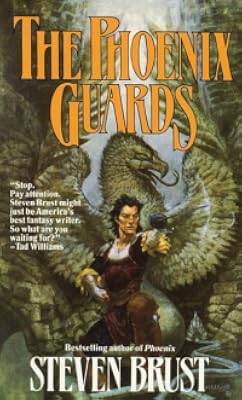
Khaavren of the House of Tiassa is a son of landless nobility, possessor of a good sword and "tolerably well-acquainted with its use." Along with three loyal friends, he enthusiastically seeks out danger and excitement. But in a realm renowned for repartee and betrayals, where power is as mutable as magic, a young man like Khaavren, newly come from the countryside, had best be wary. His life depends on it. And so does the future of Draegara. Set in the same world as Stephen Brust's beloved show more Vlad Taltos books, The Phoenix Guards is a fantasy rewrite ofThe Three Musketeers--a swashbuckling tale of adventure. show lessTags
Recommendations





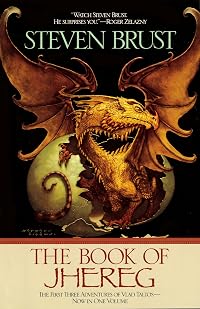
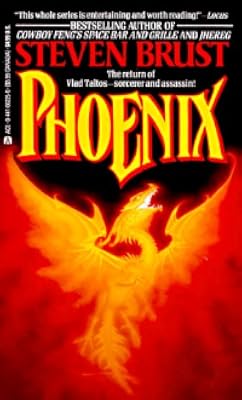



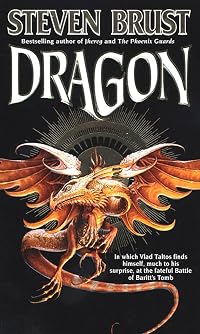



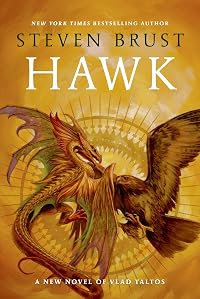
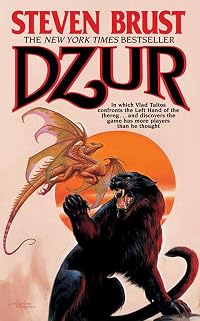
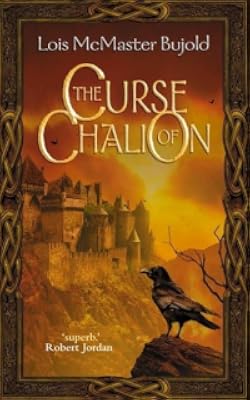
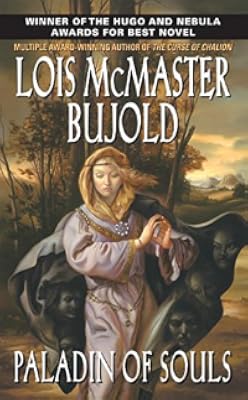


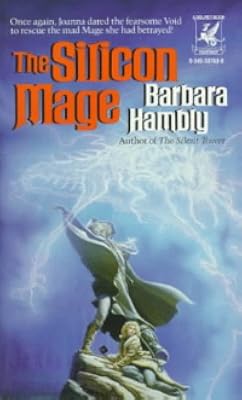
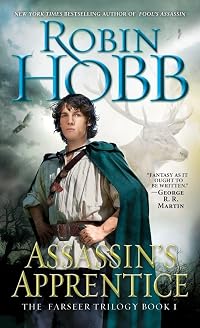
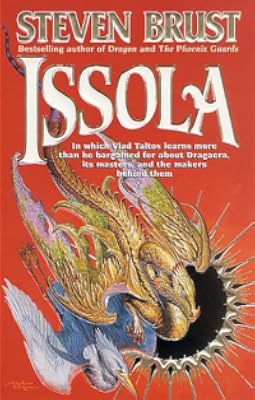
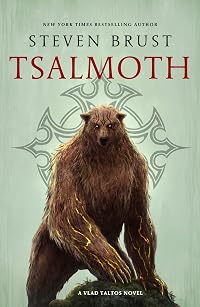


Member Recommendations
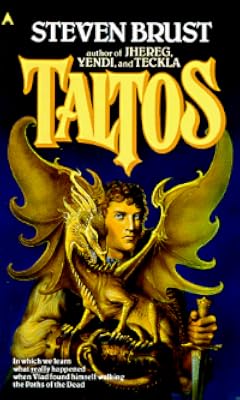
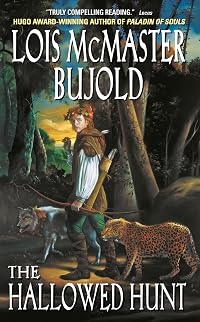
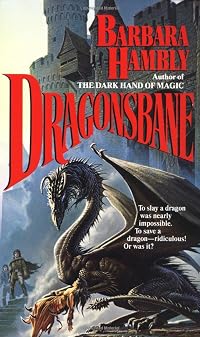
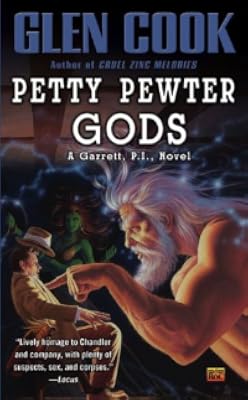
paintingfire Brust was inspired by the French Romantics, and Dumas in particular. If you enjoyed "The Phoenix Guards", and you've never read "The Three Musketeers", you should give it a try!
Also recommended by lorax
84

Member Reviews
A re-read, while healing from a broken wrist so only managing a chapter or two at a time. This meant I didn't tear through it at nearly the same pace as when I first read it some 10-20(??) years ago but I still loved just as much the lengthy portions of dialogue along the lines of
"I have been wondering."
"What have you been wondering?"
"You would like to know what I have been wondering?"
"I almost think I have been asking for it for an hour!"
"Well, then I will tell you."
"And I shall listen attentively."
It's just delightfully mannered and utterly ridiculous, especially when it happens in the heat of an ambush in which there cannot possibly be time for all that and you have to wonder how much else our Very Reliable and Unimpeachably show more Historical Narrator is completely making up. I adore it. show less
"I have been wondering."
"What have you been wondering?"
"You would like to know what I have been wondering?"
"I almost think I have been asking for it for an hour!"
"Well, then I will tell you."
"And I shall listen attentively."
It's just delightfully mannered and utterly ridiculous, especially when it happens in the heat of an ambush in which there cannot possibly be time for all that and you have to wonder how much else our Very Reliable and Unimpeachably show more Historical Narrator is completely making up. I adore it. show less
Swashbuckling adventure! Sinister plots against the Empire! Will good friends, honor and friendliness prevail?
In all reviewer honesty, I've had this book for a number of years now (fine; since I bought the paperback release in 1992. Yes, Grasshopper, I'm that old) and have re-read it more than a few times since. I'm re-reading it now with Fantasy Aficionados, so it's time to trumpet its virtues.
Apparently in the style of [b:The Three Musketeers|7190|The Three Musketeers (The D'Artagnan Romances, #1)|Alexandre Dumas|https://i.gr-assets.com/images/S/compressed.photo.goodreads.com/books/1320436982l/7190._SY75_.jpg|1263212] (which I have not read), Brust goes one better by setting it in an interesting fantasy world and giving us a female show more fighter in the foursome. Like Dumas, Brust uses the background premise of a manuscript by another author, only in this case, the book is a "notebook" created by a historian surrounding events that preceded the fall of the Empire. It is part of a stand-alone duo set in the same world as the Vlad Taltos series, centering on events that contributed to the Interregnum, a significant world-event that continues to have consequences in Vlad's time.
The plot centers around four young adults heading to the capital city to join the Dragon guard, seeking fame, adventure or a trade (alas, no fire-breathing dragons here). The narrative chiefly focuses on Khaavren, an impoverished country noble seeking a trade. Lacking the sorcerery skills of Tazendra, the deviousness of Pell, or the quiet thoughtfulness of Aerich, he relies on his interest and open demeanor as he finds his way in the city. Together the four are formidable. Though not blood-thirsty, preserving honor is important and they are involved in more than their share of duels defending themselves or each other. Although they don't realize it, they are about to play a role in the politics of the nation as one of them seeks to win a lady's affection. There are swords, and sorcery; plots to overthrow the throne, and plots to support it. Hands will be kissed, brigands defeated, friends made, and rescues attempted.
Dialogue is formal and ornate, with much verbal fencing:
"'It is not a word,' said Pel, tossing his cloak over his shoulder so that the elegant hilt of his blade was visible, 'that pleases my ears.'
'Well,' said the lady who had spoken first, 'I confess that your ears are of only a little concern to me.'
'But,' said Pel, bowing politely, 'your tongue is of great concern to me.'
'For my part,' said Khaavren, 'I am concerned with her feet.'
'How,' said Aerich, who stood between Pel and Khaavren. 'Her feet?'
'Indeed. For if she will use them to move from these cramped quarters, well, I will do her the honor of showing her what my arm can do.'"
With a fair amount of sly asides and subtle banter, this isn't really a laugh-out-loud book; rather it acknowledges the occasional humorous note in clever word-play. For instance:
"'It's amazing!' he [Khaavren] cried to his companions.
Pel smiled complacently, but Tazendra touched his arm and said in a low voice, "Come! Not so loud. Everyone will think that you come from the duchies.'
A puzzled look crossed Khaavren's countenance. 'But I do come from the duchies.'
This time, the look of puzzlement crossed Tazendra's features, while Aerich smiled."
I remember on first read, the initial sections with Paarfi, the self-absorbed and pompous 'chronicler,' as being confusing and distracting. I found them more amusing on the second and third reads. Brust uses a potentially risky technique here of referencing popular works/events within the world of the book, so although the reader remains clueless as to the actual reference, the meaning usually comes clear.
"The creation for the first time of forts and fortresses (the distinction, certain comments by the Lord of Snails notwithstanding, having nothing whatsoever to do with the presence of breastworks, nor the size of buttresses)."
Also, if this is your first entry into Brust's Dragaeran Empire, the social structure takes awhile to piece together. While basically a feudal society, people are members of one of seventeen Houses, or genetic lineages that tend to specific characteristics and traits. Part of the challenge the first time through is piecing the social structure together.
The plotting is complex, and sheer perfection when it comes together at the end. This is a well-crafted book that should appeal to those who love a complex epic fantasy (Malazan, anyone?). It only improves with re-reading, as the extent to which the characters are subject to behind-the-scenes forces becomes clear. When coupled with the Vlad series, it provides a fascinating historical insight into a complex world.
Four and a half comradely stars.
Ps. I'm fairly certain there is a sneaky little homage to The Princess Bride tucked away in chapter twenty-six.
"'You use that word again, Garland.'
'Well, and is it not a perfectly good word, your ladyship?'
'Oh, I have no quarrel with the word.'
'And then?'
'But its application in this case.'
'I must hold to it, your ladyship.'
'And yet I declare that the thing is impossible.'"
Cross posted at http://clsiewert.wordpress.com/2013/04/11/the-phoenix-guards-by-steven-brust-adv... show less
In all reviewer honesty, I've had this book for a number of years now (fine; since I bought the paperback release in 1992. Yes, Grasshopper, I'm that old) and have re-read it more than a few times since. I'm re-reading it now with Fantasy Aficionados, so it's time to trumpet its virtues.
Apparently in the style of [b:The Three Musketeers|7190|The Three Musketeers (The D'Artagnan Romances, #1)|Alexandre Dumas|https://i.gr-assets.com/images/S/compressed.photo.goodreads.com/books/1320436982l/7190._SY75_.jpg|1263212] (which I have not read), Brust goes one better by setting it in an interesting fantasy world and giving us a female show more fighter in the foursome. Like Dumas, Brust uses the background premise of a manuscript by another author, only in this case, the book is a "notebook" created by a historian surrounding events that preceded the fall of the Empire. It is part of a stand-alone duo set in the same world as the Vlad Taltos series, centering on events that contributed to the Interregnum, a significant world-event that continues to have consequences in Vlad's time.
The plot centers around four young adults heading to the capital city to join the Dragon guard, seeking fame, adventure or a trade (alas, no fire-breathing dragons here). The narrative chiefly focuses on Khaavren, an impoverished country noble seeking a trade. Lacking the sorcerery skills of Tazendra, the deviousness of Pell, or the quiet thoughtfulness of Aerich, he relies on his interest and open demeanor as he finds his way in the city. Together the four are formidable. Though not blood-thirsty, preserving honor is important and they are involved in more than their share of duels defending themselves or each other. Although they don't realize it, they are about to play a role in the politics of the nation as one of them seeks to win a lady's affection. There are swords, and sorcery; plots to overthrow the throne, and plots to support it. Hands will be kissed, brigands defeated, friends made, and rescues attempted.
Dialogue is formal and ornate, with much verbal fencing:
"'It is not a word,' said Pel, tossing his cloak over his shoulder so that the elegant hilt of his blade was visible, 'that pleases my ears.'
'Well,' said the lady who had spoken first, 'I confess that your ears are of only a little concern to me.'
'But,' said Pel, bowing politely, 'your tongue is of great concern to me.'
'For my part,' said Khaavren, 'I am concerned with her feet.'
'How,' said Aerich, who stood between Pel and Khaavren. 'Her feet?'
'Indeed. For if she will use them to move from these cramped quarters, well, I will do her the honor of showing her what my arm can do.'"
With a fair amount of sly asides and subtle banter, this isn't really a laugh-out-loud book; rather it acknowledges the occasional humorous note in clever word-play. For instance:
"'It's amazing!' he [Khaavren] cried to his companions.
Pel smiled complacently, but Tazendra touched his arm and said in a low voice, "Come! Not so loud. Everyone will think that you come from the duchies.'
A puzzled look crossed Khaavren's countenance. 'But I do come from the duchies.'
This time, the look of puzzlement crossed Tazendra's features, while Aerich smiled."
I remember on first read, the initial sections with Paarfi, the self-absorbed and pompous 'chronicler,' as being confusing and distracting. I found them more amusing on the second and third reads. Brust uses a potentially risky technique here of referencing popular works/events within the world of the book, so although the reader remains clueless as to the actual reference, the meaning usually comes clear.
"The creation for the first time of forts and fortresses (the distinction, certain comments by the Lord of Snails notwithstanding, having nothing whatsoever to do with the presence of breastworks, nor the size of buttresses)."
Also, if this is your first entry into Brust's Dragaeran Empire, the social structure takes awhile to piece together. While basically a feudal society, people are members of one of seventeen Houses, or genetic lineages that tend to specific characteristics and traits. Part of the challenge the first time through is piecing the social structure together.
The plotting is complex, and sheer perfection when it comes together at the end. This is a well-crafted book that should appeal to those who love a complex epic fantasy (Malazan, anyone?). It only improves with re-reading, as the extent to which the characters are subject to behind-the-scenes forces becomes clear. When coupled with the Vlad series, it provides a fascinating historical insight into a complex world.
Four and a half comradely stars.
Ps. I'm fairly certain there is a sneaky little homage to The Princess Bride tucked away in chapter twenty-six.
"'You use that word again, Garland.'
'Well, and is it not a perfectly good word, your ladyship?'
'Oh, I have no quarrel with the word.'
'And then?'
'But its application in this case.'
'I must hold to it, your ladyship.'
'And yet I declare that the thing is impossible.'"
Cross posted at http://clsiewert.wordpress.com/2013/04/11/the-phoenix-guards-by-steven-brust-adv... show less
This is the story, presented as a historical text written - purportedly, per the preface - by Sir Paarfi of Roundwood, of how Khaavren and his friends joined the Phoenix Guards and the adventures they had together at a point of interest in the history of the Dragaeran Empire. Although they are quite hot tempered, provoking duels or easily taking insult so they can fight duels, they also turn out to be excellent diplomats.
Full of dense prose (four hundred and ninety pages worth), this is a book to be savoured, not rushed. Brust explains in the afterword that he wanted to write in the style of Dumas, who was paid per word. While it is certainly entertaining (characters have a sort of archaic Shakespearean style of speech), and an show more interesting concept, it does make for slow reading. In the 25th chapter, for instance, in introducing a character (Kathana), it takes the supposed author / historian two pages to explain that he does intended to introduce the character, and not keep her 'off stage' for the entire text, before he actually introduces her. And then the 'two words' which would be enough to describe her turn into (only - for a wonder!) several sentences before he digresses in yet another direction.
I actually liked the device (even though I intended reading it quickly as it was overdue at the library) and I do see it might irritate some readers; I found it well written, consistent and funny, and the action (though not necessarily fast) is furious. I almost couldn't put it down, though I did need a few breaks to digest that much verbosity.
In the chapter after we meet Kathana:
I found the whole story amusing and read it with a smile on my face; in fact it made me chuckle out loud quite often.
Khaavren is preparing for a duel, with a friend as witness:
I like the conceit at the end, where, in the author's afterword, Stephen Brust explains his style of writing and that of the assumed author, Paarfi - and then there is a second afterword where Paarfi introduces us (disbelievingly) to Brust.
The only problem I had with the story was the different races; though human, they live for millennia, and are also members of distinct Houses (seemingly races) which are instantly identifiable to other characters, which puzzled me. I suspect that I was missing something by not having read other books in this universe. I picked this book up as the first in a series, and because the blurb on the back said it was about events that occurred a thousand years before Vlad Taltos; however, that should have been my warning.
Although there are class / race distinctions, with everyone slotting happily into their stereotypes, ladies do seem to be on an equal footing with men. Not only do they hold political positions on par with men (warlords, empresses), they sign up as soldiers with no distinction between the sexes, and enter into duels on their own behalves.
Recommended. show less
Full of dense prose (four hundred and ninety pages worth), this is a book to be savoured, not rushed. Brust explains in the afterword that he wanted to write in the style of Dumas, who was paid per word. While it is certainly entertaining (characters have a sort of archaic Shakespearean style of speech), and an show more interesting concept, it does make for slow reading. In the 25th chapter, for instance, in introducing a character (Kathana), it takes the supposed author / historian two pages to explain that he does intended to introduce the character, and not keep her 'off stage' for the entire text, before he actually introduces her. And then the 'two words' which would be enough to describe her turn into (only - for a wonder!) several sentences before he digresses in yet another direction.
I actually liked the device (even though I intended reading it quickly as it was overdue at the library) and I do see it might irritate some readers; I found it well written, consistent and funny, and the action (though not necessarily fast) is furious. I almost couldn't put it down, though I did need a few breaks to digest that much verbosity.
In the chapter after we meet Kathana:
... a sacrifice, if we may say so, to the god Brevity, whom all historians, indeed, all who work with the written word, ought to worship. We cannot say too little on this subject.
This having been stated, then, we will carry out our worship of the afore-mentioned god so far as to dwell no longer on explanations, but ....
I found the whole story amusing and read it with a smile on my face; in fact it made me chuckle out loud quite often.
Khaavren is preparing for a duel, with a friend as witness:
"I do not think this gentleman will give you much sport."
"You think not?"
"Well, you perceive how, in practicing, he strikes only at the air."
"That is not unusual, when preparing for a contest."
"No, and yet he seems to miss with every third stroke."
I like the conceit at the end, where, in the author's afterword, Stephen Brust explains his style of writing and that of the assumed author, Paarfi - and then there is a second afterword where Paarfi introduces us (disbelievingly) to Brust.
The only problem I had with the story was the different races; though human, they live for millennia, and are also members of distinct Houses (seemingly races) which are instantly identifiable to other characters, which puzzled me. I suspect that I was missing something by not having read other books in this universe. I picked this book up as the first in a series, and because the blurb on the back said it was about events that occurred a thousand years before Vlad Taltos; however, that should have been my warning.
Although there are class / race distinctions, with everyone slotting happily into their stereotypes, ladies do seem to be on an equal footing with men. Not only do they hold political positions on par with men (warlords, empresses), they sign up as soldiers with no distinction between the sexes, and enter into duels on their own behalves.
Recommended. show less
I am doing a reread of the books by Steven Brust set in the Dragaeran universe, and started with this one. I read this book a long time ago when I was just a lowly teenager. And, I completely missed the point, including all the jokes that were wrapped in over the top speech.
On a reread, I found it to be a completely different book, one with depth that is incredibly funny. However, I found myself at times wanting to throw this book at the wall due to just how...... annoying that Paarfi of Roundwood writes. However, don't let that keep you from reading it- its all part of the fun.
On a reread, I found it to be a completely different book, one with depth that is incredibly funny. However, I found myself at times wanting to throw this book at the wall due to just how...... annoying that Paarfi of Roundwood writes. However, don't let that keep you from reading it- its all part of the fun.
If you love the Dragaera books/Vlad Taltos books, and especially if you haven't read "Tiassa" yet, you should definitely pick up the Khaavren Romances (a few of the characters from this series show up in that one). Also, numerous references are made to events that take place in this series, as well as characters who come up here. We finally learn about Aliera's backstory, the story behind Adron's disaster, the Empress' backstory, Morrolan's backstory, Morrolan's castle's backstory and really not much about Sethra Levode except we see how she and Morrolan first met.
The first novel only involves a few faces we're familiar with (Adron among them), and mainly concerns events some time before Adron's disaster. It mainly serves as build-up show more for the next book, which is a little more relevant for fans of the Vlad Taltos books. Of course, these novels are laced with Brust humor, so they're all fun.
Be warned: each novel is LONG (as in a) thick, b) thin pages, and c) tiny, close lined text), and there are FIVE of them. Also: Brust modeled these after Alexandre Dumas' "d'Artagnan Romances" (which includes "The Three Musketeers"). The series share many things, including book long, writing style, thematic elements, and plots. Brust himself has called these a blatant rip-off of Dumas' series. So if you've read any of the ones from Dumas, you know about what to expect. But it's Brust, and it's Dragaera, so it's a lot better than that.
These are worth reading, the others more so than this one. But if you want to read the others, I highly suggest you start with "The Phoenix Guards", because things will make a LOT more sense. show less
The first novel only involves a few faces we're familiar with (Adron among them), and mainly concerns events some time before Adron's disaster. It mainly serves as build-up show more for the next book, which is a little more relevant for fans of the Vlad Taltos books. Of course, these novels are laced with Brust humor, so they're all fun.
Be warned: each novel is LONG (as in a) thick, b) thin pages, and c) tiny, close lined text), and there are FIVE of them. Also: Brust modeled these after Alexandre Dumas' "d'Artagnan Romances" (which includes "The Three Musketeers"). The series share many things, including book long, writing style, thematic elements, and plots. Brust himself has called these a blatant rip-off of Dumas' series. So if you've read any of the ones from Dumas, you know about what to expect. But it's Brust, and it's Dragaera, so it's a lot better than that.
These are worth reading, the others more so than this one. But if you want to read the others, I highly suggest you start with "The Phoenix Guards", because things will make a LOT more sense. show less
They should use this book as prison punishment: Don't get me wrong. I loved reading Dumas. This is nowhere near as good. Frankly, the inane, stupid, repetative, and annoying dialogue in this book should be used in english classes as an example of how to completely bore a reader to tears. If it was done as a sketch on SNL for 5 minutes it would be annoying, let alone EVERY SINGLE TIME characters in this book speak. The most notorious example of the pointlessness of the writing in this book is the chapter where they discuss in minute and silly detail the provisions for their trip. If that wasn't boring enough, a character that was absent during the discussion walks in and they REPEAT THE LIST OF WHAT THEY ARE TAKING AGAIN. Yep, that is show more high drama. Add to that the pointless, poorly written, and repetitious duels that occur randomly between annoying dialogue and you have a book that is not fit to be read by intelligent human beings.
If they tried to put this in prison libraries they would be sued for cruel and unusual punishment. Ever read the Eye of Argon? this is *almost* as stupid.
Don't waste your time. show less
If they tried to put this in prison libraries they would be sued for cruel and unusual punishment. Ever read the Eye of Argon? this is *almost* as stupid.
Don't waste your time. show less
The first time I read this book, I hated it. I couldn't get past the style.
Then a friend pointed out that the florid, long-winded, purple style was part of the joke. I reread it with that in mind and quite enjoyed it!
It's a delightful comedy of manners, politics, intrigue, and honor in the world of [b:Jhereg|133454|Jhereg (Vlad Taltos, #1)|Steven Brust|http://photo.goodreads.com/books/1328204364s/133454.jpg|1521838], set hundreds of years before Vlad Taltos comes on the scene. I doubt it would work for people coming to that world cold: not that you need to know any specific information from those books, but they do a better job of introducing the world to a new reader. This book assumes you already know about humans (Dragaerans), show more Easterners (humans), the Seventeen Houses, and so on and so forth, and proceeds to play out the elaborate tale within that world.
(It's also an homage/sendup of Dumas' Musketeers, but you can definitely appreciate it without having read them.) show less
Then a friend pointed out that the florid, long-winded, purple style was part of the joke. I reread it with that in mind and quite enjoyed it!
It's a delightful comedy of manners, politics, intrigue, and honor in the world of [b:Jhereg|133454|Jhereg (Vlad Taltos, #1)|Steven Brust|http://photo.goodreads.com/books/1328204364s/133454.jpg|1521838], set hundreds of years before Vlad Taltos comes on the scene. I doubt it would work for people coming to that world cold: not that you need to know any specific information from those books, but they do a better job of introducing the world to a new reader. This book assumes you already know about humans (Dragaerans), show more Easterners (humans), the Seventeen Houses, and so on and so forth, and proceeds to play out the elaborate tale within that world.
(It's also an homage/sendup of Dumas' Musketeers, but you can definitely appreciate it without having read them.) show less
Members
- Recently Added By
Lists

Jean's Sci Fi/Fantasy Reading list
189 works; 12 members

What Makes This Book So Great
102 works; 16 members
Author Information

72+ Works 35,603 Members
Steven Karl Zoltan Brust is a writer and musician. He was born on November 23, 1955. Brust has worked as a systems programmer for a computer company and played guitar, drums, and banjo in such bands as Cats Laughing, Morrigan, and Boiled in Lead. Brust writes science fiction, including the Vlad Taltos series, The Pheonix Guards, 500 Years After, show more and Brokedown Palace. He has written "choose-your-own-adventure" books for Tor and published several short stories in a series. Brust also released a solo album, A Rose for Iconoclastes, on the SteelDragon label. (Bowker Author Biography) show less
Some Editions
Awards and Honors
Awards
Series


Belongs to Publisher Series
Gallimard, Folio SF (334)
Work Relationships
Was inspired by
Common Knowledge
- Canonical title
- The Phoenix Guards
- Original publication date
- 1991
- People/Characters
- Khaavren of Castle Rock; Tazendra; Pel; Aerich
- Important places
- Dragaera
- Dedication
- For Maria, CB
- First words
- It happened that on the sixth day of spring, in the first year of the reign of His Imperial Majesty Tortaalik I of the House of the Phoenix, a young gentleman entered a small hostelry, in the village of Newmarket, some sixty ... (show all)leagues from Dragaera City.
- Last words
- (Click to show. Warning: May contain spoilers.)"We ask nothing better."
Classifications
Statistics
- Members
- 1,800
- Popularity
- 12,151
- Reviews
- 31
- Rating
- (3.94)
- Languages
- English, French, Spanish
- Media
- Paper, Audiobook, Ebook
- ISBNs
- 8
- ASINs
- 8