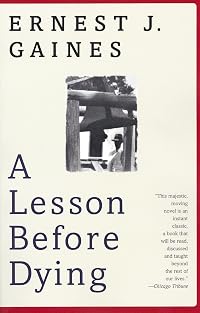
A Lesson Before Dying
by Ernest J. Gaines
On This Page
Description
"This majestic, moving novel is an instant classic, a book that will be read, discussed and taught beyond the rest of our lives."—Chicago TribuneWinner of the National Book Critics Circle Award, A Lesson Before Dying is a deep and compassionate novel about a young man who returns to 1940s Cajun country to visit a black youth on death row for a crime he didn't commit. Together they come to understand the heroism of resisting.
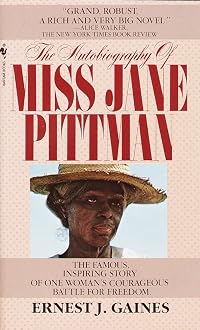
From the critically acclaimed author of A Gathering of Old Men show more and The Autobiography of Miss Jane Pittman.
. show less
Tags
Recommendations
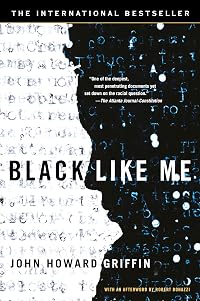
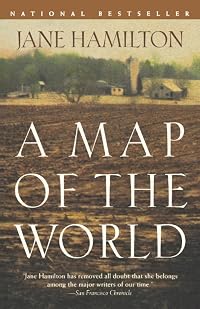
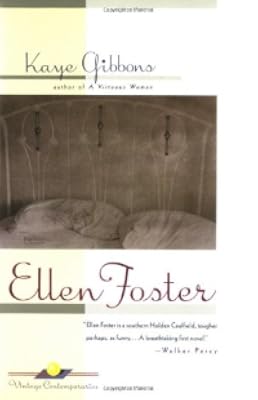
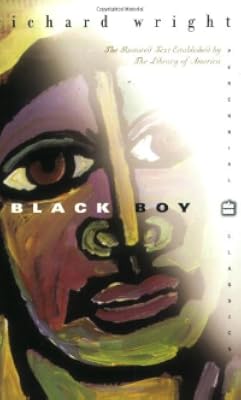
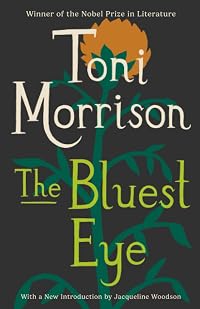
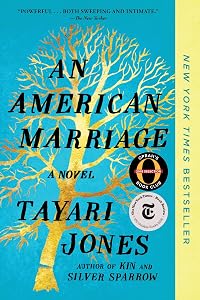
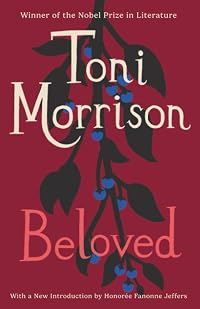
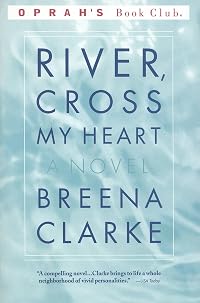
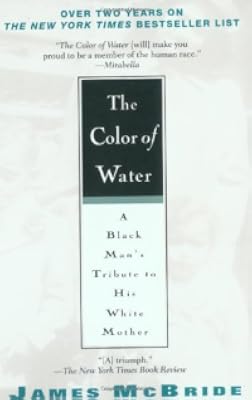
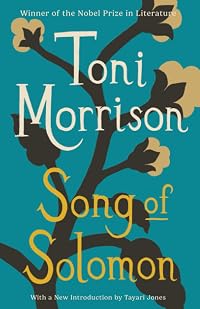
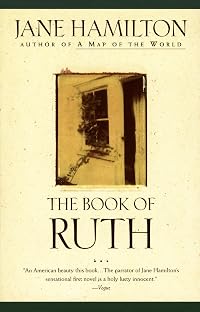
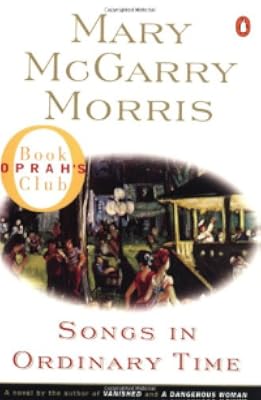



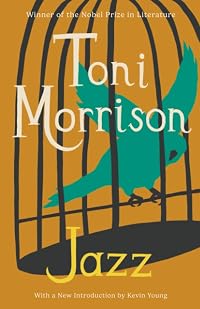
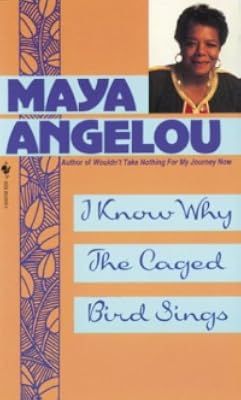
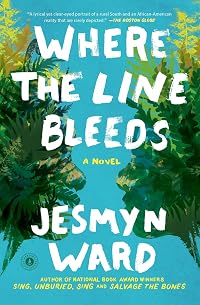
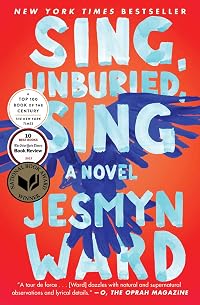

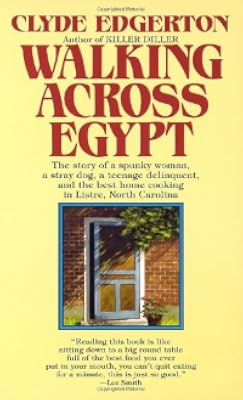
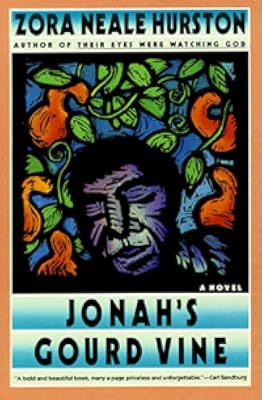
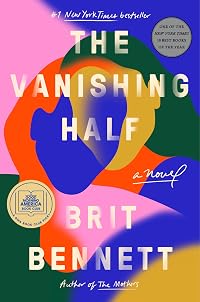
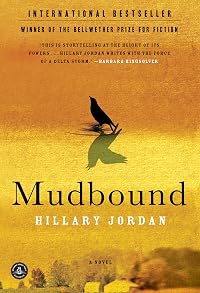
Member Recommendations
greytone The educated male on a prodigal quest...
Member Reviews
This book was on a few of my summer reading lists back in school, but I always passed it over for something more romantic like Jane Eyre or Great Expectations. Who wants to read about an innocent man on death row? Yikesamole, I thought. Also, I had read The Autobiography of Miss Jane Pittmanin 8th grade and talk about dying--of boredom (what can I say? I was 13). But when I saw A Lesson Before Dying on the free books shelf at my local library, I thought maybe I could appreciate it now as a more seasoned reader. And boy did I!
It's a superb book. I would actually give it 4 1/2 stars. I subtracted half a star only because I found the turnaround of Jefferson a little too abrupt to be totally believable (it takes place basically in one show more speech). I know as a millenial white girl I can't really say this with true authority, but the situational drama and emotional life of the characters struck me as real, real, real. All without being too heavy-handed with the hopelessness of the whole affair. An enjoyable, smart read by a great author. I might even give Miss Pittman another go! show less
It's a superb book. I would actually give it 4 1/2 stars. I subtracted half a star only because I found the turnaround of Jefferson a little too abrupt to be totally believable (it takes place basically in one show more speech). I know as a millenial white girl I can't really say this with true authority, but the situational drama and emotional life of the characters struck me as real, real, real. All without being too heavy-handed with the hopelessness of the whole affair. An enjoyable, smart read by a great author. I might even give Miss Pittman another go! show less
When Jefferson, a young African American man, is sentenced to death for murder, the schoolteacher is persuaded against his will to meet regularly with Jefferson so that he can face death with dignity. Their meetings change the teacher as much as they do Jefferson, as Mr. Wiggins must acknowledge and conquer a host of emotions in the face of social injustice in the segregated deep South. It’s a meditative book on a weighty topic, but it’s written with enough restraint to keep the reader from being crushed.
''Twelve white men say a black man must die, and another white man sets the date and time without consulting one black person. Justice?''
Occasionally you read a book and think to yourself, why didn't I read this years ago?
A Lesson Before Dying is one of those books. On the surface it's about a miscarrage of justice, but it's about so much more than that. It's about race relations, redemption and salvation. It's a stunning and powerful book that left me utterly gobsmacked. It's rare to read a book and feel a better human being at the end of it. I salute Ernest J. Gaines for doing that.
Occasionally you read a book and think to yourself, why didn't I read this years ago?
A Lesson Before Dying is one of those books. On the surface it's about a miscarrage of justice, but it's about so much more than that. It's about race relations, redemption and salvation. It's a stunning and powerful book that left me utterly gobsmacked. It's rare to read a book and feel a better human being at the end of it. I salute Ernest J. Gaines for doing that.
Finished reading A LESSON BEFORE DYING a week ago, but it resonates, particularly in this Black Lives Matter era. Gaines's story, set in post-war Louisiana, follows a young black teacher, Grant Wiggins, and a condemned black prisoner, and the tenuous friendship they establish before the man's wrongful execution. The book's final line from Grant says it all. "I was crying." So was I. My very highest recommendation.
- Tim Bazzett, author of the memoir, BOOKLOVER
- Tim Bazzett, author of the memoir, BOOKLOVER
This is a beautiful, quiet book about a teacher who is asked to counsel a young man on death row. Jefferson was a bystander during an armed robbery and, as the only survivor, was eventually (and unjustly) convicted of murder. The teacher, Grant Wiggins, feels ill equipped for his task but bows to pressure from the boy’s godmother and his own aunt. On Grant’s first visits he is largely ignored, but establishes rapport with the white deputy who escorts him to Jefferson’s cell. And then, Grant slowly begins to penetrate Jefferson’s shell. Jefferson has a profound impact on Grant as well, bringing additional meaning to the book’s title. A Lesson Before Dying is a moving account of the power of love and community.
Grant Wiggins was living in a place he didn’t want to be and using his college education for what? On weekends and evenings, he listened to the predictability of church services that took the place of his predictable students by day in the same building. Grant felt the pressure of silent guilt trips and verbal pleas by his Tante Lou and Miss Emma. These formidable elderly women insisted that Grant visit Miss Emma’s godson, Jefferson, in jail while Jefferson awaited death by electrocution. Emma’s plea was that Jefferson not go like a hog to his death, but walk like a man, with self-respect. She believed that Grant could imbue him with that self-respect.
While his aunt might hold stock in Grant’s being a teacher, he summed up his show more 1940s plantation existence with, “Yes, I’m the teacher….And I teach what the white folks around here tell me to teach – reading, writing, and ‘rithmetic. They never told me how to keep a black boy out of a liquor store.” So suffocated by the sanctions set by the ‘white folks’, Reverend Ambrose, and the imposed moral codes by which his aunt expected him to abide, Grant often escaped to the nearby Bayonne and his love, Vivian…so he ‘could breathe’.
Grant concedes to visit Jefferson in jail. He appears to feel most strongly about not wanting to be there. It seems that its his logic rather than any empathy or feeling is the only connection that Grant can create. Underlying in this story, I felt that Grant was more emotionally dead than Jefferson. Both men seemed resigned to their fates. Through the radio and the act of giving the radio; through the expectations of Jefferson having something to write in the journal; and through the expectations Jefferson and Grant disclosed of each other, both men seemed to reach toward each other and learn about themselves as well as what it means to be human.
Ernest Gaines, in this award winning novel (National Book Critics Circle Award for Fiction, 1993), introduces a meld of characters and builds on their relationships as well as individual personalities. Nor does he free the reader from reflection on socially conscious decisions. Grant experiences internal conflicts, verbal sparring with Tante Lou and Reverend Ambrose, and more subtle posing with Vivian, his escape and salvation.
Reverend Ambrose and Grant, at times, appear to be in competition – whose methods will win? What’s the prize? Is it peace of mind for Jefferson or his godmother, Miss Emma? Is it Jefferson’s personal faith salvation? Is it, for either Ambrose or Grant, feeding an ego in being able to claim glory in giving direction to Jefferson in how best to walk to his death? There are so many questions and conflicts in the relationships in this rural area of segregation and white power. Deputy Bonin, who reaches out to Jefferson and Grant, but still has to be careful of lines drawn. The prisoners and their perceptions of Grant as he visits with Jefferson and delivers comfort food, a notebook and a radio.
Ambrose and Grant face off several times. “Kneel while standing” presents a heavy philosophical and race question for both men. Two constant themes are Grant’s beliefs, and what part in his life religion plays or doesn’t play. Ambrose and Grant hold their own judgments of each other. At times they become verbal adversaries:
Ambrose: “You hear me talking. But are you listening? You know nothing…not even yourself.” Ambrose insists that he is the one (not Grant) who is truly educated – in the ways of people. He shuns Grants classroom methods. He rails at Grant. The two men face each other, adversarial and defending their differences in meanings of words – what it means to be a man, to be educated, to be ‘lost’, the purpose of ‘righteous’ lying.
Everyone is in pain, everyone is hurting, sometimes more conscious than at other times; more concerned with one’s own temporary pain than another’s death. This book confronts the reader, not with the morality of the death penalty, but how one dies and how one lives. And yes, there is a black and white way of seeing it. The book offers challenges to thinking of the civil rights movement, in what part of society was it anchored; how do any of us best serve others? How do we best use our social system and its institutions?
I’m not going into all the relationships in the story, nor in depth with the psychology of the story. I understand from other sources that Gaines used the plantation, school house, and environment that he personally knew. Gaines learned about the functions and malfunctions of the type of electric chair he placed in the story, learned the effects of the chair’s mere presence in town…and the after effects of those who witnessed death by electrocution. “A Lesson Before Dying” is a novel with lessons for all us; perhaps “A Lesson for Living”?
sh 6/2010 show less
While his aunt might hold stock in Grant’s being a teacher, he summed up his show more 1940s plantation existence with, “Yes, I’m the teacher….And I teach what the white folks around here tell me to teach – reading, writing, and ‘rithmetic. They never told me how to keep a black boy out of a liquor store.” So suffocated by the sanctions set by the ‘white folks’, Reverend Ambrose, and the imposed moral codes by which his aunt expected him to abide, Grant often escaped to the nearby Bayonne and his love, Vivian…so he ‘could breathe’.
Grant concedes to visit Jefferson in jail. He appears to feel most strongly about not wanting to be there. It seems that its his logic rather than any empathy or feeling is the only connection that Grant can create. Underlying in this story, I felt that Grant was more emotionally dead than Jefferson. Both men seemed resigned to their fates. Through the radio and the act of giving the radio; through the expectations of Jefferson having something to write in the journal; and through the expectations Jefferson and Grant disclosed of each other, both men seemed to reach toward each other and learn about themselves as well as what it means to be human.
Ernest Gaines, in this award winning novel (National Book Critics Circle Award for Fiction, 1993), introduces a meld of characters and builds on their relationships as well as individual personalities. Nor does he free the reader from reflection on socially conscious decisions. Grant experiences internal conflicts, verbal sparring with Tante Lou and Reverend Ambrose, and more subtle posing with Vivian, his escape and salvation.
Reverend Ambrose and Grant, at times, appear to be in competition – whose methods will win? What’s the prize? Is it peace of mind for Jefferson or his godmother, Miss Emma? Is it Jefferson’s personal faith salvation? Is it, for either Ambrose or Grant, feeding an ego in being able to claim glory in giving direction to Jefferson in how best to walk to his death? There are so many questions and conflicts in the relationships in this rural area of segregation and white power. Deputy Bonin, who reaches out to Jefferson and Grant, but still has to be careful of lines drawn. The prisoners and their perceptions of Grant as he visits with Jefferson and delivers comfort food, a notebook and a radio.
Ambrose and Grant face off several times. “Kneel while standing” presents a heavy philosophical and race question for both men. Two constant themes are Grant’s beliefs, and what part in his life religion plays or doesn’t play. Ambrose and Grant hold their own judgments of each other. At times they become verbal adversaries:
Ambrose: “You hear me talking. But are you listening? You know nothing…not even yourself.” Ambrose insists that he is the one (not Grant) who is truly educated – in the ways of people. He shuns Grants classroom methods. He rails at Grant. The two men face each other, adversarial and defending their differences in meanings of words – what it means to be a man, to be educated, to be ‘lost’, the purpose of ‘righteous’ lying.
Everyone is in pain, everyone is hurting, sometimes more conscious than at other times; more concerned with one’s own temporary pain than another’s death. This book confronts the reader, not with the morality of the death penalty, but how one dies and how one lives. And yes, there is a black and white way of seeing it. The book offers challenges to thinking of the civil rights movement, in what part of society was it anchored; how do any of us best serve others? How do we best use our social system and its institutions?
I’m not going into all the relationships in the story, nor in depth with the psychology of the story. I understand from other sources that Gaines used the plantation, school house, and environment that he personally knew. Gaines learned about the functions and malfunctions of the type of electric chair he placed in the story, learned the effects of the chair’s mere presence in town…and the after effects of those who witnessed death by electrocution. “A Lesson Before Dying” is a novel with lessons for all us; perhaps “A Lesson for Living”?
sh 6/2010 show less
Beautifully brutal, brutally beautiful. I read this novel for a TIOLI challenge; it's from the syllabus of a "Multicultural American Lit" class being taught at Eastern Illinois University this semester. Jefferson, a Black man who is in the wrong place at the wrong time, ends up sentenced to death in Jim Crow (1948) Louisiana. Grant Wiggins is sent by his aunt and Jefferson's godmother to try to help Jefferson become a man before he dies (as well as possibly save his soul). Grant's love for his aunt and his respect for Miss Emma (Jefferson's godmother) lead him to visit Jefferson in jail and try to help him gain some dignity. The novel is really about Grant's own anguished exploration of what it means to be a Black man in a time and show more place where the behavioral expectations are completely focused on erasing any shred of self-determination and dignity he might otherwise have, as much as it's about Jefferson's transformation from a silent, self-loathing, self-pitying man to one with self-respect and a paradoxical sense of hope even as he faces his own death. The novel packs an emotional punch and I couldn't put it down. It's worth reading more than once. show less
Members
- Recently Added By
Lists

Oprah's Book Club (original and 2.0)
91 works; 21 members

Southern Fiction
212 works; 52 members

Black Authors
384 works; 32 members

Adult Books for YA Readers
194 works; 6 members

Carole's List
445 works; 13 members
Overdue Podcast
808 works; 9 members

Schwob Nederland
207 works; 2 members

A Novel Cure
742 works; 23 members

Charleston Syllabus (waitingtoderail)
143 works; 2 members

50 Books from the Past 50 Years
50 works; 8 members

AP Lit
363 works; 6 members

Mustich's 1000 Books to Read Before You Die: A Life Changing List
1,001 works; 20 members

Virginia Banned Books 2023
68 works; 3 members

Books That Made Us Cry
278 works; 145 members

Schomburg Centennial Reading List
100 works; 4 members
Author Information

18+ Works 10,017 Members
Ernest James Gaines was born on January 15, 1933, on the River Lake Plantation, Pointe Coupee Parish, Louisiana. His 1993 novel, A Lesson Before Dying, won the National Book Critics Circle Award for fiction. Gaines has been a MacArthur Foundation fellow, awarded the National Humanities Medal, and inducted into the French Ordre des Arts et des show more Lettres (Order of Arts and Letters) as a Chevalier. Although he was educated in California (at San Francisco State College and Stanford University), his fiction is dominated by images and characters drawn from rural Louisiana, where he was born and raised. Unquestionably the most recognizable, and probably the best, of Gaines's novels is The Autobiography of Miss Jane Pittman (1971), a fictional account of the long life of a black woman born a slave on a Louisiana plantation. Through the stories of the many fascinating people who touch Jane's life, Gaines presents not only a moving perspective on the struggles of African Americans but also a social history of the United States since the Civil War. It is a testimony to Gaines's skill as a writer and storyteller that many people believe Jane Pittman was a real person. Indeed, the novel is frequently misshelved in the biography section of bookstores. In 1993 Gaines also won the Dos Passos Prize and in 2000 he won the National Humanities Medal. Of Gaines's other works, Bloodline (1976), a collection of five short stories, stands out for its powerful portrayals of young men in search of self-respect and dignity. In 2013 President Barack Obama presented Mr. Gaines with the National Medal of Arts. Ernest J. Gaines passed away on November 5,2019 at this home in Oscar, LA at the age of 86. (Bowker Author Biography) show less
Some Editions
Awards and Honors
Awards
Distinctions
Notable Lists
Series
Belongs to Publisher Series
Work Relationships
Is contained in
Has the adaptation
Has as a commentary on the text
Has as a student's study guide
Has as a teacher's guide
Common Knowledge
- Canonical title
- A Lesson Before Dying
- Original title
- A Lesson Before Dying
- Original publication date
- 1993
- People/Characters
- Jefferson; Grant Wiggins; Miss Emma; Tante Lou; Reverend Ambrose; Vivian Baptiste (show all 14); Matthew Antoine; Henry Pichot; Dr. Joseph Morgan; Irene Cole; Sam Guidry; Paul; Brother and Bear; Alcee Gropé
- Important places
- Bayonne, Louisiana, USA
- Related movies
- A Lesson Before Dying (1999 | IMDb)
- Dedication
- For Dianne
- First words
- I was not there, yet I was there.
- Last words
- (Click to show. Warning: May contain spoilers.)I was crying.
Classifications
Statistics
- Members
- 6,270
- Popularity
- 1,981
- Reviews
- 109
- Rating
- (3.87)
- Languages
- 7 — Chinese, Dutch, English, French, German, Italian, Thai
- Media
- Paper, Audiobook, Ebook
- ISBNs
- 45
- UPCs
- 3
- ASINs
- 25