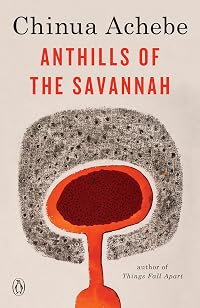
Anthills of the Savannah
by Chinua Achebe
On This Page
Description
A searing satire of political corruption and social injustice from the celebrated author of Things Fall Apart In the fictional West African nation of Kangan, newly independent of British rule, the hopes and dreams of democracy have been quashed by a fierce military dictatorship. Chris Oriko is a member of the president's cabinet for life, and one of the leader's oldest friends. When the president is charged with censoring the opportunistic editor of the state-run newspaper--another childhood show more friend--Chris's loyalty and ideology are put to the test. The fate of Kangan hangs in the balance as tensions rise and a devious plot is set in motion to silence a firebrand critic. From Chinua Achebe, the legendary author of Things Fall Apart, Anthills of the Savannah is "A vision of social change that strikes us with the force of prophecy" (USA Today). show lessTags
Recommendations

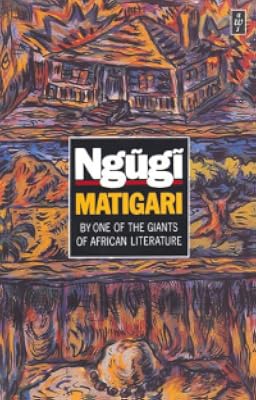
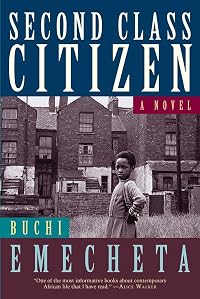
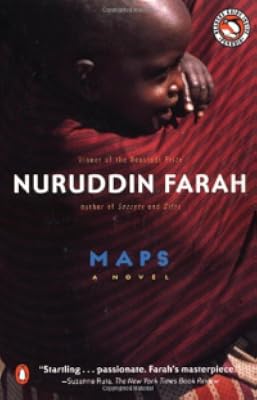
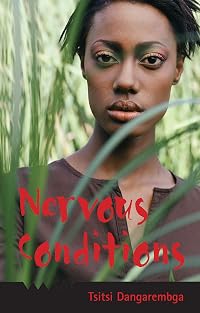


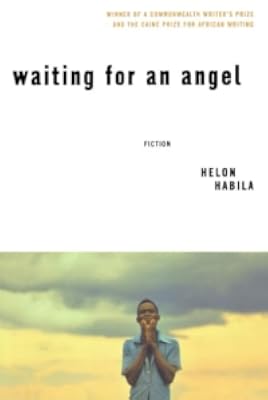
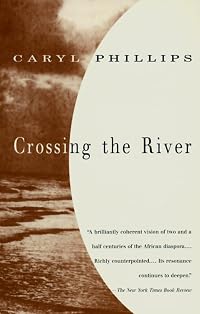
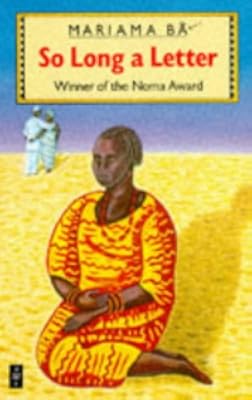
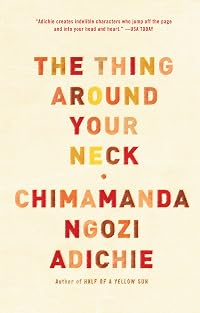


Member Recommendations

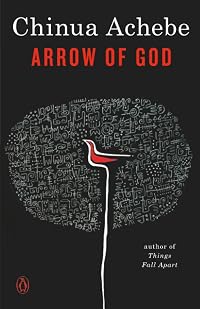
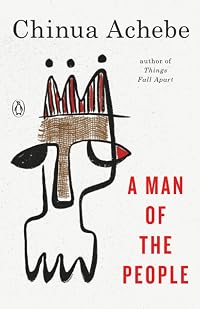
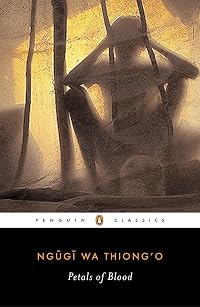
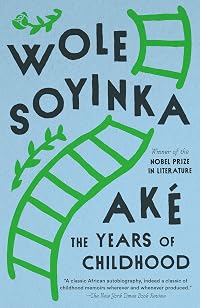
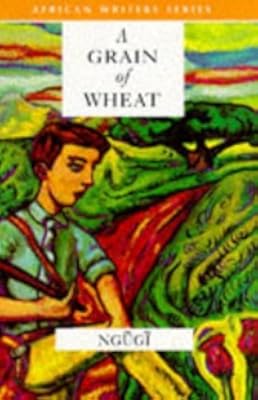
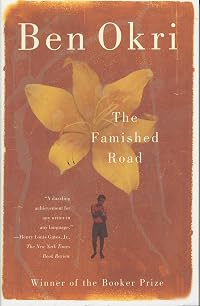
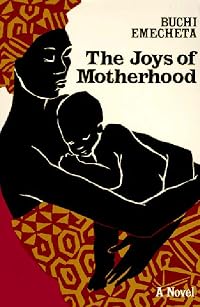
soylentgreen23 Both books explore difficult political situations and concern characters involved in the politics, and not just innocent bystanders. Too much power, the issue of corruption, and the conflict of right and wrong are all considered.
Member Reviews
Another impressive work by a master, dealing here with corruption at the highest levels of government in a fictitious post-colonial African state. There are really only four characters: Sam, Chris, Ikem, and Beatrice. The first three are English-educated friends who, after a military coup, find themselves as the nation’s president, Commissioner of Information, and editor of the nation’s principal newspaper—and friends no longer. Beatrice is a secretary in another ministry and Chris’s lover. Sam has surrounded himself with a ludicrous cabinet, a fact immensely troubling to the other three characters. Sam is terrified by his precariousness and vents his anger on the failure of Ikem’s home province, Abazon, to approve a show more referendum to make him president-for-life. Ikem is a crusading poet and journalist whose devotion to the truth and the people transcends political ideology. He becomes a popular hero of sorts after Sam dismisses him. Ikem’s spot-on critiques lead to the expected retaliation and Chris knows that he is next. As he goes into hiding, hoping to escape to Abazon, the country collapses into student revolt, midnight raids by Sam’s secret police, and a coup d’etat. Though Achebe develops Chris and Ikem and Beatrice as full and complete characters, Sam is far sketchier—a pity. Still, the writing is of uniformly high quality, incorporating clever political analysis as well as solid reliance on a Nigerian folktale and a nuanced consideration of the place of women—even Beatrice’s middle name becomes a matter of significance. I should also note that the characters occasionally speak the local pidgin among themselves; unless you are familiar with the local Nigerian version, my guess is that entire conversations will be incomprehensible to you on occasion, as they were to me. However, I saw one reviewer make the excellent point that its very incomprehensibility illustrates the alienation of the British-educated civil servants from their traditional culture while simultaneously honoring “the beauty and dignity of the folklore by which moral and behavioral standards were once transmitted.” show less
The entire time I was reading Anthills of the Savannah I was suspicious of every single character. I knew going into it there was going to be a betrayal of some kind and that put me on edge. I was always questioning who would be the one to fall from grace. A friendship can be detroyed by a single misconception or a rumor born out of paranoia. All it takes is for one slight and lovers become enemies in an instant.
Reading Anthills of the Savannah was like being a vulture, soaring over the fictional African state of Kangan, hungry for the kill. From drought to political tribal disputes with city villages, the themes of love, friendship, and loyalty weave a complicated story. What with the Commissioner for Information, Commissioner for show more Education, Commissioner for Justice, Commissioner for Words, Commissioner for Works, Inspector General of Police, Chief Secretary, Master of Ceremonies, Superintendent of Traffic, and His Excellency all being introduced at once I felt like governance was a farse. show less
Reading Anthills of the Savannah was like being a vulture, soaring over the fictional African state of Kangan, hungry for the kill. From drought to political tribal disputes with city villages, the themes of love, friendship, and loyalty weave a complicated story. What with the Commissioner for Information, Commissioner for show more Education, Commissioner for Justice, Commissioner for Words, Commissioner for Works, Inspector General of Police, Chief Secretary, Master of Ceremonies, Superintendent of Traffic, and His Excellency all being introduced at once I felt like governance was a farse. show less
indulge me, please. this is a masterpiece, really. that's what I say. this book deserves all the praise that it gets. just read it.
Among his later works is ANTHILLS OF THE SAVANNAH (1987), a polyvocal text with multiple narrators. The story is set in an imaginary West African state where Sam, a Sandhurst-trained military officer, has become President. Chris Oriko and Ikem Osodi, his friends, die when resisting brutal abuse of power. A military coup eliminates Sam. Beatrice Okah - Chris's London-educated girl friend - is entrusted with her community of women to return the political sanity.
oh, and of course I *LOVED* the Igbo-English creole scattered throughout. I loved getting to figure out the patterns and realizing what they were show more saying.
notes/observations:
page 51---
"[...] the most awful thing about power is not that it corrupts absolutely but that it makes people so utterly boring, so predictable, and... just plain uninteresting."
page 88---
"It simply dawned on me two mornings ago that a novelist must listen to his characters who after all are created to wear the shoe and point the writer where it pinches."
"One of the things you told me was that my attitude to women was too respectful."
page 89---
"The original oppression of Woman was based on crude denigration. She caused Man to fall. So she became a scape goat. No, not a scapegoat which might be blameless but a culprit richly deserving of whatever suffering Man chose thereafter to heap on her. That is Woman in the Book of Genesis. Out here, our ancestors, without the benefit of hearing about the Old Testament, made the very same story differing only in local color. [....] Whatever the detail of Woman's provocation, the Sky finally moved away in anger, and God with it.
Well, that kind of candid chauvinism might be OK for the rugged taste of the Old Testament. The New Testament required a more enlightened, more refined, more loving even, strategy---ostensibly, that is. So the idea came to Man to turn his spouse into the very Mother o God, to picker her up from right under his foot where she'd been since Creation and carry her reverently to a nice, corner pedestal. Up there, her feet completely off the ground she will be just as irrelevant to the practical decisions of running the world as she was in her bad old days. The only difference is that now Man will suffer no guilt feelings; he can sit back and congratulate himself on his generosity and gentlemanliness...."
this is so very Charlotte Perkins Gilman.
page 114---
"Because it is only the story can continue beyond the war and the warrior. It is the story that outlives the sound of war-drums and the exploits of brave fighters. It is the story, not the others, that saves our progeny from blundering like blind beggars into the spikes of the cactus fence. The story is our escort; without it, we are blind. Does the blind man own his escort? No, neither do we the story; rather it is the story that owns us and directs us..."
this is very Homer. this is the ancient Greek concept of Kleos, the glory and honour that a warrior fight so valiantly for---not to gain rewards in this world so much, but that their story, and therefore their memory, will live on after their death. the story is everything. the story guides the people.
page 126---
"Shut your mouth. Who tell you say we de make small quarrel?"
"Madam, I no need for somebody to tell me when man and woman make small quarrel. When yo see the woman eye begin de flash like ambulance you go know..."
page 187---
"...but more so by far than Yours Sincerely who, don't forget, is one of the troika of proprietors who own Kanga itself!"
ah! glorious! a reference to Gogol's Dead Souls! wherein Gogol made a direct and famous comparison of the Russian state to a troika, travelling with such speed and purpose that other countries simply had to get out of its way... nevermind that inside that troika sat ensconced a thief and idiot. here, Achebe goes even further. Oriko, being at one time under the impression that the Kangan state was directly under his influence, realizes that he is not even a thief in the troika! no, he is but one of the three horses pulling it. ;)
he even put in a naming ceremony on page 206.
and again, one of the most perfect endings of a book I've read. 5! show less
Among his later works is ANTHILLS OF THE SAVANNAH (1987), a polyvocal text with multiple narrators. The story is set in an imaginary West African state where Sam, a Sandhurst-trained military officer, has become President. Chris Oriko and Ikem Osodi, his friends, die when resisting brutal abuse of power. A military coup eliminates Sam. Beatrice Okah - Chris's London-educated girl friend - is entrusted with her community of women to return the political sanity.
oh, and of course I *LOVED* the Igbo-English creole scattered throughout. I loved getting to figure out the patterns and realizing what they were show more saying.
notes/observations:
page 51---
"[...] the most awful thing about power is not that it corrupts absolutely but that it makes people so utterly boring, so predictable, and... just plain uninteresting."
page 88---
"It simply dawned on me two mornings ago that a novelist must listen to his characters who after all are created to wear the shoe and point the writer where it pinches."
"One of the things you told me was that my attitude to women was too respectful."
page 89---
"The original oppression of Woman was based on crude denigration. She caused Man to fall. So she became a scape goat. No, not a scapegoat which might be blameless but a culprit richly deserving of whatever suffering Man chose thereafter to heap on her. That is Woman in the Book of Genesis. Out here, our ancestors, without the benefit of hearing about the Old Testament, made the very same story differing only in local color. [....] Whatever the detail of Woman's provocation, the Sky finally moved away in anger, and God with it.
Well, that kind of candid chauvinism might be OK for the rugged taste of the Old Testament. The New Testament required a more enlightened, more refined, more loving even, strategy---ostensibly, that is. So the idea came to Man to turn his spouse into the very Mother o God, to picker her up from right under his foot where she'd been since Creation and carry her reverently to a nice, corner pedestal. Up there, her feet completely off the ground she will be just as irrelevant to the practical decisions of running the world as she was in her bad old days. The only difference is that now Man will suffer no guilt feelings; he can sit back and congratulate himself on his generosity and gentlemanliness...."
this is so very Charlotte Perkins Gilman.
page 114---
"Because it is only the story can continue beyond the war and the warrior. It is the story that outlives the sound of war-drums and the exploits of brave fighters. It is the story, not the others, that saves our progeny from blundering like blind beggars into the spikes of the cactus fence. The story is our escort; without it, we are blind. Does the blind man own his escort? No, neither do we the story; rather it is the story that owns us and directs us..."
this is very Homer. this is the ancient Greek concept of Kleos, the glory and honour that a warrior fight so valiantly for---not to gain rewards in this world so much, but that their story, and therefore their memory, will live on after their death. the story is everything. the story guides the people.
page 126---
"Shut your mouth. Who tell you say we de make small quarrel?"
"Madam, I no need for somebody to tell me when man and woman make small quarrel. When yo see the woman eye begin de flash like ambulance you go know..."
page 187---
"...but more so by far than Yours Sincerely who, don't forget, is one of the troika of proprietors who own Kanga itself!"
ah! glorious! a reference to Gogol's Dead Souls! wherein Gogol made a direct and famous comparison of the Russian state to a troika, travelling with such speed and purpose that other countries simply had to get out of its way... nevermind that inside that troika sat ensconced a thief and idiot. here, Achebe goes even further. Oriko, being at one time under the impression that the Kangan state was directly under his influence, realizes that he is not even a thief in the troika! no, he is but one of the three horses pulling it. ;)
he even put in a naming ceremony on page 206.
and again, one of the most perfect endings of a book I've read. 5! show less
A great book looking at the "postcolonial" condition. Achebe uses a fictional country, but, really, it could be any nation who finds itself free for the first time in a century or two and is trying to figure out how to rule itself. Human nature is bound to get in the way: greed, the thirst for power, and the obligation to rebel against tyranny. At times it seems that the Western reader is pushed out through the use of pidgin, but I do think that this book, more than the story of Africa, is a story of human nature. I say this knowing that Achebe would likely shake his head and tell me I have it all wrong.
Achebe has crafted a story of post-colonial African politics, as seen through the lives of three men, friends from childhood. Ikem becomes the editor of the country’s most important newspaper; Chris becomes the government’s “Commissar of Information,” and Sam ascends to the presidency through a military coup—the familiar sort, where the military government intends to establish stability and restore/establish democracy. This is my first reading of African literature, and I was rewarded with a thrilling story, a cultural education, spots of fine humor, and a morality tale that seeks more to describe a situation than resolve it. Ikem, the most idealistic of the three, is endangered because of his open opposition to the military show more government. Chris, who hopes to bring about change by working within the government, is the fulcrum of the see-saw, attempting to tone down Ikem and to influence Sam, now “His Excellency,” to travel the road of necessary reform. Sam, however, has become comfortable in his position of power. It is a scenario we have observed over and over, as one despot replaces another in the long road to democratic rule. Chinua Achebe is rightfully regarded as a novelist of the first order, beautifully blending a masterful writing style with the sights and sounds of modern Africa. show less
This my fifth Achebe, and may well be my favourite (though it’s a long time since I read some of the others). It follows a few weeks in the lives of former school friends (Sam, Ikem and Chris) in the fictional country of Kangan, who have seen their country gain independence from the British and who have gone on to important positions in the new administration (leader, newspaper editor and Minister of Information respectively). However, Sam’s exposure to power precipitates a transformation into a brutal dictator, as the power games played by his underlings leave him increasingly isolated and paranoid as supreme ruler. Chris and Ikem are best placed to observe their former friend’s transformation, and also worst placed to suffer its show more consequences.
I read this almost cover-to-cover in one sitting. Making the three main protagonists former school friends means that we are constantly exposed to their more human sides. Referring to the dictator as Sam, rather than ‘His Excellency’ is a constant reminder that he is a man, not a monster, and that there are forces surrounding him which explain his transformation. Achebe explores these forces, which include colonial influence, ethnic tension within his own country and the increased isolation that power thrusts upon him. The book does get overly didactic on occasions, reproducing and essay and seminar by Ikem explaining his position, but these are relatively short, and don’t get in the way of the narrative too much. Overall though, this was right up there with ‘Things Fall Apart’ as one of Achebe’s finest works. show less
I read this almost cover-to-cover in one sitting. Making the three main protagonists former school friends means that we are constantly exposed to their more human sides. Referring to the dictator as Sam, rather than ‘His Excellency’ is a constant reminder that he is a man, not a monster, and that there are forces surrounding him which explain his transformation. Achebe explores these forces, which include colonial influence, ethnic tension within his own country and the increased isolation that power thrusts upon him. The book does get overly didactic on occasions, reproducing and essay and seminar by Ikem explaining his position, but these are relatively short, and don’t get in the way of the narrative too much. Overall though, this was right up there with ‘Things Fall Apart’ as one of Achebe’s finest works. show less
This book was waiting patiently for years on my shelf to be picked up. Now I am happy that I read it only after the The African Trilogy. It gained, so I feel, from the introduction to Achebe’s spirit the Trilogy gave me. It is a brilliant book! (X-18)
A later thought: The main characters remain somewhat distant; I did not really got involved in their fate. This must not necessarily be taken as a criticism: I do not know whether any other way would have worked.
A later thought: The main characters remain somewhat distant; I did not really got involved in their fate. This must not necessarily be taken as a criticism: I do not know whether any other way would have worked.
Members
- Recently Added By
Lists

The Guardian's 1000 Novels Everyone Must Read
1,005 works; 550 members

1001 Books You Must Read Before You Die
1,448 works; 1,134 members

Best of World Literature
435 works; 52 members
20th Century Literature
1,161 works; 55 members
Best African Books
126 works; 46 members

Booker Prize
491 works; 62 members

Novels Published in 1987
81 works; 19 members

Short and Sweet
246 works; 24 members

Black Authors
384 works; 32 members

Man Booker Prize Longlist 1987
6 works; 2 members

Booker Prize Shortlist: Titles Not Yet Read
161 works; 4 members

Books Read in 2017
4,249 works; 130 members

Schwob Nederland
207 works; 2 members
Author Information

60+ Works 32,836 Members
Albert Chinualumogu Achebe was born on November 16, 1930 in Ogidi, Nigeria. He studied English, history and theology at University College in Ibadan from 1948 to 1953. After receiving a second-class degree, he taught for a while before joining the Nigeria Broadcasting Service in 1954. He was working as a broadcaster when he wrote his first two show more novels, and then quit working to devote himself to writing full time. Unfortunately his literary career was cut short by the Nigerian Civil War. During this time he supported the ill-fated Biafrian cause and served abroad as a diplomat. He and his family narrowly escaped assassination. After the civil war, he abandoned fiction for a period in favor of essays, short stories, and poetry. His works include Things Fall Apart, Arrow of God, No Longer at Ease, A Man of the People, Anthills of the Savannah, and There Was a Country. He also wrote four children's books including Chike and the River and How the Leopard Got His Claws. In 2007, he won the Man Booker International Prize for his "overall contribution to fiction on the world stage." He also worked as a professor of literature in Nigeria and the United States. He died following a brief illness on March 21, 2013 at the age of 82. (Bowker Author Biography) show less
Some Editions
Awards and Honors
Awards
Notable Lists
Series
Belongs to Publisher Series
Work Relationships
Is contained in
Has as a student's study guide
Common Knowledge
- Canonical title
- Anthills of the Savannah
- Original title
- Anthills of the Savannah
- Alternate titles*
- Termietenheuvels in de savanne
- Original publication date
- 1987
- People/Characters
- Christopher Oriko; Beatrice Okoh; Ikem Osodi
- Important places
- Kangan, Africa; Nigeria
- First words
- You're wasting everybody's time, Mr. Commissioner for Information..."
- Last words*
- (Click to show. Warning: May contain spoilers.)'Zelfs ik niet zo erg huilen! Wat voor narigheid jij nu maken? Ik sméék je, hoor. Hmm!'
- Original language*
- Engels
*Some information comes from Common Knowledge in other languages. Click "Edit" for more information.
Classifications
Statistics
- Members
- 1,237
- Popularity
- 19,929
- Reviews
- 14
- Rating
- (3.68)
- Languages
- 10 — Danish, Dutch, English, French, German, Italian, Japanese, Norwegian (Bokmål), Spanish, Swedish
- Media
- Paper, Audiobook, Ebook
- ISBNs
- 37
- ASINs
- 13