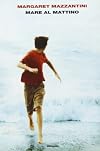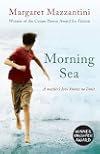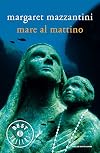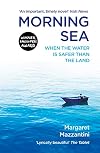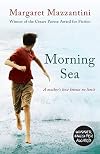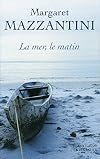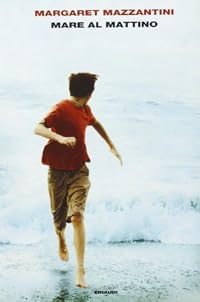
Morning Sea
by Margaret Mazzantini
On This Page
Description
When the Water is Safer than the Land As Gaddafi clings to power in Libya, Farid and his mother Jamila chance their luck on the hazardous crossing to Sicily. But as they hunker down in a trafficker's battered old boat, the vastness of the Mediterranean begins to dawn. Meanwhile, in Sicily, Vito wanders the desolate beaches recalling his mother's stories of her idyllic childhood in Libya. She has never forgotten - nor forgiven - the forces that tore her from her childhood love, a young Arab show more boy whose fate was very different from her own. Moving back and forth between the continents, this deeply moving portrait focuses on two families and one stretch of water, and in terse, lyrical language, captures perfectly the dark, uncertain quality of our times. show lessTags
Recommendations







































Member Reviews
Morning Sea by Margaret Mazzantini, translated by Ann Gagliardi This was one of those books that I should have read the back cover on before picking it up. Don't get me wrong, I hope I still would have read it, particularly for WIT Month, but I would have had a better idea what I was getting myself into. Here's the back cover information from Goodreads:
When Farid’s beautiful young mother Jamila tries to escape Libya by boat, it is the first time that Farid will see the sea. This is the same sea into which Vito stares from a beach on the opposite side — Farid and Jamila’s destination. But unfortunately, the Mediterranean does not fulfill its promise of a new life for the two young refugees. Instead, it becomes their prison.A show more tale of moving intensity, Morning Sea is about human migration. It is about the fate of those exiled from their houses, relatives, and roots; about the violence of nature and war; and about the strength of women compelled by injustice to defend their children’s futures. With terse and astute language, Mazzantini captures perfectly the dark, uncertain quality of our times. She asks: when must we commit ourselves to the right of all humans to live with dignity and respect?
It's a sad and realistic human strife story that still manages to have a beautiful end. It wasn't the end I wanted for the characters, just like it's not what I would wish on real people going through these events, but surprisingly beautiful once I had a chance to sit with it. Sitting with the end was crucial to enjoying it though because it hit me a little hard that things didn't go a certain way, but I don't want to spoil it.
The writing style is a big part of what I enjoyed about it. It feels like a daydream, and to a certain extent, it is. It took a few pages for me to get used to the way it drifted between memories and backstory and present circumstances, but it flowed eloquently and gave a full picture of the lives of the characters. It had a wistful quality that didn't impede upon the strife the characters are going through or had gone through.
I enjoyed reading it, and feel like these are the kinds of stories that American literature is severely lacking. We have a tendency to romanticize human strife and stories about migrating so that they are always about getting rich and rarely about basic survival. We tend to lose focus on the fact that there are people out there dying for food and the privilege of not to becoming terrorists. The things that happen to these people are the topics that we don't like to talk about and we try to pretend aren't real, that they somehow brought their plight upon themselves.
This is only one view, but a vital one that we miss in the US. This is one example among many that are the type of stories that we need to be reading more of. I would definitely recommend this to anyone who wants to understand the world a little better.
And again, the end caught me by surprise, not because it left reality and did the thing that I wanted it to, but because it stayed in reality and was still beautiful. Sad, but beautiful in an ethereal or tenuous sort of way that will haunt me anyway because I had to remember that this was the way of things and at least something beautiful could be made of it in this story, even though it doesn't come near the way I wish it could.
It's a tragic reminder that there are people out there who we could we help but don't. If you're looking for a way to help, there are some groups and organizations mentioned in my reading that I have links to on the Beyond the Books page. show less
When Farid’s beautiful young mother Jamila tries to escape Libya by boat, it is the first time that Farid will see the sea. This is the same sea into which Vito stares from a beach on the opposite side — Farid and Jamila’s destination. But unfortunately, the Mediterranean does not fulfill its promise of a new life for the two young refugees. Instead, it becomes their prison.A show more tale of moving intensity, Morning Sea is about human migration. It is about the fate of those exiled from their houses, relatives, and roots; about the violence of nature and war; and about the strength of women compelled by injustice to defend their children’s futures. With terse and astute language, Mazzantini captures perfectly the dark, uncertain quality of our times. She asks: when must we commit ourselves to the right of all humans to live with dignity and respect?
It's a sad and realistic human strife story that still manages to have a beautiful end. It wasn't the end I wanted for the characters, just like it's not what I would wish on real people going through these events, but surprisingly beautiful once I had a chance to sit with it. Sitting with the end was crucial to enjoying it though because it hit me a little hard that things didn't go a certain way, but I don't want to spoil it.
The writing style is a big part of what I enjoyed about it. It feels like a daydream, and to a certain extent, it is. It took a few pages for me to get used to the way it drifted between memories and backstory and present circumstances, but it flowed eloquently and gave a full picture of the lives of the characters. It had a wistful quality that didn't impede upon the strife the characters are going through or had gone through.
I enjoyed reading it, and feel like these are the kinds of stories that American literature is severely lacking. We have a tendency to romanticize human strife and stories about migrating so that they are always about getting rich and rarely about basic survival. We tend to lose focus on the fact that there are people out there dying for food and the privilege of not to becoming terrorists. The things that happen to these people are the topics that we don't like to talk about and we try to pretend aren't real, that they somehow brought their plight upon themselves.
This is only one view, but a vital one that we miss in the US. This is one example among many that are the type of stories that we need to be reading more of. I would definitely recommend this to anyone who wants to understand the world a little better.
And again, the end caught me by surprise, not because it left reality and did the thing that I wanted it to, but because it stayed in reality and was still beautiful. Sad, but beautiful in an ethereal or tenuous sort of way that will haunt me anyway because I had to remember that this was the way of things and at least something beautiful could be made of it in this story, even though it doesn't come near the way I wish it could.
It's a tragic reminder that there are people out there who we could we help but don't. If you're looking for a way to help, there are some groups and organizations mentioned in my reading that I have links to on the Beyond the Books page. show less
This short novel looks at Libya in 2010, through the eyes of two unrelated, and unknown to each other, families. Both are from Tripoli. One, descendants of Italian colonizers, was expelled and repatriated to Italy in the 1970s when Gaddafi first took power. The other, descendants of Bedouins, is fleeing Gaddafi's regime. One gets to visit Tripoli for the first time in decades, the other is on the water for the first time ever.
Mazzantini's writing is magnificent. This book is just 143 pages, yet it hold so much. She touches on colonialism, nationalism, ethnic/religious divisions, and how all of these affect reguklar people going about their business as candlemakers (the expelled family), TV installers (the fleeing family), beekeepers, show more friends, students, teachers, and more. Very well done, I need to read her longer, award-winning books [book:Don't Move|472800] and [book:Twice Born|10725494]. show less
Mazzantini's writing is magnificent. This book is just 143 pages, yet it hold so much. She touches on colonialism, nationalism, ethnic/religious divisions, and how all of these affect reguklar people going about their business as candlemakers (the expelled family), TV installers (the fleeing family), beekeepers, show more friends, students, teachers, and more. Very well done, I need to read her longer, award-winning books [book:Don't Move|472800] and [book:Twice Born|10725494]. show less
I picked this up at random in the library. not sure why, the version I read had a simply awful cover (not the one shown here). Im glad for whatever impulse made me pick it up.
The writing is gorgeous, restrained, elegant and flowing and effortlessly plucked at my emotions and build up fantastic images. An equally harrowing and uplifting story.
The writing is gorgeous, restrained, elegant and flowing and effortlessly plucked at my emotions and build up fantastic images. An equally harrowing and uplifting story.
Libie, 2011. De jonge weduwe Jamila vlucht met haar zoontje voor de troepen van Khadaffi. In Sicilië woont Vito, wiens moeder begin jaren zeventig moest vluchten voor het Khadaffi-bewind.
Jamila tiene apenas veinte años y ya es viuda y madre. Su hijo, Farid, ha crecido rodeado del polvo rojo del desierto y nunca ha visto el mar. La guerra arrasa su país, Libia, y Jamila sueña con buscar refugio en Italia. Así, emprende con Farid un viaje en barcaza, prometiéndole que durará menos que una canción de cuna.
Desde la otra orilla, Angelina ve los navíos procedentes de Trípoli llegar al puerto. Hace cuarenta años emprendió el mismo viaje y ahora rememora la imagen del terrible Gadafi, los amigos árabes que la recibieron y a Alí, su promesa de amor.
Desde la otra orilla, Angelina ve los navíos procedentes de Trípoli llegar al puerto. Hace cuarenta años emprendió el mismo viaje y ahora rememora la imagen del terrible Gadafi, los amigos árabes que la recibieron y a Alí, su promesa de amor.
Nov 22, 2022Spanish
Das ist ein recht schmales Büchlein, auf wenigen Seiten verwebt es zwei dramatische Geschichten.
Begonnen und beendet wird das Buch mit Farid und seiner Mutter Jamila, die sich im Jahre 2011 auf der Flucht vor Gaddafis Truppen auf den Weg nach Italien machen. Sie landen auf einem Schlepperboot. Diese Szenen sind herzzerreißend und jeder von uns weiß ja, dass diese Szenen immer noch genau so passieren. Kein Wunder, dass an diesem Strand niemand mehr Fisch ist,
Die andere Geschichte behandelt ebenfalls eine Libyen-Italien-Verbindung. Diesmal geht es um Angelina, die in Libyen aufgewachsen ist und ihren Sohn Vito. Mir war gar nicht bewusst, dass es in Libyen eine italienische Kolonie gab. 1962 lebten in Libyen immer noch etwa 35.000 show more Italiener, die nach Gaddafis Machtübernahme 1969 enteignet und ausgewiesen wurden. Zu diesen gehörte die Eltern von Angelina mit ihrer Tochter, die Zeit ihres Lebens Tripolis nachtrauerten.
Dieser Handlungsstrang wird sehr ausführlich und interessant geschildert. Insgesamt zeigt das Buch den Heimatverlust auf beiden Seiten und stellt damit dar, dass eine Welt mit offenen Grenzen und ohne nationalstaatlichen Größenwahn menschlicher wäre. show less
Begonnen und beendet wird das Buch mit Farid und seiner Mutter Jamila, die sich im Jahre 2011 auf der Flucht vor Gaddafis Truppen auf den Weg nach Italien machen. Sie landen auf einem Schlepperboot. Diese Szenen sind herzzerreißend und jeder von uns weiß ja, dass diese Szenen immer noch genau so passieren. Kein Wunder, dass an diesem Strand niemand mehr Fisch ist,
Die andere Geschichte behandelt ebenfalls eine Libyen-Italien-Verbindung. Diesmal geht es um Angelina, die in Libyen aufgewachsen ist und ihren Sohn Vito. Mir war gar nicht bewusst, dass es in Libyen eine italienische Kolonie gab. 1962 lebten in Libyen immer noch etwa 35.000 show more Italiener, die nach Gaddafis Machtübernahme 1969 enteignet und ausgewiesen wurden. Zu diesen gehörte die Eltern von Angelina mit ihrer Tochter, die Zeit ihres Lebens Tripolis nachtrauerten.
Dieser Handlungsstrang wird sehr ausführlich und interessant geschildert. Insgesamt zeigt das Buch den Heimatverlust auf beiden Seiten und stellt damit dar, dass eine Welt mit offenen Grenzen und ohne nationalstaatlichen Größenwahn menschlicher wäre. show less
Mar 15, 2019German
amazon.de
„Wer entschädigt uns für das, was uns genommen wurde? Wir hatten Olivenhaine und Freunde. Wir hatten eine Geschichte.“
Flüchtlinge im eigenen Land, das waren die Italiener, die nach der Machtergreifung Gaddafis Tripolis verlassen und nach Italien zurückkehren mussten. Sie waren aus Italien nach Libyen gegangen, hatten dort hart gearbeitet, ihre Kinder dort geboren und aufgezogen, ihre Existenz aufgebaut und friedlich mit den Muslimen zusammengelebt. Nun wurden sie brutal vertrieben und von ihrer Heimat Italien schlecht aufgenommen, wie alle anderen Flüchtlinge auch. Eine Entschädigung oder auch nur Entschuldigung haben sie nie erhalten.
Der 18jährige Vito ist der Sohn einer dieser Flüchtlingsfamilien. Am italienischen show more Strand findet er im Sommer 2011 Überreste von gesunkenen Flüchtlingsbooten. Das Meer verbindet ihn mit der alten Heimat seiner Mutter, aus der schon wieder Menschen vor Gaddafis Truppen fliehen müssen.
Auf einem schlecht ausgestatteten Boot, ohne genügend Wasser und Benzin, ohne Manövriermöglichkeit, sind Jamila und ihr kleiner Sohn Farid auf dem Weg nach Italien. Nachdem ihr Mann von Gaddafis Truppen ermordet wurde, hat Jamila mit Farid die Wüste durchquert und ihre gesamten Ersparnisse einem Schlepper anvertraut. Jamila hofft auf ein besseres Leben für ihren Sohn, aber sie werden nie ankommen. Nur Farids Talisman erreicht das rettende Land. show less
„Wer entschädigt uns für das, was uns genommen wurde? Wir hatten Olivenhaine und Freunde. Wir hatten eine Geschichte.“
Flüchtlinge im eigenen Land, das waren die Italiener, die nach der Machtergreifung Gaddafis Tripolis verlassen und nach Italien zurückkehren mussten. Sie waren aus Italien nach Libyen gegangen, hatten dort hart gearbeitet, ihre Kinder dort geboren und aufgezogen, ihre Existenz aufgebaut und friedlich mit den Muslimen zusammengelebt. Nun wurden sie brutal vertrieben und von ihrer Heimat Italien schlecht aufgenommen, wie alle anderen Flüchtlinge auch. Eine Entschädigung oder auch nur Entschuldigung haben sie nie erhalten.
Der 18jährige Vito ist der Sohn einer dieser Flüchtlingsfamilien. Am italienischen show more Strand findet er im Sommer 2011 Überreste von gesunkenen Flüchtlingsbooten. Das Meer verbindet ihn mit der alten Heimat seiner Mutter, aus der schon wieder Menschen vor Gaddafis Truppen fliehen müssen.
Auf einem schlecht ausgestatteten Boot, ohne genügend Wasser und Benzin, ohne Manövriermöglichkeit, sind Jamila und ihr kleiner Sohn Farid auf dem Weg nach Italien. Nachdem ihr Mann von Gaddafis Truppen ermordet wurde, hat Jamila mit Farid die Wüste durchquert und ihre gesamten Ersparnisse einem Schlepper anvertraut. Jamila hofft auf ein besseres Leben für ihren Sohn, aber sie werden nie ankommen. Nur Farids Talisman erreicht das rettende Land. show less
Jan 13, 2013German
Members
- Recently Added By
Lists

Italian Literature
556 works; 41 members

Summer Books
82 works; 9 members
Author Information

13+ Works 2,049 Members
Margaret Mazzantini was born in Dublin and now lives in Rome. She trained as an actress but left the stage to concentrate on writing. Her first novel, Don¿t Move, won the prestigious Strega Prize, and sold over 2m copies. Twice Born, already a blockbuster in Italy, is optioned for a film starring Penelope Cruz and marks Mazzantini¿s arrival as a show more novelist of serious stature and international significance. show less
Some Editions
Awards and Honors
Series
Belongs to Publisher Series
Arcipelago [Einaudi] (186)
dumont taschenbücher (6260)
Common Knowledge
- Canonical title
- Morning Sea
- Original publication date
- 2011
- First words
- Farid non ha mai visto il mare, non c'è mai entrato dentro.
- Last words
- (Click to show. Warning: May contain spoilers.)La memoria è calce sui marciapiedi del sangue. Siamo liberi. Evviva evviva.
Classifications
- Genres
- Fiction and Literature, General Fiction
- DDC/MDS
- 853.914 — Literature & rhetoric Italian, Romanian & related literatures Italian fiction 1900- 20th Century 1945-1999
- LCC
- PQ4873 .A9532 .M37 — Language and Literature French, Italian, Spanish and Portuguese literatures Italian literature Individual authors, 1961-2000
- BISAC
Statistics
- Members
- 131
- Popularity
- 248,615
- Reviews
- 10
- Rating
- (3.42)
- Languages
- 7 — Dutch, English, French, German, Italian, Spanish, Swedish
- Media
- Paper, Ebook
- ISBNs
- 19
- ASINs
- 2