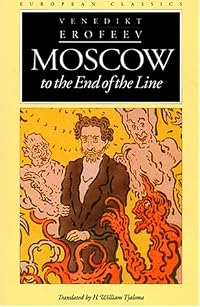
Moscow to the End of the Line
by Venedikt Erofeev
On This Page
Description
Venichka Erofeev (Venya), cultured alcoholic, self-mocking intellectual, regales us with an account of his heroic odyssey from Moscow to provincial Petushki. Stories of his rich, turbulent inner life abound as he staggers through Brezhnev's Moscow and encounters dangerous, eccentric and often hilarious strangers on a train. His journey ends when fate cruelly intervenes curtailing the vivid panorama of Russian life that we have seen through Venya's eyes. Stephen Mulrine's adaptation for one show more actor of Erofeev's cult novel has been highly acclaimed on BBC Radio 3, at the Edinburgh Festival, Lon show lessTags
Recommendations











Member Reviews
პირველად ამ წიგნის შესახებ პელევინისგან გავიგე - აქვს პატარა ჩანახატივით რაღაც, სადაც ამას ადჩარებს კასტანედას ერთ-ერთი წიგნს [b:Икстлан-Петушки|36061852|Икстлан-Петушки|Victor Pelevin|https://images.gr-assets.com/books/1503040217s/36061852.jpg|42493558]. როდესაც წავიკითხე, უფრო იკტლანზე გავამახვილე მაშინ ყურადღება, ხოლო ეროფეევთან ანალოგია show more პელევინის ჩვეულ იუმორს მივაწერე (რაც, პრინციპში დიდად შორს არცაა სინამდვილისგან). მერე ჩემმა, ყველაზე მაგარმა, ნაკითხმა, საინტერესო, ერუდირებულმა, ჭკვიანმა და ლამაზმა შეყვარებულმაც ერთხელ რომ ახსენა მაგარიაო და წუგნების რომელიღაცა გამოფენაზეც რომ ვიყიდეთ, მეთქი ეს ყველაფერი ნიშანია და წავიკითხე მოკლედ :)
სიმართლე უნდა ვთქვა, რომ სადღაც პირველი მეოთხედი-მესამედი, მიუხედავად იმისა, რომ თვალში თავიდანვე მეცა თხრობისა და იდეების გადმოცემის საინტერესო და უნიკალური სტილი, მაინც ვფიქრობდი რომ ეს წიგნი ჩემი არაა და რა უნდა მოხდეს ისეთი, რომ ამას 3-ზე მეტი ეკუთვნოდეს-თქო ჩემგან. ძირითადად ეს გამომდინარეობდა ალკოჰოლის მთავარი როლიდან საწყის თავებში... მე კი ალკოჰოლის დანიშნულება, როგორც ტრანსცენდენტული გამოცდილებების საშუალება და ეგზისტენციალური კრიზისების წამალი - არ მესმის და არ მჯერა! თუმცა, სადღაც შუისკენ ალკოჰოლიც დაილია და წიგნმა ამოქაჩა 4-მდე... ბოლო თავებმა კი საბოლოოდ გაახუთა!
რევიუებს რომ გადავხედე და ამ წიგნზე ყურმოკრული რაც მქონდა, თვალში საცემია ერთი ნიუანსი - სულ ვიღაცეებს ადარებენ. აგერ პელევინმა კასტანედას შეადარა, ვიღაცამ სარტრს, ვიღაცამ ჩეხოვს და ტურგენევსაც, ოდიესასთანა ანალოგიის აღნიშნვა ხომ საერთოდ უკვე ბანალურიცაა. და მეც კითხვის განმავლობაში სულ მქონდა ისეთი განცდები, რომლებიც სხვა წიგნების კითხვისას მქონია. ოღონდ ეს არაა რაიმე ან სტილისტური ან სიუჟეტური ანალოგია, იმინა განცდები. პირველ რიგში ვიგრძენნი [b:Котлован|1821684|Чевенгур. Котлован. Рассказы|Andrei Platonov|https://images.gr-assets.com/books/1188824954s/1821684.jpg|48070494], აქაც რაღაც უტოპიურ-აბსურდული განცდებია სტილი ორივეგან საერთოდ უნიკალური და განსხვავებული. მეორე ნახევრისკენ, გაგიკვირდებათ და,ღრმადპატივცემული [b: Also sprach Zarathustra|40490174|Also sprach Zarathustra|Friedrich Nietzsche|https://images.gr-assets.com/books/1528405507s/40490174.jpg|62794567]-ს განცდები წამოიღო - უფრო ხმამაღალი, ბობოქარი და იმპერატიული გახდა რაღაცნაირად. ბოლოს კი, ისევ გაგიკვირდებათ old pal [a: Franz Kafka|5223|Franz Kafka|https://images.gr-assets.com/authors/1495464914p2/5223.jpg] გამახენდაიმდენად ოსტატური და შთამბეჭდავი იყო სიზმარ-სიცხადის საზღვარზე სიარული, ხოლო სუმთლად ბოლოს ფაქტიურად "პროცესივითაც" კი დამთავრდა! . ეგ კიარადა, წიგნი არაა, მაგრამ მაინც - კლაუსტროფობიისა უიმედობის შეგრძნებით "ნეილობის ნაძვის ხე"-საც გავს, თუმცა ის ფილმი შეიძლება ამ წიგნის ოდესღაც წაკითხვის შედეგიც კი იყოს, ვინ იცის.
მოკლედ, ძალიან კმაყოფილი ვარ მთლიანობაში!
P.S. აი ამ წინადადებაზე ხმამაღლა ვიცინე: "Старый митрич очнулся весь в слезах, а молодой ослепил всех своей свистящей зевотой, переходящей в смех и дефекацию. :D show less
სიმართლე უნდა ვთქვა, რომ სადღაც პირველი მეოთხედი-მესამედი, მიუხედავად იმისა, რომ თვალში თავიდანვე მეცა თხრობისა და იდეების გადმოცემის საინტერესო და უნიკალური სტილი, მაინც ვფიქრობდი რომ ეს წიგნი ჩემი არაა და რა უნდა მოხდეს ისეთი, რომ ამას 3-ზე მეტი ეკუთვნოდეს-თქო ჩემგან. ძირითადად ეს გამომდინარეობდა ალკოჰოლის მთავარი როლიდან საწყის თავებში... მე კი ალკოჰოლის დანიშნულება, როგორც ტრანსცენდენტული გამოცდილებების საშუალება და ეგზისტენციალური კრიზისების წამალი - არ მესმის და არ მჯერა! თუმცა, სადღაც შუისკენ ალკოჰოლიც დაილია და წიგნმა ამოქაჩა 4-მდე... ბოლო თავებმა კი საბოლოოდ გაახუთა!
რევიუებს რომ გადავხედე და ამ წიგნზე ყურმოკრული რაც მქონდა, თვალში საცემია ერთი ნიუანსი - სულ ვიღაცეებს ადარებენ. აგერ პელევინმა კასტანედას შეადარა, ვიღაცამ სარტრს, ვიღაცამ ჩეხოვს და ტურგენევსაც, ოდიესასთანა ანალოგიის აღნიშნვა ხომ საერთოდ უკვე ბანალურიცაა. და მეც კითხვის განმავლობაში სულ მქონდა ისეთი განცდები, რომლებიც სხვა წიგნების კითხვისას მქონია. ოღონდ ეს არაა რაიმე ან სტილისტური ან სიუჟეტური ანალოგია, იმინა განცდები. პირველ რიგში ვიგრძენნი [b:Котлован|1821684|Чевенгур. Котлован. Рассказы|Andrei Platonov|https://images.gr-assets.com/books/1188824954s/1821684.jpg|48070494], აქაც რაღაც უტოპიურ-აბსურდული განცდებია სტილი ორივეგან საერთოდ უნიკალური და განსხვავებული. მეორე ნახევრისკენ, გაგიკვირდებათ და,ღრმადპატივცემული [b: Also sprach Zarathustra|40490174|Also sprach Zarathustra|Friedrich Nietzsche|https://images.gr-assets.com/books/1528405507s/40490174.jpg|62794567]-ს განცდები წამოიღო - უფრო ხმამაღალი, ბობოქარი და იმპერატიული გახდა რაღაცნაირად. ბოლოს კი, ისევ გაგიკვირდებათ old pal [a: Franz Kafka|5223|Franz Kafka|https://images.gr-assets.com/authors/1495464914p2/5223.jpg] გამახენდა
მოკლედ, ძალიან კმაყოფილი ვარ მთლიანობაში!
P.S. აი ამ წინადადებაზე ხმამაღლა ვიცინე: "Старый митрич очнулся весь в слезах, а молодой ослепил всех своей свистящей зевотой, переходящей в смех и дефекацию. :D show less
I'm not really in the mood for Russian Literature these days, but this one kind of tickles many of the same itches that my favourite authors would for me decades ago. It is dense, it is macabre, it is grotesque, and it is absolutely hilarious, with sly little nudges throughout. The literature of drunkenness usually does nothing for me, as I can, unfortunately, get super-judgmental, and it is usually just presented in a light of sadness. And don't get me wrong, there is sadness here, but Erofeev shows how, for the alcoholic, liquor gets twisted into every line of thought, even intrusive. As I get to understand my mental health, it is all very sympathetic.
Moscow Circles (also known as Moscow to the End of the Line) by Benedict Erofeev (also known as Venedikt Erofeyev) is a drunkenly hallucinatory ramble through the subways of Moscow. The book was written in 1976 with the Soviet regime still in power, and is a dark, dark comedy written as an indictment of the repressive Soviet system. In the beginning, there is quite a bit of effective, drunken humor and I laughed out loud several times. But the drinking is portrayed quite powerfully as a metaphor for the Russian people's opiate, used to cover the realities of an impossibly depressing lifestyle. As the book progresses, the humor fades and the nightmare is amplified. Very effective writing and a book that will haunt me for a long time.
A drunken novel about a drunk who ends up being beaten to death. The back cover describes it as a "classic novel of Russian humor and social commentary."
"Russian humor": wildly associative and perversely dissociative; unpleasantly sarcastic; bitter to a fault, irreproachably, impeccably pessimistic; voluptuously black; giddy in its drunken embrace of hopelessness of all kinds. Any book that opens with this line: "The first edition of Moscow to the End of the Line was sold out quickly, thanks to its being an edition of one copy" and ends with this line (after the narrator has been beaten to death just for being a vagrant): "And since then I have not regained consciousness, and I never will" is not a book whose author will be likely to show more miss a joke or an opportunity to show what despondency really is.
"Social commentary": the government is corrupt and supports itself on crazy lies and misinformation. The people respond by living indolent lives as savage drunks and louts: but at the same time they are stupendously well-educated in the deep riches of Russian culture, and even when they are stuporously drunk they swim naturally in literary and historical anecdotes. People are romantic, funny, and talkative precisely because they know it is pointless to be romantic, funny, and talkative. From Erofeev's point of view someone like Beckett is just a dried shell. But from the point of view of a reader brought up more on Beckett than Dostoevsky, the glitter and swill of sloshing, effervescent, pointless conversations about hope that people no longer have, romantic yearnings they hardly recognize, and culture that they despair of ever actually living, is all inappropriate. It's like someone dying on the street wearing a stage costume with feathers and baubles: it's maudlin and tiring to insist on frenetic empty celebration when emptiness itself is at hand.
And so despite all the acid wit, all this is old -- old Russian humor and social criticism, which never worked, which never really produced solace, and whose pyrotechnics only became harsher, not more beautiful, after Dostoevsky and Gorky. A dead end, as far gone as Philip Roth's America (despite what many people still hope), or the Russia that Erofeev loved and hated. There's a line about how Western eyes "buy and sell" and are "deeply hidden, secretive, predatory, and frightened," while Russian eyes are "constantly bulging but with no tension of any kind in them." (p. 28) All that has changed now. show less
"Russian humor": wildly associative and perversely dissociative; unpleasantly sarcastic; bitter to a fault, irreproachably, impeccably pessimistic; voluptuously black; giddy in its drunken embrace of hopelessness of all kinds. Any book that opens with this line: "The first edition of Moscow to the End of the Line was sold out quickly, thanks to its being an edition of one copy" and ends with this line (after the narrator has been beaten to death just for being a vagrant): "And since then I have not regained consciousness, and I never will" is not a book whose author will be likely to show more miss a joke or an opportunity to show what despondency really is.
"Social commentary": the government is corrupt and supports itself on crazy lies and misinformation. The people respond by living indolent lives as savage drunks and louts: but at the same time they are stupendously well-educated in the deep riches of Russian culture, and even when they are stuporously drunk they swim naturally in literary and historical anecdotes. People are romantic, funny, and talkative precisely because they know it is pointless to be romantic, funny, and talkative. From Erofeev's point of view someone like Beckett is just a dried shell. But from the point of view of a reader brought up more on Beckett than Dostoevsky, the glitter and swill of sloshing, effervescent, pointless conversations about hope that people no longer have, romantic yearnings they hardly recognize, and culture that they despair of ever actually living, is all inappropriate. It's like someone dying on the street wearing a stage costume with feathers and baubles: it's maudlin and tiring to insist on frenetic empty celebration when emptiness itself is at hand.
And so despite all the acid wit, all this is old -- old Russian humor and social criticism, which never worked, which never really produced solace, and whose pyrotechnics only became harsher, not more beautiful, after Dostoevsky and Gorky. A dead end, as far gone as Philip Roth's America (despite what many people still hope), or the Russia that Erofeev loved and hated. There's a line about how Western eyes "buy and sell" and are "deeply hidden, secretive, predatory, and frightened," while Russian eyes are "constantly bulging but with no tension of any kind in them." (p. 28) All that has changed now. show less
Imagine a drunken Dante on an epic railway journey to nowhere, pondering the merits of various cocktails made from furniture polishes and solvents, debating the meaning of life and the worth of his soul, hilarious and tragic by turns. That'll give you a rough idea of what it's like to fall into this book. A delight every time I reread it.
A slow reading novel with very little plot, led by an alcoholic protagonist. The chapters are different legs between stations as the main character rides a train outward from Moscow to the farthest station. The book begins with a solid mix of humor and portraying the abstruse and depressing realism of alcoholism pervasive in modern Russian society. The story of the main character in his work life is especially ironic. However, compared to other Russian novels, the social commentary herein is very tame and along that spectrum this can hardly be said to be a strong political commentary--although if the government is indicted it might be for sustaining a society where virtually everyone from train conductor to Communist Party regulator is show more a daily drunk. As the book progressing humor dries up, the rants and delusions and re-telling dreams increase. A small coterie of fellow travelers occurs without much effect. As the book tails out, the ramblings might be pitch perfect, but pitch perfect for an unemployed, dirty, inebriated, likely somewhat mentally ill man who has lost all activity in the judgment part of his brain is not a compelling read when the author has decided to provide no structure around it rather than the stream-of-consciousness of an almost unconscious man. show less
It’s late 1960s in Russia. Venya Erofeev is going from Moscow to Petushki by train. It’s not a long journey, but there’s enough time for him to tell monologues about history, philosophy, politics and his life.
The author is taking away a veil from an enigmatic Russian soul, simultaneously with acrid critique of the lifestyle of some people in Russia in late 1960s. I know, that the book provoked a lot of disputes among the readers at that time and was a new, modern way to express author’s point of view. To convey the message, the author uses offensive language along with biting irony and acrid social commentaries.
For that time, the significance of the book was tremendous, but nowadays, I think, it’s lost. As for me, since I show more didn’t live at that time, a lot of allusions and irony are just wasted on me; I simply don’t get it. I wonder, how people who haven’t been in Russia are taking the book; how they see it. show less
The author is taking away a veil from an enigmatic Russian soul, simultaneously with acrid critique of the lifestyle of some people in Russia in late 1960s. I know, that the book provoked a lot of disputes among the readers at that time and was a new, modern way to express author’s point of view. To convey the message, the author uses offensive language along with biting irony and acrid social commentaries.
For that time, the significance of the book was tremendous, but nowadays, I think, it’s lost. As for me, since I show more didn’t live at that time, a lot of allusions and irony are just wasted on me; I simply don’t get it. I wonder, how people who haven’t been in Russia are taking the book; how they see it. show less
Members
- Recently Added By
Lists

Russian Literature
184 works; 35 members

Books featuring alcoholics
103 works; 17 members

Novels set over the course of a single day (or less)
72 works; 8 members

Best public-transport fiction
72 works; 17 members

Roads not travelled
11 works; 2 members

Books Read in 2024
4,623 works; 126 members

Top Five Books of 2024
795 works; 264 members

Favorite Books in Translation
320 works; 133 members

Disco Elysium
19 works; 1 member
Talk Discussions
Past Discussions
Moscow Circles in Fans of Russian authors (December 2015)
Author Information

18+ Works 1,152 Members
Some Editions
Awards and Honors
Distinctions
Notable Lists
Series
Belongs to Publisher Series
Work Relationships
Has the adaptation
Common Knowledge
- Canonical title*
- Moskou op sterk water
- Original title
- Москва - Петушки
- Alternate titles
- Moscow to the End of the Line; Moscow Stations; Moscow-Petushki; Maskava-Gailīši; Moscow Circles
- Original publication date
- 1969 (samizdat) (samizdat)
- People/Characters
- Benedict Erofeev ('Benny')
- Important places
- Moscow, Russia; Petushki, Russia
- Dedication
- This tragic tale is
dedicated to
VADIM TIKHONOV
my beloved
first-born. - First words
- Everyone says, "The Kremlin, The Kremlin."
- Quotations*
- Integendeel zelfs, hoe slechter een vrouw is, hoe meer je moet zuipen!...
- Original language
- Russian
- Disambiguation notice
- Also published as Moscow-Petushki, Moscow Stations and Moscow Circles.
*Some information comes from Common Knowledge in other languages. Click "Edit" for more information.
Classifications
- Genres
- General Fiction, Fiction and Literature
- DDC/MDS
- 891.7344 — Literature & rhetoric Asian Literature East Indo-European and Celtic literatures Russian and East Slavic languages Russian fiction USSR 1917–1991 Late 20th century 1917–1991
- LCC
- PG3479.7 .R59 .M613 — Language and Literature Slavic languages and literatures. Baltic languages. Albanian language Slavic. Baltic. Albanian Russian literature Individual authors and works 1961-2000
- BISAC
Statistics
- Members
- 1,060
- Popularity
- 24,136
- Reviews
- 20
- Rating
- (3.90)
- Languages
- 20 — Czech, Danish, Dutch, English, Estonian, Finnish, French, German, Hebrew, Hungarian, Italian, Japanese, Latvian, Polish, Portuguese, Romanian, Russian, Croatian, Spanish, Swedish
- Media
- Paper, Audiobook, Ebook
- ISBNs
- 77
- ASINs
- 7