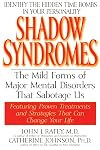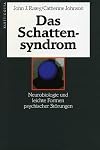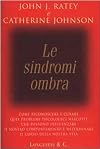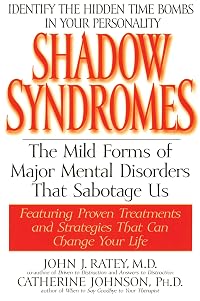
Shadow Syndromes: Recognizing and Coping with the Hidden Psychological Disorders That Can Influence Your Behavior and Silently Determine the Course of Your Life
by John J. Ratey
On This Page
Description
2 cassettes / 3 hours Read by Lewis Grenville The millions of people who attribute their daily life problems to bad parents, low self-esteem, or lack of will power may, in fact, be struggling with shadow syndromes. Chronic sadness, obsessiveness, outbursts of anger, inability to finish tasks, disabling discomfort in social situations -- these and other problems are all mild forms of serious mental disorders that can affect the very courses of our lives. They are shadow syndromes. Drs. John show more J. Ratey and Catherine Johnson challenge the prevalent idea that problems like these are brought on by aberrations in a person's upbringing and relationships, and then prolonged by his or her willful resistance to change. Instead, they assert that these behavior patterns originate in the inherent structure and chemistry of the individual brain, that they are distinctly identifiable, and that they respond to a range of approaches: from medication and psychotherapy to diet, meditation, and exercise. Elucidating for the first time the biology behind personality, Shadow Syndromes provides the knowledge and learning we need to understand the real causes of the treacherous mood swings and behavior patterns that can hold us back from what we need to achieve. It provides the guidance we need to emerge from the shadows that often determine the courses of our lives, enabling us to effect positive and lasting change in ourselves and those we love. show lessTags
Recommendations
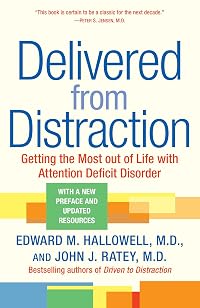
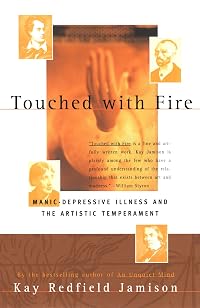
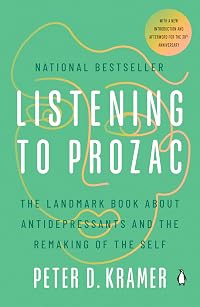

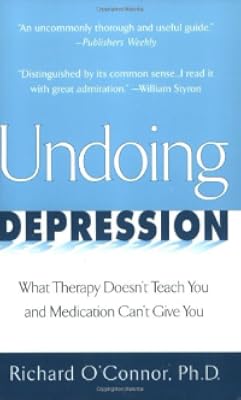


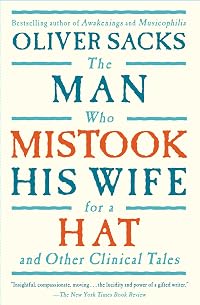
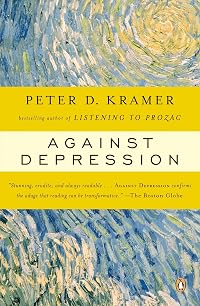
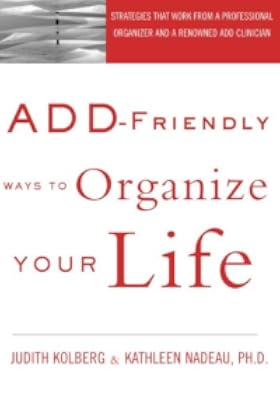
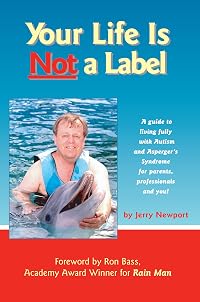

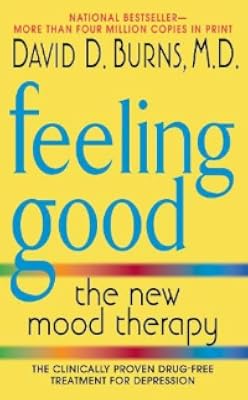
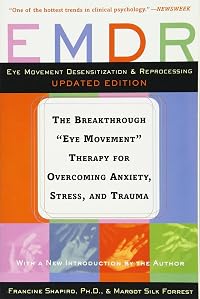
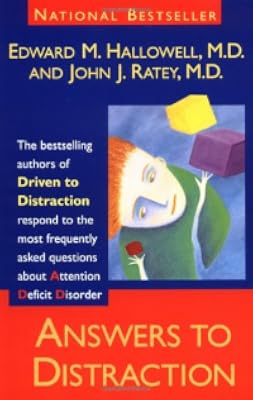
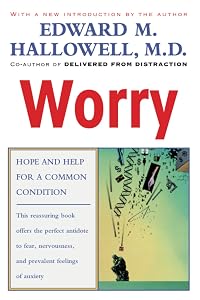




Member Recommendations

Member Reviews
The title tells us accurately what this book is about: mild versions of mental illnesses. The authors state- and I believe them- that a mental disorder is not a discrete box to fit people into; mental disorders exist on a continuum, from almost unnoticeable to full blown psychosis (or, in the case of autism, Kanner’s syndrome). They examine mild forms of mania, ADHD, depression, OCD, anger, anxiety and autism, and say “If mild forms of mental disorders are making you (and those around you) miserable, you should seek treatment and be able to be happy”. They also point out that some of these mild disorders can confer advantages as well as problems: a person with hypomania can get a lot of things done; people with mild autism can show more focus incredibly well. Obviously, not all shadow syndromes have good sides; constantly being sad, lacking emotions, being angry all the time, perpetual worrying and having obsessions are not good things.
The authors are able to show that different mental disorders are caused by variations in brain chemistry; the neurotransmitters dopamine, serotonin, and norepinephrine in various amounts create different effects. Antidepressants, tranquilizers, lithium and other psychiatric meds bring the neurotransmitters back into balance. Not that the authors feel everyone with a shadow syndrome needs to go on meds; their basic prescription for brain health is enough exercise, eating healthy, proper sleep, stress relieving techniques and therapy.
I think this is a very good book that makes a very valuable point about mental disorders, that mild forms are being overlooked and the sufferer being left unhappy. I would love to see a newer version; in fourteen years a lot more has become known about the brain. show less
The authors are able to show that different mental disorders are caused by variations in brain chemistry; the neurotransmitters dopamine, serotonin, and norepinephrine in various amounts create different effects. Antidepressants, tranquilizers, lithium and other psychiatric meds bring the neurotransmitters back into balance. Not that the authors feel everyone with a shadow syndrome needs to go on meds; their basic prescription for brain health is enough exercise, eating healthy, proper sleep, stress relieving techniques and therapy.
I think this is a very good book that makes a very valuable point about mental disorders, that mild forms are being overlooked and the sufferer being left unhappy. I would love to see a newer version; in fourteen years a lot more has become known about the brain. show less
The book helped me to understand that when we sometimes label someone as "odd" they just may be. The brain is complex and new technology and continuing studies are providing more insight.
We all need to work at changing everyone's view so we don't stigmatize anyone who seeks help with behavioral and mental issues.
I found the book useful. I'm certain that I'll be more open-minded in my future attitudes towards psychological disorders.
We all need to work at changing everyone's view so we don't stigmatize anyone who seeks help with behavioral and mental issues.
I found the book useful. I'm certain that I'll be more open-minded in my future attitudes towards psychological disorders.
Ratings
Members
- Recently Added By
Lists

Books Read in 2013
1,630 works; 51 members
Author Information

17 Works 6,112 Members
John J. Ratey, M.D., is associate clinical professor of psychiatry at Harvard Medical School.
Common Knowledge
- Canonical title
- Shadow Syndromes: Recognizing and Coping with the Hidden Psychological Disorders That Can Influence Your Behavior and Silently Determine the Course of Your Life
- Canonical DDC/MDS
- 616.89; 616
- Canonical LCC
- RC569.5.F67R38
Classifications
- Genres
- Nonfiction, General Nonfiction
- DDC/MDS
- 616.89 — Applied science & technology Medicine & health Diseases, Allergies, Skin Conditions Nervous Disorders: Autism, Anorexia, OCD Mental disorders: bi-polar/schizophrenia
- LCC
- RC569.5 .F67 .R38 — Medicine Internal medicine Internal medicine Neurosciences. Biological psychiatry. Neuropsychiatry Psychiatry Psychopathology Personality disorders. Behavior problems
- BISAC
Statistics
- Members
- 226
- Popularity
- 144,792
- Reviews
- 2
- Rating
- (3.43)
- Languages
- 5 — Dutch, English, German, Italian, Swedish
- Media
- Paper, Audiobook
- ISBNs
- 13
- ASINs
- 1