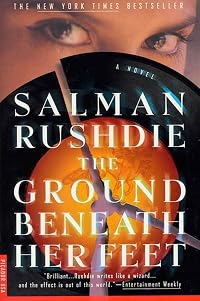
The Ground Beneath Her Feet
by Salman Rushdie
On This Page
Description
From the world renowned author of Midnight's Children and The Satanic Verses comes Salman Rushdie's brilliant novel The Ground Beneath Her Feet, featuring an epic, exuberant love story with a rock 'n' roll soundtrack. At the beginning of this stunning novel, Vina Apsara, a famous and much-loved singer, is caught up in a devastating earthquake and never seen again by human eyes. This is her story, and that of Ormus Cama, the lover who finds, loses, seeks, and again finds her, over and over, show more throughout his own extraordinary life in music. Their epic romance is narrated by Ormus's childhood friend and Vina's sometime lover, her "back-door man," the photographer Rai, whose astonishing voice, filled with stories, images, myths, anger, wisdom, humor, and love, is perhaps the book's true hero. Telling the story of Ormus and Vina, he finds that he is also revealing his own truths: his human failings, his immortal longings. He is a man caught up in the loves and quarrels of the age's goddesses and gods, but dares to have ambitions of his own. And lives to tell the tale. Around these three, the uncertain world itself is beginning to tremble and break. Cracks and tears have begun to appear in the fabric of the real. There are glimpses of abysses below the surfaces of things. The Ground Beneath Her Feet is Salman Rushdie's most gripping novel and his boldest imaginative act, a vision of our shaken, mutating times, an engagement with the whole of what is and what might be, an account of the intimate, flawed encounter between the East and the West, a brilliant remaking of the myth of Orpheus, a novel of high (and low) comedy, high (and low) passions, high (and low) culture. It is a tale of love, death, and rock 'n' roll. show lessTags
Recommendations
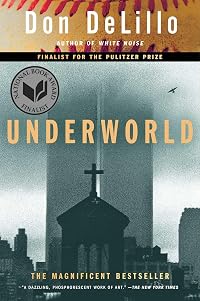
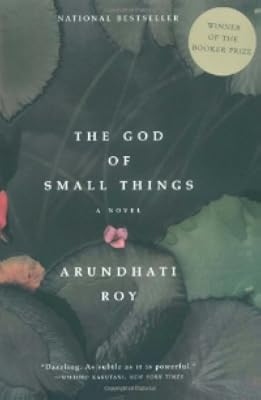
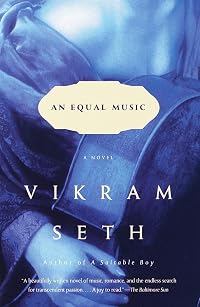
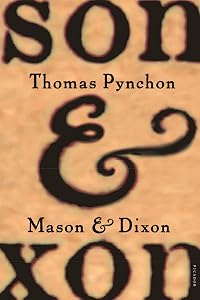
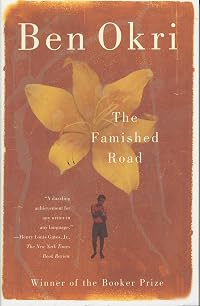
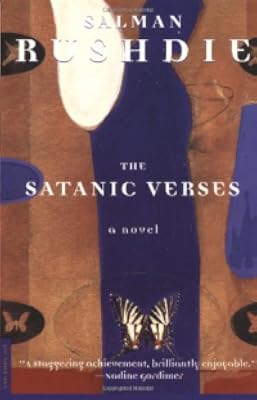
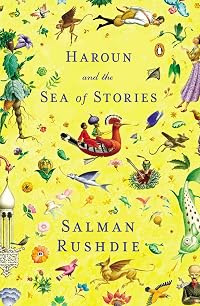
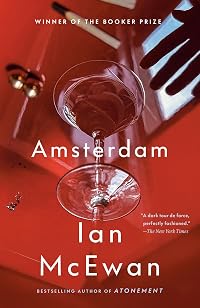
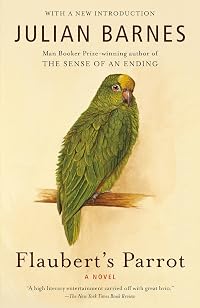
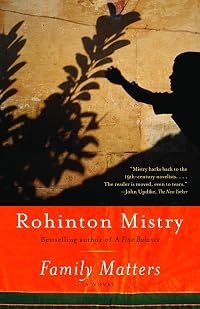
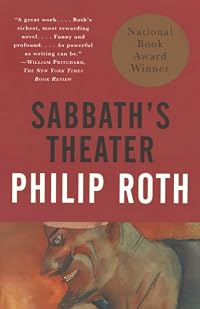

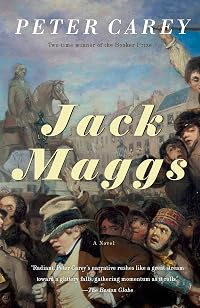
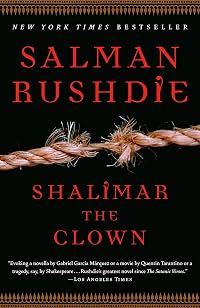
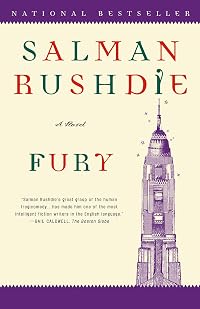
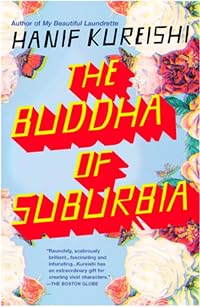
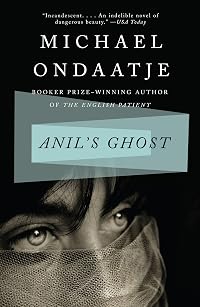

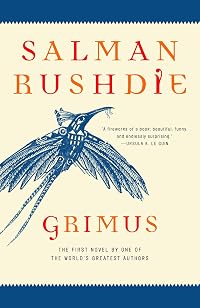
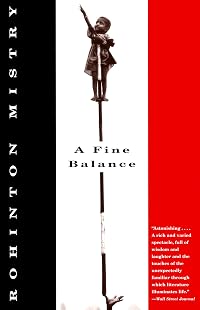
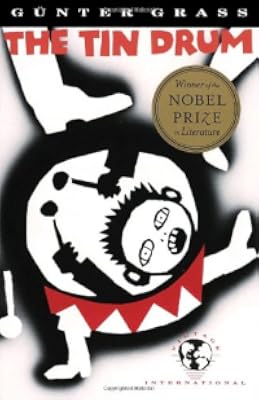
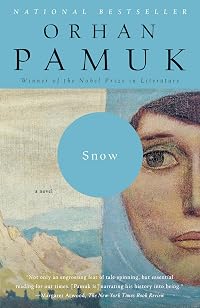


Member Recommendations

by ateolf
Member Reviews
I read on the back cover of “The Ground Beneath Her Feet” that it is “the best thing ever written about rock and roll.” As a music fan, that was enough for me but I suspected it would be a lot more. After all, it was written by magical realist Salman Rushdie. The story unfolds in Bombay, London, and New York from the 1950s to the 1980s and is infused with Indian and Greek mythology, especially the story of Orpheus and Eurydice. Whereas Eurydice was dispatched to Hades by a snake bite, her namesake Vina Apsara is swallowed by an earthquake in Mexico. Thus, the ground beneath our feet is anything but stable. In fact, earthquakes are portrayed as cracks in our existence that serve as intersections with other co-existing worlds, show more such as the one Ormus Camas (Orpheus’ namesake in the novel) sees from one eye after his auto accident.
The novel is full of puns and allusions. For a fan of classic rock and roll, these musical allusions can be entertaining. Speaking of a minor character, Rushdie says, “while Waldo was now capable of only the simplest, most innocent insights about the birds and the bees and the flowers and the trees and the sky up above …” Right, got it, Jewel Akens had #3 hit with that one in February 1965. The world in the novel is slightly off kilter from our own – for example, JFK lives when Oswald’s gun jams, Watergate is pulp fiction; we have the famous war novel Catch-18 and the musical duo of Carly Simon and Guinevere Garfunkel. Is Sir Darius Xerxes Cama’s butler Gieve meant to evoke PG Wodehouse’s man Jeeves? Most of the classical allusions (especially the Eastern ones) were lost on me, and after a while the allusions get a bit oppressive.
At its most basic level, the story is about a love triangle. The members of this doomed trio are the eventual rock stars Vina Apsara and Ormus Cama and their photographer and non-musical friend Umeed (“Rai”) Merchant who serves as the narrator of the story. Both Ormus and Rai have fallen in love with the half-Greek, half-Indian beauty Vina when they first see her. Nine-year-old Rai, on Juhu Beach, emerges from the water with his braces “smarting” to find 14-year-old Vina in her American flag swimsuit. Nineteen-year-old Ormus also meets Vina in 1956 at the Rhythm Center store in Bombay where Persis Kalamanja (a girl who is hoping to impress him) takes him to hear the new American record “Heartbreak Hotel.” Ormus has bounded out of the listening booth (are you old enough to remember those, such as in Wallach’s Music City?) furious that someone “stole his song.” Ormus owes his compositional skills to his dead twin brother Gayomart who channels future American rock and roll hits to Ormus exactly 1,001 days before they are released. Vina has an amazing voice. The duo becomes the world’s most famous rock group, called VTO for “Vina To Ormus” or “V-to” meaning “we two” in “Hug-me” (Rusdie’s acronym for “Hindi Urdu Gujarati Marathi English”) or Pynchon’s V2 rocket or several other possibilities.
Some things in the book remind me of Gabriel Garcia Marquez (such as the tequila running down the street – intoxicating everything in its path – during the earthquake in the first chapter) and John Irving (the shenanigans of Piloo Doodhwala and his magnifcentourage, the events that plague the Merchant and Camas families). Our hero Ormus, like Elvis Presley (known as Jesse Garon Parker in the novel), comes into the world with a dead twin and leaves the world like John Lennon (shot in the street by a deranged fan).
For the most part, the book is great fun, but all of the erudition can weigh it down at points. As James Woods says in his June 21, 2001 review in the New Republic, “the interpolation of passages of erudition leads us uncomfortably away from the novelistic creation that is Rushdie the joyous writer to the much feebler man called Salman Rushdie, balancing his dog-eared copy of [Plato’s] Symposium on his knees somewhere in London or Long Island and tapping chunks of it into his word processor. Postmodernism, it seems, only knows this strange clumsy way of beefing itself up intellectually. Like a man who takes so many classes that he has no time to read, postmodernism's very ambition, at such moments, threatens the novel.” To some extent all of these allusions seem to be a device designed to validate the intellect of the reader who recognizes them, but in the end such validation is hollow and doesn’t provide any humanistic insight. Still, like the back cover suggests, if you like rock and roll you’ll find it hard to dislike this novel. show less
The novel is full of puns and allusions. For a fan of classic rock and roll, these musical allusions can be entertaining. Speaking of a minor character, Rushdie says, “while Waldo was now capable of only the simplest, most innocent insights about the birds and the bees and the flowers and the trees and the sky up above …” Right, got it, Jewel Akens had #3 hit with that one in February 1965. The world in the novel is slightly off kilter from our own – for example, JFK lives when Oswald’s gun jams, Watergate is pulp fiction; we have the famous war novel Catch-18 and the musical duo of Carly Simon and Guinevere Garfunkel. Is Sir Darius Xerxes Cama’s butler Gieve meant to evoke PG Wodehouse’s man Jeeves? Most of the classical allusions (especially the Eastern ones) were lost on me, and after a while the allusions get a bit oppressive.
At its most basic level, the story is about a love triangle. The members of this doomed trio are the eventual rock stars Vina Apsara and Ormus Cama and their photographer and non-musical friend Umeed (“Rai”) Merchant who serves as the narrator of the story. Both Ormus and Rai have fallen in love with the half-Greek, half-Indian beauty Vina when they first see her. Nine-year-old Rai, on Juhu Beach, emerges from the water with his braces “smarting” to find 14-year-old Vina in her American flag swimsuit. Nineteen-year-old Ormus also meets Vina in 1956 at the Rhythm Center store in Bombay where Persis Kalamanja (a girl who is hoping to impress him) takes him to hear the new American record “Heartbreak Hotel.” Ormus has bounded out of the listening booth (are you old enough to remember those, such as in Wallach’s Music City?) furious that someone “stole his song.” Ormus owes his compositional skills to his dead twin brother Gayomart who channels future American rock and roll hits to Ormus exactly 1,001 days before they are released. Vina has an amazing voice. The duo becomes the world’s most famous rock group, called VTO for “Vina To Ormus” or “V-to” meaning “we two” in “Hug-me” (Rusdie’s acronym for “Hindi Urdu Gujarati Marathi English”) or Pynchon’s V2 rocket or several other possibilities.
Some things in the book remind me of Gabriel Garcia Marquez (such as the tequila running down the street – intoxicating everything in its path – during the earthquake in the first chapter) and John Irving (the shenanigans of Piloo Doodhwala and his magnifcentourage, the events that plague the Merchant and Camas families). Our hero Ormus, like Elvis Presley (known as Jesse Garon Parker in the novel), comes into the world with a dead twin and leaves the world like John Lennon (shot in the street by a deranged fan).
For the most part, the book is great fun, but all of the erudition can weigh it down at points. As James Woods says in his June 21, 2001 review in the New Republic, “the interpolation of passages of erudition leads us uncomfortably away from the novelistic creation that is Rushdie the joyous writer to the much feebler man called Salman Rushdie, balancing his dog-eared copy of [Plato’s] Symposium on his knees somewhere in London or Long Island and tapping chunks of it into his word processor. Postmodernism, it seems, only knows this strange clumsy way of beefing itself up intellectually. Like a man who takes so many classes that he has no time to read, postmodernism's very ambition, at such moments, threatens the novel.” To some extent all of these allusions seem to be a device designed to validate the intellect of the reader who recognizes them, but in the end such validation is hollow and doesn’t provide any humanistic insight. Still, like the back cover suggests, if you like rock and roll you’ll find it hard to dislike this novel. show less
HOLY HELL. This was more an endurance marathon than a labour of love - two weeks, two whole weeks when I could have been reading other books, but realised too late and refused to quit. I read Midnight's Children years ago and enjoyed that story, but gave up second time round - which should have been a sign. This pretentious heap of mythologising twaddle, was ten times worse. India and music, I thought after reading the blurb; oh good, this should be interesting! NOPE.
You know those chapters in classic novels like Les Mis, where the author goes off on a tangent and most readers learn to cheat by skipping? The bulk of this book is like that. The narrator, Rai, is a photographer, but also apparently a pseudo philosopher who likes the sound show more of his own voice (Salman, is that you?) The actual plot is about his obsession with a singer, Vina, and her world-conquering fame, which she achieves as part of a duo with her star-cross'd lover Ormus. Only I didn't believe in VIna's charismatic personality - she's basically a diva, and a bitch - and I certainly didn't swallow her amazing love affair with Ormus. But Rushdie being Rushdie, we also get backstories for miles, about his parents and her parents and the partition of India (again), and also - bonus! - some mad parallel universe which Ormus can see after a car crash. I'm just so tired. I started skimming through when I got to the 400s, but even that took too long. But at least I'm free now! show less
You know those chapters in classic novels like Les Mis, where the author goes off on a tangent and most readers learn to cheat by skipping? The bulk of this book is like that. The narrator, Rai, is a photographer, but also apparently a pseudo philosopher who likes the sound show more of his own voice (Salman, is that you?) The actual plot is about his obsession with a singer, Vina, and her world-conquering fame, which she achieves as part of a duo with her star-cross'd lover Ormus. Only I didn't believe in VIna's charismatic personality - she's basically a diva, and a bitch - and I certainly didn't swallow her amazing love affair with Ormus. But Rushdie being Rushdie, we also get backstories for miles, about his parents and her parents and the partition of India (again), and also - bonus! - some mad parallel universe which Ormus can see after a car crash. I'm just so tired. I started skimming through when I got to the 400s, but even that took too long. But at least I'm free now! show less
Ezeknek az epikus nagyregényeknek az íróit hajlamos vagyok úgy elképzelni, mint virtuóz kutyasétáltatót, akit épp több tucat eb rángat pórázon, miközben megkísérli velük megkerülni a háztömböt. Ezek az ebek az alaptémák (szerelem, történelem, mitologikus áthallások, stb.) illetve a szereplők metaforái, és mondanom sem kell: mindegyik másfelé akarna menni. Az egyik meglátott egy macskát, a másik megjelölne egy út menti fát, a harmadik meg a negyedik pedig épp egymás popóját szagolgatja, ami azért baj, mert az a harmadik valószínűleg tüzel. Szóval ez a baromi sok kutya baromi sok széttartó ötletnek és szándéknak felel meg, amelyek igyekeznek százfelé szakítani az írót, ám az nem show more hagyja magát: szorosan tartja, épp csak annyira engedi szabadjára őket, amennyire muszáj, és ha törik, ha szakad, megkerüli velük azt a rohadt háztömböt. Ezt nevezzük regényírásnak.
Ami a kötetet illeti, a dolog többnyire jól működik. Rushdie ebei láthatóan nyugtalanok, de a gazda keze erősen tartja őket, így rakoncátlankodásuk izgalmas káoszt teremt, nem összeomlást. A szöveg Ormus és Vína, a két mesterzenész meséje (no és a szomorú harmadiké, Rái-é, aki ezt az egészet elmeséli), akik Bombay keleti forgatagából New York nyugati forgatagába kerülnek, miközben megmásszák a világhírnév szédítő ormait. Kelet-nyugat regény tehát - Rushdie-tól egyáltalán nem szokatlan módon –, amiből sok egyéb mellett az is kiderül, hogy amit kelet vonzónak talán nyugatban, és amit nyugat bölcsességnek lát keletben, az néha közelről nézve nem más, mint repedező fal és rothadó szemétszag.
De valahol a regény felét elhagyva az író marka lazul a pórázon, egyes ebek pedig elszabadulnak. Beszűkül a történet, gazdag meséből monológgá, időnként egyenesen lamentálássá válik. Mintha Rushdie-nak nem nagyon lett volna ötlete arra nézvést, mi legyen a történetből, amikor végre Vína és Ormus egymásra talál, a lendület megtörik, száguldásból toporgásba vált. Ennek tetejébe az a kifejezetten izgalmas alternatív történelemkezelés, ami addig ígéretesen, a háttérben settenkedve hozta zavarba az olvasót, most kibomlik, részben magyarázatot nyer, ám valahogy kacskán: egyértelműen többet vártam ettől a száltól, lehetett volna ezzel foglalkozni a túlzásba vitt Orpheusz-Eurüdiké párhuzam helyett.
Nem rossz ez, messze nem. Erős szöveg, amit majd szétvet a feszültség – de ezt a feszültséget az író nem mindig tudja kellőképpen irányítani. De végtére is (mindent összevetve) a kutyák megkerülték a háztömböt, kimozogták magukat, pisiltek, kakiltak... szóval ha úgy vesszük, minden jó, ha a vége jó. show less
Ami a kötetet illeti, a dolog többnyire jól működik. Rushdie ebei láthatóan nyugtalanok, de a gazda keze erősen tartja őket, így rakoncátlankodásuk izgalmas káoszt teremt, nem összeomlást. A szöveg Ormus és Vína, a két mesterzenész meséje (no és a szomorú harmadiké, Rái-é, aki ezt az egészet elmeséli), akik Bombay keleti forgatagából New York nyugati forgatagába kerülnek, miközben megmásszák a világhírnév szédítő ormait. Kelet-nyugat regény tehát - Rushdie-tól egyáltalán nem szokatlan módon –, amiből sok egyéb mellett az is kiderül, hogy amit kelet vonzónak talán nyugatban, és amit nyugat bölcsességnek lát keletben, az néha közelről nézve nem más, mint repedező fal és rothadó szemétszag.
De valahol a regény felét elhagyva az író marka lazul a pórázon, egyes ebek pedig elszabadulnak. Beszűkül a történet, gazdag meséből monológgá, időnként egyenesen lamentálássá válik. Mintha Rushdie-nak nem nagyon lett volna ötlete arra nézvést, mi legyen a történetből, amikor végre Vína és Ormus egymásra talál, a lendület megtörik, száguldásból toporgásba vált. Ennek tetejébe az a kifejezetten izgalmas alternatív történelemkezelés, ami addig ígéretesen, a háttérben settenkedve hozta zavarba az olvasót, most kibomlik, részben magyarázatot nyer, ám valahogy kacskán: egyértelműen többet vártam ettől a száltól, lehetett volna ezzel foglalkozni a túlzásba vitt Orpheusz-Eurüdiké párhuzam helyett.
Nem rossz ez, messze nem. Erős szöveg, amit majd szétvet a feszültség – de ezt a feszültséget az író nem mindig tudja kellőképpen irányítani. De végtére is (mindent összevetve) a kutyák megkerülték a háztömböt, kimozogták magukat, pisiltek, kakiltak... szóval ha úgy vesszük, minden jó, ha a vége jó. show less
All I can say is wow. Reading a Salman Rushdie novel is like living another life, in another world, somewhat like our own, but mixed up in different ways. It's more like a saga than a novel, but as sagas go, it's one wild ride. Rushdie takes on the history of Rock 'n' Roll and the Orpheus myth.
I think this is my favorite Rushdie book yet.
No less of a deep dive into Bombay, India, Europe, current political events, religion and history than the other books of his I've read, this one adds Rock and the modern world as a central theme, and the mythical-magical, so to speak analysis of power and alternate worlds teeming with real and unreal examples of iconic ways that the world just is.
The Orpheus and Eurdike storyline this is woven around is brilliantly exhumed and turned into living rock, it's the most amazing story, the most beautiful language. I loved this book.
No less of a deep dive into Bombay, India, Europe, current political events, religion and history than the other books of his I've read, this one adds Rock and the modern world as a central theme, and the mythical-magical, so to speak analysis of power and alternate worlds teeming with real and unreal examples of iconic ways that the world just is.
The Orpheus and Eurdike storyline this is woven around is brilliantly exhumed and turned into living rock, it's the most amazing story, the most beautiful language. I loved this book.
Another amazing novel by Rushdie. This one is a modern day version of the Greek myth about Orpheus and Eurydice. Orpheus, a musician, and Eurydice, a nymph were happily married when Eurydice steps on a poisonous snake and dies. Grieving Orpheus plays such sad and mournful music that the gods tell him to go to the Underworld and bring her back. He is told that he must not look back. He goes to retrieve her, but hearing her cries of anguish, he turns around and she is lost forever. In this modern day version, Orpheus is played by Ormus Cama, an Indian rock star, and Eurydice is Vina Aspara a pop American singer who leads a wild and decadent life - more of a nymphomaniac than a nymph. As with all of Rushdie's books, the prose is incredibly show more dense and he throws in many subtle allusions to modern day culture, current events, and the overall music industry. I love reading his books, but by the end of this book, I felt like I just completed a college course in the music industry with a touch of Greek mythology thrown in. Brilliant and exhausting. show less
Reason read: special event, February 2024
I generally like Rushdie's writing but I struggled with this one. It is an ambitious work which you do expect from Rushdie. This is a retelling of the Orpheus/Eurydice myth. Rock'n Roll is used in place of the lyre. It's a story of two men in love with the same women and it is set during the 50s to the 90s as an alternate history. There is a lot of music in the story as well as name dropping. I found it hard to engage with this book and I did not appreciate the sexual descriptions and language. I think people who love music, alternate histories, and retellings may find the book interesting.
I generally like Rushdie's writing but I struggled with this one. It is an ambitious work which you do expect from Rushdie. This is a retelling of the Orpheus/Eurydice myth. Rock'n Roll is used in place of the lyre. It's a story of two men in love with the same women and it is set during the 50s to the 90s as an alternate history. There is a lot of music in the story as well as name dropping. I found it hard to engage with this book and I did not appreciate the sexual descriptions and language. I think people who love music, alternate histories, and retellings may find the book interesting.
Members
- Recently Added By
Published Reviews
Der neue Roman verbindet nun sogar das diesseitige Rockgeschäft mit uralten Mythen, verweist mit Vina und Ormus auf Orpheus und Eurydike, erzählt selbst über Rai eine ouverturehafte Geburtslegende und verweist damit zugleich auf das Auf- und Abbauen von Stars durch die Boulevardjournaille. Rushdie stellt diese Scheinwelt zudem in Science-Fiction-Manier auf den Kopf.
added by Indy133
"Instead of turning the Orpheus legend into a compelling postmodern myth, Rushdie has simply freighted an old story with his favorite themes and the random detritus of our current celebrity culture. In trying to write what he has called "an everything novel," he has produced a strangely hollow book, a book that lacks both the specificity and the magic that have enlivened his best work in the show more past. " show less
added by GYKM
Lists

1001 Books You Must Read Before You Die
1,448 works; 1,133 members

Recommend the 20 best books you've read in the last five years
2,168 works; 606 members

Unread books
1,063 works; 87 members

Blue Pyramid 1,276 Best Books of All Time
1,248 works; 32 members

Books With Body Parts in the Title
153 works; 9 members
Author Information

84+ Works 69,997 Members
Salman Rushdie was born in India on June 19, 1947. He was raised in Pakistan and educated in England. His novels include Grimus, Shame, The Satanic Verses, Haroun and the Sea of Stories, The Moor's Last Sigh, The Ground Beneath Her Feet, Fury, Shalimar the Clown, The Enchantress of Florence, Luka and the Fire of Life, and The Golden House. His show more non-fiction works include Joseph Anton, Imaginary Homelands, The Jaguar Smile, and Step across This Line. He also wrote a collection of short stories entitled East, West. He has received numerous awards including the Whitbread Prize for Best Novel twice, the James Tait Black Prize, the French Prix du Meilleur Livre Étranger, the Booker Prize in 1981 for Midnight's Children, and the 2014 PEN/Pinter Prize. (Bowker Author Biography) show less
Some Editions
Awards and Honors
Awards
Distinctions
Notable Lists
Series
Belongs to Publisher Series
Gallimard, Folio (5196)
Common Knowledge
- Canonical title
- The Ground Beneath Her Feet
- Original title
- The Ground Beneath her Feet
- Original publication date
- 1999
- People/Characters
- Ormus Cama; Vina Apsara; Rai Merchant
- Important places
- Bombay, India
- Epigraph
- "Set up no stone to his memory:
Just let the rose bloom each year for his sake.
For it is Orpheus. His metamorphosis
into this and that. We should not trouble
about other names. Once and for all... (show all)
it's Orpheus when there's singing."
~ R. M. Rilke Sonnets to Orpheus translated by M.D. Herter Norton - Dedication
- For Milan
- First words
- On St. Valentine’s Day, 1989, the last day of her life, the legendary popular singer Vina Aspara woke sobbing from a dream of human sacrifice in which she had been the intended victim.
- Quotations
- The photographer must be a thief, must steal instants of other people's time to make his own tiny eternities.
In the end, there's always an honest Injun somewhere, if you can find him. Even in Inja. - Last words
- (Click to show. Warning: May contain spoilers.)I thought they were supposed to be dead, but in real life they're just going to go on singing.
- Blurbers
- Arana, Marie; Kippen, David; Gray, Paul; Pakenham, Michael; Morrison, Toni; Wood, Michael (show all 23); Caldwell, Gail; Carson, Tom; Levi, Jonathan; Donahue, Deirdre; Walton, David; Wood, James; Power, Carla; Lannon, Linnea; Divakaruni, Chitra Banerjee; Scott, A. O.; Mundow, Anna; Romano, Carlin; McNally, Owen; Birkerts, Sven; Blythe, Will; Sutherland, John; DeLillo, Don
- Original language*
- Engels
*Some information comes from Common Knowledge in other languages. Click "Edit" for more information.
Classifications
Statistics
- Members
- 3,488
- Popularity
- 4,767
- Reviews
- 39
- Rating
- (3.72)
- Languages
- 17 — Bulgarian, Catalan, Danish, Dutch, English, Finnish, French, German, Hungarian, Italian, Norwegian (Bokmål), Polish, Portuguese, Romanian, Slovenian, Spanish, Swedish
- Media
- Paper, Audiobook, Ebook
- ISBNs
- 70
- UPCs
- 1
- ASINs
- 14