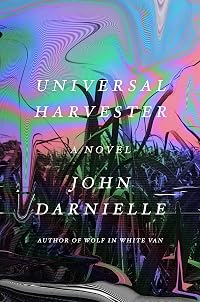
Universal Harvester: A Novel
by John Darnielle
On This Page
Description
Jeremy works at the Video Hut in Nevada, Iowa. It's a small town in the center of the state-the first a in Nevada pronounced ay. This is the late 1990s, and even if the Hollywood Video in Ames poses an existential threat to Video Hut, there are still regular customers, a rush in the late afternoon. It's good enough for Jeremy: it's a job, quiet and predictable, and it gets him out of the house, where he lives with his dad and where they both try to avoid missing Mom, who died six years ago show more in a car wreck.But when a local schoolteacher comes in to return her copy of Targets-an old movie, starring Boris Karloff, one Jeremy himself had ordered for the store-she has an odd complaint: "There's something on it," she says, but doesn't elaborate. Two days later, a different customer returns a different tape, a new release, and says it's not defective, exactly, but altered: "There's another movie on this tape." Jeremy doesn't want to be curious, but he brings the movies home to take a look. And, indeed, in the middle of each movie, the screen blinks dark for a moment and the movie is replaced by a few minutes of jagged, poorly lit home video. The scenes are odd and sometimes violent, dark, and deeply disquieting. There are no identifiable faces, no dialogue or explanation-the first video has just the faint sound of someone breathing- but there are some recognizable landmarks. These have been shot just outside of town. So begins John Darnielle's haunting and masterfully unsettling Universal Harvester: the once placid Iowa fields and farmhouses now sinister and imbued with loss and instability and profound foreboding. The audiobook will take Jeremy and those around him deeper into this landscape than they have ever expected to go. They will become part of a story that unfolds years into the past and years into the future, part of an impossible search for something someone once lost that they would do anything to regain. This program is read by the author and includes original music. show lessTags
Recommendations
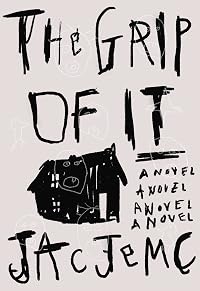
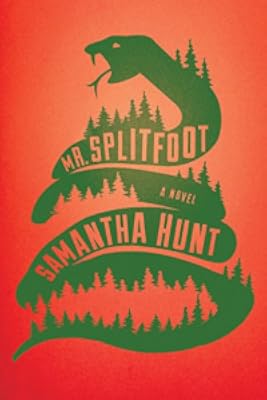
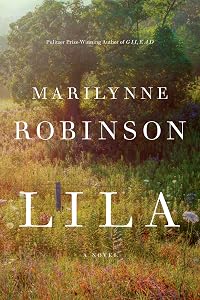
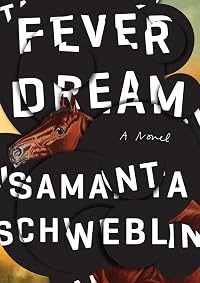





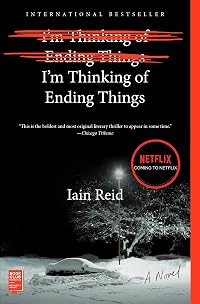
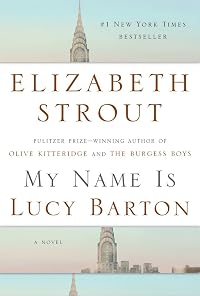
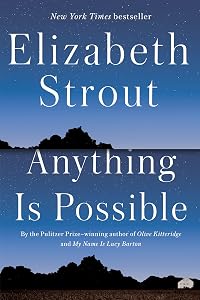
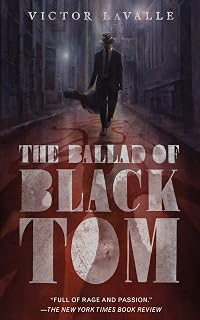





Member Recommendations
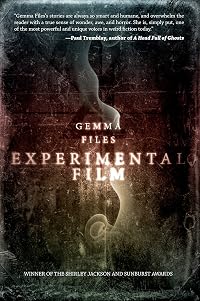
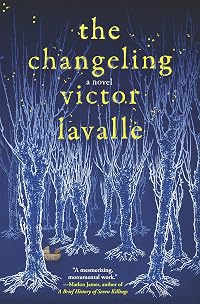
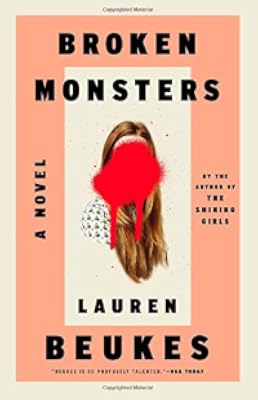
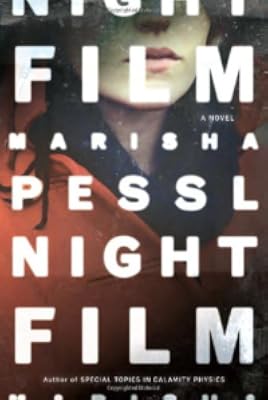
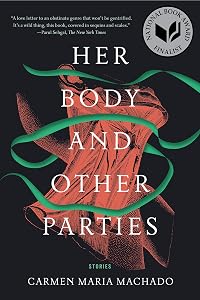
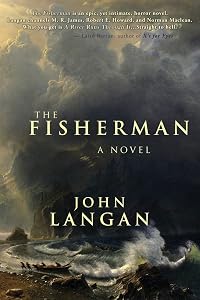
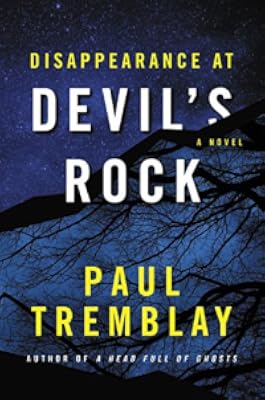
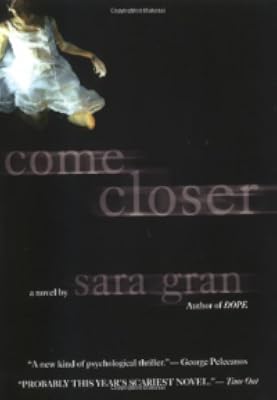
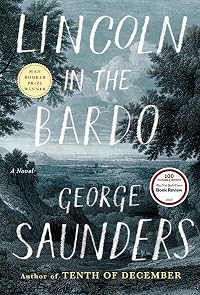
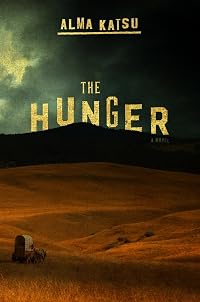
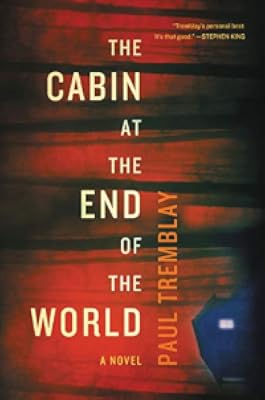
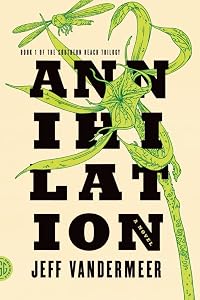
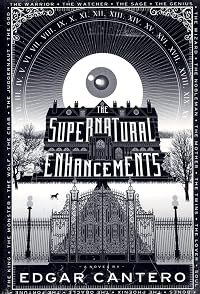
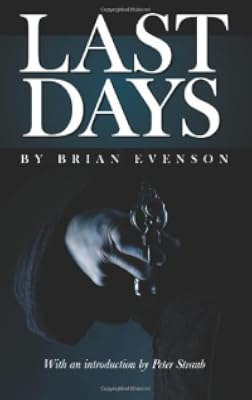
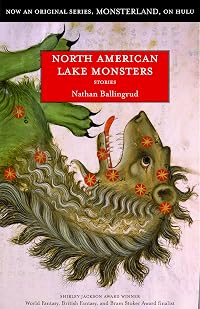
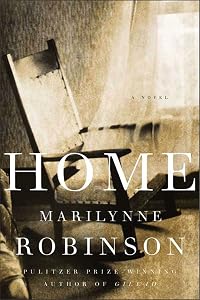
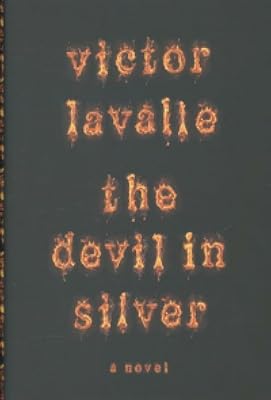
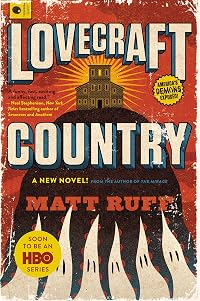
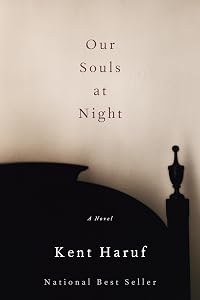
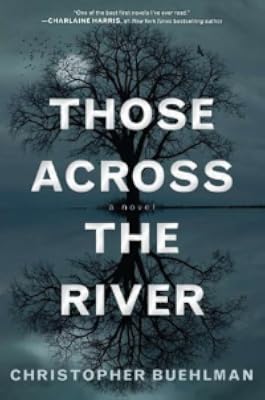
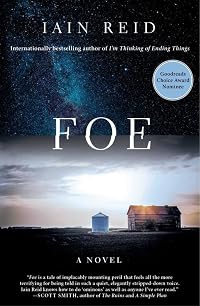
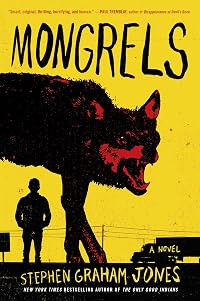
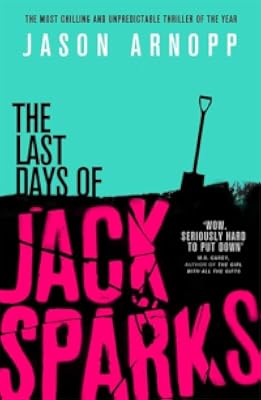
sturlington These books are not at all alike except that they both feature small-town video stores, they are both by North Carolina writers, and they are both good reads.
Member Reviews
Reading Universal Harvester leaves no room for doubt that John Darnielle knows the Midwest. His lack of embellishment and overt action epitomizes the Midwest. The placid pacing of the story emphasizes the lack of urgency experienced in “flyover” country. His thoroughly unassuming and utterly forgettable main characters are good, salt-of-the-earth Midwesterners just looking to live their lives quietly, surrounded by family and community. It is as an accurate a portrait of modern-day Midwesterners as anything you will ever read.
Unfortunately, this means that for those readers who are not familiar with the slower pace of life alongside the lack of external emotion, the story is slow and uneventful. Nothing much actually happens. Jeremy show more does not conduct an investigation so much as assuage his fears. His main concern is for his manager of the video store and her growing withdrawal from society as well as for those appearing on the videos. Halfway through the novel, there is a shift in the narrative to a different family and a different time period. Mr. Darnielle states the connection between the past and present at the very beginning of the shift, but it still takes readers some time to understand the connection. As with Jeremy’s scenes, the past is seemingly uneventful, plodding along from day-to-day with little in the way of adventure or excitement.
Yet to dismiss this lack of action within Universal Harvester is to dismiss the heart of the novel. The Midwest is slow and quirky; it is most definitely not flashy. Midwesterners are not early adopters of technology or fashion; they typically do not seek out danger and adventure. Moreover, there is a fundamental lack of emotion that manifests itself as if people were burying their emotions. However, what Mr. Darnielle shows in the novel is that emotions may not be on the surface, but they are there and they run deep. They connect communities and are what drive the massive influx of food during times of crisis. These emotional depths are what keep people searching for lost loved ones decades after their disappearances and are what drives Jeremy to begin his research in the first place. There is such a thing as Midwestern niceness, and Universal Harvester shows exactly what that is.
In Universal Harvester, John Darnielle does not just set his novel in the heart of the country. His novel embodies the Midwestern spirit with its penchant for helping out the less fortunate. It also showcases the unassuming way in which Midwesterners face life – unflappable, hard-working, and able to accept the relentless march of time. Universal Harvester is as much an homage to Midwesterners as it is a mystery. show less
Unfortunately, this means that for those readers who are not familiar with the slower pace of life alongside the lack of external emotion, the story is slow and uneventful. Nothing much actually happens. Jeremy show more does not conduct an investigation so much as assuage his fears. His main concern is for his manager of the video store and her growing withdrawal from society as well as for those appearing on the videos. Halfway through the novel, there is a shift in the narrative to a different family and a different time period. Mr. Darnielle states the connection between the past and present at the very beginning of the shift, but it still takes readers some time to understand the connection. As with Jeremy’s scenes, the past is seemingly uneventful, plodding along from day-to-day with little in the way of adventure or excitement.
Yet to dismiss this lack of action within Universal Harvester is to dismiss the heart of the novel. The Midwest is slow and quirky; it is most definitely not flashy. Midwesterners are not early adopters of technology or fashion; they typically do not seek out danger and adventure. Moreover, there is a fundamental lack of emotion that manifests itself as if people were burying their emotions. However, what Mr. Darnielle shows in the novel is that emotions may not be on the surface, but they are there and they run deep. They connect communities and are what drive the massive influx of food during times of crisis. These emotional depths are what keep people searching for lost loved ones decades after their disappearances and are what drives Jeremy to begin his research in the first place. There is such a thing as Midwestern niceness, and Universal Harvester shows exactly what that is.
In Universal Harvester, John Darnielle does not just set his novel in the heart of the country. His novel embodies the Midwestern spirit with its penchant for helping out the less fortunate. It also showcases the unassuming way in which Midwesterners face life – unflappable, hard-working, and able to accept the relentless march of time. Universal Harvester is as much an homage to Midwesterners as it is a mystery. show less
Much like his previous novel, wolf in white van, I wouldn’t pick up Universal Harvester if you’re looking for a lot of answers or resolution, part of why I didn’t flag this as a mystery though early on it certainly shares some elements of that genre. On the other hand, if you’re a fan of Camus or the other giants of existentialism, I would highly recommend both books. The emphasis on lack of intrinsic meanings to events, or even explanations for them, places them squarely within the existentialist wheelhouse.
Again, much like his previous novel, this one features a number of characters who have been indelibly altered (some to greater or lesser extents) by past events...and the implications being there are some events that show more transpired that leave us changed in a very permanent way...that there can be holes in us, gaps that can never be quite filled.
Early in this tale set in Iowa/Nevada (which while different still share many characteristics with the sense of midwestern endlessness and pseudo-desolation which figured so heavily with Kansas in WiWV), when the mystery elements are more prevalent, I found myself feeling a great deal of anxiety. Perhaps it was because as the mysterious and foreboding spliced in VHS scenes at first seem to foretell something sinister and tragic in a much more visceral and violent way than actual occurs, though perhaps as readers we are simply susceptible to such fears and leaps of logic because we are primed by the preponderance of so-called ‘murder porn’ of many slasher/horror movies. I also felt some of the anxiety stemmed from being put off-balance by some interesting things going on with time and perception. Though we predominantly follow Jeremy through this novel, even after he begins to see the mysterious tape scenes, the contents of what he saw is only revealed to us in fragments, gradually and out of sequence, much like the collection of tapes as a whole. This handling of time was particularly interesting to me since time is handled in a vaguely backwards though somewhat untethered from linearality in Darnielle’s previous novel as well. How he deals with time, close enough to a linear fashion to lull the reader into a false sense of security, but just discontinuous enough to leave us unsettled is something to watch out for going onward in his work.
Another particularly interesting thing, to me, was the was in which point of view is handled. While usually we see the story through a 3rd person limited POV, primarily following Jeremy around his experiences but occasionally following around other characters. However, there are these occasionall digressions into a first person narrative, one which is not clearly identified. Is it an omniscient narrator? Is it a character we know already giving us secret information via soliloquy? Is it an unnamed character we previously have not seen? Is it the author himself? Each of these have arguments for them, and each would result in radically different interpretations about what these asides mean. Especially given the importance of POV in this narrative in terms of Lisa’s camera and what it does and does not show us, this very intentional choice to switch to a 1st person narrative must be intensely meaningful. show less
Again, much like his previous novel, this one features a number of characters who have been indelibly altered (some to greater or lesser extents) by past events...and the implications being there are some events that show more transpired that leave us changed in a very permanent way...that there can be holes in us, gaps that can never be quite filled.
Early in this tale set in Iowa/Nevada (which while different still share many characteristics with the sense of midwestern endlessness and pseudo-desolation which figured so heavily with Kansas in WiWV), when the mystery elements are more prevalent, I found myself feeling a great deal of anxiety. Perhaps it was because as the mysterious and foreboding spliced in VHS scenes at first seem to foretell something sinister and tragic in a much more visceral and violent way than actual occurs, though perhaps as readers we are simply susceptible to such fears and leaps of logic because we are primed by the preponderance of so-called ‘murder porn’ of many slasher/horror movies. I also felt some of the anxiety stemmed from being put off-balance by some interesting things going on with time and perception. Though we predominantly follow Jeremy through this novel, even after he begins to see the mysterious tape scenes, the contents of what he saw is only revealed to us in fragments, gradually and out of sequence, much like the collection of tapes as a whole. This handling of time was particularly interesting to me since time is handled in a vaguely backwards though somewhat untethered from linearality in Darnielle’s previous novel as well. How he deals with time, close enough to a linear fashion to lull the reader into a false sense of security, but just discontinuous enough to leave us unsettled is something to watch out for going onward in his work.
Another particularly interesting thing, to me, was the was in which point of view is handled. While usually we see the story through a 3rd person limited POV, primarily following Jeremy around his experiences but occasionally following around other characters. However, there are these occasionall digressions into a first person narrative, one which is not clearly identified. Is it an omniscient narrator? Is it a character we know already giving us secret information via soliloquy? Is it an unnamed character we previously have not seen? Is it the author himself? Each of these have arguments for them, and each would result in radically different interpretations about what these asides mean. Especially given the importance of POV in this narrative in terms of Lisa’s camera and what it does and does not show us, this very intentional choice to switch to a 1st person narrative must be intensely meaningful. show less
"I don't want to abandon all these people," she said after a moment's consideration.
[...]
"Those people don't even know you exist."
Don't pick this up if you think you're getting a creepy horror story feel. The opening lines - even the opening few chapters really do start just like a horror story. Jeremy works at a local, small town movie store in the late 90's. It's all still VHS tapes. A customer comes in one day and says there is something weird on her copy of a movie. Jeremy doesn't think much of it and forgets to even check. But when Stephanie, another local girls, says a movie has a weird moment on it, he takes note. As Stephanie pushes, Jeremy realizes he needs to check the movie and see what's going on. Imagine his surprise when show more he actually spots it too. From there, Jeremy's life takes twists and turns as he tries to discover what's on this movie and why.
But this isn't Jeremy's story. It's not really Stephanie's story either. It's a lot of branches of a story that connect only through their own association. There are breaks of POV and even whole storylines mid chapter and can send you desperately trying to remember who Dave was and how it all fit together. Easy to remember, however, is Michael.
This is a sad story, not nearly horror but much more about loss. And it's loss in many forms - death and abandonment, neglect and even...just losing your way for a moment. It's about those left behind - layered in grief - and how they attend (or don't) to their grief. It's hard to say I enjoyed, but I love John Darnielle's lyrical storytelling so I enjoy everything he writes. I'm so glad I gave this one a chance. show less
[...]
"Those people don't even know you exist."
Don't pick this up if you think you're getting a creepy horror story feel. The opening lines - even the opening few chapters really do start just like a horror story. Jeremy works at a local, small town movie store in the late 90's. It's all still VHS tapes. A customer comes in one day and says there is something weird on her copy of a movie. Jeremy doesn't think much of it and forgets to even check. But when Stephanie, another local girls, says a movie has a weird moment on it, he takes note. As Stephanie pushes, Jeremy realizes he needs to check the movie and see what's going on. Imagine his surprise when show more he actually spots it too. From there, Jeremy's life takes twists and turns as he tries to discover what's on this movie and why.
But this isn't Jeremy's story. It's not really Stephanie's story either. It's a lot of branches of a story that connect only through their own association. There are breaks of POV and even whole storylines mid chapter and can send you desperately trying to remember who Dave was and how it all fit together. Easy to remember, however, is Michael.
This is a sad story, not nearly horror but much more about loss. And it's loss in many forms - death and abandonment, neglect and even...just losing your way for a moment. It's about those left behind - layered in grief - and how they attend (or don't) to their grief. It's hard to say I enjoyed, but I love John Darnielle's lyrical storytelling so I enjoy everything he writes. I'm so glad I gave this one a chance. show less
If you are of a certain age, you likely remember the video store as a regular stop on the errands run. And if you grew up in a small American town, you may remember the locally owned video store as a peculiar confluence of people and culture in a place where there wasn't a whole lot else to do. I have fond memories of our local video store and the woman who owned it, who always made hilariously bad movie recommendations. I could have worked there one summer as a teen but didn't, and now I wonder if that's the reason I missed out on a writing career.
Anyway, this book is not about a video store, although it does begin there. Jeremy is working in a small-town Iowa video store, biding his time while he figures out what to do with his life. show more A couple of customers returning videotapes remark that extra snippets of film footage have been added to the movies. Jeremy investigates and is thrown off kilter by what he sees. He shows the movies to his boss, who happens to recognize a house glimpsed in a snippet of footage, and she drives there to check it out.
You may think you know where this is going. You would be wrong.
This little book is exquisitely written, a meditation on many things, including loss, grief, family, small-town life, Midwest culture, and death (perhaps the "universal harvester" of the title, or does that refer to some piece of farm equipment?). It is about all the things in life that we can't really know, and as such, there are a lot of unknowns left for the reader. It is in many ways disturbing, unsettling, off kilter, but it is also meditative and mournful. A short book, it will take very little time to read, but you will be left thinking about it long after you're done. show less
Anyway, this book is not about a video store, although it does begin there. Jeremy is working in a small-town Iowa video store, biding his time while he figures out what to do with his life. show more A couple of customers returning videotapes remark that extra snippets of film footage have been added to the movies. Jeremy investigates and is thrown off kilter by what he sees. He shows the movies to his boss, who happens to recognize a house glimpsed in a snippet of footage, and she drives there to check it out.
You may think you know where this is going. You would be wrong.
This little book is exquisitely written, a meditation on many things, including loss, grief, family, small-town life, Midwest culture, and death (perhaps the "universal harvester" of the title, or does that refer to some piece of farm equipment?). It is about all the things in life that we can't really know, and as such, there are a lot of unknowns left for the reader. It is in many ways disturbing, unsettling, off kilter, but it is also meditative and mournful. A short book, it will take very little time to read, but you will be left thinking about it long after you're done. show less
Well-written, great prose, really paints the scene well and is stylistically atmospheric. But it is not a horror novel. It’s creepy and periodically filled with dread yet will quickly revert to a more benign and languid air.
The big reveal or the satisfying revelation never comes however.
I felt as if I had been subjected to hundreds of tiny shocks only to be left with a hum of unease.
The big reveal or the satisfying revelation never comes however.
I felt as if I had been subjected to hundreds of tiny shocks only to be left with a hum of unease.
One word, creepy. This book is CREEPY, but with another word, it was GREAT. I am a huge fan of creepy, and finding an author that can do it successfully is a rare jewel. Growing up, I always had a fascination with scary. Not gory, scary. My brother’s and I would want to watch horror movies, and since my parents didn’t think the current movies were appropriate, we got to watch old, black and white horror. We watched the original Fly and The House on Haunted Hill. Hitchcock was a staple, and Abbot and Costello were comedic relief if something got too scary. I am forever thankful for this black and white exposure because it meant that I learned an appreciation for what is truly scary: suspense, the unknown, what is behind closed doors, show more what you can’t see, noises, reactions. Scary isn’t blood, scary is confusion. All of these things are present in Universal Harvester. When you start reading, your inner movie starts with a sepia toned filter shooting a bored, video store clerk in the dreary Midwest. When a customer complains about a movie cutting out and being recorded over, you can see the blank look on his face as he takes the tape and sets it aside for later viewing. When he takes it home, pops in the VHS and begins to play the bad 90s movie, you are reading closely, not wanting to miss a word of what he’s going to see. The image cuts out and you can imagine the cockeyed camera angle and the strange silence and images. The writer illustrates all of these scenes so perfectly that it requires little imagination to play these scenes like a reel in your head. Good, legitimate scary books are hard to come by and I was thrilled to have a little variety in my reading material. show less
A strange, daring, mesmerizing, dreamy, and often beautiful book that plays with reader expectations of the novel and plot as well as genre conventions. I think Darnielle's books are best read twice, so I'm on my second read. The first reading was more of a puzzle - I enjoy those kinds of books. They make me aware of the expectations I'm bringing to the table as a reader. The second reading is much more relaxed and I'm full of admiration for how fluid the narration, time, characters, plot, etc. all are. This is a very different novel from Wolf In White Van, which is one of my favorite books, but I appreciate the author trying something new and maybe even more ambitious.
Members
- Recently Added By
Lists

Best Contemporary Literary Fiction (Around the Last 30 Years)
388 works; 124 members

Best Horror Books
281 works; 84 members

Best Family Stories
241 works; 22 members

Books Set in Iowa
34 works; 8 members

Books Read in 2017
4,249 works; 129 members

Horror Stories
12 works; 1 member
Books Set in Small Towns and Villages
278 works; 16 members

Strange Towns
49 works; 7 members

Paranormal & Supernatural
33 works; 1 member

CRB: The Best Horror Books of 2017
7 works; 1 member

Adventure and Intrigue
76 works; 2 members

To Read
617 works; 7 members

Ultimate Thriller Guide
52 works; 4 members

Books Tagged Cults
14 works; 1 member
Books Tagged Small Town
58 works; 1 member

Novels Featuring Television and Filmmaking
5 works; 1 member

Books recommended by Calgary Public Library staff
1,588 works; 4 members

Reading Glasses Podcast
410 works; 3 members

Books Read in 2024
4,623 works; 126 members
Author Information

8+ Works 4,149 Members
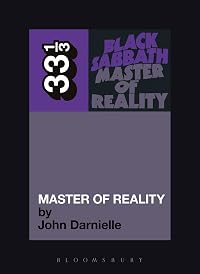
John Darnielle is a writer, composer, guitarist, and vocalist for the band the Mountain Goats. He has also written several books including Black Sabbath's Master of Reality and Wolf in White Van: A Novel. (Bowker Author Biography)
Some Editions
Awards and Honors
Awards
Distinctions
Notable Lists
Common Knowledge
- Original publication date
- 2017
- People/Characters
- Jeremy Heldt; Steve Heldt; Sarah Jane Shepherd; Lisa Sample; Irene Sample; Peter Sample (show all 16); James Pratt; Emily Pratt; Abby Pratt; Ed Pratt; Stephanie Parsons; Ezra Shepherd; Shauna Kinzer; Bill Veatch; Michael Christopher; Bob Pietsch
- Important places
- Nevada, Iowa, USA
- Epigraph
- But secret agents, like God, only give signs to their confidants. They are also very cruel and even unhappy at times. At any rate, they keep quiet. BENJAMIN TAMMUZ, Minotaur, translated from the Hebrew by Kim Par... (show all)fitt and Mildred Budny
- Dedication
- to Nancy Chavanothai: in loving memory
- First words
- People usually didn't say anything when they returned their tapes to the Video Hut: in a single and somewhat graceful movement, they'd approach the counter, slide the tape toward whoever was stationed behind the register, and... (show all) wheel back toward the door.
- Quotations
- That’s what pictures are for, after all: to stand in place of the things that weren’t left behind, to bear witness to people and places and things that might otherwise go unnoticed.
- Canonical DDC/MDS
- 813.6
- Canonical LCC
- PS3604.A748
Classifications
Statistics
- Members
- 1,214
- Popularity
- 20,368
- Reviews
- 66
- Rating
- (3.33)
- Languages
- English, German
- Media
- Paper, Audiobook, Ebook
- ISBNs
- 17
- ASINs
- 5