On This Page
Description
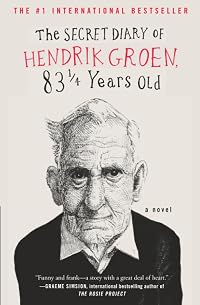
A #1 international bestseller in the vein of Fredrik Backman's A Man Called Ove: a funny and tender-hearted tale about friendship, love, and an old man who is young at heart.Technically speaking, Hendrik Groen is....elderly. But at age 83 1/4, this feisty, indomitable curmudgeon has no plans to go out quietly. Bored of weak tea and potted geraniums, exasperated by the indignities of aging, Hendrik has decided to rebel - on his own terms. He begins writing an exposé: secretly recording the show more antics of day-to-day life in his retirement home, where he refuses to take himself, or his fellow "inmates," too seriously.
With an eccentric group of friends, he founds the wickedly anarchic Old-But-Not-Dead Club, and he and his best friend, Evert, gleefully stir up trouble, enraging the home's humorless director and turning themselves into unlikely heroes. And when a sweet and sassy widow moves in next door, he polishes his shoes, grooms what's left of his hair, and determines to savor every ounce of joy in the time he has left, with hilarious and tender consequences.
A bestselling phenomenon that has captured imaginations around the world, The Secret Diary of Hendrik Groen is inspiring, charming, and laugh-out-loud funny with a deep and poignant core: a page-turning delight for readers of any age. show less
Tags
Recommendations



























Member Recommendations

Member Reviews
Habe ich schon mal beiläufig erwähnt, wie wenig ich von Klappentexten halte? Egal, ich mache es hier jetzt auch noch mal. Denn liest man diesen sowie diverse Auszüge aus Kritiken, dürfte man sich beim Kauf recht sicher sein, ein richtig lustiges und witziges Buch erworben zu haben. Wenn es aber eines nicht ist, dann witzig. Finde ich zumindest, aber vielleicht liegt es auch an mir...
Ein Jahr lang schreibt Hendrik Groen (übrigens ein Pseudonym), 83 1/4 Jahre alt, fast jeden Tag einen Tagebucheintrag. Vom Alltäglichen und Besonderen, wobei ersteres deutlich überwiegt, zumindest zu Beginn. Das Leben im Altenheim, in dem Hendrik wohnt (leben wage ich nicht zu schreiben), folgt einem klar reglementierten Ablauf, der sich in erster show more Linie an den Essenszeiten orientiert. Dazwischen ist schlicht - so gut wie Nichts. Zumindest kam mir das als Aussenstehende so vor, doch auch Hendrik zeigt sich gelangweilt und frustiert. Wenn da nicht sein recht unkonventioneller Freund Evert wäre, dem es so ziemlich egal ist, was der Rest der Welt von ihm denkt, würden die einzigen Höhepunkte in Hendriks restlichem Leben wohl die Bingoabende im Heim bleiben bzw. die immer wiederkehrenden zwangsläufigen Todesfälle. Doch eines Abends, als im Altenheim ungewöhnlicherweise ein wirklich schöner Konzertabend stattfindet, beschließen die Freunde mit vier weiteren BewohnerInnen, eine Gruppe zu gründen, in der jede/r abwechselnd alle zwei Wochen eine Aktivität organisiert - und durchaus nicht immer alterstypisch. Dies wird zu einem vollen Erfolg, doch die Heimleitung wie auch andere BewohnerInnen beäugen das Ganze misstrauisch.
Was Hendrik Groen hier beschreibt, ist das nackte Grauen. Es ist kein Leben in einem Luxusaltenheim, sondern in einem vom Staat finanzierten, was wohl die Meisten von uns erwartet, die diesen Weg gehen müssen/dürfen/sollen. Die Menschen werden hier versorgt mit Obdach, Essen und Trinken, doch Alles, was darüber hinausgeht - Fehlanzeige. Ohne Eigeninitiative wartet man einfach ab, dass die freie Zeit, von der es mehr als genug gibt, vergeht : Kartenspielen, zum Fenster hinausschauen, lesen. Was für ein trostloses Bild. Doch Hendrik macht deutlich, dass auch die BewohnerInnen selbst zum Teil dafür verantwortlich sind. Sie haben sich in der Bequemlichkeit dieses Alltages eingerichtet und wehe, etwas wagt sie zu stören. Das Essen mal später wegen einer Unternehmung? Um Himmels willen, bloß nicht! Man wird nicht bis vor die Tür gefahren, sondern muss vielleicht sogar noch laufen? Das darf ja bloß nicht wahr sein. Und bei drohendem Regen nach draußen? Auf gar keinen Fall, man könnte sich ja erkälten. So jammert man über die Eintönigkeit des Daseins, beneidet und missgönnt den Unternehmungslustigen ihre Erlebnisse und fängt sofort an zu stöhnen, wenn die eigene Bequemlichkeit unterbrochen wird.
Doch Hendrik beschreibt nicht nur das Innenleben des Heimes. Er bringt auch das aktuelle Tagesgeschehen ein und die Reaktionen darauf. Und das ist fast noch erschreckender. Denn so wie die körperliche Bequemlichkeit die Oberhand gewonnen hat, ist es auch mit dem geistigen Zustand. Zeitungen werden hauptsächlich gelesen, um etwas über das Königshaus zu erfahren oder den neuesten Klatsch und Tratsch. Wird über Politik doch einmal geredet, dann nur abfällig und ernsthafte Gespräche finden praktisch nie statt. Aber in gewisser Weise ist auch das zu verstehen: Denn sind die Alten einmal Thema in der Politik, geht es nur um Sparen und dass deren Pflege zu viel Geld kostet. Roboter sollen eingeführt werden, alte Gefängnisse etwas aufgehübscht und in Altenheime umgewandelt (entpuppte sich als Scherz, fand aber anfänglich keinen allzu großen Widerspruch) usw. Wie sollte man da nicht über Politik schimpfen? Aber warum kein Widerstand? Es herrscht die pure Resignation.
So deprimierend sich das anhört und es auch tatsächlich ist, Hendrik Groen (bzw. Peter de Smet) gelingt es dennoch, diese Eindrücke meistens so zu schreiben, dass ich doch immer wieder schmunzeln musste. Brüllend komisch, wie beispielsweise 'Die Rheinpfalz' geschrieben hat, ist es jedoch bestimmt nicht. Es zeigt die in vielen Bereichen sehr unschöne Realtiät des Alterns, aber ebenso, dass nur wenig dazu gehört, daraus eine lebenswerte Phase seines Daseins zu gestalten. Freundschaften, ein bisschen Aktivität, Neugier. Nur Mut! show less
Ein Jahr lang schreibt Hendrik Groen (übrigens ein Pseudonym), 83 1/4 Jahre alt, fast jeden Tag einen Tagebucheintrag. Vom Alltäglichen und Besonderen, wobei ersteres deutlich überwiegt, zumindest zu Beginn. Das Leben im Altenheim, in dem Hendrik wohnt (leben wage ich nicht zu schreiben), folgt einem klar reglementierten Ablauf, der sich in erster show more Linie an den Essenszeiten orientiert. Dazwischen ist schlicht - so gut wie Nichts. Zumindest kam mir das als Aussenstehende so vor, doch auch Hendrik zeigt sich gelangweilt und frustiert. Wenn da nicht sein recht unkonventioneller Freund Evert wäre, dem es so ziemlich egal ist, was der Rest der Welt von ihm denkt, würden die einzigen Höhepunkte in Hendriks restlichem Leben wohl die Bingoabende im Heim bleiben bzw. die immer wiederkehrenden zwangsläufigen Todesfälle. Doch eines Abends, als im Altenheim ungewöhnlicherweise ein wirklich schöner Konzertabend stattfindet, beschließen die Freunde mit vier weiteren BewohnerInnen, eine Gruppe zu gründen, in der jede/r abwechselnd alle zwei Wochen eine Aktivität organisiert - und durchaus nicht immer alterstypisch. Dies wird zu einem vollen Erfolg, doch die Heimleitung wie auch andere BewohnerInnen beäugen das Ganze misstrauisch.
Was Hendrik Groen hier beschreibt, ist das nackte Grauen. Es ist kein Leben in einem Luxusaltenheim, sondern in einem vom Staat finanzierten, was wohl die Meisten von uns erwartet, die diesen Weg gehen müssen/dürfen/sollen. Die Menschen werden hier versorgt mit Obdach, Essen und Trinken, doch Alles, was darüber hinausgeht - Fehlanzeige. Ohne Eigeninitiative wartet man einfach ab, dass die freie Zeit, von der es mehr als genug gibt, vergeht : Kartenspielen, zum Fenster hinausschauen, lesen. Was für ein trostloses Bild. Doch Hendrik macht deutlich, dass auch die BewohnerInnen selbst zum Teil dafür verantwortlich sind. Sie haben sich in der Bequemlichkeit dieses Alltages eingerichtet und wehe, etwas wagt sie zu stören. Das Essen mal später wegen einer Unternehmung? Um Himmels willen, bloß nicht! Man wird nicht bis vor die Tür gefahren, sondern muss vielleicht sogar noch laufen? Das darf ja bloß nicht wahr sein. Und bei drohendem Regen nach draußen? Auf gar keinen Fall, man könnte sich ja erkälten. So jammert man über die Eintönigkeit des Daseins, beneidet und missgönnt den Unternehmungslustigen ihre Erlebnisse und fängt sofort an zu stöhnen, wenn die eigene Bequemlichkeit unterbrochen wird.
Doch Hendrik beschreibt nicht nur das Innenleben des Heimes. Er bringt auch das aktuelle Tagesgeschehen ein und die Reaktionen darauf. Und das ist fast noch erschreckender. Denn so wie die körperliche Bequemlichkeit die Oberhand gewonnen hat, ist es auch mit dem geistigen Zustand. Zeitungen werden hauptsächlich gelesen, um etwas über das Königshaus zu erfahren oder den neuesten Klatsch und Tratsch. Wird über Politik doch einmal geredet, dann nur abfällig und ernsthafte Gespräche finden praktisch nie statt. Aber in gewisser Weise ist auch das zu verstehen: Denn sind die Alten einmal Thema in der Politik, geht es nur um Sparen und dass deren Pflege zu viel Geld kostet. Roboter sollen eingeführt werden, alte Gefängnisse etwas aufgehübscht und in Altenheime umgewandelt (entpuppte sich als Scherz, fand aber anfänglich keinen allzu großen Widerspruch) usw. Wie sollte man da nicht über Politik schimpfen? Aber warum kein Widerstand? Es herrscht die pure Resignation.
So deprimierend sich das anhört und es auch tatsächlich ist, Hendrik Groen (bzw. Peter de Smet) gelingt es dennoch, diese Eindrücke meistens so zu schreiben, dass ich doch immer wieder schmunzeln musste. Brüllend komisch, wie beispielsweise 'Die Rheinpfalz' geschrieben hat, ist es jedoch bestimmt nicht. Es zeigt die in vielen Bereichen sehr unschöne Realtiät des Alterns, aber ebenso, dass nur wenig dazu gehört, daraus eine lebenswerte Phase seines Daseins zu gestalten. Freundschaften, ein bisschen Aktivität, Neugier. Nur Mut! show less
Hendrik Groen is documenting a year in his Amsterdam retirement home. At eighty-three, he says “almost every name in my address book is crossed out.” He’s witty, highly observant and very aware of the ridiculousness of aging. He doesn’t make it to all the funerals, “either view or be viewed,” and sometimes uses fake migraines as an excuse to disappear. He has an informant in the suspect director’s office.
Hendrik and his friend Evert cause a bit of trouble and may have been involved in a “fish murder” conspiracy after some too-dry cake is deposited in a hallway aquarium. Mainly he documents the indignities of aging. A resident of the dementia unit slips out through an open door and shows off the new bracelet he claims show more is a gift from his mother-in-law. It says “Do Not Resuscitate.”
He gets frustrated with the pettiness of the residents. “We all ought to live as if every day were our last, but no, we’d rather waste our precious final hours on empty stuff and nonsense.” He shares tidbits from the news. “An eighty-year-old man has managed to climb Mount Everest. I have enough trouble stepping up on the curb.”
Weather commentary: “Hot weather always brings a spike in the death rate among the elderly. The weatherman is predicting ninety-one degrees. I hope I make it through the day.”
Fashion: “The procession of pear-shaped ladies in tight leggings parading through the halls every Monday on their way to the gym is extremely off-putting.”
Hendrik faces the specter of disability, incapacitation and death with gallows humor and practicality. Euthanasia lingers as an option. In the meantime he’s enjoying his life and friends as they face the inevitable together. show less
Hendrik and his friend Evert cause a bit of trouble and may have been involved in a “fish murder” conspiracy after some too-dry cake is deposited in a hallway aquarium. Mainly he documents the indignities of aging. A resident of the dementia unit slips out through an open door and shows off the new bracelet he claims show more is a gift from his mother-in-law. It says “Do Not Resuscitate.”
He gets frustrated with the pettiness of the residents. “We all ought to live as if every day were our last, but no, we’d rather waste our precious final hours on empty stuff and nonsense.” He shares tidbits from the news. “An eighty-year-old man has managed to climb Mount Everest. I have enough trouble stepping up on the curb.”
Weather commentary: “Hot weather always brings a spike in the death rate among the elderly. The weatherman is predicting ninety-one degrees. I hope I make it through the day.”
Fashion: “The procession of pear-shaped ladies in tight leggings parading through the halls every Monday on their way to the gym is extremely off-putting.”
Hendrik faces the specter of disability, incapacitation and death with gallows humor and practicality. Euthanasia lingers as an option. In the meantime he’s enjoying his life and friends as they face the inevitable together. show less
Technically speaking, Hendrik Groen is....elderly. But at age 83 1/4, this feisty, indomitable curmudgeon has no plans to go out quietly. Bored of weak tea and potted geraniums, exasperated by the indignities of aging, Hendrik has decided to rebel--on his own terms. He begins writing an exposé: secretly recording the antics of day-to-day life in his retirement home, where he refuses to take himself, or his fellow "inmates," too seriously.
With an eccentric group of friends he founds the wickedly anarchic Old-But-Not-Dead Club--"Rule #3: No Whining Allowed"--and he and his best friend, Evert, gleefully stir up trouble, enraging the home's humorless director and turning themselves into unlikely heroes. And when a sweet and sassy widow show more moves in next door, he polishes his shoes, grooms what's left of his hair, and determines to savor every ounce of joy in the time he has left, with hilarious and tender consequences. show less
With an eccentric group of friends he founds the wickedly anarchic Old-But-Not-Dead Club--"Rule #3: No Whining Allowed"--and he and his best friend, Evert, gleefully stir up trouble, enraging the home's humorless director and turning themselves into unlikely heroes. And when a sweet and sassy widow show more moves in next door, he polishes his shoes, grooms what's left of his hair, and determines to savor every ounce of joy in the time he has left, with hilarious and tender consequences. show less
"Another year, and I still don't like old people." Hendrik Groen decides to start 2013 by keeping a diary of his days at a care home in North Amsterdam. He has many opinions on "the oldies" as he calls them, and about the world at large, that he shares amidst the everyday monotony of the elderly. The diary contains moments of hilarity and moments of wisdom. "You're supposed to enjoy your sunset years, but it damn well isn't always easy." Groen is starting to question whether he wants to continue living if this is what life is - repetitive complaints about aches and pains, the prejudices, jealousy, and bullying of his fellow residents, the constant fear of falling - when a new resident changes everything. A touching, funny, honest, and show more eye-opening view of aging. show less
Despite what the cover of this audio book says, this novel is not laugh-out-loud funny. Yes, there are parts that are liberally dosed with humor, but there are other parts filled with pathos and sadness. Hendrik is not one to take life too seriously, and consistently tries to make the best of it. He has had a sad life in many ways, but endeavors not to be sad himself. He is indignant about the ailments thrust upon him merely by living so long. But he and his fellow cohorts at the assisted living home grab what life they have left and make the most of it. They form a club, the Old But Not Dead, and schedule outings. This mild form of rebellion incurs the displeasure of the director, who would rather have docile residents. And while they show more are having a good time, they buoy each other up in times of need. They help the slowly failing memory of one with notes of what to do. They push the wheel chair of an amputee. They hold the hand of a stroke victim. And they soldier on, even when death makes a call. This poignant look at the aged and how they cope, and how they are perceived by the much younger people around them will give you much to reflect upon. Well written and peopled with well-developed characters, this diary is one for the books. show less
Hendrik Groen (the author's true identity has been kept a closely guarded secret) is, as the title suggests, an 83 year old man who decides to keep a diary of his life in an Amsterdam Nursing Home for a year. The title seems like an obvious take on The Secret Diary of Adrian Mole aged 13 1/4, and it's true that this book feels like a cross sometimes between Adrian Mole and Victor Meldrew of One Foot In The Grave.
Hendrik describes the mundanity of his life, but manages to make it anything but mundane for the reader. He writes about the red tape and bureaucracy which the management have to deal with, and which has effects for the residents (or inmates as he refers to them) of the home, as well as the world of politics, and while he is show more referring specifically to Dutch politics, much of what he says can be related to other countries as well. Incidentally, if you are not a fan of politics, don't be put off by the thought of reading about it - Hendrik talks about it in the way that most of us pass comment on the subject with people we know - it's not in-depth and his sardonic and cynical eye makes it worth reading.
As well as a regular and healthy dollop of humour - there's something to make you smile or giggle on almost every page - there's also a great deal of poignancy and sadness as he sees various members of his close circle of friends struck down by ailments such as stroke and diabetes. While he himself enjoys fairly decent health, euthanasia and assisted suicide often crop up in his thoughts, but this does not mean that the book is depressing, just that it provides a bit of insight into what some people might feel. Hendrik never dwells too long on the sadness, and always provides an amusing grumble about one or other of the other residents to make you laugh again.
Overall this is an easy and quick read - undemanding for sure, but one that may well stay with you for some time after you have read it. Highly recommended. show less
Hendrik describes the mundanity of his life, but manages to make it anything but mundane for the reader. He writes about the red tape and bureaucracy which the management have to deal with, and which has effects for the residents (or inmates as he refers to them) of the home, as well as the world of politics, and while he is show more referring specifically to Dutch politics, much of what he says can be related to other countries as well. Incidentally, if you are not a fan of politics, don't be put off by the thought of reading about it - Hendrik talks about it in the way that most of us pass comment on the subject with people we know - it's not in-depth and his sardonic and cynical eye makes it worth reading.
As well as a regular and healthy dollop of humour - there's something to make you smile or giggle on almost every page - there's also a great deal of poignancy and sadness as he sees various members of his close circle of friends struck down by ailments such as stroke and diabetes. While he himself enjoys fairly decent health, euthanasia and assisted suicide often crop up in his thoughts, but this does not mean that the book is depressing, just that it provides a bit of insight into what some people might feel. Hendrik never dwells too long on the sadness, and always provides an amusing grumble about one or other of the other residents to make you laugh again.
Overall this is an easy and quick read - undemanding for sure, but one that may well stay with you for some time after you have read it. Highly recommended. show less
My thanks, as always, to Penguin for the advance review copy received via NetGalley.
Hendrik Groen is old. Eighty-three years old, to be precise. His lungs are diagnosed to be "working at half strength", his prostate to be "beyond repair", and his joints "exhibit disturbing wear and tear", but at least his mind is "sharp enough to be conscious of the decline". Like an ever-growing number of Dutch retirees with limited income, he's spending his sunset days in a care home, surrounded by the constant grumbling of his fellow residents. Unlike them, however, he's resolved to spend as little time as possible lamenting the decay of mind and body within and around him, and instead recount the day-to-day life of the inmates and staff in the show more establishment.
At the hands (pen?) of a good observer and faithful chronicler with a lot of humour, what seem to be ordinary occurrences have a new life breathed into them. And so we follow what proves to be a narrative of the impact of events of great import worldwide on the more-or-less isolated community of pensioners, the adventures of Hendrik and his friends as they try to make their last months/weeks/days on Earth worthwhile and memorable and keep the spark of friendship alive in spite of the heartless and strict directives of the home's management, led by the matronly director Stelwagen. Parallel to this, the personal life story of our remarkable hero unfolds, and we cannot help but feel for him.
The diary format is nothing new in literature, and is likely here to stay, but the all-too human voice of Hendrik makes this book breathtakingly hilarious and gut-wrenchingly hearbreaking. This, as well as the fact that it features a myriad cast of wonderfully fleshed-out characters endearing to varying degrees, all with credible and entertaining stories to tell, drives me to predict a vast and adoring readership, especially now that we have a brilliant English translation. show less
Hendrik Groen is old. Eighty-three years old, to be precise. His lungs are diagnosed to be "working at half strength", his prostate to be "beyond repair", and his joints "exhibit disturbing wear and tear", but at least his mind is "sharp enough to be conscious of the decline". Like an ever-growing number of Dutch retirees with limited income, he's spending his sunset days in a care home, surrounded by the constant grumbling of his fellow residents. Unlike them, however, he's resolved to spend as little time as possible lamenting the decay of mind and body within and around him, and instead recount the day-to-day life of the inmates and staff in the show more establishment.
At the hands (pen?) of a good observer and faithful chronicler with a lot of humour, what seem to be ordinary occurrences have a new life breathed into them. And so we follow what proves to be a narrative of the impact of events of great import worldwide on the more-or-less isolated community of pensioners, the adventures of Hendrik and his friends as they try to make their last months/weeks/days on Earth worthwhile and memorable and keep the spark of friendship alive in spite of the heartless and strict directives of the home's management, led by the matronly director Stelwagen. Parallel to this, the personal life story of our remarkable hero unfolds, and we cannot help but feel for him.
The diary format is nothing new in literature, and is likely here to stay, but the all-too human voice of Hendrik makes this book breathtakingly hilarious and gut-wrenchingly hearbreaking. This, as well as the fact that it features a myriad cast of wonderfully fleshed-out characters endearing to varying degrees, all with credible and entertaining stories to tell, drives me to predict a vast and adoring readership, especially now that we have a brilliant English translation. show less
Members
- Recently Added By
Lists

Books Read in 2016
4,666 works; 197 members

Books Read in 2019
4,052 works; 110 members
Author Information

13 Works 2,005 Members
Some Editions
Awards and Honors
Awards
Distinctions
Series

Work Relationships
Contains
Common Knowledge
- Canonical title
- The Secret Diary of Hendrik Groen, 83 1/4 Years Old
- Original title
- Pogingen iets van het leven te maken
- Alternate titles*
- Pogingen iets van het leven te maken : het geheime dagboek van Hendrik Groen, 83¼ jaar
- Original publication date
- 2014-06-11
- People/Characters
- Hendrik Groen; Eefje Brand
- Important places
- Amsterdam, The Netherlands
- First words
- Ik hou ook het komend jaar niet van bejaarden.
Another year, and I still don't like old people. - Last words
- (Click to show. Warning: May contain spoilers.)Vanmiddag ga ik een nieuwe agenda kopen. En een nieuw aantekenboekje.
(Click to show. Warning: May contain spoilers.)This afternoon I will go out and buy a new diary. - Original language
- Dutch
*Some information comes from Common Knowledge in other languages. Click "Edit" for more information.
Classifications
- Genres
- General Fiction, Fiction and Literature
- DDC/MDS
- 839.313 — Literature & rhetoric German & related literatures Other Germanic literatures Netherlandish literatures Dutch Dutch fiction
- LCC
- PT5882.17 .R64 .P6413 — Language and Literature German, Dutch and Scandinavian literatures Dutch literature 2001-
- BISAC
Statistics
- Members
- 1,251
- Popularity
- 19,576
- Reviews
- 68
- Rating
- (3.87)
- Languages
- 16 — Catalan, Czech, Dutch, English, Estonian, French, German, Hungarian, Italian, Norwegian, Polish, Portuguese, Russian, Spanish, Swedish, Turkish
- Media
- Paper, Audiobook, Ebook
- ISBNs
- 51
- ASINs
- 11