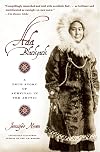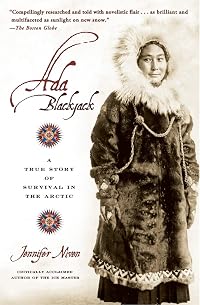
Ada Blackjack: A True Story of Survival in the Arctic
by Jennifer Niven 
On This Page
Description
In September 1921, four young men and Ada Blackjack, a diminutive twenty-five-year-old Eskimo woman, ventured deep into the Arctic in a secret attempt to colonize desolate Wrangel Island for Great Britain. Two years later, Ada Blackjack emerged as the sole survivor of this ambitious polar expedition. This young, unskilled woman-who had headed to the Arctic in search of money and a husband-conquered the seemingly unconquerable north and survived all alone after her male companions had show more perished. Following her triumphant return to civilization, the international press proclaimed her the female Robinson Crusoe. But whatever stories the press turned out came from the imaginations of reporters: Ada Blackjack refused to speak to anyone about her horrific two years in the Arctic. Only on one occasion-after charges were published falsely accusing her of causing the death of one her companions-did she speak up for herself. Jennifer Niven has created a compelling history of this remarkable woman, taking full advantage of the wealth of first-hand resources about Ada that exist, including her never-before-seen diaries, the unpublished diaries from other primary characters, and interviews with Ada's surviving son. Ada Blackjack is more than a rugged tale of a woman battling the elements to survive in the frozen north-it is the story of a hero. show lessTags
Recommendations
















Member Reviews
Sometimes two is not better than one.
This book tries to do two things. One is to tell the story of the 1921-1923 Wrangel Island expedition in which the Inuit woman Ada Blackjack participated. The other, and the primarily one, is to tell Ada's own life story.
These two really do need to be reviewed separately. The story of the Wrangel Island expedition is, I think, very good; it explains how it was conceived, how the five people involved came together, and -- insofar as can be known -- how four of them came to die. The one thing that bothers me is that three different narratives arose about the failure of the expedition, which might be called the "Stefansson narrative" (after the organizer of the expedition), the "Noice narrative" (after show more the man who rescued them but then gratuitously destroyed expedition records in a quest for fame), and Niven's own narrative. Obviously Niven believes her own reconstruction to be correct. I incline to believe it, too, but I was constantly thinking, "Can you prove that?" Maybe Niven can, but I didn't feel as if it had been proved.
That caution being spoken, I repeat that the narrative of the expedition is good.
The narrative of Ada Blackjack was more complicated. Oh, I concede that Niven didn't have much material to work with as far as actual biography is concerned; records about Inuit born in the late 1800s are all but non-existent! And Blackjack didn't leave much in the way of personal accounts, and she seems to have been quite socially isolated. So, in essence, we get a capsule biography of Ada's early years, a detailed examination of a period of four years or so when she was in public view, and then it's back to the capsule biography. It's not really a portrait of a complete person.
But it is a very puzzling story. Why did Ada Blackjack suffer so much at the hands of the other members of the expedition? "Arctic hysteria" is just a phrase. There is no question but that some people do turn very strange in the Arctic; history shows that again and again. But Ada's was a different sort of strangeness. And she was socially isolated among both Inuit and Europeans. She had repeated marital liaisons that failed. She was afraid of all sorts of things, with polar bears being the most noteworthy. When attacked, she rarely defended herself from the charges against her. She doesn't seem to have liked to talk. It sounds as if she had a thing about jigsaw puzzles. The list goes on.
At minimum, it's the picture of a woman who had anxiety issues. But also social phobia. She wasn't stupid -- her ability to survive when four stronger, more assertive men failed shows that. But she had trouble using her skills.
We all see what we want to see. As a person who has autism myself, what I saw was a woman who had autism, and suffered the social cost that people with autism often pay. Do I know that? Of course not. Author Niven never tries to get into Ada's psychology at all, except for the brief mention of Arctic hysteria, which she treats as an isolated thing. But it doesn't matter if Ada had autism or not; what matters is that we don't really understand her enough to be sure. In the end, I'm not sure I gained any real understanding of this woman who was, potentially, so important -- one of the first women to engage in Arctic exploration. This feels like a hole in the book, to me. At least, it nagged at me throughout.
On the other hand, I know of no other modern books about the 1920s expedition. We owe Jennifer Niven a lot for reminding us of it. And of the woman who, in the 1920s, very quietly showed that women were capable of a lot more than the men of the time gave them credit for. show less
This book tries to do two things. One is to tell the story of the 1921-1923 Wrangel Island expedition in which the Inuit woman Ada Blackjack participated. The other, and the primarily one, is to tell Ada's own life story.
These two really do need to be reviewed separately. The story of the Wrangel Island expedition is, I think, very good; it explains how it was conceived, how the five people involved came together, and -- insofar as can be known -- how four of them came to die. The one thing that bothers me is that three different narratives arose about the failure of the expedition, which might be called the "Stefansson narrative" (after the organizer of the expedition), the "Noice narrative" (after show more the man who rescued them but then gratuitously destroyed expedition records in a quest for fame), and Niven's own narrative. Obviously Niven believes her own reconstruction to be correct. I incline to believe it, too, but I was constantly thinking, "Can you prove that?" Maybe Niven can, but I didn't feel as if it had been proved.
That caution being spoken, I repeat that the narrative of the expedition is good.
The narrative of Ada Blackjack was more complicated. Oh, I concede that Niven didn't have much material to work with as far as actual biography is concerned; records about Inuit born in the late 1800s are all but non-existent! And Blackjack didn't leave much in the way of personal accounts, and she seems to have been quite socially isolated. So, in essence, we get a capsule biography of Ada's early years, a detailed examination of a period of four years or so when she was in public view, and then it's back to the capsule biography. It's not really a portrait of a complete person.
But it is a very puzzling story. Why did Ada Blackjack suffer so much at the hands of the other members of the expedition? "Arctic hysteria" is just a phrase. There is no question but that some people do turn very strange in the Arctic; history shows that again and again. But Ada's was a different sort of strangeness. And she was socially isolated among both Inuit and Europeans. She had repeated marital liaisons that failed. She was afraid of all sorts of things, with polar bears being the most noteworthy. When attacked, she rarely defended herself from the charges against her. She doesn't seem to have liked to talk. It sounds as if she had a thing about jigsaw puzzles. The list goes on.
At minimum, it's the picture of a woman who had anxiety issues. But also social phobia. She wasn't stupid -- her ability to survive when four stronger, more assertive men failed shows that. But she had trouble using her skills.
We all see what we want to see. As a person who has autism myself, what I saw was a woman who had autism, and suffered the social cost that people with autism often pay. Do I know that? Of course not. Author Niven never tries to get into Ada's psychology at all, except for the brief mention of Arctic hysteria, which she treats as an isolated thing. But it doesn't matter if Ada had autism or not; what matters is that we don't really understand her enough to be sure. In the end, I'm not sure I gained any real understanding of this woman who was, potentially, so important -- one of the first women to engage in Arctic exploration. This feels like a hole in the book, to me. At least, it nagged at me throughout.
On the other hand, I know of no other modern books about the 1920s expedition. We owe Jennifer Niven a lot for reminding us of it. And of the woman who, in the 1920s, very quietly showed that women were capable of a lot more than the men of the time gave them credit for. show less
Jennifer Niven calls Ada Blackjack a hero. I don't think I would go that far. She didn't save anyone's life and her heroic deeds were limited to having the courage and resourcefulness to survive her unlikely predicament physically unscathed. I say unlikely because what would a impoverished and divorced 23 year old Inuit woman (a rumored prostitute) be doing on a potentially illegal expedition in the wilds of an Arctic island with four young white men and a cat? Desperate to find a husband and to make enough money to care for her oft-ill son, Ada signs on a seamstress with explorer Vilhjamur Stefansson's mission to colonize barren Wrangel Island off the coast of Siberia. Using the theory of squatters' rights, Stafansson sent four young show more men and six months worth of supplies to plant the British flag on what he thought was unclaimed land. He only sent them with six months of supplies because he was sure they could survive off the land once they had exhausted their stores. What could possibly go wrong in the "friendly" Arctic?
It's not a plot spoiler to say that Ada was the only human to make it out alive (and yes, the cat survives, too). But, here's where the story gets interesting. Stefansson vacillates between wanting to take all the credit for Ada's survival and pretending he's never heard of the woman. It's what happens after the rescue that becomes the bigger story.
As an aside, I love the process of discovery. While Niven was researching her first book, The Ice Master she discovered Nome, Alaska native Ada Blackjack. Ada's adventure intrigued Niven enough to prompt her to dig into Blackjack's life story and ultimately, write a memoir about her expedition with four white men (and a cat) to Wrangel Island. show less
It's not a plot spoiler to say that Ada was the only human to make it out alive (and yes, the cat survives, too). But, here's where the story gets interesting. Stefansson vacillates between wanting to take all the credit for Ada's survival and pretending he's never heard of the woman. It's what happens after the rescue that becomes the bigger story.
As an aside, I love the process of discovery. While Niven was researching her first book, The Ice Master she discovered Nome, Alaska native Ada Blackjack. Ada's adventure intrigued Niven enough to prompt her to dig into Blackjack's life story and ultimately, write a memoir about her expedition with four white men (and a cat) to Wrangel Island. show less
In 1913, Vilhjalmur Stefansson led an ill-fated voyage into the Arctic. The team was separated and one group spent time on Wrangel Island, 200 miles northeast of Siberia and 400 miles northwest of Alaska. After essentially rescuing themselves, the survivors of the smaller group told stories of the rich wildlife they encountered on the island. Stefansson, a proponent of the idea of the “Friendly Arctic,” soon had dreams to claim the island for Canada and Great Britain and use it as a waystation for people making their way through the frozen north.
Stefansson sent a group of four young men and Ada Blackjack, a young Eskimo seamstress, to lead the way for colonizing efforts in 1921. (The author chooses to use terminology appropriate to show more the time period.) Russia had claimed Wrangel Island decades earlier but Stefansson felt that his earlier team’s extended occupation of the island called that claim into question. The 1921 team was too small, too untrained, and didn’t find the same amount of wildlife that the earlier crew did. When rescuers finally made their way to the island two years later, Ada Blackjack was the only person who had survived. Ada only told her story publicly one time but Niven has pieced together primary source material, newspaper articles, and interviews with one of Ada’s sons to present a record of that harrowing voyage.
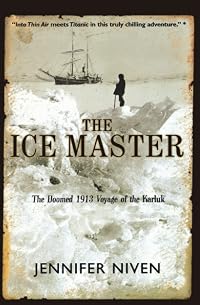
First of all, this isn’t a sequel to Niven’s book, The Ice Master: The Doomed 1913 Voyage of the Karluk, but it is set partially in the same place and features a few of the same people. I haven’t read The Ice Master and I followed this just fine; I do feel that my understanding would have been a bit deeper if I’d read the earlier work first though. I’d recommend taking that approach.
I found this book absolutely fascinating. The remarkable thing about Ada’s survival is that she knew very little about surviving Arctic conditions. She was raised in the village of Nome. She’d seen some Inuit (the preferred term now) elders hunting and employing traditional skills when she was very young but she attended a missionary school, where she learned how to clean houses and sew. She never had the opportunity to learn the ways of her people so she was spectacularly unprepared for the conditions on Wrangel Island. And yet she survived.
My heart ached for this little expedition. The four young men (Lorne Knight, Milton Galle, Fred Maurer, and Allan Crawford) were all in their twenties and boyishly excited to embark on such a grand adventure. Only Knight and Maurer knew anything about Arctic survival. They did their best but when wildlife was scarce and a rescue boat couldn’t get to them because of ice floes the first summer, they didn’t stand a chance. The author includes passages from their diaries and letters from their families reassuring each other that their “boys” must be safe. These were hard to read, knowing that the group was suffering.
Stefansson, the backer of the expedition, is infuriating. He continually tells reporters and the families of the expedition members that the group is safe in the Arctic. He actually wrote a book called The Friendly Arctic, detailing his belief that reports of the inhospitable conditions of the far north are essentially fake news. His theory states that game is abundant and anyone with common sense can survive. What an insult to his young explorers.
The book goes on to describe Ada’s life after her rescue. That’s heartbreaking too. She was a very private person but everywhere she went, reporters recognized her and tried to interview her. Expedition leaders ordered her not to speak to reporters before leaving for the island or else they wouldn’t pay her. She was always afraid to speak to anyone about her experiences after that. She finally spoke out when the man who rescued her published some libelous rumors.
I highly recommend this book if you’re interested in stories of exploration and survival or stories of women history almost forgot. Ada and her other crewmates will earn your respect and admiration. show less
Stefansson sent a group of four young men and Ada Blackjack, a young Eskimo seamstress, to lead the way for colonizing efforts in 1921. (The author chooses to use terminology appropriate to show more the time period.) Russia had claimed Wrangel Island decades earlier but Stefansson felt that his earlier team’s extended occupation of the island called that claim into question. The 1921 team was too small, too untrained, and didn’t find the same amount of wildlife that the earlier crew did. When rescuers finally made their way to the island two years later, Ada Blackjack was the only person who had survived. Ada only told her story publicly one time but Niven has pieced together primary source material, newspaper articles, and interviews with one of Ada’s sons to present a record of that harrowing voyage.
First of all, this isn’t a sequel to Niven’s book, The Ice Master: The Doomed 1913 Voyage of the Karluk, but it is set partially in the same place and features a few of the same people. I haven’t read The Ice Master and I followed this just fine; I do feel that my understanding would have been a bit deeper if I’d read the earlier work first though. I’d recommend taking that approach.
I found this book absolutely fascinating. The remarkable thing about Ada’s survival is that she knew very little about surviving Arctic conditions. She was raised in the village of Nome. She’d seen some Inuit (the preferred term now) elders hunting and employing traditional skills when she was very young but she attended a missionary school, where she learned how to clean houses and sew. She never had the opportunity to learn the ways of her people so she was spectacularly unprepared for the conditions on Wrangel Island. And yet she survived.
My heart ached for this little expedition. The four young men (Lorne Knight, Milton Galle, Fred Maurer, and Allan Crawford) were all in their twenties and boyishly excited to embark on such a grand adventure. Only Knight and Maurer knew anything about Arctic survival. They did their best but when wildlife was scarce and a rescue boat couldn’t get to them because of ice floes the first summer, they didn’t stand a chance. The author includes passages from their diaries and letters from their families reassuring each other that their “boys” must be safe. These were hard to read, knowing that the group was suffering.
Stefansson, the backer of the expedition, is infuriating. He continually tells reporters and the families of the expedition members that the group is safe in the Arctic. He actually wrote a book called The Friendly Arctic, detailing his belief that reports of the inhospitable conditions of the far north are essentially fake news. His theory states that game is abundant and anyone with common sense can survive. What an insult to his young explorers.
The book goes on to describe Ada’s life after her rescue. That’s heartbreaking too. She was a very private person but everywhere she went, reporters recognized her and tried to interview her. Expedition leaders ordered her not to speak to reporters before leaving for the island or else they wouldn’t pay her. She was always afraid to speak to anyone about her experiences after that. She finally spoke out when the man who rescued her published some libelous rumors.
I highly recommend this book if you’re interested in stories of exploration and survival or stories of women history almost forgot. Ada and her other crewmates will earn your respect and admiration. show less
This was a wonderful book about the ill conceived plan and woefully unprepared members of the 1921 expedition to occupy Wrangel Island in the "friendly" Arctic. Four men and one woman, an Eskimo named Ada Blackjack, set out to claim and occupy the island for Great Britain. One man, Fred Maurer, had been there previously in 1913. They took six months of supplies for a year's stay intending to rely on hunting and trapping to supplement their diet. The expected supply ship did not appear in the summer of 1922. In January of 1923, three of the men set out to go across the ice to Siberia, then on to Nome, AK to arrange for rescue. Ada remained behind with the fourth man who was showing signs of scurvy. Ada never considered herself a hero, show more she did what she had to to survive. The book covered not only the expedition itself, but the many correspondences between the families of the men and the organizer of the expedition. I started the book a while ago and got about 70 pages into the story and put it aside for weeks while reading other things. Yesterday I picked it up again and just read and read and read. show less
The true story of four young men and Ada Blackjack, a 23-year-old Inuit woman, sent by the explorer Vilhalmur Stefansson to settle Wrangel Island, an inhabited spot of land in the Arctic Circle.
Stefansson believed the Arctic could be colonized with ease and sent others to do it for him. The result, not surprisingly, was tragic disaster. Trying to live off the land, the expeditionary party on Wrangel soon begins to starve. And Ada ends up having to survive alone.
The book focuses on Ada as a person and as a representative of the exploitation and condescension women and the Inuit faced in the first half of the 20th century. Long on adventure and, thankfully, short on polemic.
Stefansson believed the Arctic could be colonized with ease and sent others to do it for him. The result, not surprisingly, was tragic disaster. Trying to live off the land, the expeditionary party on Wrangel soon begins to starve. And Ada ends up having to survive alone.
The book focuses on Ada as a person and as a representative of the exploitation and condescension women and the Inuit faced in the first half of the 20th century. Long on adventure and, thankfully, short on polemic.
Incredibly detailed and just plain fascinating. The twists and turns are exactly like a novel---except, of course, that it's a true story, as it says on the cover. The manipulations of those behind the expedition and the eventual rescue of Ada are crushingly disappointing, to put it mildly---greed? Self-promotion for undeserved fame? Sad.
This was a wonderful book about the ill conceived plan and woefully unprepared members of the 1921 expedition to occupy Wrangel Island in the "friendly" Arctic. Four men and one woman, an Eskimo named Ada Blackjack, set out to claim and occupy the island for Great Britain. One man, Fred Maurer, had been there previously in 1913. They took six months of supplies for a year's stay intending to rely on hunting and trapping to supplement their diet. The expected supply ship did not appear in the summer of 1922. In January of 1923, three of the men set out to go across the ice to Siberia, then on to Nome, AK to arrange for rescue. Ada remained behind with the fourth man who was showing signs of scurvy. Ada never considered herself a hero, show more she did what she had to to survive. The book covered not only the expedition itself, but the many correspondences between the families of the men and the organizer of the expedition. I started the book a while ago and got about 70 pages into the story and put it aside for weeks while reading other things. Yesterday I picked it up again and just read and read and read. show less
Members
- Recently Added By
Lists

Top Five Books of 2025
5 works; 1 member
Author Information

16+ Works 10,912 Members
Jennifer Niven writes both fiction and nonfiction books. Her novels for adults include American Blonde, Becoming Clementine, Velva Jean Learns to Fly, and Velva Jean Learns to Drive. Her first book for young adult readers, All the Bright Places, was published in 2015. Holding Up the Universe is her second young adult book. Her nonfiction books show more include The Ice Master, Ada Blackjack, and The Aqua-Net Diaries. (Bowker Author Biography) show less
Jennifer Niven is a LibraryThing Author, an author who lists their personal library on LibraryThing.
Awards and Honors
Distinctions
Notable Lists
Common Knowledge
- Canonical title*
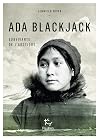
- Ada Blackjack, survivante de l'Arctique
- Original title
- Ada Blackjack : a true story of survival in the Arctic
- Original publication date
- 2003
- People/Characters
- Ada Blackjack; Vilhjalmur Stefansson; Allan Crawford; Fred Maurer; Lorne Knight; Milton Galle
- Important places
- Wrangel Island; Canadian Arctic; Arctic
- Epigraph
- As she looked back, the trail behind her faded away and she was way up in the air, with no man behind her and only smooth trail leading into the sky.
--ADA BLACKJACK
the Lady in the Moon - Dedication
- FOR JACK FAIN MCJUNKIN JR.,
my father --
this one and all the ones to follow
AND FOR BILLY BLACKJACK JOHNSON,
who did so much to make
sure his mother was not forgotten
*Some information comes from Common Knowledge in other languages. Click "Edit" for more information.
Classifications
Statistics
- Members
- 501
- Popularity
- 60,315
- Reviews
- 15
- Rating
- (3.88)
- Languages
- English, French
- Media
- Paper, Audiobook, Ebook
- ISBNs
- 10
- ASINs
- 4