On This Page
Description
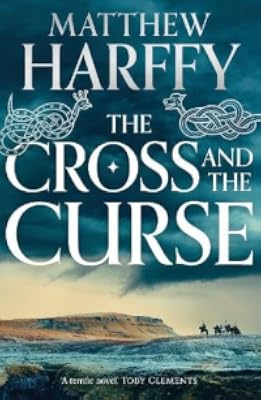
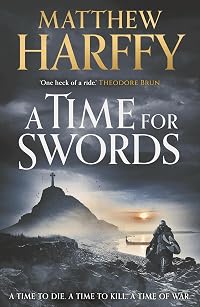
AD 634. Anglo-Saxon Britain. A gripping, action-packed historical thriller and second instalment in The Bernicia Chronicles. Perfect for fans of Bernard Cornwell. Warlords battle across Britain to become the first king of the English. After a stunning victory against the native Waelisc, Beobrand returns a hero. His valour is rewarded with wealth and land by Oswald, king of Northumbria. He retires to his new estate with his bride only to find himself surrounded by enemies old and new. With show more treachery and death on all sides, Beobrand fears he will lose all he holds dear. On a quest for revenge and redemption, he accepts the mantle of lord, leading his men into the darkest of nights and the bloodiest of battles. show lessTags
Recommendations













Member Reviews
This is the second in the author's series of novels set in early Anglo Saxon England featuring the young warrior Beobrand from Kent who is now in Northumbria and serving the new king Oswald based in Bebbanburg (Bamburgh). In reward for his efforts, Beobrand is made a thegn and is given his own land. However, Beobrand faces conflict from his Pictish neighbours and finds his loyalties challenged in various ways, including by the actions of his old rival Wybert. The plot is full of drama and tragedy for our hero, and, once again, I find this more plot driven and with more interesting characters than Bernard Cornwell's Uhtred series, with which this invites inevitable comparisons. I will keep reading this series.
‘The Cross and the Curse’ features a blend of quality battles, tense encounters, and an engaging romantic storyline.
I liked it in the most part, but like with many historical novels, the author puts so much effort into getting the history elements correct that essential creative writing skills are neglected. Main problem being too much ‘telling’ and not enough ‘showing’. Don’t *tell* the reader that a character ‘looked confused’ – *show* it with action, or body language, or a facial expression.
Adverb overuse is another evil, and the biggest problem with adverbs is that they ‘tell’. For example, ‘She made her way quickly’ tells us how the character got from A to B but we don’t see it. ‘She hastened’, She show more rushed’, etc., not only ‘show’ the action, it flows better because it’s more concise.
In ‘shifted uncomfortably’, the adverb isn’t necessary, as ‘shifted’ alone implies the discomfort.
Adverbs are at their most superfluous with this kind of thing: ‘more firmly’ and ‘drinking more deeply than usual’, whereas ‘firmer’ and ‘drinking deeper than usual’ convey the meaning with a concise verb.
Adverbs are wasted words in instances like this: ‘vomited noisily’ – is vomiting ever a quiet occupation?
Also, to describe a monk as being ‘clearly frustrated’ is telling at its worst. In fiction, if you use ‘clearly’ or ‘obviously’, be assured that you’re not ‘showing’ the reader anything.
Free-indirect speech is also absent in lines like: ‘He knew there was nothing he could do to help.’ This quote also uses the passive ‘there was’, which, as writers who study English style know, should always be avoided. The active version to the above passive sentence, which also incorporates free-indirect speech, is: ‘He could do nothing to help.’
Two style issues that irritated me are the overuse of ‘then’ (to state what happens next), and ‘had’ (past perfect).
To keep using ‘then’ is lazy and unimaginative. It’s fine in children’s books, but for gritty historical fiction I expect more imagination. Most can be cut, the rest replaced.
The frequent use of ‘had’ in the past perfect tense is something all authors should avoid, as it reports on the scene as opposed to taking the reader into the action as it unfolds. The odd 'had' is inevitable, but in this book it’s consistent, even though it would've been easy to cut them down.
For starters, this narrative is in the past tense, so ‘had’ should only be used if a sentence sounds odd without it. For example, ‘He had said’ works fine as ‘he said’ because ‘said’ is in the past tense. ‘She had sat down’ works better as ‘She sat down’ because ‘sat’ is past tense. If a scene that has past is being recalled, all that’s needed is to inform the reader that these events have already happened, after which the frequent use of ‘had’ is unnecessary.
On the plus side, this author uses some excellent similes. I was impressed with his creativity in this department. Also, he recreates the period well, making me feel like I’m in the seventh century.
So, despite the criticisms, I liked this novel well enough to read the next in the series. show less
I liked it in the most part, but like with many historical novels, the author puts so much effort into getting the history elements correct that essential creative writing skills are neglected. Main problem being too much ‘telling’ and not enough ‘showing’. Don’t *tell* the reader that a character ‘looked confused’ – *show* it with action, or body language, or a facial expression.
Adverb overuse is another evil, and the biggest problem with adverbs is that they ‘tell’. For example, ‘She made her way quickly’ tells us how the character got from A to B but we don’t see it. ‘She hastened’, She show more rushed’, etc., not only ‘show’ the action, it flows better because it’s more concise.
In ‘shifted uncomfortably’, the adverb isn’t necessary, as ‘shifted’ alone implies the discomfort.
Adverbs are at their most superfluous with this kind of thing: ‘more firmly’ and ‘drinking more deeply than usual’, whereas ‘firmer’ and ‘drinking deeper than usual’ convey the meaning with a concise verb.
Adverbs are wasted words in instances like this: ‘vomited noisily’ – is vomiting ever a quiet occupation?
Also, to describe a monk as being ‘clearly frustrated’ is telling at its worst. In fiction, if you use ‘clearly’ or ‘obviously’, be assured that you’re not ‘showing’ the reader anything.
Free-indirect speech is also absent in lines like: ‘He knew there was nothing he could do to help.’ This quote also uses the passive ‘there was’, which, as writers who study English style know, should always be avoided. The active version to the above passive sentence, which also incorporates free-indirect speech, is: ‘He could do nothing to help.’
Two style issues that irritated me are the overuse of ‘then’ (to state what happens next), and ‘had’ (past perfect).
To keep using ‘then’ is lazy and unimaginative. It’s fine in children’s books, but for gritty historical fiction I expect more imagination. Most can be cut, the rest replaced.
The frequent use of ‘had’ in the past perfect tense is something all authors should avoid, as it reports on the scene as opposed to taking the reader into the action as it unfolds. The odd 'had' is inevitable, but in this book it’s consistent, even though it would've been easy to cut them down.
For starters, this narrative is in the past tense, so ‘had’ should only be used if a sentence sounds odd without it. For example, ‘He had said’ works fine as ‘he said’ because ‘said’ is in the past tense. ‘She had sat down’ works better as ‘She sat down’ because ‘sat’ is past tense. If a scene that has past is being recalled, all that’s needed is to inform the reader that these events have already happened, after which the frequent use of ‘had’ is unnecessary.
On the plus side, this author uses some excellent similes. I was impressed with his creativity in this department. Also, he recreates the period well, making me feel like I’m in the seventh century.
So, despite the criticisms, I liked this novel well enough to read the next in the series. show less
Absolute quality.
I have now read several books by this excellent author, and thoroughly enjoyed everyone. Brilliantly written with characters and events that leap of the page and seem so real. Always atmospheric clever descriptive and totally engaging from first to last page. As stated in the Authors notes this is an historical fiction story, but nevertheless it's obvious the writer does plenty of research, and cleverly mixed the fictional and real characters and events. This book was a little shy on the action side than previous reads, but nevertheless is completely and utterly recommended.
I have now read several books by this excellent author, and thoroughly enjoyed everyone. Brilliantly written with characters and events that leap of the page and seem so real. Always atmospheric clever descriptive and totally engaging from first to last page. As stated in the Authors notes this is an historical fiction story, but nevertheless it's obvious the writer does plenty of research, and cleverly mixed the fictional and real characters and events. This book was a little shy on the action side than previous reads, but nevertheless is completely and utterly recommended.
Ratings
Members
- Recently Added By
Lists

Library Historical Fiction
163 works; 1 member
Author Information

21 Works 492 Members
Series

Work Relationships
Is contained in
Common Knowledge
- Canonical title
- The Cross and the Curse
Classifications
Statistics
- Members
- 53
- Popularity
- 576,174
- Reviews
- 3
- Rating
- (4.25)
- Languages
- English
- Media
- Paper, Ebook
- ISBNs
- 5
- ASINs
- 2