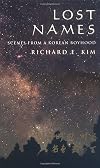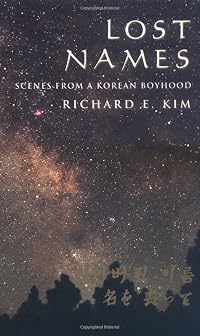
Lost Names: Scenes from a Korean Boyhood
by Richard E. Kim
On This Page
Description
In this classic tale, Richard E. Kim paints seven vivid scenes from a boyhood and early adolescence in Korea at the height of the Japanese occupation, 1932 to 1945. Taking its title from the grim fact that the occupiers forced the Koreans to renounce their own names and adopt Japanese names instead, the book follows one Korean family through the Japanese occupation to the surrender of the Japanese empire. Lost Names is at once a loving memory of family and a vivid portrayal of life in a time show more of anguish. show lessTags
Recommendations


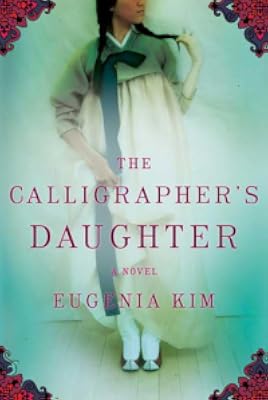


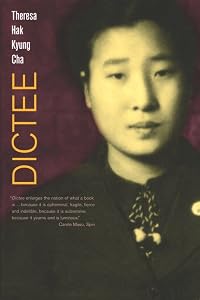



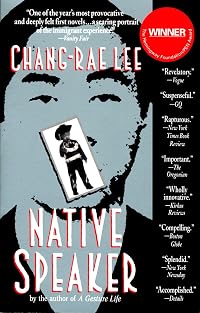
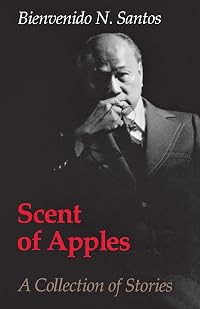


Member Reviews
I remember books that make me cry. This is one of them, specifically the chapter where the family dresses in traditional clothes and goes to the burial plot of their ancestors to apologize for having "lost"/given up the family name. Yes, this is written with YA in mind, but I will capture some of the words used in other reviews: poignant and compelling. Richard Kim obviously has a point of view (yes, it's autobiographical and some might even call it a memoir), but he does not portray the Japanese as monsters--even though their tyranny and cruelty is crystal clear. This book deserves much wider recognition with its portrayal of solidarity and perseverance in the face of hardships few of us can otherwise imagine.
North Korea
A fictionalized memoir, by which I assume the author means what Lucy Grealy did in Autobiography of a Face--the people and events are real, but the conversations and other aspects of the text are not. Kim describes the events of World War II from the perspective of a North Korean family under Japanese occupation. This includes the gradual erosion of Korean culture, including the mandate to discard Korean names. In the contemporary U.S., we do not tend to remember the perceptions of the Japanese held by the generation that came of age during the war; Kim reminds us of those images. Kim writes well and the narrative flows easily. I'd like to read Kang Chol Hwan's Aquariums of Pyongyang to extend my knowledge of North Korea with show more a more contemporary account. show less
A fictionalized memoir, by which I assume the author means what Lucy Grealy did in Autobiography of a Face--the people and events are real, but the conversations and other aspects of the text are not. Kim describes the events of World War II from the perspective of a North Korean family under Japanese occupation. This includes the gradual erosion of Korean culture, including the mandate to discard Korean names. In the contemporary U.S., we do not tend to remember the perceptions of the Japanese held by the generation that came of age during the war; Kim reminds us of those images. Kim writes well and the narrative flows easily. I'd like to read Kang Chol Hwan's Aquariums of Pyongyang to extend my knowledge of North Korea with show more a more contemporary account. show less
This book was required reading for a class that I didn't like, so it had two strikes against it already when I started it. I wasn't expecting much out of Lost Names, and because of this I was pleasantly surprised when it turned out to be an decent story about living in Korea during Japanese occupation. However, aside from a few lines of good prose, the book is very much tailored to young adults (the narrator is a child and the writing is very simple) who don't know much about the time and place covered in the novel (as in not college students who have been studying this stuff for four years). I'm neither of these things so this book was not for me.
Lost Names is a simple, unchallenging piece of fiction. I cut through it in a few hours show more and will probably forget that I ever read it within a few months. show less
Lost Names is a simple, unchallenging piece of fiction. I cut through it in a few hours show more and will probably forget that I ever read it within a few months. show less
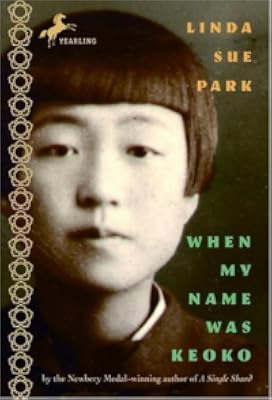
LIfe of a Korean boy south of Pyongyang during the harshest era of the Japanese Occupation, 1930-1945. Farming family with apple orchard and father is a political activist. History is plaintively inserted in a present-tense narrative that descries vivid scenes of school days, family life, infringement of Japanese mores into Korean traditional rural life, and how the language seeped into Korean culture. A precursor to WHEN MY NAME WAS KEOKO, by Linda Sue Park?
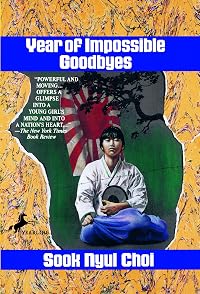
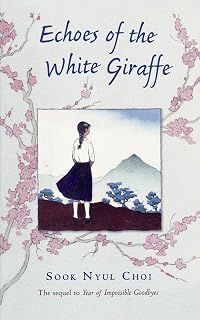
This is a compelling tale of occupied Korea. It is largely autobiographica so can be treated as a primary source. It pairs well with "Year of Impossible Goodbyes" by Sook Nyul Choi. The protagonist in Lost Names is a boy, while a girl "stars" in "Year of Impossible Goodbyes".
A review of "Lost Names" providing substantial background info about the author is available from Education about Asia, http://www.aasianst.org/EAA/lostname.htm
A review of "Lost Names" providing substantial background info about the author is available from Education about Asia, http://www.aasianst.org/EAA/lostname.htm
Story: 7.5 / 10
Characters: 7
Setting: 9.0
Prose: 7.5
Note that the Author's Preface contains lengthy excerpts from the book. I would suggest skipping it altogether. It's main themes are how publishers describe Kim, namely as American, or Korean, as well as the concept of Han. I read the preface after finishing the book. The Author's Note was far more interesting.
Characters: 7
Setting: 9.0
Prose: 7.5
Note that the Author's Preface contains lengthy excerpts from the book. I would suggest skipping it altogether. It's main themes are how publishers describe Kim, namely as American, or Korean, as well as the concept of Han. I read the preface after finishing the book. The Author's Note was far more interesting.
Poignant novel of Korean sorrows under Japanese occupation (1910 - 1945); the title derives from Japanese requirement that Koreans take Japanese names.
Members
- Recently Added By
Lists

Beautiful Feet Books
304 works; 7 members
Author Information
4+ Works 332 Members
Awards and Honors
Distinctions
Notable Lists
Classifications
Statistics
- Members
- 218
- Popularity
- 149,655
- Reviews
- 7
- Rating
- (3.91)
- Languages
- English
- Media
- Paper, Ebook
- ISBNs
- 8
- ASINs
- 2