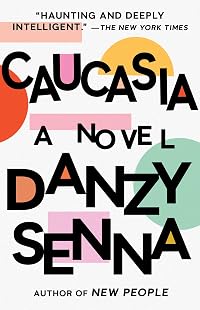
Caucasia
by Danzy Senna
On This Page
Description
From the author of New People and Colored Television, the extraordinary national bestseller that launched Danzy Senna’s literary career“Superbly illustrates the emotional toll that politics and race take … Haunting.” —The New York Times Book Review
Birdie and Cole are the daughters of a black father and a white mother, intellectuals and activists in the Civil Rights Movement in 1970s Boston. The sisters are so close that they speak their own language, yet Birdie, with her light show more skin and straight hair, is often mistaken for white, while Cole is dark enough to fit in with the other kids at school. Despite their differences, Cole is Birdie’s confidant, her protector, the mirror by which she understands herself. Then their parents’ marriage collapses. One night Birdie watches her father and his new girlfriend drive away with Cole. Soon Birdie and her mother are on the road as well, drifting across the country in search of a new home. But for Birdie, home will always be Cole. Haunted by the loss of her sister, she sets out a desperate search for the family that left her behind.
A modern classic, Caucasia is at once a powerful coming of age story and a groundbreaking work on identity and race in America. show less
Tags
Recommendations




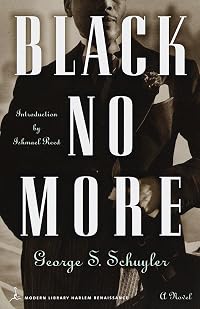

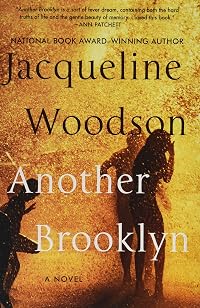
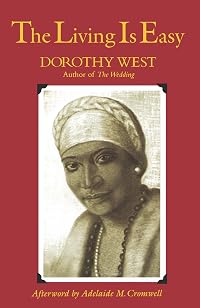
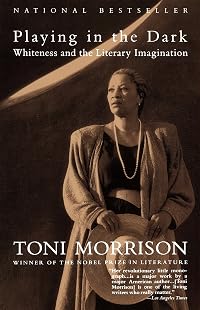
Member Reviews
This book has been on my TBR for years, nearly forgotten, until I read an interview with Percival Everett where he mentioned that Senna is his wife, and according to him the funny one in the family. I hate to admit that I finally picked up this book because of Senna's spouse, but it is true -- not because she married well, but because I trust Everett's taste in literature without question and I assume he would not marry a bad writer. This is illogical, but I am a romantic. In this case, it also appears I am 100% correct. Senna is a wonderful writer and has a unique perspective, a sharp dry wit, and an eye for finding pathos in the most unexpected places. I also love that Senna is not afraid to leave giant questions to the reader, if you show more are afraid of ambiguity this is not for you. This book lives in that gray truth, that everyone is experiencing everything differently, that you can be sitting beside someone having an experience, and only parts of it are shared, most of the experience is what each unique person brings to the moment.
I don't want to talk too much about the story because I don't think I can do that without ruining some of its surprises, but I will share the setup. We see this story through the eyes of Birdie Lee, the youngest daughter of an interracial couple in 1960s Boston. Her parents are both involved in the Black Power movement, her Black father as an academic and her White mother as a committed if erratic revolutionary running from her Boston Brahmin past. Birdie and her sister Cole are collateral damage as their parents' marriage and the Black Power movement implode. Cole is dark-skinned and nappy-haired (the only family member able to pick out a decent afro) and Birdie is light-skinned and straight-haired, with people assuming she is Sicilian, Puerto Rican, and Jewish in different parts of the story. Their lives after the implosion (and to a lesser extent even before the implosion) are defined in many ways by the way people perceive their race. It was interesting how Senna ground the "race is a construct" discussion under her heel because for these purposes, for these little girls, it just does not matter if it is a construct, it is their reality and the world makes them choose up sides, or more accurately the world chooses for them. They create an alternate world and language, Elemeno, where there is no such thing as race, and where everyone can transform at will, but sadly they are the only two who live there.
This is where I am going to stop talking about what happens in the story, though for those interested I am sure other reviews cover it. I have not read other reviews, and I enjoyed being surprised by the way the story rolled out. I will say that the story places Birdie in different environments, and those changes impact everything about her life. I liked seeing how race was a sort of aggravating factor in other experiences and facts such as physically maturing, being the new kid in school, connecting to romantic partners, and pursuing academic success.
Ultimately I found this story challenging and moving and also really engrossing. Birdie is a great companion to travel with. She is wise and a bit world-weary but she is also a child and Senna never loses sight of that. show less
I don't want to talk too much about the story because I don't think I can do that without ruining some of its surprises, but I will share the setup. We see this story through the eyes of Birdie Lee, the youngest daughter of an interracial couple in 1960s Boston. Her parents are both involved in the Black Power movement, her Black father as an academic and her White mother as a committed if erratic revolutionary running from her Boston Brahmin past. Birdie and her sister Cole are collateral damage as their parents' marriage and the Black Power movement implode. Cole is dark-skinned and nappy-haired (the only family member able to pick out a decent afro) and Birdie is light-skinned and straight-haired, with people assuming she is Sicilian, Puerto Rican, and Jewish in different parts of the story. Their lives after the implosion (and to a lesser extent even before the implosion) are defined in many ways by the way people perceive their race. It was interesting how Senna ground the "race is a construct" discussion under her heel because for these purposes, for these little girls, it just does not matter if it is a construct, it is their reality and the world makes them choose up sides, or more accurately the world chooses for them. They create an alternate world and language, Elemeno, where there is no such thing as race, and where everyone can transform at will, but sadly they are the only two who live there.
This is where I am going to stop talking about what happens in the story, though for those interested I am sure other reviews cover it. I have not read other reviews, and I enjoyed being surprised by the way the story rolled out. I will say that the story places Birdie in different environments, and those changes impact everything about her life. I liked seeing how race was a sort of aggravating factor in other experiences and facts such as physically maturing, being the new kid in school, connecting to romantic partners, and pursuing academic success.
Ultimately I found this story challenging and moving and also really engrossing. Birdie is a great companion to travel with. She is wise and a bit world-weary but she is also a child and Senna never loses sight of that. show less
I know I’ve read a great book when I can’t stop thinking about it. Initially, this book captured my interest because I share some similar history. As an African American teenager living in Cambridge during the 70s, I remember that exciting and passionate time of Black Power and revolution.
The characters in this book are so well made; I could pick them out in a crowd. Between Deck and Sandy Lee, we get an excellent sense of the jumble of idealism, didactic bravado, conflicting and overlapping ideologies, and drama of people trying to understand themselves as individuals and members of a troubled society. Unfortunately, their daughters get lost in the shuffle. The parents seem to forget that their daughters are kids and not just part show more of some noble experiment. Through younger daughter Birdie’s eyes, we see the larger implications of ashy knees and hair that won’t stay in cornrows while the sisters struggle with their identities and a place to belong as racially mixed children.
Senna puts the Lee family in an unusual situation and we watch what happens. Radical mom goes undercover to escape the CIA and takes Birdie, the white looking daughter, with her because they are a color match. Birdie, who worked so hard to fit in as black kid must now pass for white.
This book puts a human face to abstract issues of race and class. We feel everything through Birdie. As our country limps along, trying not to deal with race and class—our most crippling issues—works of fiction like Caucasia can help us get into the heads of others and begin to understand what it’s like. show less
The characters in this book are so well made; I could pick them out in a crowd. Between Deck and Sandy Lee, we get an excellent sense of the jumble of idealism, didactic bravado, conflicting and overlapping ideologies, and drama of people trying to understand themselves as individuals and members of a troubled society. Unfortunately, their daughters get lost in the shuffle. The parents seem to forget that their daughters are kids and not just part show more of some noble experiment. Through younger daughter Birdie’s eyes, we see the larger implications of ashy knees and hair that won’t stay in cornrows while the sisters struggle with their identities and a place to belong as racially mixed children.
Senna puts the Lee family in an unusual situation and we watch what happens. Radical mom goes undercover to escape the CIA and takes Birdie, the white looking daughter, with her because they are a color match. Birdie, who worked so hard to fit in as black kid must now pass for white.
This book puts a human face to abstract issues of race and class. We feel everything through Birdie. As our country limps along, trying not to deal with race and class—our most crippling issues—works of fiction like Caucasia can help us get into the heads of others and begin to understand what it’s like. show less
A stunning look into the life of a young mixed-race girl as she tries to find her place in her family, the world, and within herself. Set in the 1970s and early 80s, Birdie's journey from 8 year old girl to 15 year old young woman, growing up in a highly politicized household is an extraordinarily candid look at both what race is as well as realizing that race is nothing but a society constructed idea. Beautifully executed, Senna's characters are human and flawed in a way that makes them identifiable and empathetic, even when it is sometimes difficult to like them.
One of my favorite books of all time--tied for second place with She's Come Undone by Wally Lamb. This convincing, contemporary "coming of age" story about a girl who is technically both "black" and "white" will draw you in and prompt you to think critically about the idea of "race." Narrated from the perspective of a strong girl who doesn't play the victim of race wars but rather wishes she could, I left this novel with contentment rather than outrage for the injustices committed by "the white man" like I usually do!
I LOVE this novel and could read it again and again. I laughed and cried throughout.
I LOVE this novel and could read it again and again. I laughed and cried throughout.
Birdie/Jesse is an unforgettable narrator whose experience has both toughened her and made her mistrustful of outsiders, yet she also desperately wants to belong in any way she can. This book is intended for adults but will appeal to many teens. Birdie's search for belonging, her struggles with family, her mixed heritage, and the trials of being a teen will be painfully familiar not only to teens of mixed race, but to any teen who has ever searched for identity and belonging in a complex world.
Well-written interresting book mainly about a family with a Black father and a Caucasian mother. The difficulties faced by the two daughters (one who appears white) provided much information. the book sometimes became tedious with the mother on the run from the FBI, but I did care about the characters.
I want to say that Danzy Senna writes about the margins of race. Does that convey what I'm thinking? Towards the end of her novel, Caucasia, several characters discuss whether or not race really exists. Is it something real, or just something society has constructed?
This question is vitally important to Birdie Lee, the narrator of Danzy Senna's novel Caucasia. Birdie's mother is white, the daughter of Boston Brahmans, born to wealth and priviledge. Her father is black, an academic and radical who teaches at Harvard. Birdie looks white like her mother. Her older sister, Cole, looks black like her father.
While Birdie is favored by their rich white grandmother who only refers to Cole as your sister, Cole is favored by their father and by show more many of their black family and friends. The novel is set during the fading years of the 1960's and 70's Black Power movement which both of Birdie's parents are heavily involved in. They send their daughters to an all black school with a Pan-African curriculum. In spite of her nearly white skin, Birdie is basically raised as a black girl.
When her mother goes into hiding to escape the F.B.I. who want her for her involvement with violent radical groups she takes Birdie along. Her father keeps Cole. Years go by and Birdie never hears from either. Meanwhile, her mother gives her a new identity, as a Jewish girl named Jesse. The two settle down in rural New Hampshire where Birdie finds a kind of normalcy attending the local public schools and making friends with the white girls she meets there.
Because they think she is white the people she meets, even her close friends, feel free to openly be their racist selves. Since she believes her mother will be in danger if anyone ever finds out who she really is, Birdie must keep quite while her classmates make fun of the only black girl in the school and while her mother's boyfriend makes a casual remark unaware of how racist he is.
But none of this is why I like Caucasia so much. At its heart Caucasia is a book about family. What makes the first half work so well is the wonderful relationship between Birdie and her sister Cole. The two are fully drawn, complex believable characters, but there is a fantastic element to them, something kind of magic. Big sisters protect little ones, little sisters look up to big ones, but these two have a secret language. Their bond goes much deeper than blood, certainly deeper than skin color.
Once Birdie and her mother go underground together, the novel becomes a mother/daughter story. This bond is certainly deep, but it's not as wonderful. Birdie's mother is not someone who can be completely trusted. We never know what she did, in fact we soon begin to suspect that the only F.B.I. agents chasing her may be in her head. Birdie loves her, as any child loves her mother, but her love includes a healthy dose of hate. Did her mother only take her along because she couldn't go into hiding with a black daughter? Was Birdie her second choice? The second half of the novel is a portrait of this mother/daughter pairing. I was reminded of Mona Simpson's wonderful novel Anywhere but Here. Like that novel, I found reading Caucasia to be like spending time with friends. My favorite kind of character driven novel. show less
This question is vitally important to Birdie Lee, the narrator of Danzy Senna's novel Caucasia. Birdie's mother is white, the daughter of Boston Brahmans, born to wealth and priviledge. Her father is black, an academic and radical who teaches at Harvard. Birdie looks white like her mother. Her older sister, Cole, looks black like her father.
While Birdie is favored by their rich white grandmother who only refers to Cole as your sister, Cole is favored by their father and by show more many of their black family and friends. The novel is set during the fading years of the 1960's and 70's Black Power movement which both of Birdie's parents are heavily involved in. They send their daughters to an all black school with a Pan-African curriculum. In spite of her nearly white skin, Birdie is basically raised as a black girl.
When her mother goes into hiding to escape the F.B.I. who want her for her involvement with violent radical groups she takes Birdie along. Her father keeps Cole. Years go by and Birdie never hears from either. Meanwhile, her mother gives her a new identity, as a Jewish girl named Jesse. The two settle down in rural New Hampshire where Birdie finds a kind of normalcy attending the local public schools and making friends with the white girls she meets there.
Because they think she is white the people she meets, even her close friends, feel free to openly be their racist selves. Since she believes her mother will be in danger if anyone ever finds out who she really is, Birdie must keep quite while her classmates make fun of the only black girl in the school and while her mother's boyfriend makes a casual remark unaware of how racist he is.
But none of this is why I like Caucasia so much. At its heart Caucasia is a book about family. What makes the first half work so well is the wonderful relationship between Birdie and her sister Cole. The two are fully drawn, complex believable characters, but there is a fantastic element to them, something kind of magic. Big sisters protect little ones, little sisters look up to big ones, but these two have a secret language. Their bond goes much deeper than blood, certainly deeper than skin color.
Once Birdie and her mother go underground together, the novel becomes a mother/daughter story. This bond is certainly deep, but it's not as wonderful. Birdie's mother is not someone who can be completely trusted. We never know what she did, in fact we soon begin to suspect that the only F.B.I. agents chasing her may be in her head. Birdie loves her, as any child loves her mother, but her love includes a healthy dose of hate. Did her mother only take her along because she couldn't go into hiding with a black daughter? Was Birdie her second choice? The second half of the novel is a portrait of this mother/daughter pairing. I was reminded of Mona Simpson's wonderful novel Anywhere but Here. Like that novel, I found reading Caucasia to be like spending time with friends. My favorite kind of character driven novel. show less
Members
- Recently Added By
Published Reviews
added by doomjesse
Lists

A Boston Reading List
120 works; 10 members

Recommend the 20 best books you've read in the last five years
2,168 works; 606 members

Blue Pyramid 1,276 Best Books of All Time
1,248 works; 32 members

Top Five Books of 2017
757 works; 230 members

Racial identity
13 works; 1 member
Author Information

6+ Works 2,235 Members
Danzy Senna hold the Jenks Chair of Contemporary American Letters at the College of the Holy Cross in Worcester, Massachusetts.
Awards and Honors
Common Knowledge
- Canonical title
- Caucasia
- Alternate titles
- From Caucasia, With Love
- Original publication date
- 1998
- Important places
- Boston, Massachusetts, USA
Classifications
Statistics
- Members
- 1,084
- Popularity
- 23,556
- Reviews
- 26
- Rating
- (3.96)
- Languages
- 5 — Dutch, English, French, German, Italian
- Media
- Paper, Audiobook, Ebook
- ISBNs
- 22
- ASINs
- 7