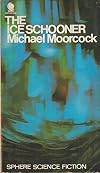
The Ice Schooner
by Michael Moorcock
Sailing to Utopia (1), Travelling to Utopia (book 2), The Eternal Champion (Travelling to Utopia book 2)
On This Page
Tags
Recommendations

















Member Reviews
Aus dem Bücherregal meines Vaters, erstmals erschienen 1969, also genauso alt wie ich!
Interessante Prämisse, aber man merkt dem Buch sein (unser) Alter an, Charaktere, Plot und Pacing haben doch etwas deutlich antiquiertes. Trotz alledem lesenswert als Beispiel dystopischer SciFi Literatur der späten 60er Jahre.
Einzige bange Frage, die noch bleibt: bin ich genauso antiquiert wie dieses Büchlein?
Interessante Prämisse, aber man merkt dem Buch sein (unser) Alter an, Charaktere, Plot und Pacing haben doch etwas deutlich antiquiertes. Trotz alledem lesenswert als Beispiel dystopischer SciFi Literatur der späten 60er Jahre.
Einzige bange Frage, die noch bleibt: bin ich genauso antiquiert wie dieses Büchlein?
The Day After Tomorrow meets Moby Dick. Underrated Moorcock novel set in a far-future icehouse earth where humanity seemingly regressed to an "ice-faring" civilization based on whale hunting, and where metropolises like New York are stuff of legends and mythology.
This is a stand-alone story and can be read without reading any other Moorcock novel. Konrad Arflane is mentioned only once in [b:The Eternal Champion|30097|The Eternal Champion (Eternal Champion, #1)|Michael Moorcock|https://i.gr-assets.com/images/S/compressed.photo.goodreads.com/books/1168051414l/30097._SY75_.jpg|970484] for reasons I won't get into due to their potentially spoiler-y nature. In general this is a decent gateway to the rest of the MM/EC universe and makes we show more want to read the rest of the stories. show less
This is a stand-alone story and can be read without reading any other Moorcock novel. Konrad Arflane is mentioned only once in [b:The Eternal Champion|30097|The Eternal Champion (Eternal Champion, #1)|Michael Moorcock|https://i.gr-assets.com/images/S/compressed.photo.goodreads.com/books/1168051414l/30097._SY75_.jpg|970484] for reasons I won't get into due to their potentially spoiler-y nature. In general this is a decent gateway to the rest of the MM/EC universe and makes we show more want to read the rest of the stories. show less
Konrad Arflane is in a tight spot - he's an ice ship captain without a ship. His last ship was sold out from underneath him to a rival city and he was left without a command. So, in keeping with the ethos of this post-apocalyptic world, he heads out into the barren ice fields to try to discern the Ice Mother's will. While there, he encounters a man alone on the ice - dying. In rescuing the man, he goes against tradition - risking himself for another. From that point on, he finds himself constantly acting against the defined norms of his civilization - helping others, adultery, cruelty, butting his nose into other people's business, and pride. Is all this a test constructed by the Ice Mother to ensure that he's worthy of entering her show more inner sanctum? Or is it something far different? A harbinger of change on a massive, fundamental scale that signals the end of this nuclear war-sparked ice age? The answers to these questions can only be found in the mythical heart of the Ice Mother's realm - New York.
This book doesn't have most of the Eternal Champion feel to it. Arflane may be an aspect of the Champion, but if so, then he spends most of his time feeling sorry for himself... which, I guess, is one characteristic of the Champion. He finds himself immediately smitten by another man's wife, so he spends most of the book either pining for the girl, or morbidly guilty that he got her... Hmm... that, too, seems characteristic of the Champion... And at the end of the book, our hero, instead of going back with his woman to start a new round of fighting, chooses to head off, alone, into the wilderness to seek the Ice Mother. That just doesn't seem heroic enough to be the Champion. Then again, in most of his other incarnations, the Champion wants to lay down the mantle and give up the fight... So maybe the whole thing is fully in line with the Champion - it just didn't seem that way at the time. show less
This book doesn't have most of the Eternal Champion feel to it. Arflane may be an aspect of the Champion, but if so, then he spends most of his time feeling sorry for himself... which, I guess, is one characteristic of the Champion. He finds himself immediately smitten by another man's wife, so he spends most of the book either pining for the girl, or morbidly guilty that he got her... Hmm... that, too, seems characteristic of the Champion... And at the end of the book, our hero, instead of going back with his woman to start a new round of fighting, chooses to head off, alone, into the wilderness to seek the Ice Mother. That just doesn't seem heroic enough to be the Champion. Then again, in most of his other incarnations, the Champion wants to lay down the mantle and give up the fight... So maybe the whole thing is fully in line with the Champion - it just didn't seem that way at the time. show less
Moorcock writes a gripping narrative. As adventures go this one kept my attention and I was keen to enjoy the journey as much as the destination.
There's not a lot to criticise about the book, other than that the ending was a little too easy and a touch disappointing. But not so much that it took away too much from the rest of the story.
This is the first Moorcock book I've read and I'm sufficiently impressed by his writing to want to read more of his work.
There's not a lot to criticise about the book, other than that the ending was a little too easy and a touch disappointing. But not so much that it took away too much from the rest of the story.
This is the first Moorcock book I've read and I'm sufficiently impressed by his writing to want to read more of his work.
Classic Michael Moorcock fantasy, with sailing ships that sail across the ice, sword fighting, and more.
Loved this book, when I first read it. Not sure the five stars would hold up today.
Een op zichzelf staand verhaal, gepubliceerd in 1969, pure avontuurlijke fantasy met een rauw randje zoals ik ook van Michael Moorcock gewend ben. Al is het in vergelijking met zijn Eternal Champion boeken bijna een boek voor watjes te noemen.
De wereld is bevroren en bestaat in de Nieuwe IJstijd. Het leven is hard. Niet alleen wegens de kou en de steeds minder wordende prooien zoals de landwalvissen maar ook door de politieke omstandigheden waarbij je het best naar je stand kunt handelen om aframmeling of doding te voorkomen. Konrad Arflane (ongebruikelijke naam voor Engelstaligen en toch klinkt het natuurlijk zoals alle namen in het boek, wat te denken van Petchnyoff) wordt door omstandigheden ondanks zijn afkomst kapitein van een show more IJsschoener om aan de wil van een gestorven heerser te voldoen. Het doel is New York. Een stad waarvan niemand gelooft dat het (nog) bestaat.
Meer wil ik niet over het verhaal vertellen maar ik wilde hiermee wel de context schetsen van het ijskoude avontuur waarin Konrad Arflane zich werpt. Passie, morele waarden, eer, standvastig geloof in de IJsmoeder, rituelen, drank, jaloezie. Het komt allemaal aan bod. Met als klap op de vuurpijl een ontknoping waar je aan het begin van het verhaal niet aan had durven denken.
Oké, oké, ik ben bevooroordeeld omdat Michael Moorcock mijn lievelingsschrijver is. Toch heeft hij me met dit kleine juweeltje wederom niet teleurgesteld. Het is vlot geschreven, heeft een kop, middenstuk en eind en is daarmee een mooi afgerond geheel. Inmiddels bijna een zeldzaamheid geworden in de science fantasy wereld.
Een klein ander persoonlijk detail is dat ik ook Moby Dick van Herman Melville aan het lezen ben. Dit gaat ook over varen op een schip en wat het meest opvalt is dat het verschil in vaart tussen deze twee boeken niet groter had kunnen zijn. show less
De wereld is bevroren en bestaat in de Nieuwe IJstijd. Het leven is hard. Niet alleen wegens de kou en de steeds minder wordende prooien zoals de landwalvissen maar ook door de politieke omstandigheden waarbij je het best naar je stand kunt handelen om aframmeling of doding te voorkomen. Konrad Arflane (ongebruikelijke naam voor Engelstaligen en toch klinkt het natuurlijk zoals alle namen in het boek, wat te denken van Petchnyoff) wordt door omstandigheden ondanks zijn afkomst kapitein van een show more IJsschoener om aan de wil van een gestorven heerser te voldoen. Het doel is New York. Een stad waarvan niemand gelooft dat het (nog) bestaat.
Meer wil ik niet over het verhaal vertellen maar ik wilde hiermee wel de context schetsen van het ijskoude avontuur waarin Konrad Arflane zich werpt. Passie, morele waarden, eer, standvastig geloof in de IJsmoeder, rituelen, drank, jaloezie. Het komt allemaal aan bod. Met als klap op de vuurpijl een ontknoping waar je aan het begin van het verhaal niet aan had durven denken.
Oké, oké, ik ben bevooroordeeld omdat Michael Moorcock mijn lievelingsschrijver is. Toch heeft hij me met dit kleine juweeltje wederom niet teleurgesteld. Het is vlot geschreven, heeft een kop, middenstuk en eind en is daarmee een mooi afgerond geheel. Inmiddels bijna een zeldzaamheid geworden in de science fantasy wereld.
Een klein ander persoonlijk detail is dat ik ook Moby Dick van Herman Melville aan het lezen ben. Dit gaat ook over varen op een schip en wat het meest opvalt is dat het verschil in vaart tussen deze twee boeken niet groter had kunnen zijn. show less
Mar 30, 2013Dutch
Members
- Recently Added By
Lists

La Bibliothèque idéale de la SF (Éditions Albin Michel, 1988)
52 works; 1 member
Author Information

659+ Works 65,235 Members
Michael Moorcock, 1939 - Writer Michael Moorcock was born December 18, 1939 in Mitcham, Surrey, England. Moorcock was the editor of the juvenile magazine Tarzan Adventures from 1956-58, an editor and writer for the Sexton Blake Library and for comic strips and children's annuals from 1959-61, an editor and pamphleteer for Liberal Party in 1962, show more and became editor and publisher for the science fiction magazine New Worlds in 1964. He has worked as a singer-guitarist, has worked with the rock bands Hawkwind and Blue Oyster Cult and is a member of the rock band Michael Moorcock and the Deep Fix. Moorcock's writing covers a wide range of science fiction and fantasy genres. "The Chronicles of Castle Brass" was a sword and sorcery novel, and "Breakfast in the Ruins: A Novel of Inhumanity" uses the character Karl Glogauer as a different person in different times. Karl participates in the political violence of the French Revolution, the Paris Commune, and a Nazi concentration camp. Moorcock also wrote books and stories that featured the character Jerry Cornelius, who had no consistent character or appearance. "The Condition of Muzak" completed the initial Jerry Cornelius tetralogy and won Guardian Literary Prize in 1977. "Byzantium Endures" and "The Laughter of Carthage" are two autobiographical novels of the Russian emigre Colonel Pyat and were the closest Moorcock came to conventional literary fiction. "Byzantium Endures" focuses on the first twenty years of Pyat's life and tells of his role in the Russian revolution. Pyat survives the revolution and the subsequent civil war by working first for one side and then another. "The Laughter of Carthage" covers Pyat's life from 1920-1924 telling of his escape from Communist Russia and his travels in Europe and America. It's a sweeping picture of the world during the 1920's because it takes the character from living in Constantinople to Hollywood. Moorcock returned to the New Wave style in "Blood: A Southern Fantasy" (1994) and combined mainstream fiction with fantasy in "The Brothel of Rosenstrasse," which is set in the imaginary city of Mirenburg. MoorCock won the 1967 Nebula Award for Behold the Man and the 1979 World Fantasy Award for his novel, Gloriana. (Bowker Author Biography) show less
Some Editions
Series

Sailing to Utopia
4 works (1)

Travelling to Utopia
3 works (book 2)

The Eternal Champion
63 works (Travelling to Utopia book 2)
Belongs to Publisher Series
Work Relationships
Common Knowledge
- Canonical title
- The Ice Schooner
- Original title
- The Ice Schooner
- Original publication date
- 1969
- People/Characters
- Konrad Arflane; Manfred Rorsefne; Ulrica Ulsenn; Kristoff Hinsen; Janek Ulsenn; Urquart (show all 16); Captain Jarhan Brenn; Lord Pyotr Rorsefne; Petchnyoff; Peter Ballantine; Fydur; Rorchenoff; Donal of Kamfor; Haeber; Flatch; Stefan
- Important places
- New York, USA; Brershill; Freisgalt
- Dedication
- For Keith Roberts - master steersman
- First words
- When Konrad Arflane found himself without an ice ship to command, he left the city-crevasse of Brershill and set off on skis across the great ice plateau; he went with the intention of deciding if he should live or die.
- Last words*
- (Click to show. Warning: May contain spoilers.)Sekunden später war nichts mehr von ihm zu sehen.
- Publisher's editor*
- Petersen, Klaus-Dietrich
- Original language*
- Englisch
*Some information comes from Common Knowledge in other languages. Click "Edit" for more information.
Classifications
Statistics
- Members
- 519
- Popularity
- 57,976
- Reviews
- 8
- Rating
- (3.36)
- Languages
- 5 — Dutch, English, French, German, Spanish
- Media
- Paper, Ebook
- ISBNs
- 17
- ASINs
- 14