Voices of the Old Sea
by Norman Lewis
On This Page
Description
After World War II, Norman Lewis returned to Spain and settled in the remote fishing village of Farol, on what is now Costa Brava. Voices of the Old Sea describes his three successive summers in that almost medieval community where life revolved around the seasonal sardine catches, Alcade's bar, and satisfying feuds with neighboring villages.It's lucky Lewis was there when he was. Soon after, Spain was discovered by its neighbors in a more prosperous northern Europe, and the tourist tide show more that ensued flowed inexorably over the old ways of the town and its inhabitants. show lessTags
Recommendations
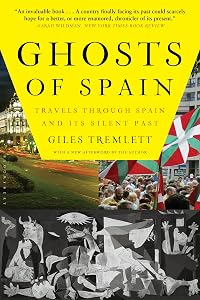
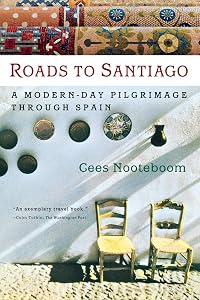

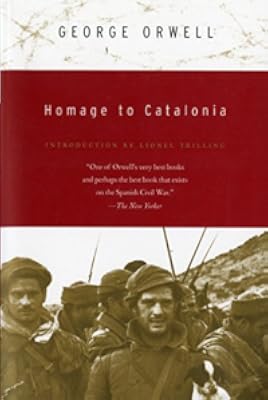





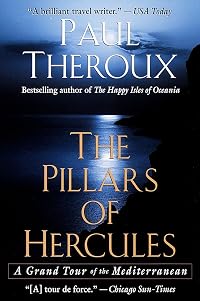






























Member Recommendations

Spain by Jan Morris
by John_Vaughan




Member Reviews
Certainly my favourite of the three Norman Lewis books I've read so far, this covers three consecutive summers in the years post-WWII spent in a pseudonymous fishing village on the Costa Brava, and the effacement within that period of the traditional way of life by easy tourist money. Lewis gradually gets himself accepted by the villagers, joins them on fishing expeditions with line, net, and spear, and writes with his usual effortless grace, precision, and humour of the place and its people.
The cultural oddities of Farol, and its impoverished inland neighbour village of Sort, seem inexhaustible. Farol in general, and its fishermen in particular, are vehemently irreligious, refusing to enter the church or to admit the priest to their show more houses, their bar, or their boats. Leather shoes are absolutely taboo. In the evenings in the bar, the fishermen recount their days at sea (in Castilian, not their habitual Catalan) in extemporised epic coplas which, as reported by Lewis, are of a very high standard. The itinerant wise man/healer/curandero is relied upon not just for medical aid but for dispute resolution and life advice in general, which he accomplishes with astrology, tarot-readings and a folk-pharmacopeia. The local decayed gentleman retains a quasi-feudal relationship with a few peon families who work his land in return for bread and beans. The poverty is as extreme as the quirkiness, exacerbated by subpar sardine harvests and the decimation of the cork plantations, sole resource of Sort, by disease. Marriages are on hold, sex is only allowed at siesta time, and the curandero's marinated sea-sponge contraceptives are in high demand in an effort to limit the number of mouths to feed.
The book turns at the halfway point, when a local black-marketeer on the make moves in and starts splashing the cash to fit Farol out for the nascent package tourism industry.
The sheer eccentricity of Farol and its characters made for a somewhat bumpy ride despite my well-tuned suspension of disbelief. This, combined with the fact that Lewis wrote the book from notes, three decades after the events in it, and the liberties that he's known to have taken (like actually being there with his wife and kid, not as a lone outsider as per the book) meant that I found it hard to shake the suspicion that he'd (a) made up a bunch of stuff and (b) telescoped the timeline of Farol's touristification. It's hard to credit that the near-total eradication of the old ways could have happened in just three years, but he was there and I wasn't, and anyway the moral of the story — that money is a quick-acting drug and the old ways don't die all that hard in the face of it — holds true. Probably best to think of this as fiction-non-fiction and not get hung up on authenticity. It's packed with character and plot, regardless, and ends on an exquisitely-pitched elegiac note that will soften the flintiest of hearts. show less
The cultural oddities of Farol, and its impoverished inland neighbour village of Sort, seem inexhaustible. Farol in general, and its fishermen in particular, are vehemently irreligious, refusing to enter the church or to admit the priest to their show more houses, their bar, or their boats. Leather shoes are absolutely taboo. In the evenings in the bar, the fishermen recount their days at sea (in Castilian, not their habitual Catalan) in extemporised epic coplas which, as reported by Lewis, are of a very high standard. The itinerant wise man/healer/curandero is relied upon not just for medical aid but for dispute resolution and life advice in general, which he accomplishes with astrology, tarot-readings and a folk-pharmacopeia. The local decayed gentleman retains a quasi-feudal relationship with a few peon families who work his land in return for bread and beans. The poverty is as extreme as the quirkiness, exacerbated by subpar sardine harvests and the decimation of the cork plantations, sole resource of Sort, by disease. Marriages are on hold, sex is only allowed at siesta time, and the curandero's marinated sea-sponge contraceptives are in high demand in an effort to limit the number of mouths to feed.
The book turns at the halfway point, when a local black-marketeer on the make moves in and starts splashing the cash to fit Farol out for the nascent package tourism industry.
The sheer eccentricity of Farol and its characters made for a somewhat bumpy ride despite my well-tuned suspension of disbelief. This, combined with the fact that Lewis wrote the book from notes, three decades after the events in it, and the liberties that he's known to have taken (like actually being there with his wife and kid, not as a lone outsider as per the book) meant that I found it hard to shake the suspicion that he'd (a) made up a bunch of stuff and (b) telescoped the timeline of Farol's touristification. It's hard to credit that the near-total eradication of the old ways could have happened in just three years, but he was there and I wasn't, and anyway the moral of the story — that money is a quick-acting drug and the old ways don't die all that hard in the face of it — holds true. Probably best to think of this as fiction-non-fiction and not get hung up on authenticity. It's packed with character and plot, regardless, and ends on an exquisitely-pitched elegiac note that will soften the flintiest of hearts. show less
‘Voices of the Old Sea’ is a humane and affectionate portrait of life in the obscure Catalonian fishing village of Farol shortly after the Second World War. The tone and content reminded me rather of [b:My Family and Other Animals|48132|My Family and Other Animals (Corfu Trilogy, #1)|Gerald Durrell|https://images.gr-assets.com/books/1327885239s/48132.jpg|76682] by Gerald Durrell, as it reads with sympathetic amusement and both a simultaneous sense of solidarity and detachment. Lewis is gradually accepted by the villagers over a period of years and goes fishing with them, whilst acknowledging that he will always be an outsider. He documents the environmental disasters that damage the livelihoods of Farol and its inland neighbour show more Sort. (The villagers are often referred to, rather brilliantly, as the Cat People and the Dog People.) As the forests die and the fish prove elusive, a wealthy black marketeer moves in and tried to turn the area into a tourist resort. The villagers’ affronted and confused responses are both funny and full of pathos. The isolation of Farol cannot survive modern times, so Lewis’ portrait is a bittersweet one. It is lovely to read, though, and like the best travel writing immerses you in a different world. show less
Norman Lewis returns to Spain after World War II, drawn by its spiritual and cultural isolation from the rest of Europe, wanting to experience a way of life in its remotest regions that has remained unchanged since the medieval times. He chose to spend three summers in a village called Farol in Costa Brava, on the northeast coast of the country.
Farol is a tiny, poor fishing community where life revolved around the seasonal sardine catches, the Alcalde's bar, and its feuds with the neighboring village of farmers. Nothing, not even the civil war, had been known to break apart their tiny world and life remains simple and perpetual as the tides of the eastern Mediterranean to which their daily fate is joined. As he gets to know more about show more Farol (also known as the cat village), its colorful and idiosyncratic characters, their customs and folklore, Lewis also gets a glimpse of the "enemy" village -- the peasant community (also known as the dog village) who took care of the thousands of oak trees. On Lewis's second summer, the trees started to show signs of disease, and before long there was no healthy tree standing. The fate and life of these two villages, for all their seeming enmity with each other, are so intertwined that soon enough, the fishing village too felt the decline. Worse, the sardine catches lately had been very poor. The situation was desperate for everybody.
In the meantime, it was observed that some construction was being done on an old, abandoned house. Soon after, a handful of foreigners arrived and and lodged in that house, apparently now converted into a small hotel. More construction, and a busload of tourists later, Farol was on its way to becoming a resort town. Curious, angry, but above all, helpless to stop the wave and having no alternatives, villagers had to struggle between continuing the only way of life they know and love but which was increasingly difficult to sustain, and changing and going with the flow. We know how it ended. What war failed to destroy, mass tourism ruined irrevocably.
Farol's story is not unique, as we are now starkly reminded by travel brochures bombarded on us advertising trip packages in huge hotel complexes, bars and entertainment places up and down the entire Spanish coast that every summer is overran by the tourist hordes. We can be sure that under each of these monstrosities is buried the fishing village that Farol once was. What we want to be acquainted with is that lost village, its singularity, its identity intact and still possessing of a soul.
Lewis does this for us wonderfully without engaging in sentimentality. He brings the past of Farol back to life in a vivid and memorable portrayal that is not short of affection, humor and sympathy. Two events he describes are exceptionally well-written. One is the great sardine fishing to which he had the rare honor as an outsider to be invited, not done in any way you and I would imagine, but with the ritual and ceremony for what amounts to these heretical people (the poor Catholic priest from the neighboring parish has given up on them) as sacred, followed by a violence during the snaring of the fish that is bloody and gracefully choreographed as a ballet. Another unforgettable description he makes is that of spear fishing in the shallower waters. show less
Farol is a tiny, poor fishing community where life revolved around the seasonal sardine catches, the Alcalde's bar, and its feuds with the neighboring village of farmers. Nothing, not even the civil war, had been known to break apart their tiny world and life remains simple and perpetual as the tides of the eastern Mediterranean to which their daily fate is joined. As he gets to know more about show more Farol (also known as the cat village), its colorful and idiosyncratic characters, their customs and folklore, Lewis also gets a glimpse of the "enemy" village -- the peasant community (also known as the dog village) who took care of the thousands of oak trees. On Lewis's second summer, the trees started to show signs of disease, and before long there was no healthy tree standing. The fate and life of these two villages, for all their seeming enmity with each other, are so intertwined that soon enough, the fishing village too felt the decline. Worse, the sardine catches lately had been very poor. The situation was desperate for everybody.
In the meantime, it was observed that some construction was being done on an old, abandoned house. Soon after, a handful of foreigners arrived and and lodged in that house, apparently now converted into a small hotel. More construction, and a busload of tourists later, Farol was on its way to becoming a resort town. Curious, angry, but above all, helpless to stop the wave and having no alternatives, villagers had to struggle between continuing the only way of life they know and love but which was increasingly difficult to sustain, and changing and going with the flow. We know how it ended. What war failed to destroy, mass tourism ruined irrevocably.
Farol's story is not unique, as we are now starkly reminded by travel brochures bombarded on us advertising trip packages in huge hotel complexes, bars and entertainment places up and down the entire Spanish coast that every summer is overran by the tourist hordes. We can be sure that under each of these monstrosities is buried the fishing village that Farol once was. What we want to be acquainted with is that lost village, its singularity, its identity intact and still possessing of a soul.
Lewis does this for us wonderfully without engaging in sentimentality. He brings the past of Farol back to life in a vivid and memorable portrayal that is not short of affection, humor and sympathy. Two events he describes are exceptionally well-written. One is the great sardine fishing to which he had the rare honor as an outsider to be invited, not done in any way you and I would imagine, but with the ritual and ceremony for what amounts to these heretical people (the poor Catholic priest from the neighboring parish has given up on them) as sacred, followed by a violence during the snaring of the fish that is bloody and gracefully choreographed as a ballet. Another unforgettable description he makes is that of spear fishing in the shallower waters. show less
This is a sad story of tragic loss. Great reading or rather writing, of course, and obviously moving, but sad to be so fully and eloquently shown a way of life so rewarding, yet so tranquil in its simplicity, so totally destroyed by ”development”. Farol; a simple fishing village in the old Spain, had the misfortune of being on that coast eventually exploited and destroyed as the “Costa Brava”. The author, after a rather tough time in WWII sought out a retreat in the then isolated region just as it was identified by the Spanish government and local entrepreneurs as being “suitable for substantial development as a holiday destination”. Which development, of course, not only destroyed the village, its daily life and annual show more cycles, but the whole culture of the inhabitants.
Lewis painstakingly, over three seasonal domiciles, earned acceptance from the fisher-folk, careful not to transgress local taboo – no leather on the boats - he gained a grudging place, and was reluctantly given recognition, as an almost honorary local, even to his own “beautifully wrecked” chair outside the local bar. He sought a ‘sense of place’ just at the time that it was torn from the villagers, and their age-old dependence on their local shamans and natural leaders.
The story of that journey to acceptance and the all too rapid evaporation of the mores of such simple rustic values by the corruptions of development and tourism – headed mainly by a former bandit of this arid region with its villages of cat lovers contesting with the village of dog owners – is a fascinating read. As Cyril Connolly wrote "Lewis is able to write about the back of a bus and make it interesting”
Here Lewis had a far more significant subject – a community in its still hopeful death throes in the path of ‘progress’. show less
Lewis painstakingly, over three seasonal domiciles, earned acceptance from the fisher-folk, careful not to transgress local taboo – no leather on the boats - he gained a grudging place, and was reluctantly given recognition, as an almost honorary local, even to his own “beautifully wrecked” chair outside the local bar. He sought a ‘sense of place’ just at the time that it was torn from the villagers, and their age-old dependence on their local shamans and natural leaders.
The story of that journey to acceptance and the all too rapid evaporation of the mores of such simple rustic values by the corruptions of development and tourism – headed mainly by a former bandit of this arid region with its villages of cat lovers contesting with the village of dog owners – is a fascinating read. As Cyril Connolly wrote "Lewis is able to write about the back of a bus and make it interesting”
Here Lewis had a far more significant subject – a community in its still hopeful death throes in the path of ‘progress’. show less
Voices of the Old Sea by Norman Lewis is an account of his time in village of Farol on the Costa Brava in Spain during the 1950s. Lewis is the author of many travel books and was particularly fascinated by primitive cultures in the modern world. He wrote on Indonesia, tribes in India, and the effect of missionary work in Latin America. Lewis spends three summers in Farol and documents his time there. Usually it is fiction that requires you to suspend your disbelief; here it is non-fiction. The reader almost feels like he or she is in a Spanish version of Tortilla Flat or Cannery Row.
Farol is a town that struggles to make a living by fishing. Superstition abounds in the town. No leather was allowed anywhere the fishing fleet, which in show more itself is barely functional. Motorized boats have been cannibalized to the point that the few boats that run barely do. The boats are named with pagan references that government officials make the fishermen cover up and rename. Farol is a single commodity town and fishing in itself is at subsistence level. So important is the fishing that locals turn to a magician who can smell out the tuna. Animals are not killed unless there is good reason. A man shooting rats because they might carry the plague is told to stop and told once there is plague then the rats could be killed. Killing them for no reason would not be tolerated, but sending a message is different though. When dolphins are snagged in fishing nets, they are not killed; they are wounded and released to show the other dolphins what would happen to them if they decided to get snagged in the fisher's nets.
Cats have the run of Farol, and it is know as the cat village. Sort is an adjoining town, known as the dog town. Sort is on its own hard times with the decline of the cork industry and relies on subsistence agriculture. The two villages have their own feud. Life is further complicated by Muga who want to bring tourism to the Farol. Villagers fear that the foreigners staring out at the water from the shore would ruin the fishing.
Voices of the Old Sea is a fun read. It reads like fiction with nearly unbelievable events and characters so colorful that they seem they could they could only come from the authors imagination. Lewis' growing attachment to the village and the process of his acceptance makes for an interesting read. A very good book for all. show less
Farol is a town that struggles to make a living by fishing. Superstition abounds in the town. No leather was allowed anywhere the fishing fleet, which in show more itself is barely functional. Motorized boats have been cannibalized to the point that the few boats that run barely do. The boats are named with pagan references that government officials make the fishermen cover up and rename. Farol is a single commodity town and fishing in itself is at subsistence level. So important is the fishing that locals turn to a magician who can smell out the tuna. Animals are not killed unless there is good reason. A man shooting rats because they might carry the plague is told to stop and told once there is plague then the rats could be killed. Killing them for no reason would not be tolerated, but sending a message is different though. When dolphins are snagged in fishing nets, they are not killed; they are wounded and released to show the other dolphins what would happen to them if they decided to get snagged in the fisher's nets.
Cats have the run of Farol, and it is know as the cat village. Sort is an adjoining town, known as the dog town. Sort is on its own hard times with the decline of the cork industry and relies on subsistence agriculture. The two villages have their own feud. Life is further complicated by Muga who want to bring tourism to the Farol. Villagers fear that the foreigners staring out at the water from the shore would ruin the fishing.
Voices of the Old Sea is a fun read. It reads like fiction with nearly unbelievable events and characters so colorful that they seem they could they could only come from the authors imagination. Lewis' growing attachment to the village and the process of his acceptance makes for an interesting read. A very good book for all. show less
Why didn't I discover Norman Lewis earlier?
Beautifully written, lyrical, gorgeous observations. This is 'travel writing' at its best.
Beautifully written, lyrical, gorgeous observations. This is 'travel writing' at its best.
With wry humour, Norman Lewis describes the passing of a way of life in a small post-war Catalan fishing village as tradition and superstition yield to modernity.
Members
- Recently Added By
Lists

Mustich's 1000 Books to Read Before You Die: A Life Changing List
1,001 works; 20 members
Author Information

41+ Works 2,987 Members
Awards and Honors
Notable Lists
Series
Belongs to Publisher Series
Common Knowledge
- Original title
- Voices of the Old Sea
- Original publication date
- 1984
- Important places
- Farol, Costa Brava, Catalan
- First words
- When I went to live in Farol the grandmother who owned the house gave me a cat.
- Last words
- (Click to show. Warning: May contain spoilers.)'Sometimes it is necessary to believe things that are absurd. When an illusion dies, a hope is born. He has as much right to hope as we to our resignation.'
Classifications
- Genres
- Travel, Nonfiction, General Nonfiction, Biography & Memoir
- DDC/MDS
- 946.7 — History & geography History of Europe Spain & Portugal Catalonia; Balearic isles; Valencia; Murcia; Andorra
- LCC
- DP402 .F33 .L49 — History of Europe, Asia, Africa and Oceania Spain – Portugal History of Spain Local history and description Other cities, towns, etc., A-Z
- BISAC
Statistics
- Members
- 246
- Popularity
- 132,617
- Reviews
- 10
- Rating
- (3.99)
- Languages
- 6 — Dutch, English, French, German, Polish, Spanish
- Media
- Paper, Ebook
- ISBNs
- 23
- ASINs
- 2